Cleopatra Necklace Trends: 2026 Style & Layering
Explore the 2026 Cleopatra necklace trend. Discover expert styling tips, material guides, clasp engineering, and pricing for this iconic collar.

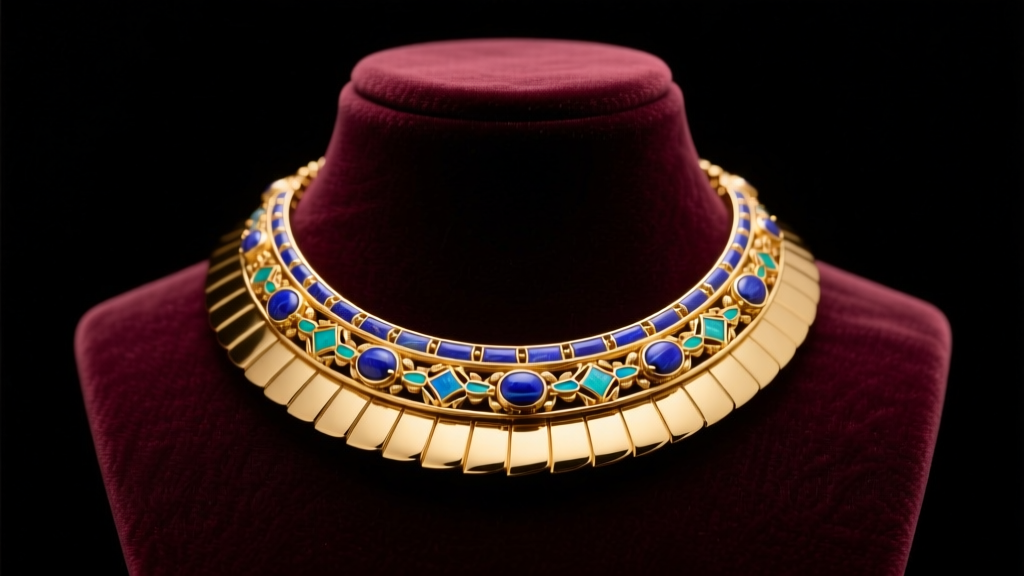
The Resurgence of the Cleopatra Collar in 2026
The Cleopatra necklace, historically defined by its broad, rigid collar silhouette and lavish use of contrasting gemstones, has undergone a radical transformation for 2026. While the mid-century Egyptian Revival movement—splendidly documented by vintage jewelry historians at Lang Antiques—popularized stiff, heavy costume pieces that prioritized theatricality over comfort, today’s maximalist jewelry movement demands ergonomic luxury. Modern wearers expect a statement piece that moves fluidly with the body, accommodates diverse necklines, and utilizes sustainable materials.
This evolution has pushed contemporary jewelers to rethink the structural engineering of the collar. We are seeing a definitive shift away from rigid, stamped-brass backings that dig into the collarbone. Instead, 2026 collections feature articulated 18k gold vermeil mesh, flexible chainmaille weaves, and modular geometric plates connected by micro-jump rings. The result is a Cleopatra collar that drapes like a heavy silk scarf rather than sitting like a plastic gorget, bridging the gap between ancient royal adornment and modern wearable art.
Material Breakdown: Authentic vs. Modern Alternatives
The traditional Egyptian color palette relies heavily on the triad of lapis lazuli, turquoise, and carnelian. However, the surging demand for ethical sourcing and the natural porosity of these stones have led to the rise of high-end lab-grown and composite alternatives. When investing in a Cleopatra necklace, understanding the Mohs hardness and treatment levels of your materials is critical to avoiding premature wear or color degradation.
| Gemstone / Material | Traditional Role | 2026 Modern Alternative | Mohs Hardness | Care & Vulnerability |
|---|---|---|---|---|
| Lapis Lazuli | Deep blue base with pyrite flecks | Lab-grown synthetic lapis or dyed howlite | 5.5 - 6.0 | Highly porous; degrades with exposure to perfumes and acidic sweat. |
| Turquoise | Bright cyan accents | Stabilized turquoise or chrysocolla inlay | 5.0 - 6.0 | Prone to cracking; stabilized versions offer superior impact resistance. |
| Carnelian | Warm red/orange geometric contrast | Lab-created corundum or fired agate | 6.5 - 7.0 | Excellent durability; lab corundum is virtually scratch-proof. |
| Enamel | Color blocking in gold cloisons | Guilloché or cold enamel (epoxy resin) | N/A (Glass/Resin) | Cold enamel resists chipping; traditional vitreous enamel can shatter on impact. |
According to the Gemological Institute of America (GIA), genuine lapis lazuli is frequently dyed to improve its color uniformity, which can lead to fading if exposed to harsh chemicals or prolonged UV light. For a Cleopatra collar intended for frequent, all-day wear, stabilized turquoise and lab-created carnelian offer the visual impact of the ancient originals with a fraction of the maintenance anxiety.
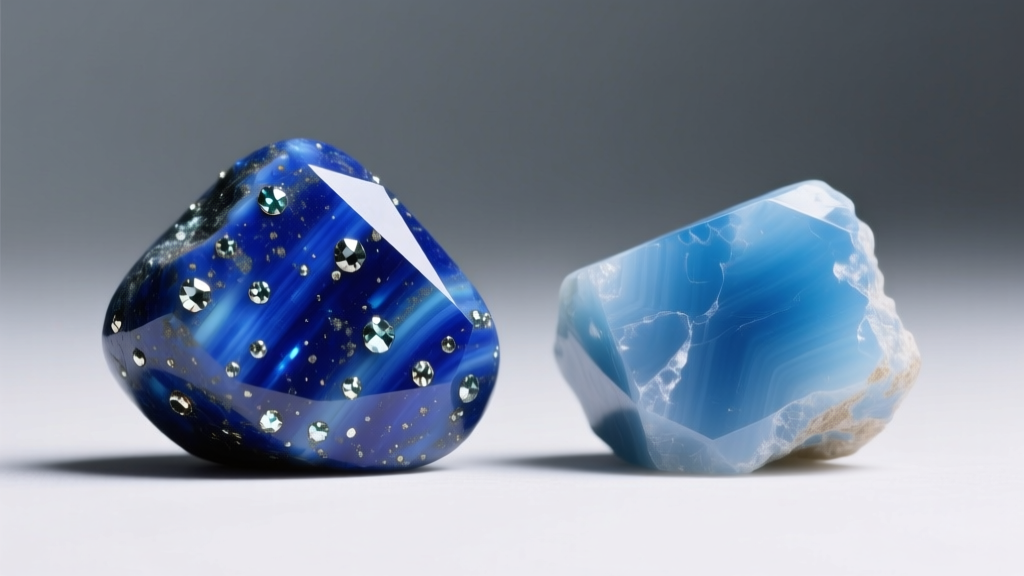
Engineering the Drape: Weight, Clasps, and Comfort
The most common failure point in heavy statement necklaces is the clasp assembly. A fully loaded Cleopatra collar featuring genuine stone inlays and a solid 14k or 18k gold framework can easily weigh between 120 and 180 grams. Standard spring-ring or lobster clasps are entirely inadequate for this mass; they create a severe bottleneck of tension that leads to chain snapping and clasp deformation.
The Clasp Hierarchy for Heavy Collars
- N52 Neodymium Magnetic Clasps: The gold standard for 2026 heavy collars. These hidden magnetic tubes can support up to 200 grams of static weight while remaining invisible within the collar's geometric pattern. Ensure the magnetic housing is encased in hypoallergenic titanium or solid gold to prevent skin irritation.
- Double Fold-Over Security Clasps: Often used in high-jewelry pieces, these feature a hinged box mechanism with a secondary figure-eight safety catch. They distribute the weight across a wider surface area of the neck but add visible bulk to the nape.
- Adjustable T-Bar Toggles: Best for flexible mesh Cleopatra chokers. The T-bar slides through a reinforced vertical ring, allowing the wearer to customize the drape and shift the center of gravity depending on the neckline.
Furthermore, the interior backing of the necklace must be considered. Bare metal resting against the sternum and collarbone will quickly trap heat and moisture, leading to copper oxidation (the dreaded 'green skin' effect) if the piece is heavily alloyed. Look for collars lined with medical-grade silicone, smooth lapis cabochon backing, or a micro-mesh gold weave that allows the skin to breathe.

How to Style a Cleopatra Necklace for Modern Necklines
The sheer scale of a Cleopatra necklace demands strategic wardrobe pairing. The goal is to frame the piece without allowing it to compete with busy patterns or conflicting silhouettes. Here is a practical framework for styling this maximalist staple in 2026:
The Deep V-Neck and Plunge
A flexible, mesh-based Cleopatra collar pairs flawlessly with a deep V-neck silk blouse or a tailored plunge blazer. The V-shape elongates the neck, providing a negative-space canvas that allows the geometric bib of the necklace to rest flat against the sternum. Avoid rigid, stamped-metal collars here, as they will hover awkwardly above the fabric rather than draping into the V.
The Off-the-Shoulder and Bardot
For evening wear, an off-the-shoulder top or dress exposes the clavicle and upper chest, creating the perfect architectural base for a wide, rigid Cleopatra bib. Choose a piece with a high-contrast enamel or turquoise inlay to pop against bare skin. Keep earrings minimal—opt for small gold studs or diamond huggies, as drop earrings will visually clutter the space between the jawline and the collar.
The High-Collar and Turtleneck
Layering a Cleopatra necklace over a fine-gauge merino wool turtleneck is a staple of the modern dark-academia and avant-garde aesthetic. The fabric acts as a protective barrier against stone porosity and metal oxidation. Ensure the collar sits at least two inches below the turtleneck's ribbed hem to maintain distinct visual zones.
Care and Maintenance of Porous Gemstones
Owning a Cleopatra necklace requires a departure from standard jewelry cleaning routines. Ultrasonic cleaners and commercial silver dips will instantly destroy the matrix of genuine turquoise and strip the wax treatments from lapis lazuli. Instead, adopt a dry-care protocol:
- Post-Wear Wipe Down: Use a clean, dry microfiber cloth to gently buff the gold framework and wipe the surface of the stones after every wear to remove microscopic sweat and sebum.
- Soft Brushing: For dust trapped in the gold cloisons or chainmaille links, use a pristine, ultra-soft makeup brush (like a goat-hair blending brush) to sweep the crevices without scratching the enamel.
- Storage Isolation: Store the collar flat in a climate-controlled drawer. Hanging a heavy, stone-laden collar will cause gravity to stretch the metal links and weaken the adhesive holding the cabochons in place over time.
Investment Tiers: What to Expect at Every Price Point
Navigating the market for a Cleopatra collar requires understanding what your budget actually buys in terms of material integrity and structural longevity.
The Entry Tier ($150 - $450)
At this price point, expect 18k gold vermeil (plated over sterling silver) with dyed howlite, stabilized turquoise, and cold enamel. The clasps will likely be standard lobster claws, which may require upgrading. These pieces are excellent for occasional wear but will show plating wear on the high-friction edges within two to three years of regular use.
The Mid-Tier ($500 - $1,800)
This is the sweet spot for contemporary designer pieces. You will find solid 14k gold frameworks, genuine but commercially graded lapis and carnelian, and upgraded N52 magnetic clasps. The chainmaille backing will be more fluid, and the stone settings will utilize secure bezel or prong techniques rather than simple glue.
The Heritage & High-Jewelry Tier ($2,500+)
Investment-grade Cleopatra necklaces from heritage houses or master artisans feature solid 18k or 22k gold, top-tier untreated Afghan lapis lazuli, and hand-cut Guilloché enamel. These pieces are engineered to be heirloom artifacts, featuring reinforced structural soldering, custom-molded ergonomic backings, and certificate-backed gemstone provenance.
The Cleopatra necklace remains a masterclass in bold, unapologetic adornment. By prioritizing flexible engineering, ethical material alternatives, and strategic styling, you can seamlessly integrate this ancient silhouette into a modern, forward-thinking wardrobe.


