Why The Necklace That Looks Like a Clover Dominates 2026 Trends
Discover why the necklace that looks like a clover remains a top jewelry trend in 2026. Explore styling tips, material guides, and demi-fine alternatives.

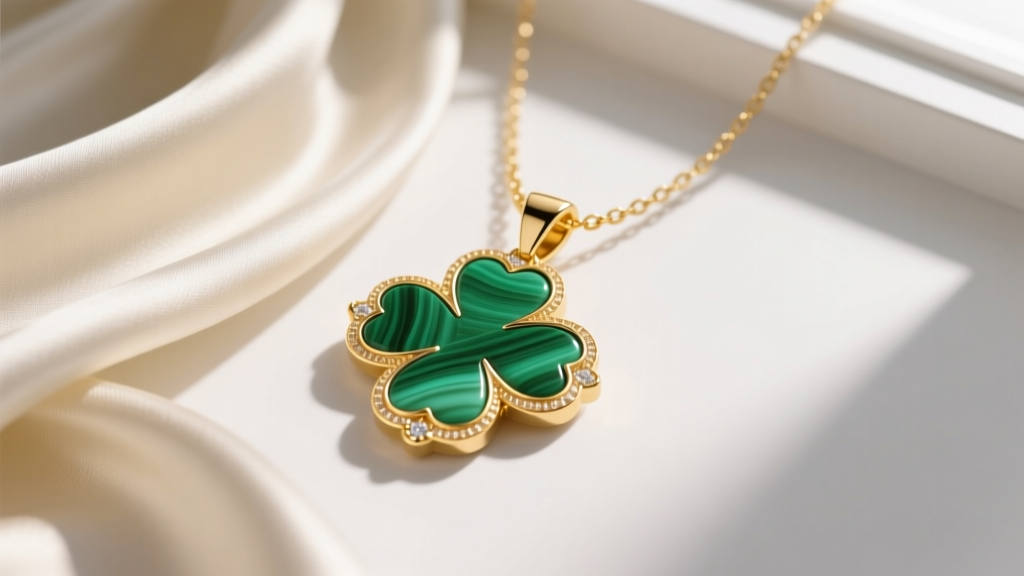
The Enduring Allure of the Clover Motif in Modern Jewelry
If you have spent any time browsing luxury jewelry counters or scrolling through curated social media feeds this year, you have undoubtedly noticed a specific botanical silhouette taking over. The search for a necklace that looks like a clover has transcended seasonal fads, cementing itself as a cornerstone of the 2026 "quiet luxury" and talismanic jewelry movements. While the genesis of this craze can be traced back to the iconic Van Cleef & Arpels Vintage Alhambra collection—first introduced in 1968—the modern iteration of the clover pendant has evolved into a broader cultural symbol of luck, nature, and grounded elegance.
According to trend forecasters at Vogue, the post-pandemic shift toward meaningful, nature-inspired motifs has only accelerated. Consumers are no longer just buying jewelry for its karat weight; they are investing in symbolism. The four-leaf clover, historically representing faith, hope, love, and luck, offers a deeply personal narrative that resonates with modern buyers seeking wearable talismans. But as the demand skyrockets, the market has fractured into distinct tiers, making it crucial to understand what you are actually paying for when you purchase a clover-shaped pendant today.
Decoding the Materials: Stones, Metals, and the Milgrain Edge
The visual weight and luxury appeal of a high-quality clover necklace rely heavily on two factors: the hardness and polish of the inlaid gemstone, and the precision of the gold border. In the luxury segment, you will typically find 18k yellow or rose gold framing stones like malachite, mother-of-pearl, onyx, or carnelian. However, the true hallmark of a master-crafted clover pendant is the beaded edge, also known as milgrain.
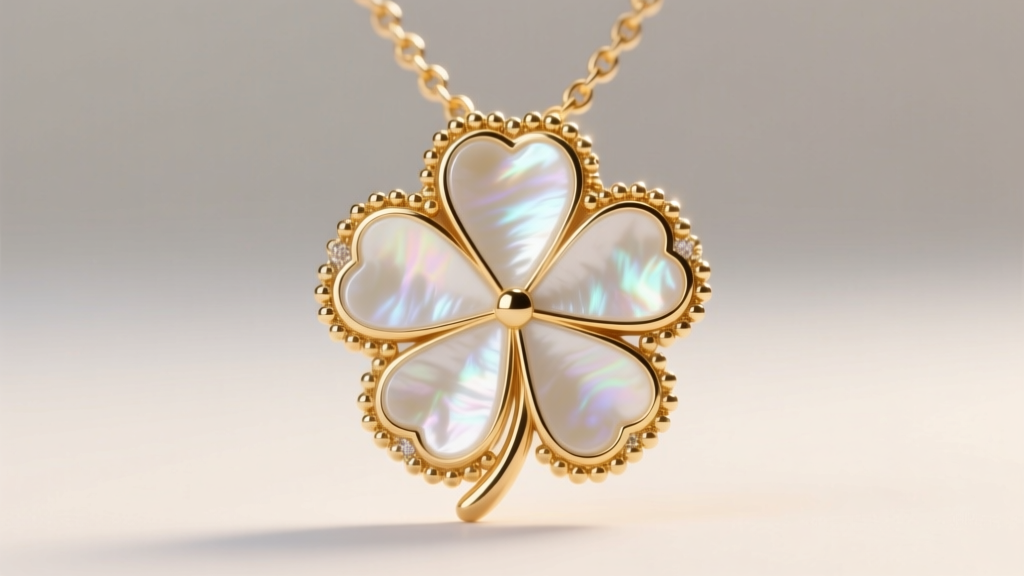
This intricate goldsmithing technique involves carving tiny, uniform gold beads along the perimeter of the clover. It not only catches the light beautifully but also protects the delicate edges of the inlaid stone from chipping. Cheaper, mass-market alternatives often use a flat, stamped bezel or rely on gold vermeil over brass, which lacks the structural integrity and light-reflective properties of solid gold milgrain.
Material Durability & Care Matrix
Not all clover pendants are created equal, especially regarding daily wear. The Gemological Institute of America (GIA) categorizes gemstones by their Mohs hardness, which dictates how well your necklace will survive daily friction, perfumes, and accidental impacts.
| Stone Inlay | Mohs Hardness | Vulnerability | Best For |
|---|---|---|---|
| Onyx (Black) | 7.0 | Low; highly durable | Everyday wear, active lifestyles |
| Carnelian (Red) | 6.5 - 7.0 | Low to Moderate | Statement pieces, evening wear |
| Malachite (Green) | 3.5 - 4.0 | High; sensitive to acids & heat | Occasional wear, strict care |
| Mother-of-Pearl | 2.5 - 4.5 | High; sensitive to perfume/sweat | Special occasions, layered styling |
Expert Tip: If you opt for malachite or mother-of-pearl, always apply your perfumes and lotions before putting on your necklace. The chemicals in cosmetics can strip the natural luster of these organic and porous stones, leaving them dull and chalky over time.
The 2026 Market Landscape: Luxury vs. Demi-Fine Alternatives
As the clover motif dominates the jewelry space, a robust market of alternatives has emerged to challenge the legacy luxury houses. While the original high-jewelry pieces remain aspirational status symbols, the demi-fine sector has stepped up, offering exceptional quality at a fraction of the cost. Here is how the current market breaks down by investment tier.
Investment Tier Breakdown
- The Heritage Luxury Tier ($4,500 - $15,000+): Dominated by legacy houses. These pieces feature 18k gold, substantial metal weight (often 8+ grams), and perfectly matched, ethically sourced gemstones. The clasps are typically custom-engineered lobster clasps with integrated safety rings.
- The Demi-Fine Sweet Spot ($350 - $850): The fastest-growing segment in 2026. Brands in this space use solid 14k gold (which is actually more scratch-resistant than 18k) and slightly smaller clover dimensions (e.g., 10mm to 12mm across instead of the traditional 15mm). They offer the exact same aesthetic with a lighter, more modern chain.
- The Accessible Fashion Tier ($60 - $180): Typically crafted from gold vermeil (thick gold plating over sterling silver) or brass. The stones are often replaced with opaque enamel or cubic zirconia. While great for trend-testing, the vermeil will eventually wear off at the friction points near the clasp and bail.
How to Style a Clover Pendant for Every Neckline
The versatility of the clover pendant is a major reason for its sustained popularity. However, styling it requires an understanding of chain lengths, bail proportions, and layering mechanics. In 2026, the "Talisman Stack" is the preferred method of wearing these pieces, moving away from wearing a single pendant in isolation.
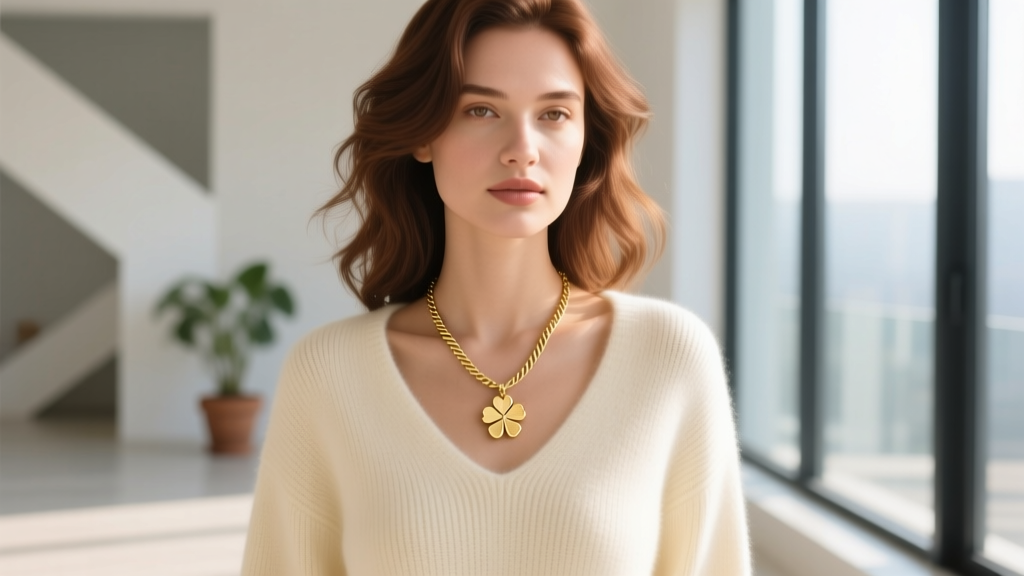
The Anatomy of the Perfect Layered Stack
To achieve the coveted, effortlessly layered look without your necklaces tangling, you must vary both the chain type and the length. The bail (the loop that connects the clover pendant to the chain) on most clover necklaces is relatively wide, meaning it slides best on certain chain styles.
The Golden Rule of Layering: Never layer a clover pendant on a snake chain. The flat, interlocking links of a snake chain will catch on the wide bail of the clover, causing the pendant to constantly flip backward. Instead, opt for a lightweight cable chain or a delicate rolo chain for the clover, and reserve the snake chain for a smaller, secondary pendant like a gold coin or a diamond solitaire.
Neckline Pairing Guide
Where the clover sits on your chest dictates its visual impact. Here is a practical framework for matching your chain length to your wardrobe:
- The 16-Inch Choker Length: Ideal for crew necks and boat necks. The clover sits right at the base of the throat, acting as a focal point. This length works best with smaller, 10mm demi-fine clover pendants.
- The 18-Inch Princess Length: The most versatile option. It rests perfectly on the collarbone and slips elegantly into the opening of a V-neck blouse or a slightly unbuttoned silk shirt. This is the standard length for the classic 15mm luxury clovers.
- The 20 to 22-Inch Matinee Length: Perfect for autumn and winter styling. Worn over a fine-gauge cashmere turtleneck, a longer clover necklace elongates the torso and provides a striking contrast against dark, solid fabrics.
Final Verdict: Is the Clover Trend Here to Stay?
Trends in jewelry are notoriously cyclical, but the necklace that looks like a clover has successfully transitioned from a "trend" to a modern classic. Its survival in the 2026 landscape is due to its unique ability to bridge the gap between high-society luxury and approachable, nature-inspired symbolism. Whether you are investing in a heritage 18k malachite piece to pass down to the next generation, or opting for a dainty 14k gold demi-fine alternative to complete your daily talisman stack, the clover motif offers an enduring elegance that outlasts the seasonal fashion cycle. By paying close attention to stone hardness, milgrain craftsmanship, and proper chain pairing, you can ensure your clover necklace remains a staple in your jewelry box for decades to come.


