Which Clover Necklace Brand Uses the Best Materials?
Compare the gemstones and gold alloys of the top clover necklace brand alternatives to find the most durable pendant for your collection.

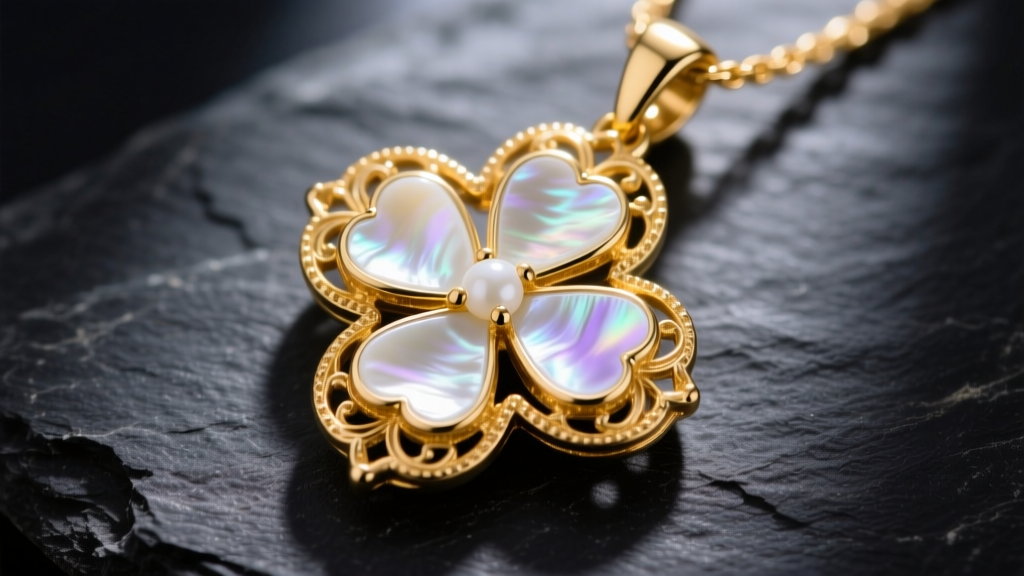
The Metallurgy of the Clover Motif: 18k vs. 14k Gold
When evaluating any premier clover necklace brand, the foundation of the piece always begins with its metallurgy. The iconic four-leaf clover pendant, popularized by historic French jewelers and now replicated by hundreds of global brands, relies heavily on the structural integrity of its gold framework. In the 2026 fine jewelry market, the divide between luxury and mid-tier alternatives is most evident in the gold alloys utilized.
Top-tier luxury houses predominantly use 18k yellow gold, an alloy consisting of 75% pure gold and 25% strengthening metals like copper and silver. From a metallurgical standpoint, 18k gold possesses a Vickers Hardness Number (VHN) of approximately 125. This relative softness allows master jewelers to hand-finish the intricate beaded edges (known as dentelle or milgrain) that frame the clover motif. However, this softness also means 18k gold is more susceptible to micro-scratches and surface marring over decades of daily wear.
Conversely, many contemporary and mid-tier clover necklace brands opt for 14k gold, which contains 58.5% pure gold. The higher proportion of alloyed metals increases the VHN to roughly 150, yielding a significantly harder, more scratch-resistant metal. While 14k gold lacks the deep, buttery saturation of 18k gold, it is structurally superior for securing heavy hardstone inlays. Budget brands often rely on gold vermeil (a thick layer of gold over sterling silver) or gold-plated brass. These base metals are highly prone to galvanic corrosion when exposed to sweat, leading to structural failure and skin discoloration within months.
Hardstone and Organic Gemstone Properties
The true differentiator among clover necklace brands lies in the gemological properties of the inlay materials. The clover design acts as a canvas for various hardstones and organic gems, each with distinct chemical vulnerabilities and Mohs hardness ratings. Understanding these properties is critical for long-term preservation.
Mother of Pearl (MOP) vs. Black Onyx
Mother of Pearl is an organic gemstone composed primarily of aragonite (calcium carbonate). With a Mohs hardness of 2.5 to 4.5, MOP is relatively soft and highly sensitive to acidic environments. According to the GIA Gem Encyclopedia, calcium carbonate will readily etch and lose its iridescent luster when exposed to the lactic acid in human sweat or the alcohol and citric acid found in perfumes. High-end brands mitigate this by engineering deeply recessed bezels that prevent the stone's surface from making direct contact with the skin.
Black Onyx, a dyed variety of cryptocrystalline quartz (chalcedony), sits much higher on the Mohs scale at 6.5 to 7. It is exceptionally durable, chemically inert to everyday cosmetics, and resistant to scratching. When comparing brands, onyx clover pendants will almost always outlast MOP variants in high-friction environments, making them the superior choice for daily wearers who refuse to remove their jewelry before exercising or swimming.
The Malachite and Carnelian Durability Gap
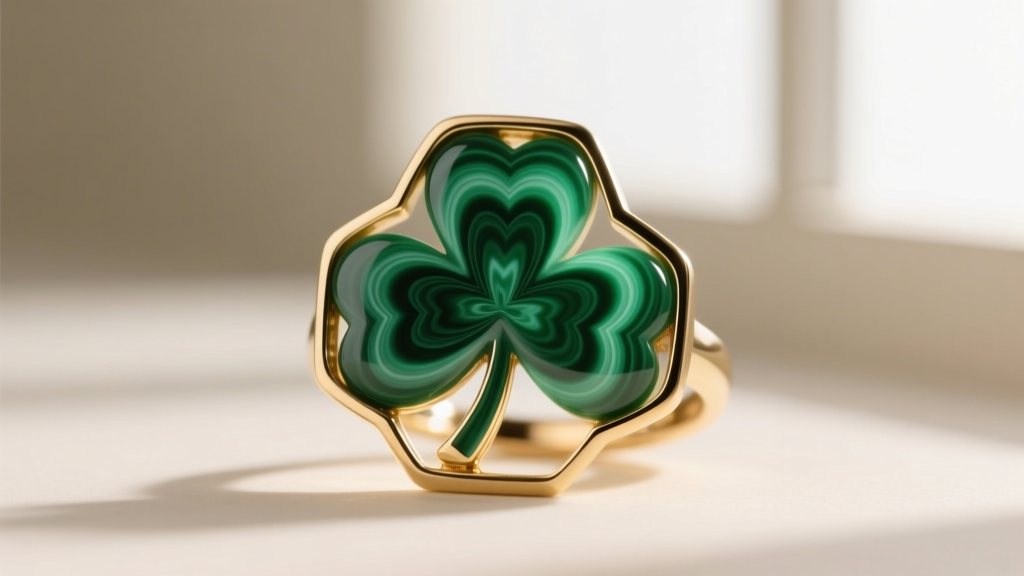
Malachite is perhaps the most visually striking yet structurally precarious stone used in clover pendants. Composed of copper carbonate hydroxide, malachite registers a mere 3.5 to 4 on the Mohs scale. As detailed in the GIA Malachite Profile, this stone is highly reactive to heat, acids, and even prolonged exposure to water. Many mid-market clover necklace brands have quietly transitioned from using genuine malachite to utilizing dyed green agate. While less authentic, dyed agate (Mohs 7) eliminates the warranty claims associated with genuine malachite dissolving or dulling from acidic skin contact.
Carnelian, a reddish-orange variety of chalcedony, offers the vibrant color pop that malachite enthusiasts desire but with the rugged durability of quartz (Mohs 6.5-7). Brands that offer genuine carnelian inlays provide a vastly superior product in terms of material longevity compared to those using genuine malachite.
Comparative Gemstone Data Matrix
| Inlay Material | Mohs Hardness | Chemical Sensitivity | Typical Brand Tier | Failure Mode |
|---|---|---|---|---|
| White Mother of Pearl | 2.5 - 4.5 | High (Acids, Perfume) | Luxury & Mid-Tier | Surface etching, loss of luster |
| Black Onyx | 6.5 - 7.0 | Low | All Tiers | Edge chipping from hard impacts |
| Genuine Malachite | 3.5 - 4.0 | Extreme (Acids, Water) | Strictly Luxury | Dissolution, severe dulling |
| Dyed Green Agate | 6.5 - 7.0 | Low | Mid-Tier & Budget | Color fading under UV light |
| Carnelian | 6.5 - 7.0 | Low | Luxury & Mid-Tier | Rare; extreme blunt force fracture |
Bezel Engineering and the Dentelle Edge
The method by which a clover necklace brand secures the hardstone inlay is a primary indicator of manufacturing quality. The stones are universally held in place by a bezel setting—a continuous metal rim that wraps over the edge of the gemstone. In luxury manufacturing, this bezel is engineered with a slight inward camber, applying uniform pressure to the stone without creating localized stress points that could fracture the onyx or carnelian.
Surrounding the bezel is the iconic beaded border, or dentelle. In heritage brands, these beads are individually carved by hand using a milgrain tool, resulting in sharp, distinct, and perfectly hemispherical gold beads. In contrast, mass-market brands utilize cast-in-place beads. These cast beads lack structural definition and, due to the soft nature of the casting alloy, will rub flat and merge into a solid, wavy ridge within six to eight months of friction against clothing.
Chain Links and Clasp Failure Modes
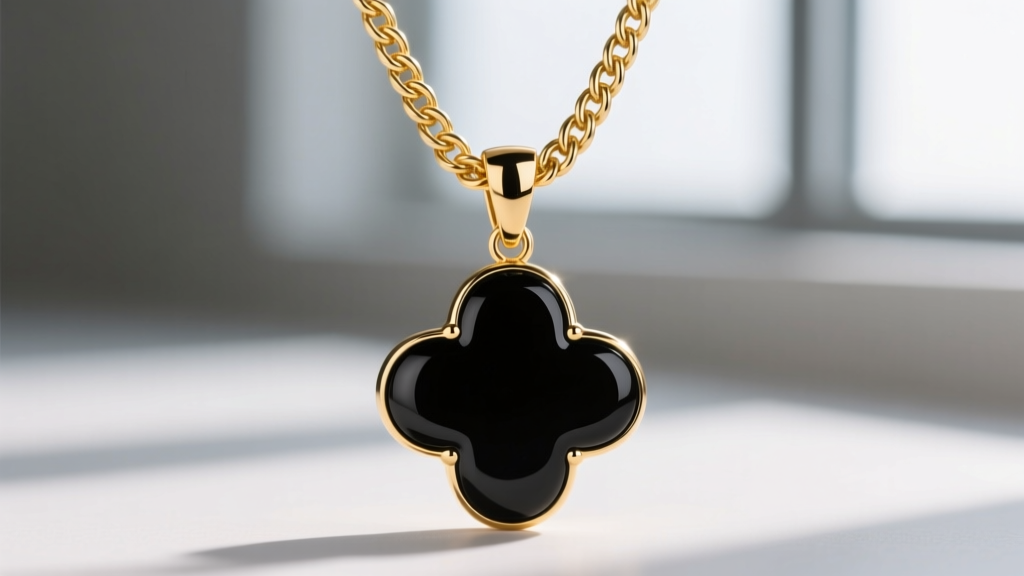
A pendant is only as secure as the chain that suspends it. The standard cable chain used by most clover necklace brands ranges from 0.8mm to 1.2mm in thickness. While a 0.8mm chain offers a delicate, floating aesthetic, it possesses a low tensile strength and is highly susceptible to work-hardening and snapping if caught on a garment. A 1.2mm cable or rolo chain provides exponentially higher shear strength, safely supporting the heavy 10-to-15-gram weight of a solid gold and hardstone clover pendant.
Furthermore, the clasp mechanism dictates the necklace's overall security. Budget and mid-tier brands frequently employ spring-ring clasps, which rely on a tiny internal steel spring that routinely fails or corrodes when exposed to moisture. Premier brands utilize solid gold lobster clasps or specialized fold-over clasps with internal tension springs, ensuring the heavy pendant remains securely fastened around the neck.
"When investing in a hardstone pendant, always inspect the interior of the clasp. If you see a dark metallic tint inside the spring mechanism, it is a steel spring housed in a gold shell—a hallmark of cost-cutting that will eventually lead to clasp failure."
Final Verdict: Matching Material to Lifestyle
Identifying the best clover necklace brand ultimately depends on the wearer's lifestyle and material priorities. If your goal is generational heirloom quality and you are willing to perform meticulous maintenance—removing the piece before swimming, exercising, or applying cosmetics—a luxury brand utilizing 18k gold and genuine malachite or mother of pearl is unmatched in its artisanal beauty and prestige.
However, for the modern consumer seeking a "never take it off" daily staple, mid-tier brands that utilize 14k gold paired with black onyx or carnelian offer vastly superior structural durability. By prioritizing high-Mohs gemstones and harder gold alloys, these alternative brands provide a resilient, scratch-resistant clover pendant that maintains its geometric perfection and vibrant color for decades of continuous wear.


