Codi Vore Pearl Necklace: Troubleshooting & Repair Guide
Expert troubleshooting for your Codi Vore pearl necklace. Learn how to fix clasp issues, restore nacre luster, and determine when to restring the silk.

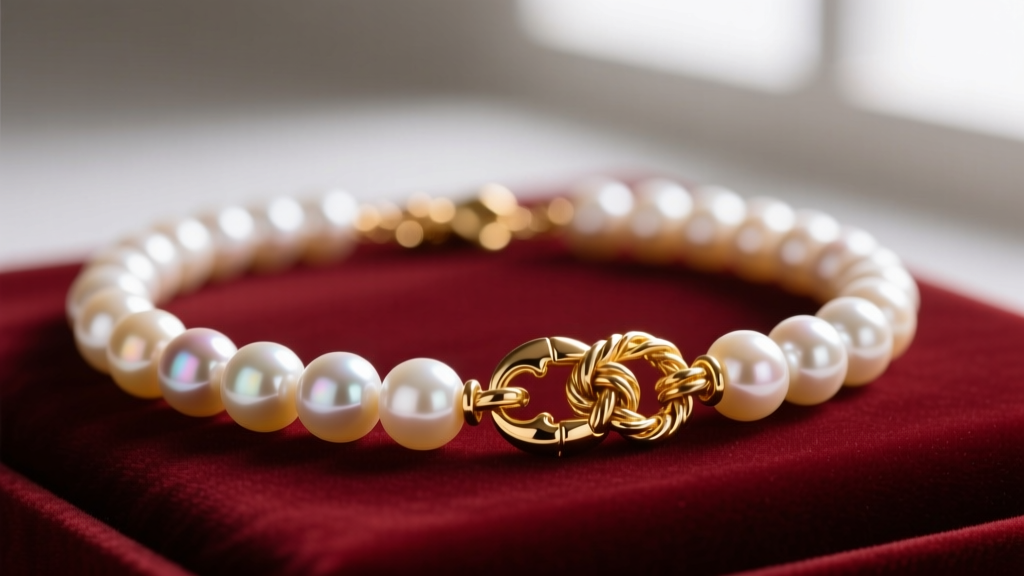
Diagnosing Common Issues with Your Codi Vore Pearl Necklace
Owning a Codi Vore pearl necklace means investing in a piece of wearable art that blends modern indie aesthetics with the timeless elegance of organic gemstones. Whether your piece features asymmetrical baroque freshwater pearls or perfectly matched rounds, the organic nature of nacre and the delicate mechanics of fine jewelry hardware require specialized maintenance. Over time, daily wear exposes these necklaces to environmental stressors, acidic skin pH, and mechanical friction. This comprehensive troubleshooting guide will help you diagnose hardware failures, assess silk thread integrity, and restore the original luster of your pearls using professional bench jeweler techniques.
Hardware and Clasp Troubleshooting
The clasp assembly is the most frequent point of failure on any strand necklace. Many contemporary indie designers, including Codi Vore, utilize 14k gold-filled lobster clasps or custom-cast 925 sterling silver toggles to maintain accessibility without sacrificing aesthetic quality. However, gold-filled materials consist of a brass core mechanically bonded to a thick outer layer of 14k gold. While highly durable, the brass core can oxidize if the clasp is repeatedly exposed to chlorinated water, acidic sweat, or aerosolized perfumes, leading to a seized spring mechanism.
The Jump Ring Gap Test
If your necklace is slipping off unexpectedly, the issue rarely lies with the clasp lever itself; it is almost always a compromised jump ring. The jump ring is the small circular wire loop that connects the clasp to the silk thread's finishing ring. Use a pair of digital calipers to measure the gap in the jump ring. A secure jump ring should have a gap of less than 0.2mm. If the gap has stretched to 0.5mm or wider due to pulling tension, the silk loop or the French wire (gimp) can easily slip through, resulting in a lost necklace.
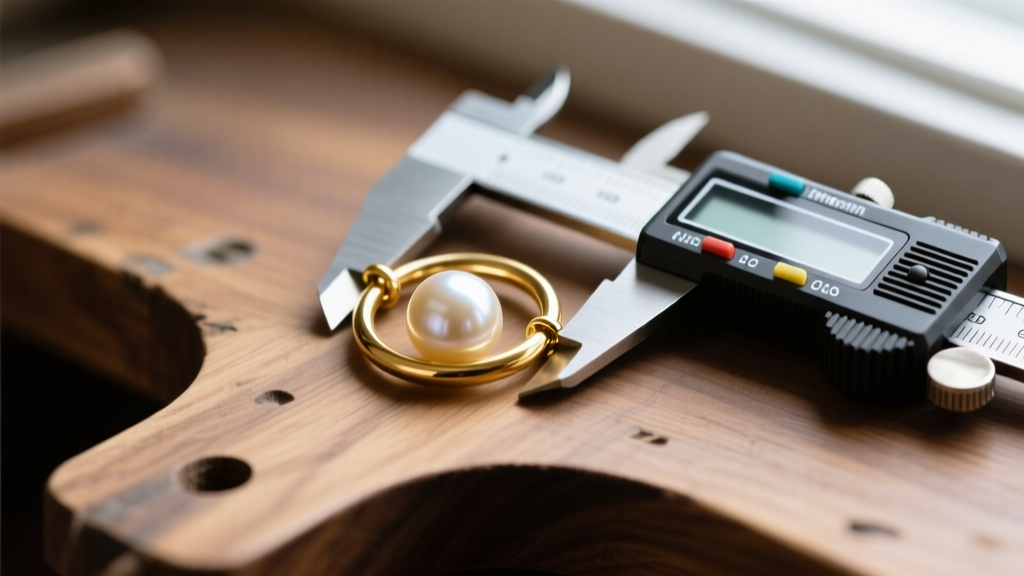
DIY Mitigation: Using two pairs of flat-nose pliers (never chain-nose, which will mar the metal), grip the jump ring on either side of the gap and twist it laterally to close it. Do not pull the ends apart and squeeze them together, as this weakens the metal's structural memory and creates an oval shape.
Upgrading to a Box Clasp
If your Codi Vore pearl necklace features a heavy multi-strand design or oversized baroque pearls, a standard lobster clasp may not provide adequate counterweight, causing the clasp to migrate to the front of the neck. Consider taking the piece to a bench jeweler to upgrade to a 14k solid gold box clasp with a safety figure-eight latch. Box clasps distribute tension evenly across the silk and provide a seamless visual transition between the metal and the pearls.
Silk Thread Stretching and Knot Gapping
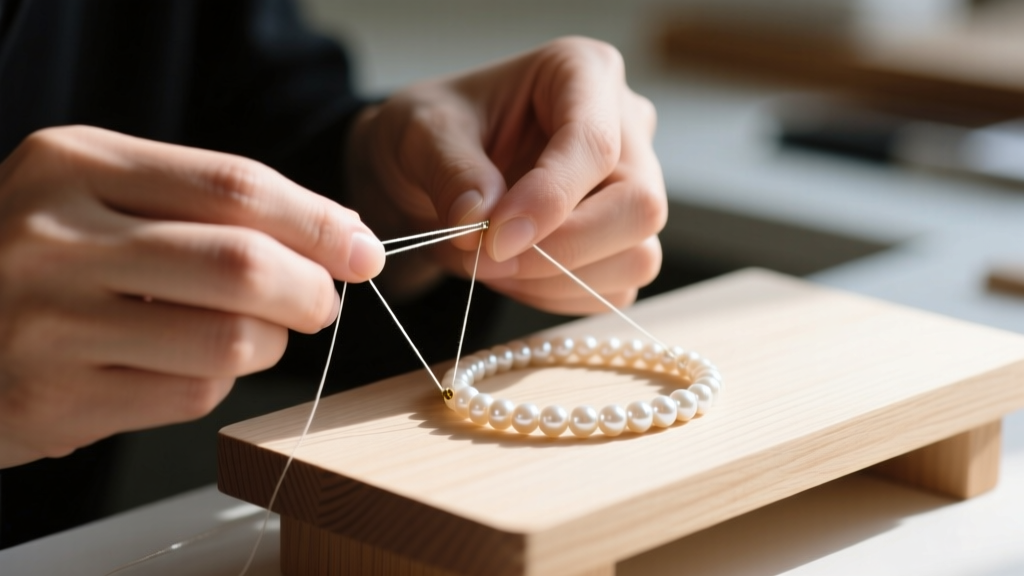
Authentic pearl necklaces are strung on 100% natural silk thread, which is chosen for its soft drape and ability to hold tight, symmetrical knots. However, silk is a protein fiber that absorbs moisture and stretches under the continuous weight of the pearls. Codi Vore typically uses Griffin size F or G silk thread, depending on the drill hole diameter of the pearls (size F for 6-7mm pearls, size G for 8-9mm).
Performing the Fold Test
To determine if your necklace requires professional restringing, perform the fold test. Drape the necklace over your index finger and gently fold it back onto itself. Observe the space between the pearls.
- Pass: The pearls touch each other smoothly, and the knots remain hidden and tight against the drill holes.
- Warning: You can see 1-2mm of exposed silk thread between the pearls when the necklace is laid flat, but the gaps close when folded.
- Fail: Significant gaps (3mm or more) remain visible even when the necklace is folded, or the knots appear frayed, fuzzy, or discolored. This indicates the silk has lost its tensile strength and is at imminent risk of snapping.
If your necklace fails the fold test, it must be restrung immediately. According to the Gemological Institute of America (GIA), stretched silk creates excessive friction against the sharp edges of the pearl drill holes, which can eventually widen the holes and cause irreversible damage to the nacre.
Nacre Degradation and Luster Troubleshooting
Pearls rank between 2.5 and 3.0 on the Mohs hardness scale, making them exceptionally vulnerable to scratching and chemical etching. The luster of a Codi Vore pearl necklace is the result of light reflecting off the microscopic aragonite platelets bound together by conchiolin. When exposed to cosmetics, hairspray, or household cleaners, this crystalline structure can become dull, chalky, or pitted.
The Chalkiness Matrix
Use the table below to diagnose the specific type of luster loss your pearls are experiencing and apply the correct remediation strategy.
| Symptom | Root Cause | DIY Mitigation | Professional Repair |
|---|---|---|---|
| Overall dullness and loss of overtone | Accumulation of skin oils and dead skin cells blocking light refraction. | Wipe gently with a damp, lint-free microfiber cloth after every wear. | Professional polishing is not recommended; prevention is key. |
| Chalky, white, matte spots | Chemical etching from acidic sweat, perfume, or vinegar-based cleaners. | Cannot be reversed at home. Wipe immediately if exposed to acids. | A lapidary may attempt a very light polish, but this removes nacre layers. |
| Yellowing of the pearls | Dehydration of the conchiolin protein or prolonged storage in dark, dry vaults. | Store with a slightly damp cotton ball in a sealed bag to restore moisture. | Severe yellowing is permanent; replace the affected pearls. |
Never use ultrasonic cleaners, steam cleaners, or commercial silver dips on a pearl necklace. The high-frequency vibrations of an ultrasonic cleaner will shatter the nacre layers, while harsh chemicals will dissolve the conchiolin binding agent. For deep cleaning, Pearl Paradise recommends using a drop of mild, phosphate-free dish soap in distilled water, applied with a soft makeup brush to gently clean around the drill holes without saturating the silk thread.
Preventative Maintenance and Storage Protocols
To maximize the lifespan of your Codi Vore pearl necklace, implement a strict maintenance protocol. Always adhere to the 'last on, first off' rule: put your pearls on after applying all makeup, perfumes, and hairsprays, and remove them immediately upon returning home. Store the necklace flat in a soft chamois pouch or a lined jewelry box. Never hang a knotted pearl necklace on a hook, as the constant gravitational pull will prematurely stretch the silk thread and distort the knots. By understanding the material science behind your jewelry, you can troubleshoot minor issues before they become catastrophic failures, ensuring your necklace remains a staple in your collection for decades.


