How to Choose and Style the Perfect Coin Necklace Holder
Learn how to select, mount, and display your numismatic jewelry with the right coin necklace holder. Expert tips on bezels, materials, and preservation.

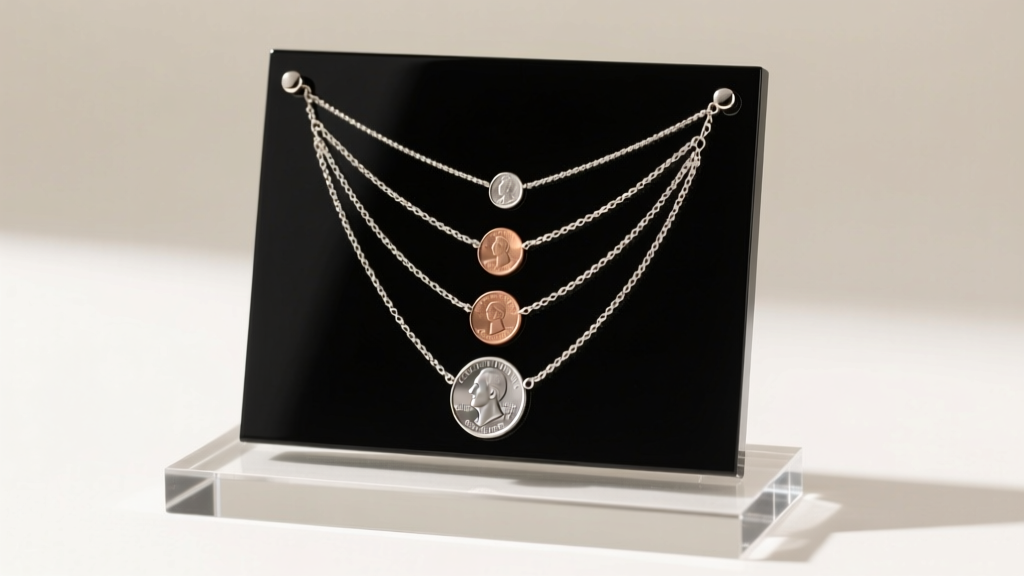
Whether you are showcasing a rare ancient Roman denarius, a vintage Morgan silver dollar, or a modern commemorative piece, the way you hold and display your numismatic jewelry is critical. A coin necklace holder is a broad term that encompasses two vital components: the wearable bezel mount that secures the coin to a chain, and the display stand used for storage and presentation. In 2026, with the rise of modular jewelry organization and heightened awareness of archival preservation, choosing the right holder is about balancing aesthetic layering with strict material safety.
Improper holding mechanisms can lead to micro-scratches, PVC-induced toning, or irreversible patina damage. This comprehensive guide will walk you through the exact specifications, materials, and step-by-step techniques required to select, mount, and display your coin necklaces like a professional conservator.
The Dual Meaning of a Coin Necklace Holder
When shopping for or researching a coin necklace holder, it is essential to distinguish between the two primary categories. Both require specific material considerations to protect the numismatic value of your piece.
1. Wearable Holders (Bezel Mounts)
The wearable holder is the physical metal casing that grips the coin. The golden rule of numismatic jewelry is never solder directly to a collectible coin. Modern wearable holders rely on mechanical tension, screw-top mechanisms, or archival-safe inserts to secure the piece without altering its surface or edges.
2. Display Holders (Stands and Busts)
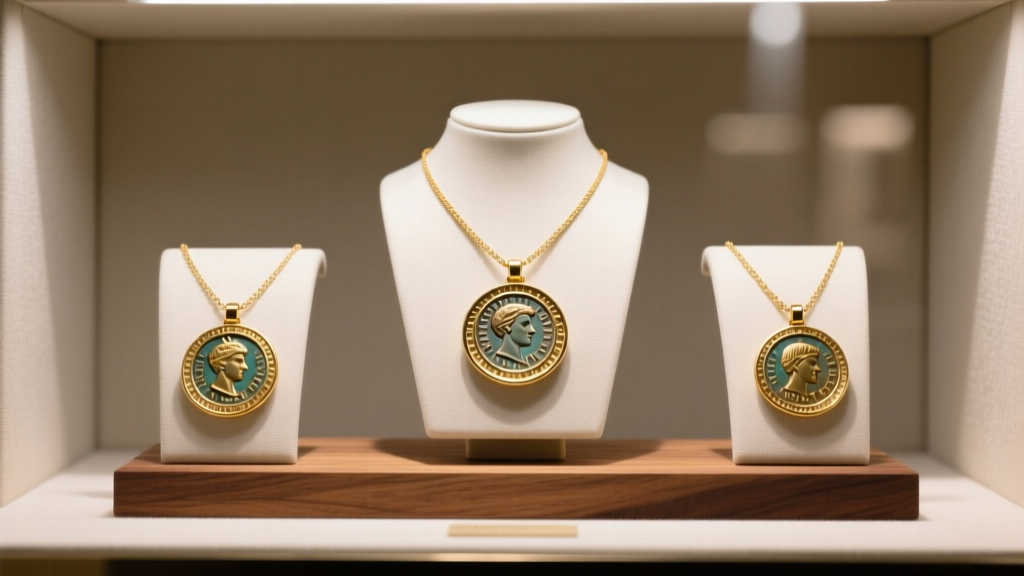
Display holders are the stands, busts, or shadow boxes used when the necklace is not being worn. Standard necklace busts often feature synthetic velvets or treated woods that off-gas acidic compounds, which can cause severe environmental toning or corrosion on exposed silver and copper coins.
Step-by-Step Guide: Mounting a Coin in a Wearable Holder
Mounting a coin requires precision. A gap of even 0.5mm can allow the coin to rattle, causing edge wear, while a mount that is too tight can warp the metal or crack a proof finish.
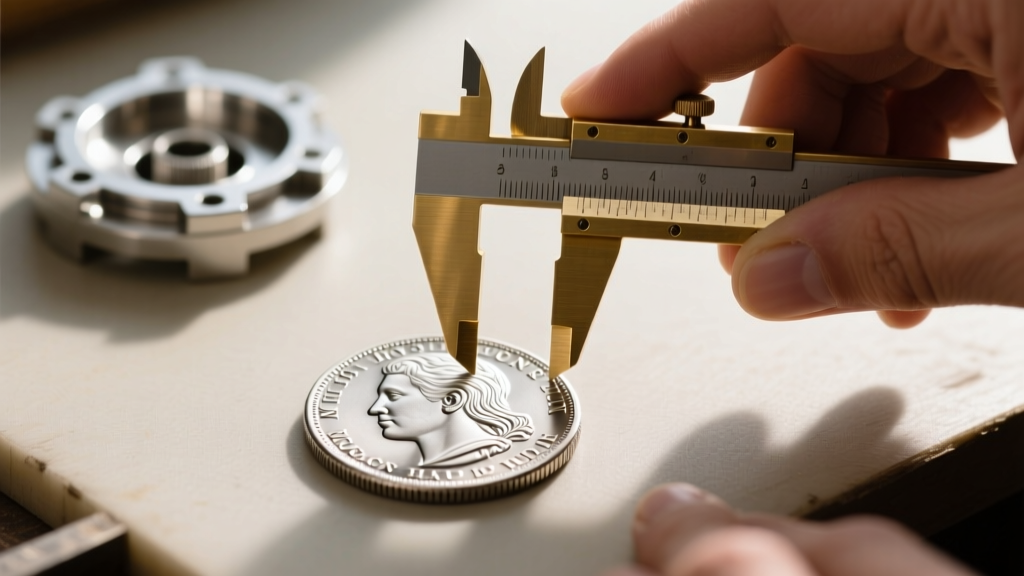
- Measure with Digital Calipers: Never rely on nominal coin sizes. A standard US Morgan Silver Dollar is nominally 38mm, but actual specimens can range from 38.1mm to 38.3mm depending on the mint strike and collar wear. Use digital calipers to measure the exact diameter to the nearest 0.01mm.
- Select the Bezel Metal: For high-wear daily pieces, 14k or 18k gold is ideal due to its tensile strength. Pure 24k gold is too soft for tension mounts and will eventually loosen. For silver coins, 316L surgical stainless steel or Argentium silver (which resists tarnishing) are excellent, cost-effective choices.
- Insert an Archival Buffer: Before placing the coin into a metal bezel, line the inner rim with a 0.2mm TPU (Thermoplastic Polyurethane) or Mylar strip. This prevents metal-on-metal friction, preserving the coin's reeded edge.
- Secure the Mechanism: If using a screw-top bezel, apply a microscopic drop of jeweler's threadlocker (like Loctite 222, which is low-strength and removable) to the threads to prevent the cap from vibrating loose during daily wear.
Selecting the Right Display Coin Necklace Holder for Storage
When your coin necklace is not being worn, it must be stored in a way that prevents tangling, chain abrasion, and environmental damage. The market has evolved significantly, moving away from cheap plastic and acidic fabrics toward museum-grade materials.
| Holder Material | Pros | Cons | Best For |
|---|---|---|---|
| UV-Filtering Acrylic | Slotted designs prevent tangling; inert material; excellent visibility. | Can be brittle if dropped; static buildup can attract dust. | Modern layering displays; retail presentation. |
| Archival Silicone | Soft, non-abrasive grip; completely PVC-free; holds heavy pendants securely. | Lacks the rigid structure needed for multi-tiered busts. | Single-tier countertop stands; heavy silver dollar pendants. |
| Untreated Hardwood | Aesthetically pleasing; sturdy; eco-friendly options available. | Must be sealed with water-based polyurethane to prevent acid off-gassing. | Shadow boxes; permanent wall-mounted displays. |
| Standard Velvet (Avoid) | Traditional look; inexpensive. | Often contains PVC or sulfur-based dyes that cause rapid coin tarnishing. | None. Avoid for numismatic jewelry. |
How to Arrange and Layer on a Display Stand
Layering coin necklaces is a major trend, but displaying them layered requires a specialized tiered coin necklace holder to prevent the chains from intertwining and scratching the coins' obverse and reverse faces.
- Establish the Drop Hierarchy: Place the smallest, lightest coin (e.g., a US Dime or ancient fractional coin) on the shortest hook, typically at a 14-inch drop.
- Manage the Weight: Heavier coins, like Peace Dollars or large custom medallions, must be hung on the lowest, longest hooks (22 to 24 inches). This prevents the heavier chain from pulling the lighter chains taut and causing stress on their clasps.
- Use Chain Separators: If your display stand does not have individual micro-slots, use small silicone O-rings on the hooks to keep the jump rings of adjacent necklaces from sliding into one another.
Preservation and Maintenance Protocols
According to the American Numismatic Association (ANA), the most common way collectors ruin valuable coins is through improper cleaning and exposure to harsh environmental chemicals. When maintaining your coin necklace holders, adhere to these strict protocols:
- Never Clean the Coin: If the coin develops toning while in the holder, do not polish it. Toning is a natural chemical reaction and is often highly desired by collectors. Polishing strips the original mint luster and destroys numismatic value.
- Clean the Holder, Not the Piece: When cleaning an acrylic or silicone display stand, remove the necklaces first. Use a microfiber cloth and an ammonia-free optical cleaner. Ammonia fumes can react with copper and silver alloys.
- Strategic Anti-Tarnish Placement: Place 3M anti-tarnish strips inside the base or drawer of your display holder. However, ensure the strip does not physically touch the coin or the gold/silver bezel, as the chemical absorption process can sometimes cause localized surface reactions.
- Monitor Humidity: The Gemological Institute of America (GIA) recommends keeping jewelry storage environments between 40% and 50% relative humidity. High humidity accelerates silver sulfide formation (tarnish), while extremely dry conditions can degrade certain archival plastic inserts over time.
Final Thoughts on Coin Jewelry Care
Investing in a high-quality coin necklace holder is an investment in the history and value of the piece itself. By utilizing precision-measured bezels with TPU buffers and storing your layered necklaces on UV-filtering, archival-safe acrylic stands, you ensure that your numismatic jewelry remains as pristine in 2050 as it was the day it was minted. Whether you are displaying a family heirloom or a rare archaeological find, the right holder transforms a simple accessory into a perfectly preserved artifact.


