Collar Gold Necklace Value: 2026 Budget & Pricing Guide
Discover the true value of a collar gold necklace in 2026. We break down pricing tiers, karat weights, and budget tips for smart jewelry buyers.

The Anatomy of a Collar Gold Necklace: Why Weight Matters
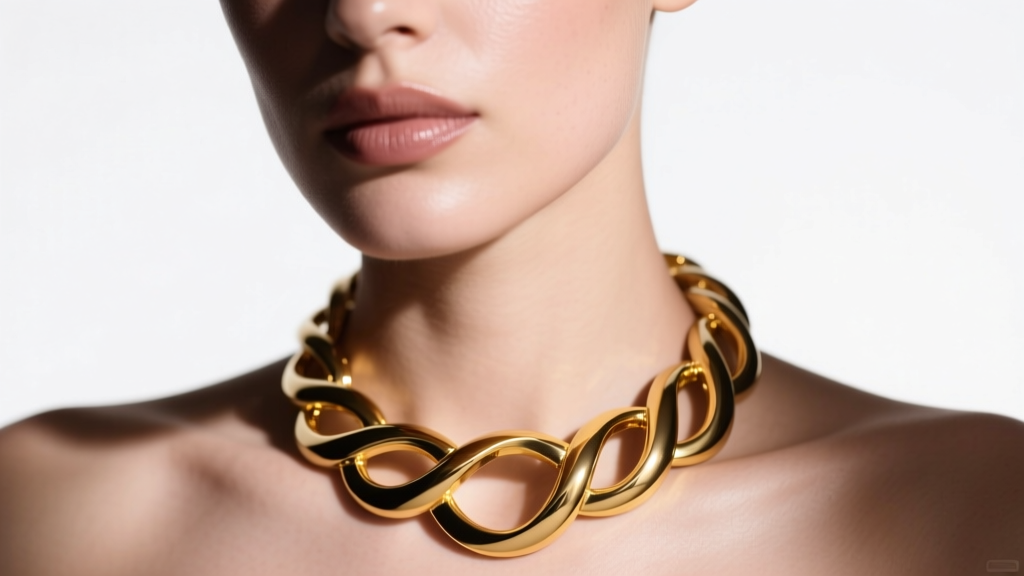
When evaluating a collar gold necklace, the primary metric of value is not just the brand name stamped on the clasp, but the intrinsic weight and structural integrity of the piece. Sitting tightly against the base of the neck (typically measuring between 12 and 14 inches), a collar necklace requires precise engineering to drape correctly without choking the wearer or kinking under lateral tension. In 2026, with precious metal markets experiencing sustained volatility, understanding the gram weight and karat purity of your collar is the only way to accurately assess its true budget and long-term value.
Unlike standard chain necklaces that drape loosely, collars are often rigid or semi-rigid. Popular styles include the omega chain, the snake chain, and the solid torque. The Gemological Institute of America (GIA) notes that gold purity drastically affects the hardness of the metal. While 24K gold is too soft for a rigid collar, 14K and 18K gold offer the necessary tensile strength. However, a sturdy, daily-wear solid gold collar should weigh a minimum of 15 to 25 grams. Anything lighter risks structural failure, which brings us to the most common trap in the modern jewelry market.
The 'Hollow Tube' Trap and Electroforming
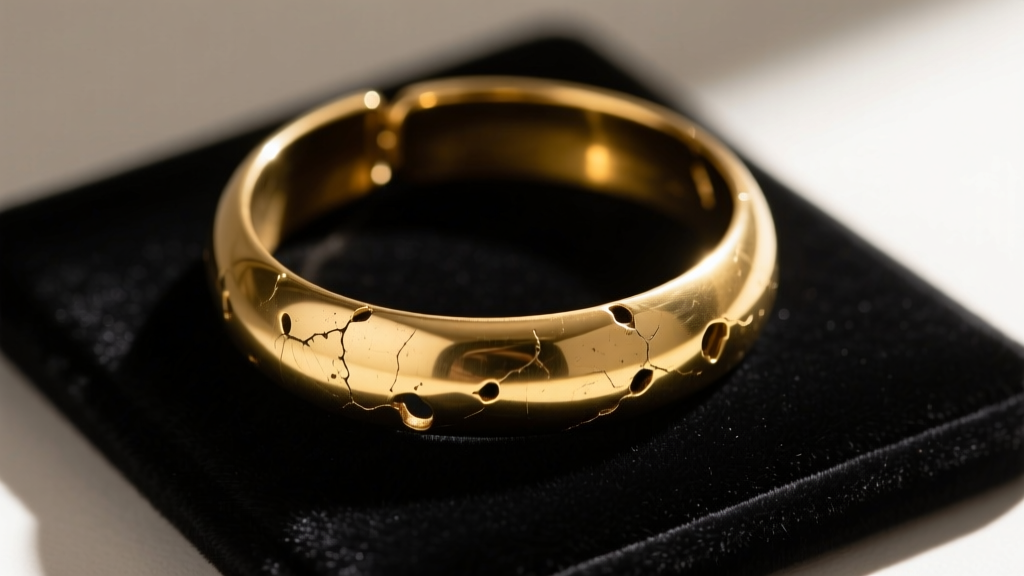
Many mass-market jewelers utilize a process called electroforming to create 'hollow' gold jewelry. This allows them to manufacture a collar gold necklace that looks incredibly thick—sometimes up to 8mm in diameter—while weighing a mere 4 to 6 grams. While this lowers the initial retail price, it destroys the piece's value proposition. Hollow collars are notoriously fragile; a firm hug, a snag on a sweater, or even sleeping in the piece can cause irreversible denting. Once a hollow gold tube is dented, it cannot be easily hammered out or repaired by a bench jeweler without risking a total collapse of the metal. For budget-conscious buyers seeking actual value, solid or heavily semi-solid constructions are mandatory.
2026 Pricing Tiers: What Should You Actually Pay?
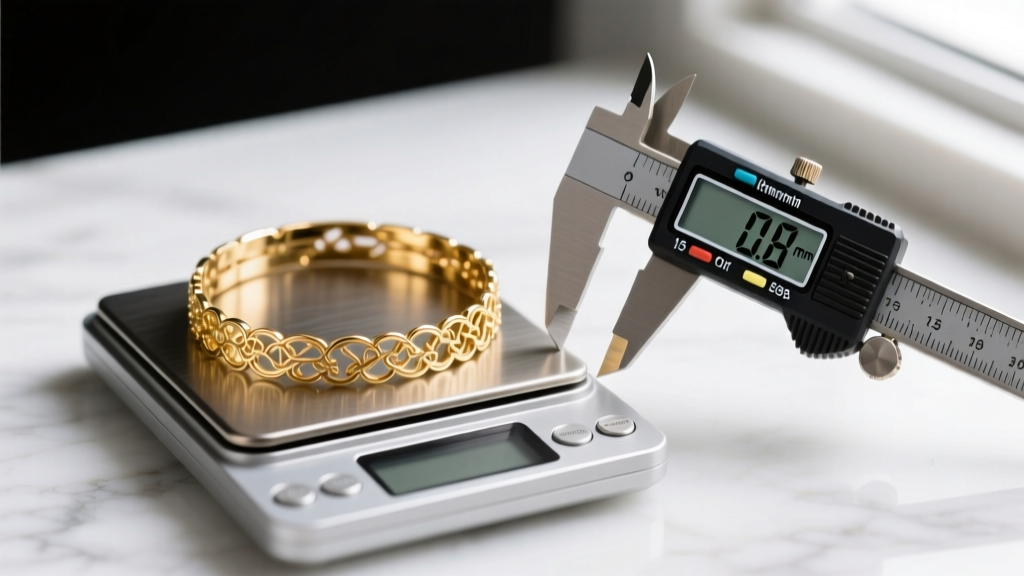
To properly assess your budget, you must separate the intrinsic melt value of the gold from the retail markup (the 'craftsmanship premium'). Below is a breakdown of what you should expect to pay for a standard 14-inch collar gold necklace across different manufacturing tiers in the current market.
| Material Tier | Average Weight | 2026 Price Range | Lifespan & Value Retention |
|---|---|---|---|
| Gold Plated (Brass Base) | 10 - 20g | $45 - $120 | 1-2 Years. Zero intrinsic value. Base metal will eventually oxidize and turn skin green. |
| Gold Vermeil (Sterling Silver) | 12 - 25g | $150 - $350 | 3-5 Years. Retains some scrap silver value, but gold plating will wear off at the friction points near the clasp. |
| 14K Solid Gold (Semi-Hollow) | 8 - 12g | $600 - $950 | Lifetime, but highly prone to denting. Moderate melt value retention. |
| 14K Solid Gold (Solid Core) | 18 - 30g | $1,400 - $2,800 | Generational. Excellent value retention. Can be polished and repaired indefinitely. |
| 18K Solid Gold (Solid Core) | 20 - 35g | $2,200 - $4,500+ | Generational. Highest intrinsic value, though slightly softer and more prone to surface scratching than 14K. |
Solid Gold vs. Vermeil: The Depreciation Reality
If you are buying a collar gold necklace strictly as a fashion accessory with a strict budget cap of $300, gold vermeil (a thick layer of 18K or 24K gold over sterling silver) is your best option. The Federal Trade Commission (FTC) Jewelry Guides strictly regulate the term 'vermeil,' requiring a minimum gold thickness of 2.5 microns. This ensures a much longer lifespan than standard flash plating.
However, from a pure value assessment perspective, vermeil depreciates the moment you leave the store. You are paying for labor, brand marketing, and the temporary aesthetic of gold. Conversely, a solid 14K or 18K gold collar acts as a wearable asset. While you will still pay a craftsmanship markup (typically 2x to 4x the melt value for direct-to-consumer brands, and 5x to 10x for luxury heritage houses), the floor value of your necklace is permanently tethered to the gold spot price.
How to Calculate the Melt Value of Your Collar
Before purchasing any solid collar gold necklace, savvy buyers should calculate the 'melt value' to determine if the retailer's markup is reasonable. You can check daily spot prices via resources like Kitco Gold Spot Prices. Here is the exact formula used by jewelers and pawn shops:
Melt Value Formula:
(Total Weight in Grams) × (Karat Purity Multiplier) × (Current Spot Price per Gram)Example for an 18K Collar weighing 22 grams:
22g × 0.75 (18K purity) = 16.5 grams of pure gold.
If the spot price is $75 per gram, the intrinsic melt value is $1,237.50.
If a retailer is selling that exact 18K collar for $1,800, the markup is roughly 1.45x, which is an exceptional value. If they are selling it for $5,000, you are paying a massive 4x premium for the brand name, which may not be justifiable if your primary goal is budget efficiency and value retention.
Clasp Mechanics: A Hidden Cost Factor
When budgeting for a collar gold necklace, buyers frequently overlook the clasp. Because collars sit high on the neck, they are subjected to immense lateral pulling forces when the wearer turns their head or catches the metal on clothing. A standard lobster clasp or spring ring is entirely inadequate for a solid gold collar weighing over 15 grams. Over time, the lateral tension will warp the clasp mechanism, leading to catastrophic failure and the loss of the necklace.
For heavy collars, you must insist on a hidden box clasp with a figure-8 safety latch. This mechanism distributes the tension across a wide metal tongue and groove, while the safety wire prevents loss if the primary box mechanism pops open. If a retailer is selling a heavy 25-gram omega collar with a cheap lobster clasp, factor in an immediate $75 to $150 bench jeweler fee to have a proper box clasp soldered on. If they refuse to upgrade it, walk away from the purchase.
Final Verdict: Budgeting for Your Collar Gold Necklace
The ultimate value of a collar gold necklace in 2026 depends entirely on your purchasing intent. If you want a trendy, rigid metallic choker for a specific season or event, a $150 sterling silver vermeil piece offers the best aesthetic-to-budget ratio. Just be prepared to retire it once the friction points wear through to the silver base.
However, if you view jewelry as a capsule wardrobe investment, bypass the hollow tubes and plated metals entirely. Save your budget until you can afford a minimum 15-gram, solid 14K gold collar with a secure box clasp. By focusing on gram weight, structural integrity, and reasonable retail markups over melt value, you secure a piece that will not only elevate your daily style but will also retain its intrinsic financial value for decades to come.


