2026 Gift Guide: Choosing a Necklace With Stone Pendant
Discover the perfect necklace with stone pendant for every occasion in our 2026 gift guide. Expert tips on gems, metals, and settings for unforgettable gifts.

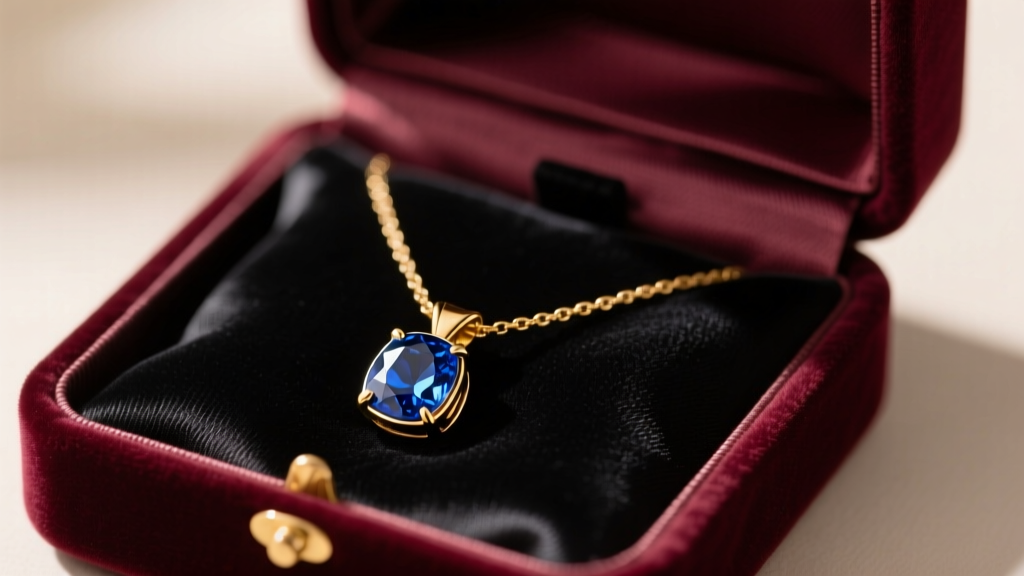
The Art of Gifting a Necklace With Stone Pendant in 2026
Gifting jewelry is a timeless gesture, but the modern buyer demands more than just a pretty sparkle. In 2026, a necklace with stone pendant remains one of the most highly searched and deeply appreciated gifts, bridging the gap between everyday wearability and milestone significance. However, the market is saturated with mass-produced pieces that prioritize aesthetics over structural integrity and gemological quality. Whether you are shopping for an anniversary, a milestone birthday, or a graduation, understanding the nuances of stone durability, metal grading, and chain mechanics is the difference between a gift that lasts a lifetime and one that breaks within a month.
This comprehensive guide cuts through the marketing fluff. We will explore exact material grades, setting types suited for different lifestyles, and the specific chain gauges required to support the weight of a stone pendant safely.
Decoding the Recipient: Matching Stone to Occasion
The most common mistake gift-givers make is selecting a stone based solely on color preference rather than considering the recipient's lifestyle and the occasion's significance. Gemstones are measured on the Mohs Hardness Scale, which dictates how well a stone resists scratching and chipping. For an active recipient who wears jewelry daily, gifting an opal (Mohs 5.5-6.5) or a tanzanite (Mohs 6-7) in a pendant is a recipe for heartbreak. Instead, opt for corundum (sapphire/ruby) or spinel.
| Occasion | Recommended Stone | Mohs Hardness | Ideal Setting | Avg. Price Range |
|---|---|---|---|---|
| 1st Anniversary | Garnet or Peridot | 7.5 - 8 | Bezel or 6-Prong | $150 - $450 |
| Milestone Birthday | Lab-Grown Sapphire | 9 | 4-Prong Cathedral | $600 - $2,200 |
| Graduation / New Job | Raw Herkimer Diamond | 7.5 | Wire-Wrapped / Cage | $90 - $250 |
| Push Present | Emerald (Oiled) | 7.5 - 8 | Halo Bezel | $1,500 - $5,000+ |
Pro-Tip: Lab-grown stones have completely disrupted the 2026 market. A lab-grown sapphire possesses the exact same chemical and physical properties as a mined sapphire but costs 40-60% less, allowing you to gift a significantly larger carat weight for the same budget.
Settings and Metals: What Separates Fine Gifts from Costume
The setting of your necklace with stone pendant is the unsung hero of the piece. It secures the investment and frames the gem.
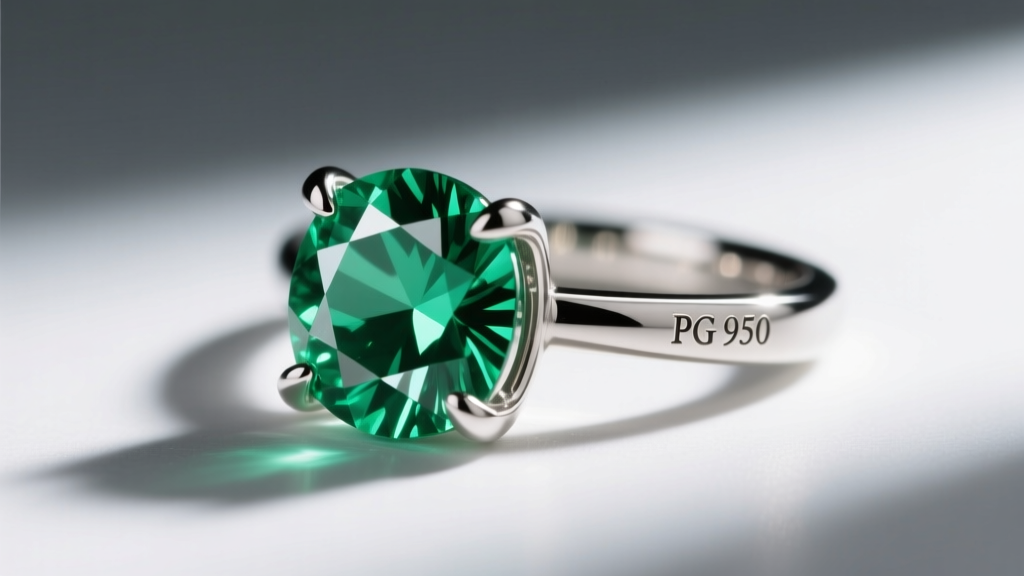
Prong vs. Bezel: A Lifestyle Decision
- Prong Settings: Allow maximum light return, making the stone appear more brilliant. However, prongs can catch on knitwear and hair. If the recipient is a nurse, teacher, or frequently wears sweaters, prongs require annual maintenance to ensure they haven't lifted.
- Bezel Settings: A rim of metal completely surrounds the girdle of the stone. This is the ultimate choice for active lifestyles. A bezel setting adds approximately 15% to the metal weight of the pendant but reduces the risk of stone loss by nearly 90%.
Metal Grades and Stamps
Always verify the metal stamp. According to the Federal Trade Commission's jewelry guidelines, precious metals must be accurately stamped. Look for 750 (18k gold), 585 (14k gold), or PT950 (platinum). Avoid gifting gold-plated or vermeil pendants for major milestones; the plating will eventually wear off, exposing the brass or silver base metal, which can cause skin discoloration and allergic reactions.
Chain Mechanics: Sizing and Tensile Strength
A beautiful pendant is useless if the chain snaps. The weight of the stone pendant dictates the necessary chain gauge and link style.
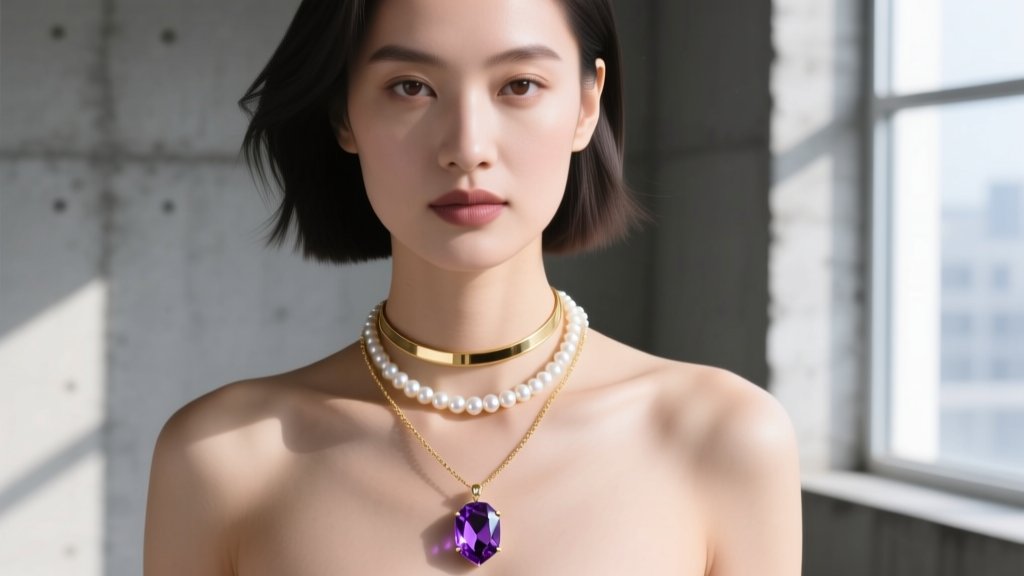
Choosing the Right Link Style
Not all chains are created equal. The structural integrity of the chain link determines its lifespan under the pendulum motion of a pendant.
- Wheat (Spiga) Chains: The gold standard for stone pendants. The woven, braided structure distributes weight evenly and is highly resistant to kinking and snapping. Ideal for pendants weighing 3 to 8 grams.
- Cable Chains: Classic and reliable, provided the gauge is thick enough (minimum 1.2mm for medium pendants). Ensure the jump ring at the clasp is soldered shut.
- Snake & Box Chains: Avoid these for heavy pendants. Snake chains are notoriously prone to kinking, and once kinked, the structural integrity is permanently compromised. Box chains can easily dent and snap at the solder points if the pendant is too heavy.
Length and Neckline Matching
When gifting, the 18-inch chain is the universal standard, resting perfectly on the collarbone and accommodating most necklines from V-necks to crew necks. If you are unsure of the recipient's preference, purchase a pendant that comes with an adjustable 16-to-18-inch chain featuring a silicone-backed sliding clasp or a traditional 2-inch extender chain.
Red Flags to Avoid When Shopping
"If a deal on a natural ruby or emerald pendant seems too good to be true, the stone has likely been subjected to aggressive fracture-filling or dye treatments that drastically reduce its value and durability."
When shopping for a necklace with stone pendant, beware of the following retail traps:
- Hollowed-Out Bails: The bail is the loop that connects the pendant to the chain. If it feels unusually light, it may be hollow-cast. Heavy stones will wear through thin, hollow bails within a year.
- Glued Settings: Inspect the gallery (the underside) of the pendant. If you see cloudy residue or the stone sits in a completely closed-back cup without prongs, the stone is likely glued. Heat and ultrasonic cleaners will destroy this piece.
- 'Created' or 'Simulated' Ambiguity: 'Lab-grown' or 'created' means it has the same chemical makeup as a natural stone. 'Simulated' means it is just colored glass or cubic zirconia. Know the difference before paying a premium.
Final Thoughts on Gifting
A necklace with stone pendant is more than an accessory; it is a wearable artifact of a specific moment in time. By prioritizing a Mohs-appropriate gemstone, a secure bezel or reinforced prong setting, and a structurally sound wheat or cable chain, you ensure your 2026 gift becomes a lasting heirloom rather than a fleeting trend.


