How to Choose the Perfect Confirmation Necklace: Metals & Meanings
Discover how to choose a meaningful confirmation necklace. Explore durable metals, symbolic pendants, and ideal chain lengths for this sacred milestone.

The Spiritual and Emotional Significance
The Sacrament of Confirmation is a profound milestone in the Christian faith, marking the transition into spiritual adulthood and a deeper, more personal commitment to one's beliefs. Gifting a confirmation necklace is a time-honored tradition that provides the recipient with a tangible, daily reminder of this sacred covenant. Unlike temporary gifts, a well-crafted piece of religious jewelry can last a lifetime, serving as both a beautiful accessory and a profound spiritual anchor.
However, selecting the right piece requires more than just picking a pretty cross or dove from a display case. Because confirmation necklaces are often worn daily, they must withstand the rigors of everyday life—showering, swimming, exercising, and sleeping. According to the United States Conference of Catholic Bishops (USCCB), the symbols we wear should reflect a deep understanding of the sacraments, meaning the theological accuracy of the pendant is just as important as its physical durability. This comprehensive buying guide will walk you through the exact metallurgical specifications, chain mechanics, and symbolic meanings you need to know to choose a confirmation necklace that will truly stand the test of time.
Choosing the Right Metal for Everyday Wear
The metal you choose dictates the necklace's longevity, skin compatibility, and overall cost. Confirmation recipients are typically teenagers or young adults, meaning the jewelry will be subjected to active lifestyles, sweat, and exposure to various chemicals. Here is a deep dive into the most appropriate metals for this specific use case.
Sterling Silver (925)
Sterling silver is an alloy containing 92.5% pure silver and 7.5% copper. While beautiful and affordable, the copper content makes it highly susceptible to tarnishing when exposed to sulfur in the air, sweat, and cosmetics. If you choose sterling silver, look for pieces that feature a thick rhodium plating. Rhodium is a platinum-group metal that provides a brilliant, tarnish-resistant shield over the silver. Be aware that this plating will eventually wear off (usually within 1 to 3 years of daily wear) and will require professional re-plating.
14k vs. 18k Gold
Gold is the premium choice for a lifelong confirmation necklace. According to the Gemological Institute of America (GIA), pure 24k gold is too soft for daily-wear chains and will easily stretch or break. Therefore, it must be alloyed with other metals.
- 18k Gold (75% pure): Offers a rich, deep yellow color and excellent hypoallergenic properties, but is softer and more prone to micro-scratches.
- 14k Gold (58.5% pure): The undisputed champion for everyday durability. The higher alloy content (often copper, zinc, or nickel) gives 14k gold a higher Vickers hardness, making it highly resistant to bending, kinking, and snapping.
Surgical Stainless Steel (316L)
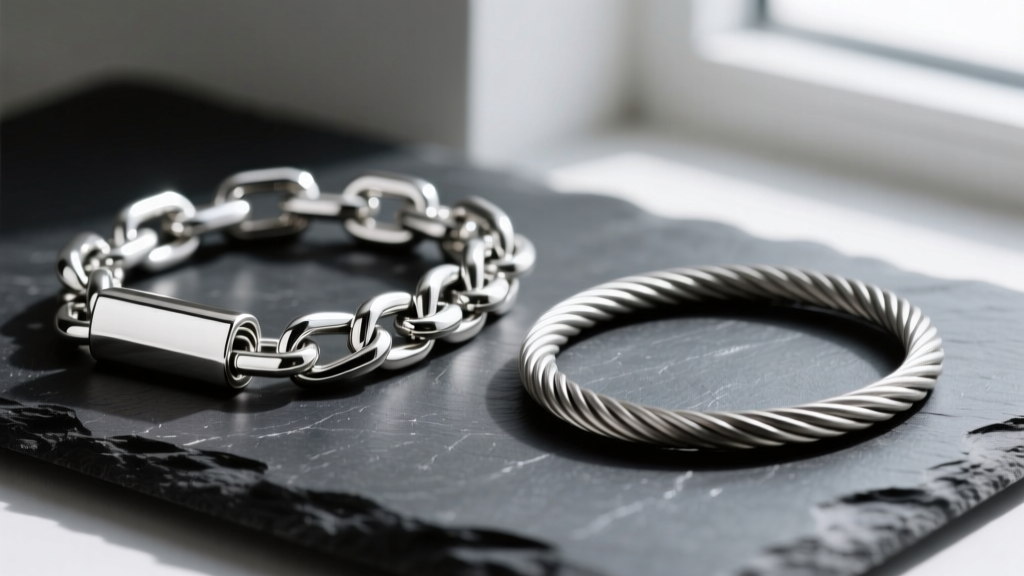
For budget-conscious buyers, 316L surgical stainless steel is an exceptional alternative. It contains molybdenum, which drastically increases its resistance to corrosion and pitting from chlorides (like sweat and pool water). It is entirely hypoallergenic, will never tarnish, and costs a fraction of precious metals. The main drawback is its gunmetal-grey undertone and the fact that it cannot be easily resized or soldered by a traditional jeweler if the chain breaks.
| Metal Type | Durability & Hardness | Tarnish Resistance | Average Price Range | Best For |
|---|---|---|---|---|
| 14k Solid Gold | Excellent (High Vickers Hardness) | 100% Tarnish-Proof | $150 - $600+ | Lifelong daily wear, heirloom gifts |
| 18k Solid Gold | Good (Softer, prone to scratching) | 100% Tarnish-Proof | $250 - $900+ | Special occasion wear, rich color |
| Rhodium-Plated 925 Silver | Fair (Can dent or scratch) | High (Until plating wears off) | $40 - $120 | Teens, budget-friendly traditional gifts |
| 316L Stainless Steel | Exceptional (Highly scratch-resistant) | 100% Tarnish-Proof | $25 - $65 | Active lifestyles, strict budgets |
Selecting the Perfect Pendant Symbol
The pendant is the focal point of the confirmation necklace and carries the theological weight of the gift. While the cross is universally recognized, confirmation specifically celebrates the sealing of the Holy Spirit. Therefore, other symbols may be more appropriate for this specific sacrament.
The Dove and the Tongues of Fire
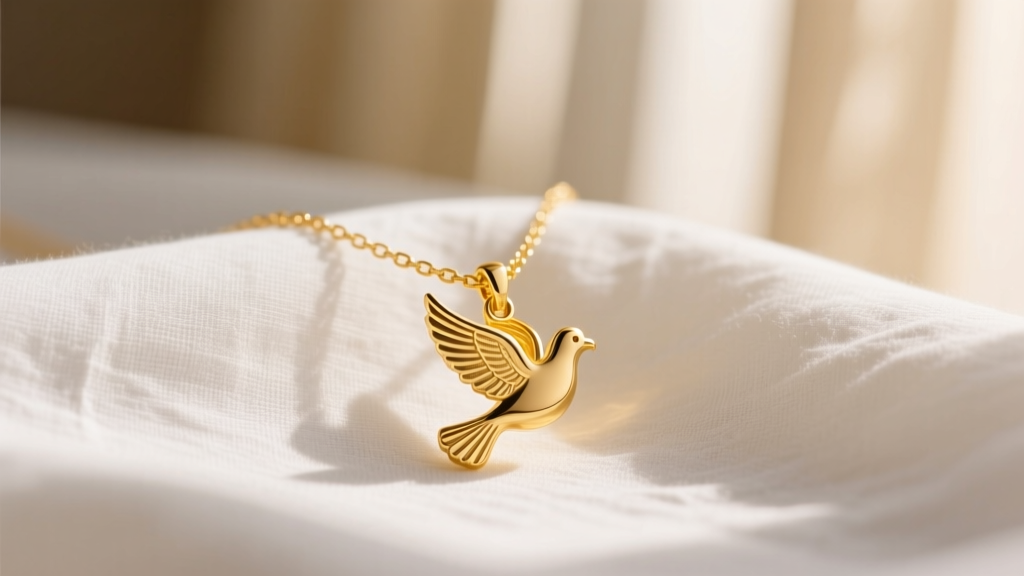
The dove is the most direct symbol of the Holy Spirit, descending upon the apostles at Pentecost. A sleek, minimalist dove pendant is highly popular for modern confirmation necklaces. Some artisans incorporate tiny rubies or red enamel accents to represent the "tongues of fire" mentioned in the Acts of the Apostles. When buying a dove pendant, ensure the bail (the loop connecting it to the chain) is soldered shut so it doesn't slip off the chain during wear.
The Confirmation Saint Medal
During the sacrament, the confirmand chooses a saint's name, adopting them as a spiritual patron. Gifting a medal of their chosen saint is an incredibly personalized and deeply meaningful choice. These medals are typically round or oval and feature a high-relief profile of the saint. Look for medals struck with a "miraculous" or detailed die-strike process rather than cheap cast molds, which lack facial detail and wear down quickly.
The Traditional Cross or Crucifix
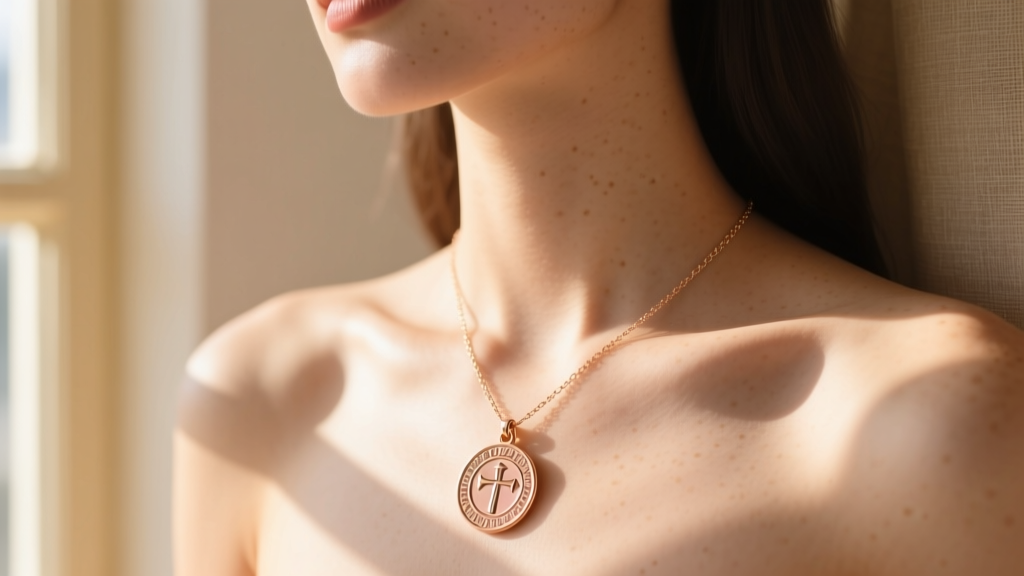
While often associated with Baptism or First Communion, a cross remains a powerful symbol of the overarching Christian faith. For confirmation, consider stepping away from the standard plain Latin cross and opting for a Jerusalem Cross (symbolizing the five wounds of Christ and the spread of the Gospel) or a Celtic Cross, which offers a unique, interwoven aesthetic that appeals to older teens and young adults.
Chain Length, Thickness, and Clasp Hardware
A beautiful pendant is useless if the chain holding it is poorly engineered. The structural integrity of the chain and its hardware is where most low-quality religious jewelry fails.
Dialing in the Length
For teenagers and adults, an 18-inch chain is the gold standard. It rests perfectly on the collarbone, allowing the pendant to sit visibly outside the neckline of most t-shirts and blouses. A 16-inch chain will sit too high, resembling a choker, while a 20-inch or 24-inch chain will cause the pendant to swing too low, increasing the risk of it catching on objects and snapping the chain.
Thickness and Chain Style
Do not buy a chain thinner than 1.0mm. A 0.8mm chain might look delicate in the jewelry case, but it will easily snap if the pendant gets tugged. The ideal thickness for a confirmation necklace is between 1.2mm and 1.5mm. Regarding style, box chains are vastly superior to cable or rope chains for daily-wear pendants. The square, interlocking links of a box chain distribute weight evenly and are highly resistant to kinking. Cable chains, while classic, tend to twist and kink over time, which weakens the soldering points of the links.
The Clasp: Spring Ring vs. Lobster Claw
Always inspect the clasp. Spring ring clasps (the perfectly circular ones with a tiny lever) are notoriously difficult to operate with one hand and contain a microscopic internal spring that frequently fails. Insist on a lobster claw clasp. Lobster clasps are teardrop-shaped, feature a heavier internal spring, and offer a much more secure, user-friendly grip. For premium gold necklaces, some jewelers offer magnetic clasps, but these are generally unnecessary for lightweight pendants and can accidentally detach if pulled.
Engraving and Personalization
To elevate the confirmation necklace from a standard piece of jewelry to a cherished heirloom, consider custom engraving. Because confirmation pendants are usually small (ranging from 10mm to 18mm), space is at a premium.
- Back of the Pendant: Engraving the date of the sacrament (e.g., "05.18.2026") or the confirmand's chosen saint name in a clean, sans-serif block font ensures legibility.
- Clasp Tag: If the pendant is too small or features intricate enamel work that cannot be laser-engraved, opt for a chain that includes a flat tag near the clasp. This is an ideal spot for a short scripture reference, such as "Acts 2:4" or a single meaningful word like "Grace."
Care and Maintenance for Longevity
Even the most durable metals require basic maintenance to maintain their luster. Educate the recipient on how to care for their new necklace to ensure it lasts a lifetime.
Pro-Tip: Never use ultrasonic jewelry cleaners on confirmation necklaces that feature enamel detailing, soft gemstones (like turquoise or opal), or oxidized (blackened) recesses. The high-frequency vibrations will shatter the enamel and strip the intentional oxidation right out of the grooves.
For solid gold and stainless steel, a simple wipe down with a microfiber cloth after exposure to heavy sweat or chlorine is sufficient. Sterling silver pieces should be stored in an anti-tarnish flannel pouch when not being worn, and polished occasionally with a treated silver cloth to remove surface sulfides. Remind the recipient that putting the necklace on after applying perfumes, lotions, and hairsprays will drastically reduce the chemical buildup on the metal and any accompanying gemstones.
Choosing a confirmation necklace is an investment in the recipient's spiritual journey. By prioritizing durable metals like 14k gold or 316L steel, selecting structurally sound box chains with lobster clasps, and choosing a symbol that resonates with the theology of the Holy Spirit, you will provide a gift that honors the sanctity of the sacrament and withstands the test of time.


