The Ultimate Guide to the Joan Rivers Interchangeable Necklace
Discover how to collect, style, and maintain a vintage Joan Rivers interchangeable necklace. Learn about clasps, chains, and modular charm styling.

What is a Joan Rivers Interchangeable Necklace?
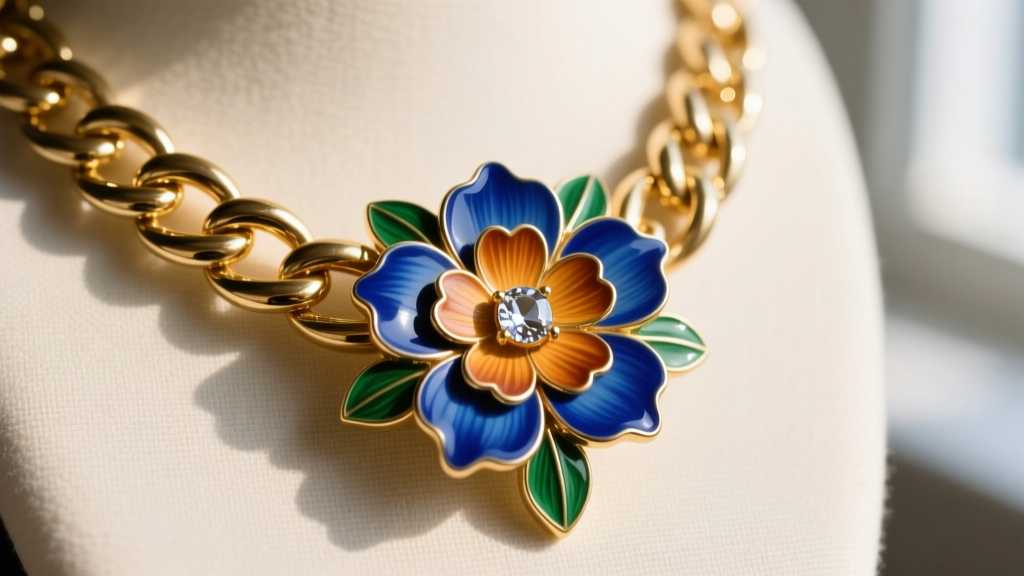
When discussing modular fashion jewelry, few names command as much respect as the late Joan Rivers. While she was a comedy icon, her secondary legacy is a massive, highly collectible fashion jewelry empire. The crown jewel of her design philosophy was the joan rivers interchangeable necklace system. Rather than selling static, single-piece necklaces, Rivers popularized a modular approach: a high-quality base chain paired with a series of detachable enhancers, pendants, and charms. This allowed women to invest in one premium chain and swap out the focal point to match different outfits, seasons, or necklines.
For beginners entering the vintage jewelry market, understanding how these systems work, what materials were used, and how to care for them is essential. This guide breaks down everything you need to know about collecting and styling these iconic modular pieces today.
The Anatomy of the Modular System
The genius of the interchangeable necklace lies in its specialized findings. A standard necklace relies on a single clasp to connect the two ends of a chain. An interchangeable system, however, requires a mechanism that allows pendants to be added or removed without unclasping the entire chain from the neck.
The Hinged Enhancer Bail
The secret component is the enhancer bail. Unlike standard soldered bails, a Joan Rivers enhancer features a hinged, snap-top mechanism. You press a small release lever or gently pry open the top loop of the bail, slide it over the links of the base chain, and snap it securely shut. Many of these bails also include a tiny figure-8 safety catch on the side to prevent the enhancer from accidentally popping open during wear.
Base Chains and Lengths
Rivers typically designed her base chains in versatile, standardized lengths to accommodate her vast library of enhancers:
- 18-Inch Princess Length: The most common base, sitting just below the collarbone. Ideal for medium-sized enamel or rhinestone pendants.
- 24-Inch Opera Length: Designed for larger, heavier statement enhancers, such as her signature Byzantine crosses or oversized faux-pearl drops.
- 30-Inch Rope Length: Often featuring a specialized toggle clasp, meant to be doubled up or worn long with cascading charm clusters.
Sourcing Authentic Vintage Pieces
Because Joan Rivers jewelry was primarily sold via QVC and department stores from the 1990s through the early 2010s, the secondary market is vast. However, condition and authenticity are paramount. According to the 1stDibs vintage archive, authentic pieces will usually bear the 'Joan Rivers' hallmark stamped on the back of the pendant or on a small hang-tag near the chain clasp.
2026 Resale Market Pricing Guide
Prices fluctuate based on rarity, the complexity of the pavé stonework, and the condition of the plating. Below is a general pricing framework for the current resale market:
| Component Type | Material / Style Example | Average Resale Price | Collector Rarity |
|---|---|---|---|
| Base Chain (18") | Antiqued Silver Link | $35 - $55 | Common |
| Base Chain (24") | Russian Gold Rope | $60 - $95 | Moderate |
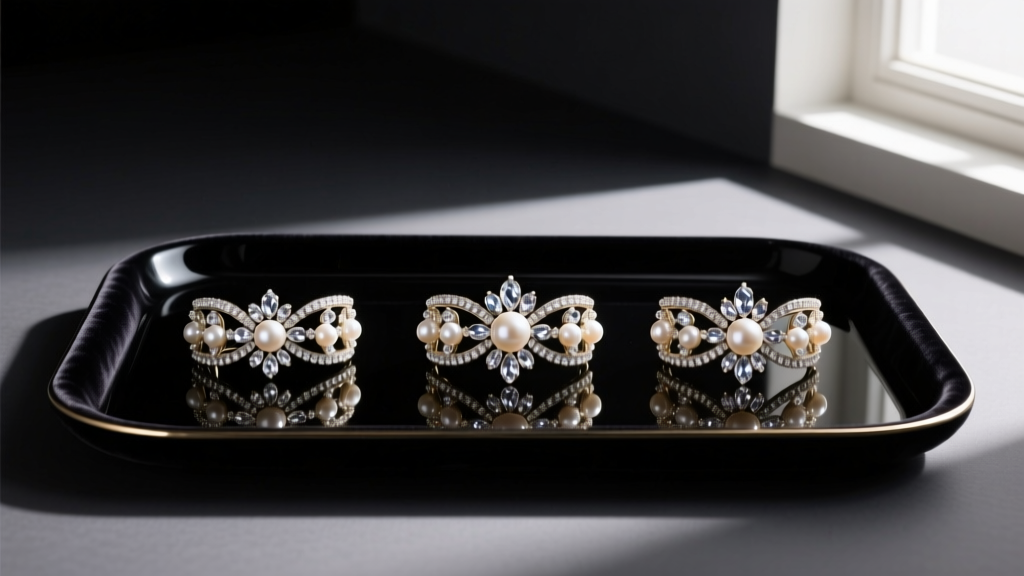
| Standard Enhancer | Faux Pearl & Crystal Floral | $45 - $85 | Common |
| Statement Enhancer | Large Enameled Butterfly | $110 - $180 | High |
| Complete Modular Set | Chain + 3 Matching Drops | $200 - $350+ | Very High |
Styling Your Interchangeable System
The primary benefit of the joan rivers interchangeable necklace is its styling versatility. By mastering a few pairings, you can maximize the visual impact of your collection.
Daytime Professional: The Russian Gold Finish
Rivers was famous for her 'Russian Gold' finish—a warm, brushed, matte gold-tone plating that mimics the look of high-karat antique gold without the reflective glare of polished brass. Pair an 18-inch Russian Gold box chain with a small, geometric enamel enhancer. This provides a sophisticated, understated focal point that sits perfectly against a silk blouse or a tailored blazer lapel.
Evening Glamour: The Rhinestone Pavé
For evening wear, swap the chain to a 24-inch antiqued silver rope and attach a heavy, pavé-set crystal enhancer. The darker silver plating creates a high-contrast backdrop that makes Aurora Borealis (AB) glass crystals and faux diamonds catch the light dramatically. Because the enhancer bail is designed to hold substantial weight, you can wear oversized, chandelier-style drops without the chain kinking or breaking.

Care and Maintenance for Vintage Enamel & Plating
Caring for vintage fashion jewelry requires a completely different approach than caring for fine solid gold or platinum. As noted by the Gemological Institute of America (GIA), costume jewelry requires gentle, non-abrasive cleaning methods to preserve glued components and delicate plating.
The 'Cold Enamel' Rule
The vibrant, opaque colors on Joan Rivers pendants are not kiln-fired vitreous enamel. They are 'cold enamel'—essentially a hard, pigmented epoxy resin. Never use hot water, steam cleaners, or harsh chemical solvents on these pieces. Heat will cause the resin to soften, cloud, or lift away from the metal base. Clean cold enamel only with a slightly damp microfiber cloth and mild dish soap, drying it immediately.
Protecting Foil-Backed Rhinestones
Many of the crystals used in the 1990s and 2000s collections are foil-backed to increase their brilliance. The foil is sealed inside the setting with adhesive. If moisture penetrates the setting, the foil will oxidize, turning the stone black or cloudy. Avoid wearing your interchangeable enhancers in high-humidity environments, and never submerge them in water.
Plating Preservation
The Russian Gold and Antiqued Silver finishes are thin electroplated layers over a brass or pewter base. Never use treated silver polishing cloths or liquid tarnish removers. These contain mild abrasives and chemicals that will strip the antique patina and the gold plating right down to the base metal. Use only a dry, untreated, ultra-soft jewelry cloth to buff away skin oils after wearing.
Troubleshooting Common Vintage Issues
When buying pre-owned modular necklaces, you may encounter mechanical wear. Here is how to handle the two most common issues:
- Stiff Enhancer Bails: If the hinged bail is difficult to open, do not force it with your fingernails, as you risk snapping the hinge pin. Apply a microscopic drop of synthetic watch oil to the hinge joint using a toothpick, let it sit for ten minutes, and gently work the hinge back and forth.
- Loose Safety Catches: The tiny figure-8 safety wire on the side of the bail can bend outward over time, failing to lock the clasp shut. Use a pair of smooth-jawed nylon pliers to gently squeeze the safety wire back into its resting groove, ensuring it clicks firmly over the latch.
Final Thoughts on Modular Jewelry
The joan rivers interchangeable necklace system remains a masterclass in functional, expressive jewelry design. By understanding the mechanics of the hinged bail, respecting the delicate nature of cold enamel and foil-backed stones, and thoughtfully mixing chains with enhancers, you can build a dynamic jewelry wardrobe that honors this iconic fashion legacy. For further reading on jewelry clasp mechanics and findings, the Fire Mountain Gems encyclopedia offers excellent visual diagrams of snap-top bails and safety catches.


