Genuine Tiger Eye Owl Necklace: Material Properties & Guide
Discover how to evaluate a tiger eye owl necklace. Compare genuine stone properties, metal settings, and chain materials for lasting quality.

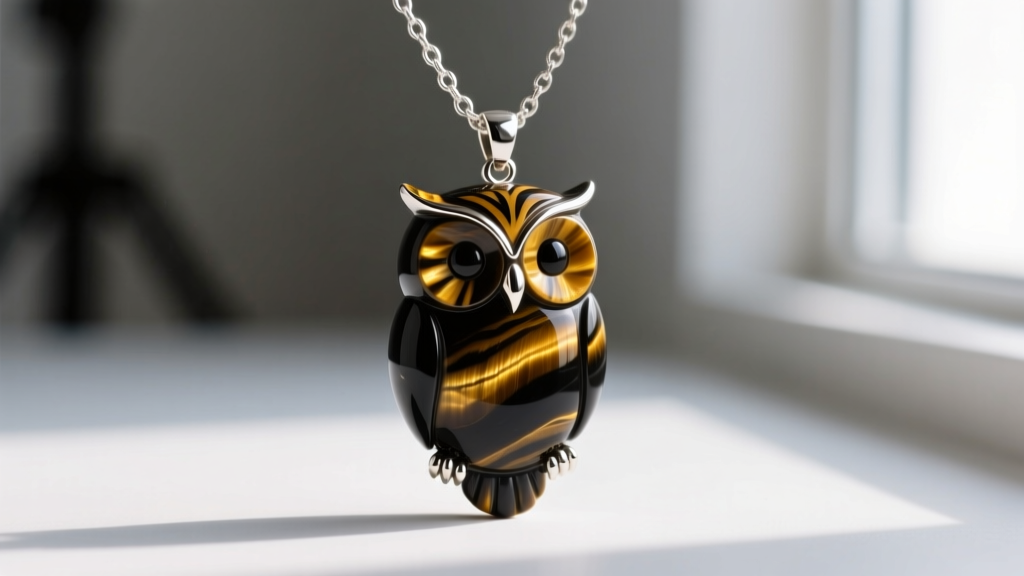
The Anatomy of a Tiger Eye Owl Necklace
The tiger eye owl necklace merges profound spiritual symbolism with striking mineralogical optics. The owl represents wisdom, mystery, and transition, while tiger’s eye—a pseudomorph of quartz after crocidolite—offers a mesmerizing chatoyancy (the "cat's eye" effect). However, the market is saturated with dyed imitations, fragile glass replicas, and poorly matched chain alloys that compromise both the aesthetic and structural integrity of the piece. To invest in a tiger eye owl necklace that lasts, you must understand the material properties governing the gemstone, the metal setting, and the supporting chain.
Mineralogy and Authenticity: Evaluating the Tiger’s Eye
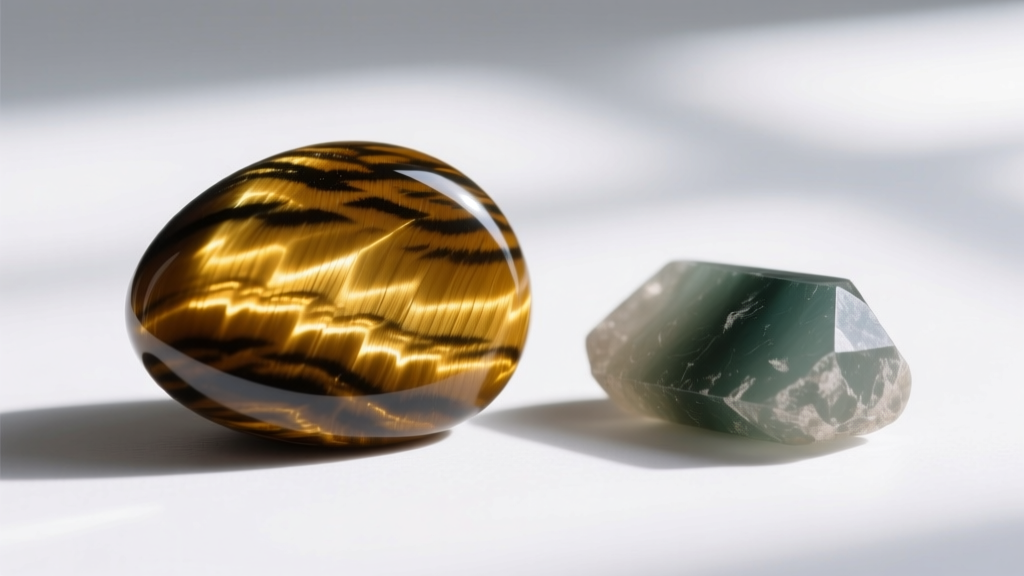
Genuine tiger’s eye forms when silica-rich groundwater replaces the fibrous blue asbestos mineral crocidolite, preserving the fibrous structure while introducing iron oxide, which creates the golden-brown hues. According to Mindat.org, this specific pseudomorphic process gives the stone its signature optical phenomenon. When carving an owl pendant, a master lapidary must orient the fibrous bands horizontally across the owl's "eyes" to maximize the reflective flash. If the stone is cut off-axis, the pendant will appear dull and opaque.
Material Comparison Matrix
Use this data table to verify the authenticity of your tiger eye owl pendant. Imitations fail across multiple physical properties.
| Material | Mohs Hardness | Specific Gravity | Refractive Index | Visual Traits & Price Range |
|---|---|---|---|---|
| Genuine Tiger's Eye | 7.0 | 2.64 - 2.71 | 1.544 - 1.553 | Sharp, directional light bands. Natural inclusions. ($45 - $150+) |
| Dyed Quartz | 7.0 | 2.65 | 1.544 - 1.553 | Unnatural, overly saturated colors. Lacks fibrous chatoyancy. ($15 - $30) |
| Chatoyant Glass | 5.5 - 6.0 | 2.40 - 2.60 | 1.50 - 1.70 | Contains air bubbles. Uniform, artificial "eye" stripe. Feels lighter. ($10 - $25) |
| Resin / Plastic | 2.0 - 3.0 | 1.05 - 1.20 | 1.55 - 1.60 | Extremely lightweight. Warm to the touch. Painted surface effect. ($5 - $15) |
Metal Settings: Securing the Carved Owl Motif
Because tiger’s eye is relatively hard (Mohs 7) but possesses distinct cleavage planes where the fibrous structures meet, it is prone to chipping at sharp edges. An owl pendant features intricate carvings—beaks, wing tips, and talons—that require protective metal framing.
Sterling Silver (925) vs. Brass vs. Gold Vermeil
- Sterling Silver (925): The industry standard for mid-tier to high-end gemstone jewelry. It provides excellent tensile strength for bezel settings and complements the golden-brown bands of the tiger's eye without clashing. However, silver sulfide tarnish is inevitable. Look for rhodium-plated 925 silver to delay oxidation.
- Raw Brass / Bronze: Often used in bohemian or artisan-cast owl necklaces. Brass is highly malleable, allowing for deep, intricate wax-cast carvings of owl feathers. The downside is copper oxidation, which can cause green skin discoloration due to the acidic reaction with sweat. A clear jeweler's lacquer coating is mandatory for brass pendants worn against the skin.
- Gold Vermeil (over Silver): Vermeil requires a minimum of 2.5 microns of 10k (or higher) gold over a sterling silver base. It offers the warmth of solid gold, which harmonizes beautifully with the iron-rich hues of tiger's eye. Avoid standard "gold plated" brass, as the plating will wear off the high-friction areas of the owl's wings within months.
Chain Tensile Strength and Gauge Selection
A common failure point in tiger eye owl necklaces is the chain snapping under the pendant's weight. Tiger's eye is a dense silicate. A standard 30mm x 25mm carved owl pendant can easily weigh between 18 and 28 grams. Standard 20-gauge or 22-gauge fashion chains will stretch, kink, and eventually snap at the soldered jump ring.
Expert Rule of Thumb: For any stone pendant exceeding 15 grams, the chain wire gauge must be 18-gauge (1.02mm) or thicker, and the jump ring connecting the pendant to the chain must be soldered shut, not merely twisted closed.
Recommended Chain Weaves for Heavy Pendants
According to the Gemological Institute of America (GIA), proper mounting and support are critical for preserving heavy cabochons and carvings. When selecting your chain, prioritize structural weaves:
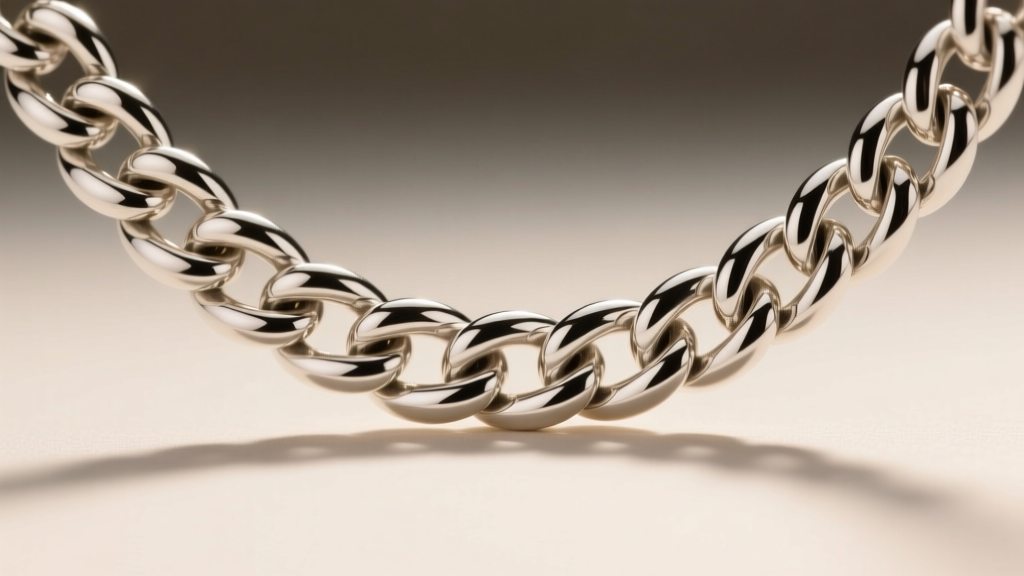
- Wheat (Spiga) Chain: Features tightly woven, interlocking oval links that distribute weight evenly. An 18-gauge wheat chain offers exceptional tensile strength and resists kinking, making it the premier choice for heavy owl pendants.
- Box Chain: Composed of square links connected at 90-degree angles. While strong, box chains can become stiff and trap skin hair if the links are too small. Opt for a 16-gauge (1.2mm) box chain for optimal drape and strength.
- Rolo Chain: Made of alternating round or oval links. While classic, the circular links bear stress on a single plane. If using a rolo chain, ensure the links are thick and the wire is at least 14-gauge (1.6mm) to prevent elongation over time.
Long-Term Care Based on Material Composition
Maintaining the optical brilliance of your tiger eye owl necklace requires specific care protocols dictated by its material properties.
- Avoid Ultrasonic Cleaners: While tiger's eye is hard, the fibrous inclusions can harbor microscopic fractures. High-frequency ultrasonic vibrations can cause these internal fractures to propagate, resulting in a cracked pendant. Furthermore, ultrasonic waves will strip rhodium plating from sterling silver settings.
- Chemical Sensitivity: Tiger's eye contains iron oxide. Prolonged exposure to harsh chemicals, chlorine, or acidic cleaners can cause the iron to react, leading to a dull, chalky surface that destroys the chatoyancy. Clean only with a damp microfiber cloth and mild, phosphate-free soap.
- Storage: Store the necklace flat. Because tiger's eye shares a Mohs 7 hardness rating with quartz and amethyst, tossing it into a jewelry box with harder stones (like sapphire or diamond, Mohs 9-10) will result in severe surface scratching, permanently dulling the carved details of the owl's feathers.
By prioritizing genuine mineralogical properties, selecting appropriate metal alloys, and matching the chain gauge to the pendant's specific gravity, you ensure your tiger eye owl necklace remains a durable, striking artifact for decades.


