Western Cross Necklace Style Guide: 2026 Trend Analysis
Explore the 2026 western cross necklace trend. Discover material grades, styling frameworks, and sizing guides for this iconic Americana staple.

The Evolution of the Western Cross Necklace in 2026
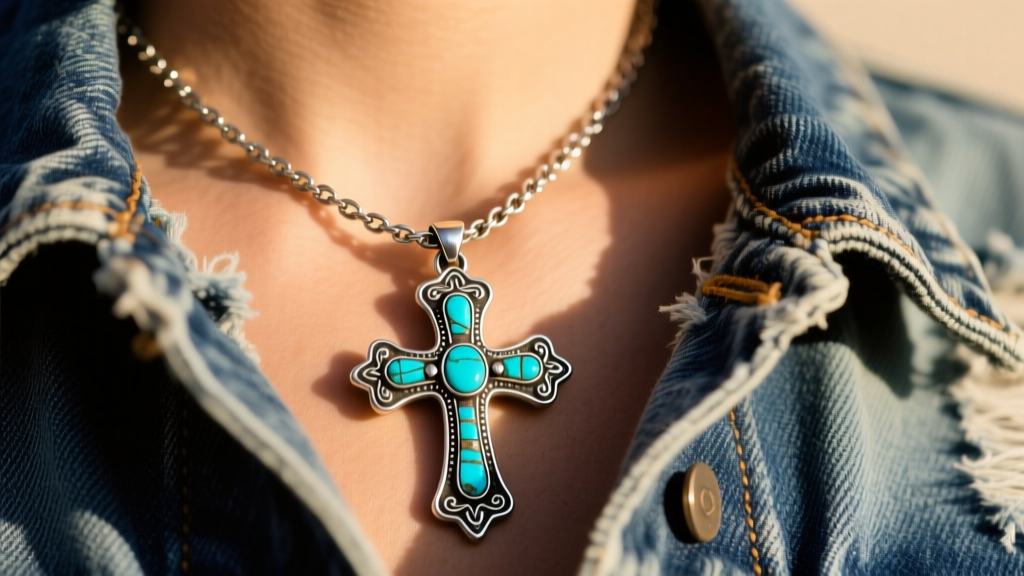
The western cross necklace has undergone a radical transformation over the last decade. Once relegated to the realm of costume festival wear and heavy metal subcultures, 2026 marks the year this iconic silhouette has firmly cemented itself within the "refined Americana" and "dark southwestern" aesthetics. Today's discerning collectors and style enthusiasts are moving away from mass-produced, lightweight alloy pendants, seeking instead artisan-crafted pieces that honor traditional metallurgy and authentic gemstone sourcing.
This shift is largely driven by a broader fashion movement that values heritage craftsmanship and regional storytelling. The modern western cross is no longer just a religious symbol or a biker staple; it is a sartorial anchor piece that bridges rugged utilitarianism with high-end jewelry design. Whether featuring intricate Navajo-inspired silver stamp work or minimalist, architectural wire-wrapping, the contemporary western cross demands a deep understanding of materials, proportions, and layering techniques to be worn effectively.
Material Science: Silver, Brass, and Turquoise
The authenticity of a western cross necklace relies heavily on its material composition. In 2026, the market is strictly divided between heritage metals and natural gemstones, with synthetic alternatives being largely rejected by serious collectors.
Oxidized Sterling Silver and Filigree
The backbone of the southwestern and western gothic aesthetic is 925 sterling silver. However, it is the surface treatment that defines the "western" look. Artisans utilize liver of sulfur to intentionally oxidize the silver, creating a dark, gunmetal-grey patina that settles into the crevices of filigree scrollwork and hand-stamped motifs. According to the Society of American Silversmiths, this controlled oxidation not only provides the desired high-contrast, antique visual but also adds a layer of protection against environmental tarnishing. When evaluating a piece, look for deep, almost black recesses contrasting with high-polish raised edges—a hallmark of hand-finished artisan work.
Turquoise Grading: Sleeping Beauty vs. Kingman
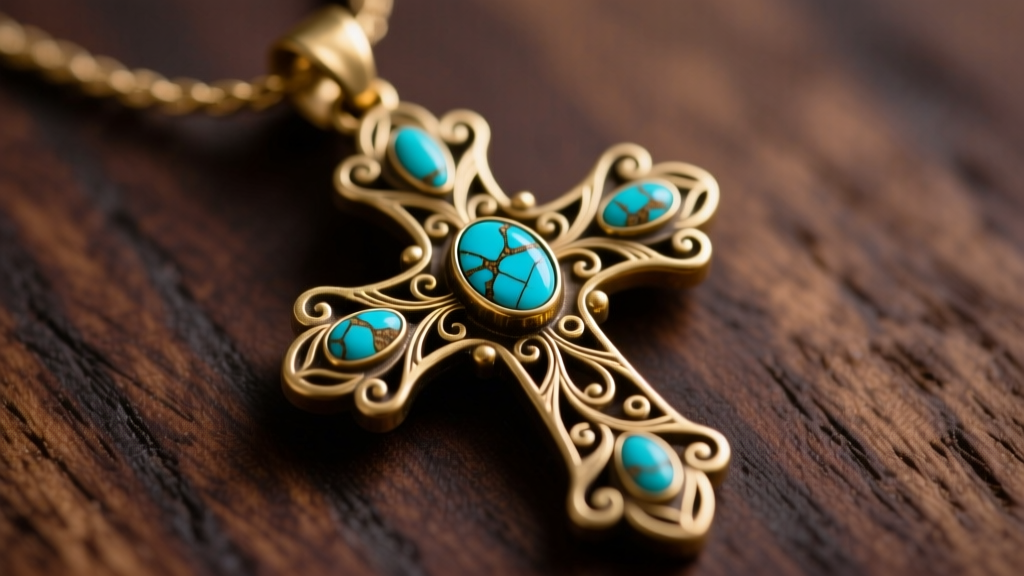
Turquoise inlay remains the most sought-after embellishment for western cross pendants. However, not all turquoise is created equal, and understanding the provenance is critical for both aesthetic and investment purposes. The Gemological Institute of America (GIA) notes that natural, untreated turquoise is becoming increasingly rare and valuable.
- Sleeping Beauty Turquoise: Mined in Arizona, this stone is prized for its pure, robin's-egg blue color and complete lack of matrix (the host rock webbing). It is the preferred choice for sleek, modern western crosses that require uniform, vibrant inlays.
- Kingman Turquoise: Also from Arizona, Kingman stones are famous for their deep, electric blue hue intersected by striking black or brown pyrite matrix. This variety is heavily favored in rustic, heavy-gauge silver crosses where the organic webbing complements the rugged metalwork.
Beware of "Zachery-treated" or dyed howlite imitations, which flood the lower-tier market. A genuine western cross from a reputable silversmith will always disclose the specific mine origin of its turquoise.
Proportions and Hardware Pairings
A common styling failure occurs when the chain gauge and length do not properly support the visual weight of the cross pendant. A heavy, 3-inch solid silver cross will snap a delicate 1mm chain, while a massive rope chain will completely overpower a minimalist turquoise-inlaid piece. Below is a structural framework for pairing western crosses with appropriate hardware.
| Pendant Style & Weight | Ideal Chain Type | Chain Gauge / Width | Recommended Length |
|---|---|---|---|
| Heavy Solid Silver Cross (2.5"+ drop, 40g+) | Wheat or Rope Chain | 3.5mm - 5.0mm | 22" - 26" |
| Standard Turquoise Inlay Cross (1.5" - 2" drop) | Box or Curb Chain | 2.0mm - 3.0mm | 20" - 24" |
| Minimalist Wire-Wrapped Cross (Under 1.5" drop) | Round Leather Cord | 2.0mm - 3.0mm | 24" - 28" |
| Vintage Brass / Bronze Cross | Hand-Linked Chainmail | 4.0mm+ | 28" - 32" |
For leather cords, ensure the clasp mechanism is a sterling silver or brass bayonet clasp, rather than cheap base-metal lobster claws, which detract from the heritage aesthetic and are prone to corrosion from skin oils.
2026 Styling Frameworks: How to Wear It Now
The integration of the western cross necklace into contemporary wardrobes requires a departure from the "head-to-toe cowboy" costume approach. The 2026 trend analysis points toward juxtaposition—mixing rugged western elements with tailored, urban, or avant-garde silhouettes.
The "Dark Southwestern" Layer
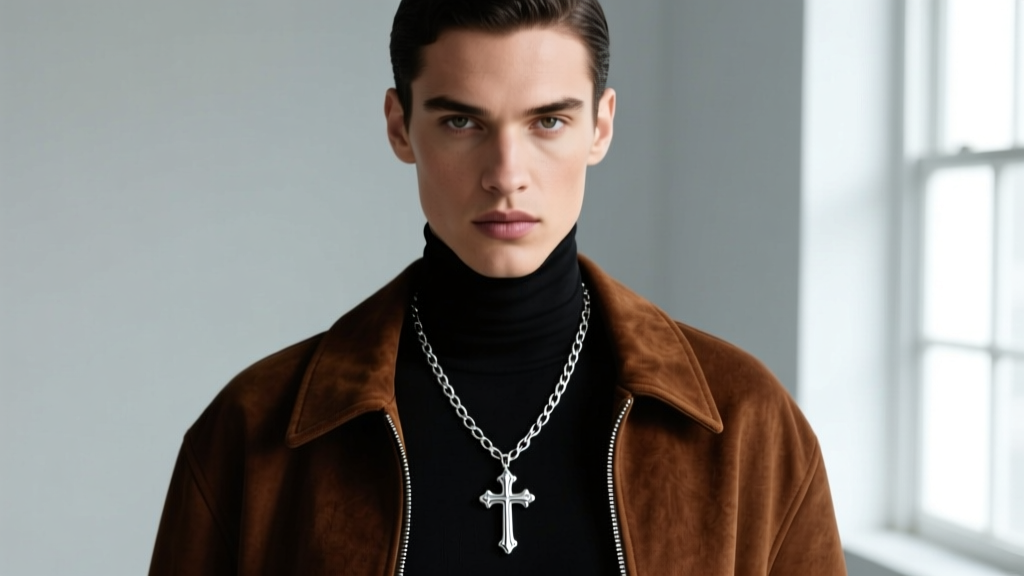
This styling framework leans into the gothic and moody aspects of western wear. Pair a heavily oxidized, elongated silver cross (featuring black onyx or dark matrix turquoise) with a 24-inch blackened silver rope chain. Layer this over a charcoal merino wool turtleneck or a distressed black leather moto jacket. The key here is tonal consistency; the dark metals blend seamlessly with the dark textiles, allowing the intricate silver scrollwork to catch the light subtly. Add a secondary, shorter 18-inch chain featuring a simple silver bead or small turquoise nugget to create a staggered "V" formation that draws the eye downward.
Refined Americana Minimalism
For a more subdued, office-appropriate, or high-fashion approach, opt for a smaller, geometric western cross crafted from high-polish 14k yellow gold or brass, devoid of heavy oxidation. Suspend it on a delicate 20-inch box chain and wear it against a crisp, unbuttoned white Oxford shirt or a lightweight camel suede overshirt. This approach strips the western cross of its rugged connotations, elevating it to a piece of refined, architectural jewelry that hints at regional heritage without shouting it.
Investment Tiers and Pricing Guide
Understanding the pricing landscape is essential for acquiring a piece that holds both stylistic and material value. The market for western cross necklaces in 2026 is segmented into three distinct tiers:
- Fashion & Costume Tier ($30 - $80): Typically made from brass or zinc alloys with a thin silver or gold plating. Turquoise is usually dyed howlite or reconstituted stone dust. While acceptable for temporary trend experimentation, these pieces lack longevity and will inevitably tarnish or cause skin discoloration.
- Semi-Fine & Artisan Tier ($150 - $450): The sweet spot for most collectors. These pieces feature solid 925 sterling silver, genuine leather, and natural, untreated turquoise from recognized mines. You are paying for the silversmith's labor, hand-stamping, and authentic materials. Brands and independent artisans operating out of New Mexico, Arizona, and Texas dominate this space.
- Fine & Heritage Tier ($600 - $2,500+): Reserved for master silversmiths and Native American artisans (such as Navajo or Zuni craftspeople). These pieces utilize heavy-gauge sterling silver, 14k/18k gold accents, and museum-grade turquoise or coral. They are often signed, hallmarked, and appreciate in value over time, functioning as wearable investments.
Final Thoughts on the Western Revival
The western cross necklace in 2026 is a testament to the enduring power of regional jewelry design when adapted for a modern, global audience. By prioritizing authentic materials like oxidized sterling silver and natural turquoise, and by carefully considering chain proportions and styling juxtapositions, you can elevate this iconic piece from a mere accessory to a cornerstone of your personal style narrative. Whether you lean into the dark, rugged aesthetics of the frontier or the clean lines of modern Americana, the western cross remains a powerful, versatile emblem of craftsmanship.


