How to Decode Pearl Necklace Slang: A Buyer's Guide
Master pearl necklace slang with our step-by-step buyer's guide. Decode TikTok terms, food-shaped pearls, and gemological jargon to shop smart.

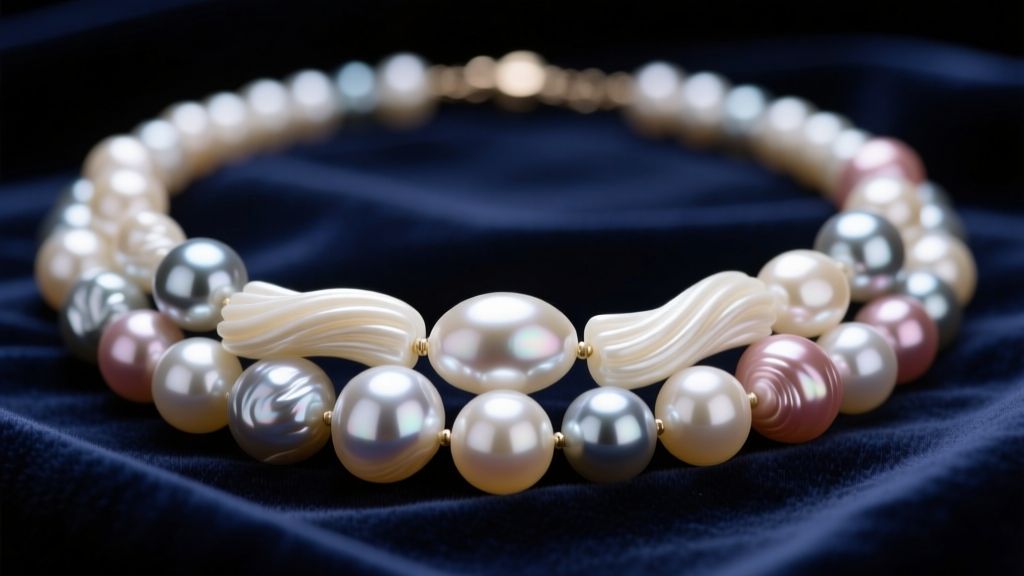
If you have recently searched for "pearl necklace slang," you likely already know that the phrase historically pointed to NSFW internet jokes. However, as we navigate the 2026 jewelry market, the industry and Gen Z fashion communities have completely reclaimed the terminology. Today, pearl slang refers to the hyper-specific, often food-based vocabulary used on TikTok, Depop, and Instagram to describe baroque and cultured pearl shapes. While traditional jewelers rely on strict gemological classifications, modern online sellers and influencers use colloquial slang that can easily confuse buyers or be weaponized by dropshippers to mask low-quality synthetic beads.
If you want to build a curated, authentic collection without getting scammed by buzzwords, you need a translation matrix. This step-by-step guide will teach you how to decode pearl necklace slang, understand the gemological realities behind the memes, and confidently vet sellers.
Step 1: Separate Internet Aesthetics from Gemological Reality
The first step in decoding modern pearl terminology is distinguishing between aesthetic slang and material slang. Terms like "Pearlcore" or "Mermaidcore" are styling aesthetics, not pearl types. According to the Gemological Institute of America (GIA), a pearl's value is determined by its nacre quality, luster, surface cleanliness, and shape—not its TikTok hashtag.
Unscrupulous online sellers frequently use aesthetic slang to bypass material disclosures. For example, a listing for "Mermaidcore Pearlcore Necklaces" might omit the fact that the beads are actually "shell pearls" (crushed oyster shell powder glued together and coated in synthetic lacquer). Actionable Rule: Always look for the biological origin (Freshwater, Akoya, Tahitian, South Sea) alongside the aesthetic slang. If a seller only uses vibe-based terminology and avoids the word "cultured" or "freshwater," proceed with extreme caution.
Step 2: Decode the "Food" Slang (Shape Classifications)
The most prevalent pearl necklace slang in the modern market revolves around food comparisons. Because perfectly round pearls are rare and expensive, the vast majority of freshwater cultured pearls grow in irregular shapes. Instead of using the broad term "baroque," the secondary market and independent jewelers use food slang to describe specific irregularities. Here is how to translate the menu:
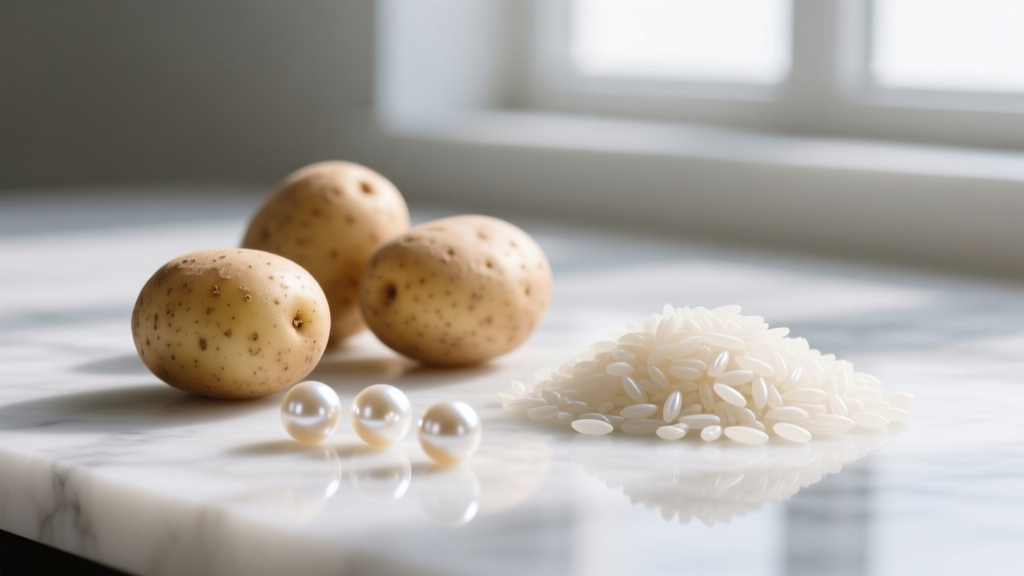
- Potato Pearls: These are irregular, bumpy, and slightly asymmetrical baroque pearls. They usually measure 5-8mm and have a lumpy, oblong appearance. They are incredibly common in affordable freshwater strands.
- Rice Pearls: Tiny, elongated, and oval-shaped. They typically measure 2-3mm in width and 5-8mm in length. Often used in multi-strand layered necklaces or delicate chokers.
- Noodle Pearls: Also known in gemological terms as "stick pearls," these are highly elongated, tube-like pearls that can reach 10-15mm in length but are only 2-4mm wide.
- Cornflake Pearls: Flat, heavily wrinkled, and deeply textured. They resemble the flaky surface of a cornflake and are prized by avant-garde designers for their light-catching ridges.
| Slang Term | Gemological Equivalent | Avg Size (mm) | Est. Price Range (16" Strand) | Best Use Case |
|---|---|---|---|---|
| Potato | Irregular Baroque | 5 - 8mm | $25 - $60 | Casual, bohemian layering |
| Rice | Oval / Elliptical | 2x5mm - 3x8mm | $30 - $75 | Delicate chokers, multi-strands |
| Noodle | Stick Pearl | 2x10mm - 4x15mm | $40 - $90 | Modern, architectural pendants |
| Cornflake | Heavily Wrinkled Baroque | 8 - 12mm (flat) | $50 - $120 | Statement pieces, mixed metals |
Step 3: Navigate the "Reclaimed" and Cultured Slang
Beyond shapes, you will encounter slang that describes the cultivation process. These terms are often misused by mass-market retailers to make cheap jewelry sound exotic.
The "Keshi" Misnomer
In Japanese, "Keshi" translates to poppy seed. True Keshi pearls are a byproduct of the culturing process where the oyster rejects the implanted bead nucleus but continues to secrete nacre, resulting in a 100% solid nacre, seedless pearl. However, modern pearl necklace slang often uses "Keshi" to describe any small, flat, or highly irregular baroque freshwater pearl. When shopping, ask the seller: "Is this a true seedless Keshi, or a tissue-nucleated baroque?" True Keshi pearls possess a deep, luminous luster due to their solid nacre composition, whereas mislabeled tissue-nucleated baroques may have a chalky finish.
Edison and Soufflé Pearls
Edison Pearls are not a brand, but a specific type of bead-nucleated freshwater pearl developed in China, known for their large sizes (10-14mm) and intense metallic colors. Slang terms like "Galaxy Edison" or "Peacock Edison" refer to their overtone colors. Soufflé Pearls are created by inserting dried mud into the pearl sac, resulting in a hollow, lightweight pearl with a striking metallic luster. Both are legitimate gemological classifications, but sellers will sometimes use "Edison-style" to sell dyed, low-grade freshwater rounds. Always verify that the color is natural.
Step 4: Vet the "Vintage" and Styling Slang
Styling slang doesn't describe the pearl itself, but rather the cultural baggage attached to the necklace's construction. Understanding these terms helps you communicate effectively with custom jewelers and vintage curators.
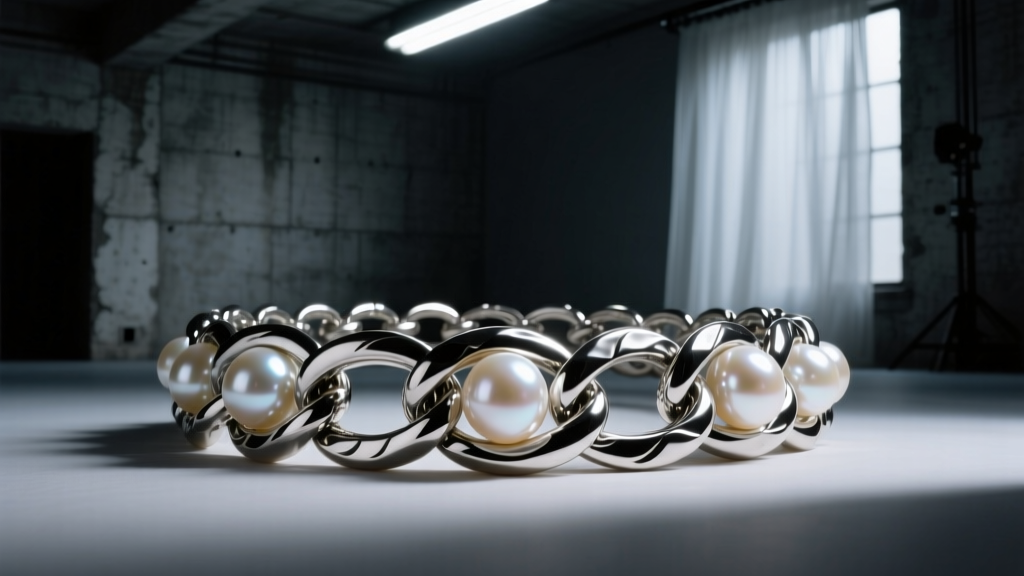
- "Mom Pearls" vs. "Cool Girl Pearls": In 2026 fashion lexicon, "Mom pearls" refers to the traditional, perfectly round, 7-8mm, 18-inch matinee strand with a small gold clasp. "Cool girl pearls" refers to asymmetrical baroque strands, choker lengths (14-15 inches), or pearls aggressively mixed with chunky oxidized silver hardware and safety-pin clasps.
- "Heirloom Strand": A slang term used on resale sites like The RealReal or Vestiaire Collective to imply age and value. Be warned: an "heirloom" strand of Akoya pearls from the 1980s may actually be worth less than a modern strand, as older pearls often suffer from nacre degradation, yellowing, and stretched silk thread. Always request high-resolution photos of the drill holes to check for nacre peeling.
Step 5: The Step-by-Step Authentication Checklist
When buying from independent sellers who heavily utilize pearl necklace slang, use this three-step physical authentication checklist the moment your package arrives. Experts at Pearl Paradise emphasize that physical testing is the only way to bypass clever marketing copy.
- The Tooth Test (Slang: "Sandy" vs. "Glassy"): Gently rub the pearl against the biting edge of your front tooth. A real cultured pearl will feel gritty or "sandy" due to the microscopic crystalline structure of its aragonite platelets. A fake (glass, plastic, or shell-coated) pearl will feel perfectly smooth or "glassy."
- The Luster Check (Slang: "Mirror" vs. "Chalky"): Hold the necklace under a bright, direct LED light. High-quality nacre will reflect a sharp, distinct image of the light source (often called "mirror luster"). If the reflection is blurry, dull, or the pearl looks opaque and "chalky," the nacre is either too thin or the pearl is a synthetic imitation.
- The Drill Hole Inspection (Slang: "Peeling" vs. "Solid"): Use a jeweler's loupe (10x magnification) to examine the drill holes. Real pearls will show a sharp, clean edge where the drill bit entered the nacre. Fakes, particularly coated glass beads, will show rounded edges, bubbling in the paint, or a clear line where the synthetic coating is "peeling" away from the glass core beneath.
Conclusion
The evolution of pearl necklace slang is a testament to how digital culture has democratized and reshaped fine jewelry. While terms like "potato," "noodle," and "cool girl pearls" make the world of gemology more accessible and fun, they should never replace rigorous material verification. By learning to translate these colloquialisms into hard gemological data—checking nacre thickness, verifying cultivation methods, and performing physical authentication tests—you can confidently navigate the modern pearl market. Whether you are hunting for a pristine strand of Akoyas or a gritty, asymmetrical baroque choker, speaking the language ensures you get exactly what you pay for.


