Milk Glass Necklace Vintage Identification Guide
Learn how to authenticate a milk glass necklace vintage piece. Discover era-specific traits, market pricing, glass disease care, and styling tips.

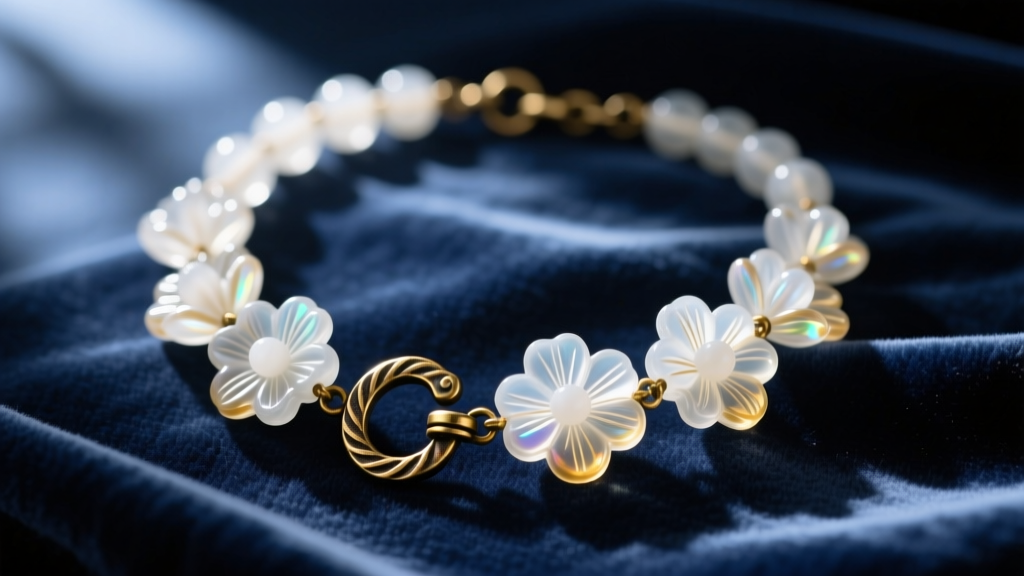
For collectors and jewelry enthusiasts alike, finding a genuine milk glass necklace vintage piece feels like uncovering a wearable artifact. With its creamy, opaque luster and rich history spanning from Venetian glassblowers to mid-century American factories, milk glass remains one of the most romantic and sought-after materials in antique jewelry. However, the market is flooded with modern reproductions masquerading as antique treasures. Whether you are browsing estate sales or online auctions, knowing how to accurately date, authenticate, and care for these delicate pieces is essential.
This comprehensive guide will walk you through the chemical makeup, era-specific design hallmarks, and structural red flags you need to know before adding a vintage milk glass pendant or strand to your collection.
The Science and History of Opaque Glass
Before diving into identification, it is crucial to understand what milk glass actually is. Unlike translucent glass, milk glass is rendered opaque through the addition of opacifiers. Historically, Venetian glassmakers in the 16th century used bone ash or tin dioxide to create lattimo (milk glass) as an affordable alternative to imported Chinese porcelain.
By the late 19th and early 20th centuries, American and European manufacturers utilized compounds like calcium fluoride, feldspar, and sometimes even arsenic to achieve that signature milky white hue. According to the Corning Museum of Glass, the specific opacifier used often dictates how the glass reacts to light and temperature over time. When held up to a strong light source, true antique milk glass often exhibits a subtle, fiery orange or reddish glow at the edges of the beads—a phenomenon known as the "ring of fire," caused by the specific mineral inclusions used in historical batches.
Decoding the Eras: A Timeline of Vintage Styles
A vintage milk glass necklace is rarely just a string of beads; its cut, molding, and metalwork tell a precise story about its decade of origin. Here is how to break down the major eras.
Victorian and Art Nouveau (1837–1910)
During the Victorian era, milk glass was frequently used as a substitute for jet in mourning jewelry, or to mimic carved cameo shell. Beads from this era are often heavily molded with intricate floral, grape, or leaf patterns. Art Nouveau pieces introduced whiplash curves and nature-inspired motifs, sometimes featuring iridescent finishes or hand-painted enamel accents on the glass. Look for heavy, ornate brass or pinchbeck settings and early C-clasps without safety catches.
Art Deco Geometry (1920s–1930s)
The Art Deco movement stripped away the floral romance in favor of stark geometry. A milk glass necklace from this era will typically feature faceted, square, or hexagonal beads. The glass was often paired with bright silver-plated filigree, chrome, or marcasite accents. Pendants from the 1920s frequently feature stepped, architectural designs or sunburst motifs, reflecting the machine-age optimism of the time.
Mid-Century Americana (1940s–1960s)
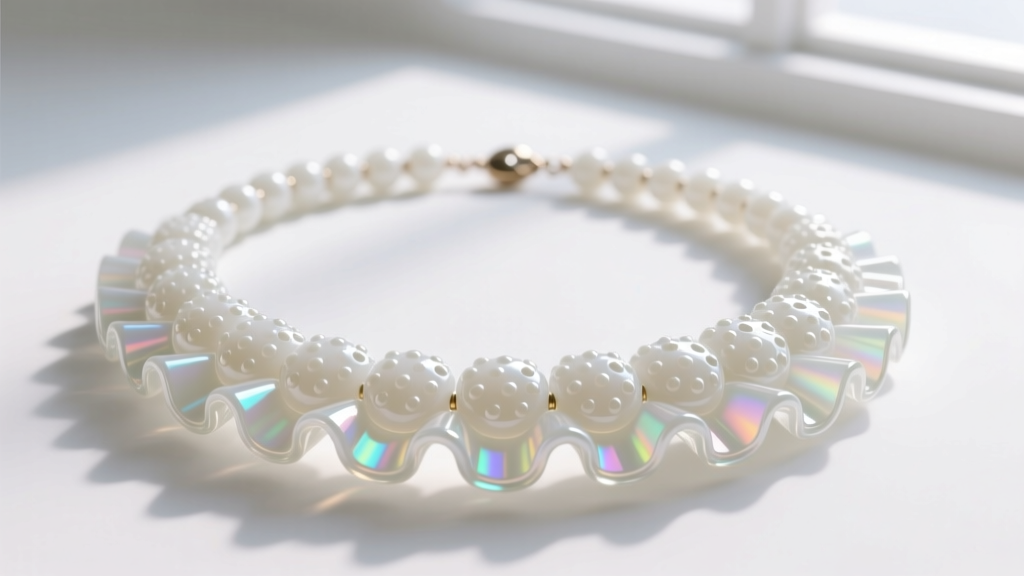
The post-war boom saw American companies like Westmoreland, Fenton, and Avon mass-producing milk glass jewelry. The defining characteristic of this era is the hobnail pattern (raised glass bumps) and ruffled or crimped bead edges. Mid-century pieces often feature heavier, more uniform bead sizing and are frequently strung on nylon rather than silk. Many of these pieces will have faint mold seams running down the sides of the beads, a hallmark of pressed glass manufacturing.
Authentication Matrix: Real Vintage vs. Modern Repro
Distinguishing a genuine milk glass necklace vintage find from a modern import requires examining the hardware and the glass texture. Use the following framework when inspecting a piece:
| Feature | True Vintage (Pre-1970) | Modern Reproduction |
|---|---|---|
| Clasp Type | C-clasp (Victorian), early spring ring, or barrel clasp with patina. | Modern lobster claw, shiny magnetic clasps, or bright gold-tone jump rings. |
| Mold Seams | Faint, sometimes polished away on high-end pieces; prominent on mid-century pressed glass. | Seamless (cast resin) or very sharp, uniform machine seams on cheap glass. |
| Temperature | Cold to the touch, takes time to warm up in the hand. | Warms up almost instantly (often indicates plastic, resin, or synthetic opalite). |
| Weight & Sound | Heavy, dense; emits a dull "clack" when beads tap together. | Lightweight; emits a high-pitched "tink" or hollow sound. |
Market Pricing and Value Tiers
The value of a vintage milk glass pendant or necklace varies wildly based on provenance, condition, and era. While platforms like Ruby Lane showcase high-end antique jewelry, estate sales often hide undervalued gems. Here is a realistic pricing breakdown for the current market:
- Tier 1: Unbranded Mid-Century Strands ($15 – $45)
Simple hobnail or round bead necklaces from the 1950s and 60s. Excellent for everyday wear and layering, though they hold little collector value. - Tier 2: Signed or Complex Art Deco Pieces ($75 – $180)
Necklaces featuring intricate silver filigree, geometric pendants, or maker's marks from companies like Trifari or Coro. Value increases if the silver plating is intact without heavy brassing. - Tier 3: Victorian & Art Nouveau Rarities ($250 – $600+)
Hand-molded floral beads, cameo-style pendants, or pieces featuring original black enamel mourning accents. These are highly sought after by serious antique collectors and museums.
Proper Care: Preventing "Glass Disease"
One of the most critical aspects of owning antique glass jewelry is understanding crizzling, commonly known as "glass disease" or "sick glass." This occurs when the alkali in the glass composition leaches out due to high humidity, leaving a cloudy, crystalline, or sticky film on the surface that cannot be washed off.
Expert Warning: Never clean vintage milk glass in an ultrasonic jewelry cleaner. The high-frequency vibrations can easily shatter antique glass along microscopic, century-old stress fractures.
To safely clean your necklace, use a soft microfiber cloth lightly dampened with distilled water (tap water minerals can exacerbate crizzling). If the necklace is strung on old, fraying silk, take it to a professional jeweler to be restrung using modern nylon-coated beading wire or French silk thread, ensuring the structural integrity of the piece for another century.
How to Style Milk Glass Necklaces Today
The creamy, opaque nature of milk glass makes it an incredibly versatile styling tool, but it can easily look costumey if not balanced correctly with modern wardrobe choices. The key is contrast and silhouette.
Neckline Pairings
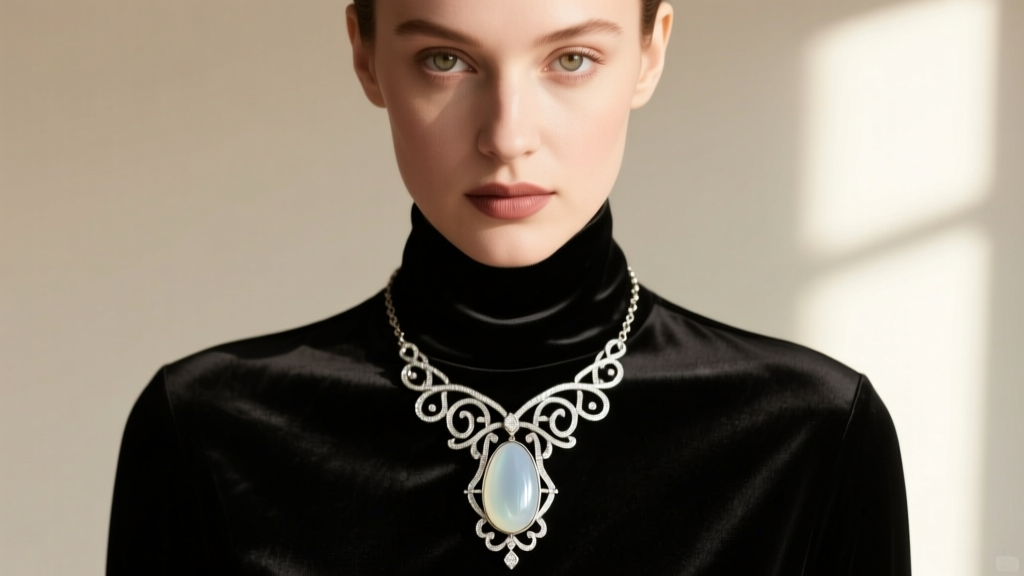
- The Black Turtleneck: The ultimate backdrop for an Art Deco milk glass pendant. The stark black fabric makes the opaque white glass and silver filigree pop dramatically, creating a sophisticated, intellectual aesthetic.
- The Deep V-Neck: Layer a delicate, unbranded mid-century milk glass strand (16 to 18 inches) with a longer, thin gold chain. The mix of vintage glass and modern minimal gold bridges the gap between antique and contemporary.
- The Crisp White Button-Down: Pair a Victorian-era molded milk glass choker with a crisp, oversized white poplin shirt. The monochromatic color story relies entirely on texture and shadow, offering a high-fashion, editorial look.
By understanding the historical context, chemical makeup, and structural hallmarks of these pieces, you can confidently navigate the secondary market. A true vintage milk glass necklace is more than just an accessory; it is a luminous piece of wearable history that, when properly authenticated and cared for, will continue to captivate for generations to come.


