Beginner Guide to the Hawaiian Lay Necklace & Lei Styles
Discover the Hawaiian lay necklace (lei). Learn about authentic puka shells, kukui nuts, sizing, and layering techniques in this beginner guide.

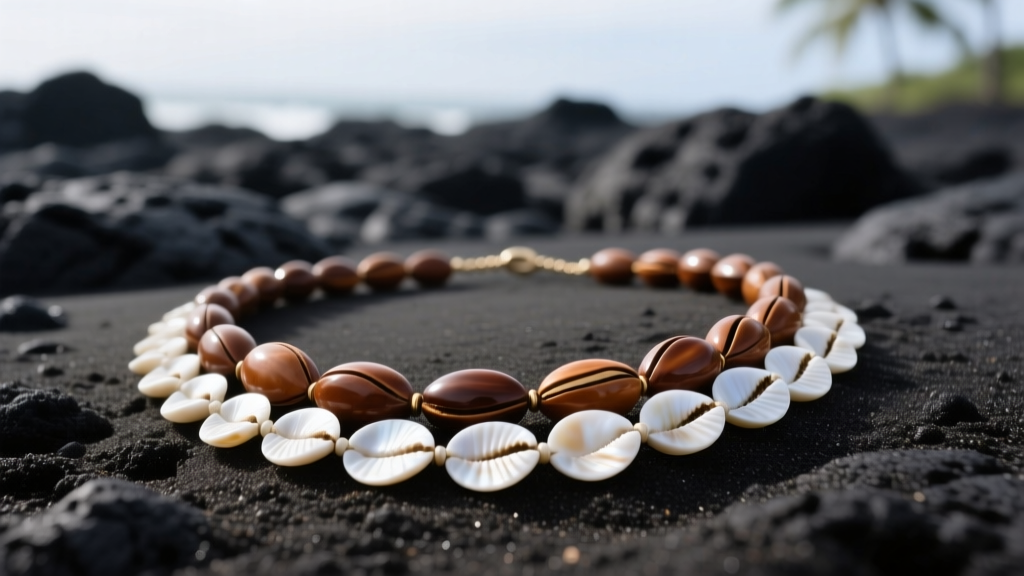
If you have been searching for a Hawaiian lay necklace, you are likely looking for what is traditionally and correctly spelled as a lei necklace. The phonetic spelling 'lay' has become a massive search trend in the jewelry world, but the essence remains the same: a beautiful, circular garland worn around the neck. While traditional Hawaiian leis are crafted from fresh orchids, plumeria, or ti leaves for temporary wear, the modern jewelry interpretation translates this rich cultural symbol into permanent, wearable art using shells, nuts, and beads.
According to the Bishop Museum, Hawaii's premier natural and cultural history institution, the lei was historically a symbol of affection, respect, and the spirit of 'Aloha.' Today, translating that spirit into everyday jewelry requires an understanding of organic materials, proper stringing techniques, and thoughtful styling. This beginner-friendly explainer will walk you through everything you need to know about selecting, wearing, and caring for your island-inspired necklaces.
The Anatomy of Authentic Island Necklaces
Unlike standard metal chain necklaces, a true Hawaiian-inspired lei necklace relies on organic and natural elements. Understanding the specific grades and characteristics of these materials is crucial for avoiding cheap tourist-trap imitations.
1. Genuine Puka Shells
The word 'puka' translates to 'hole' in Hawaiian. Genuine puka shells are naturally occurring fragments of the cone shell, tumbled by the ocean until they form smooth, donut-like discs with naturally worn holes. How to spot the real deal: Authentic puka shells feature asymmetrical, naturally drilled holes that vary in size, usually ranging from 1.0mm to 2.5mm in diameter. The front and back of the shell will also look slightly different (one side is more convex, the other concave). Mass-produced imitations are punched by machines from flat shells, resulting in perfectly centered, uniform holes and identical sides.
2. Kukui Nuts
The kukui nut (Aleurites moluccanus) is the official state tree of Hawaii. Historically used for light and oil, these nuts are polished into stunning beads for jewelry. High-quality kukui nut beads range from 15mm to 25mm in diameter. They must be meticulously sanded and treated with natural oils to prevent cracking. When shopping, look for a deep, rich luster and a smooth finish; dull or rough nuts indicate poor curing processes.
3. Seed Bead Lei Strands
Before fresh flowers were available year-round, Hawaiians began crafting intricate leis from glass seed beads. For a premium piece, look for strands made with Japanese Miyuki Delica beads (size 11/0). These cylinder beads offer uniform sizing and a brilliant finish that mimics the vibrant colors of tropical flora without wilting.
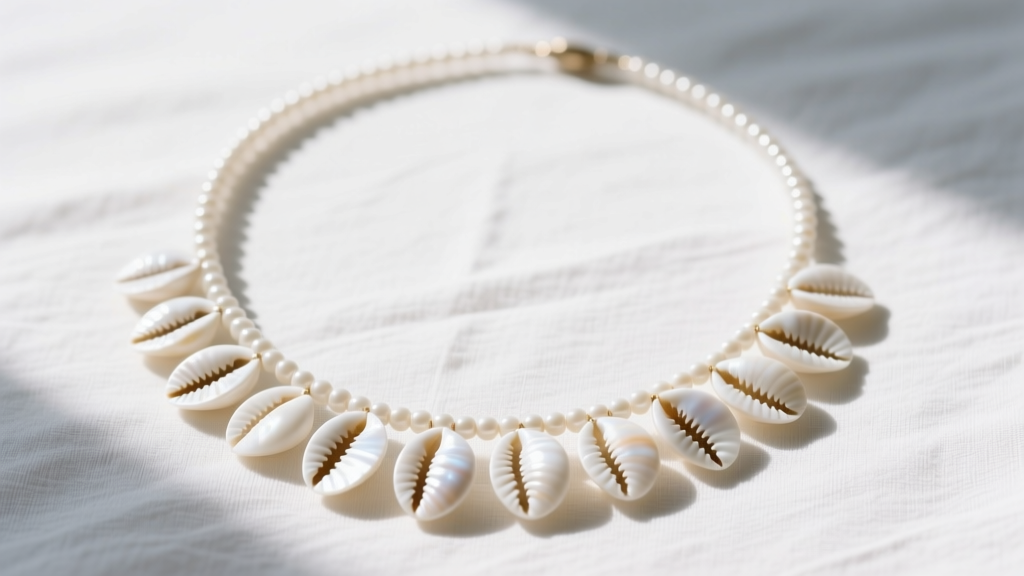
Material Comparison & Durability Chart
Choosing the right material depends on your lifestyle. Organic materials require different care and stringing methods than glass or metal. Use this framework to decide which necklace fits your daily routine.
| Material | Average Bead Size | Required Cord Thickness | Water Resistance | Best For |
|---|---|---|---|---|
| Genuine Puka Shell | 8mm - 12mm | 0.8mm - 1.2mm Waxed Nylon | High | Everyday wear, beach trips |
| Kukui Nut | 15mm - 25mm | 1.5mm - 2.0mm Braided Cord | Low | Statement pieces, casual outings |
| Glass Seed Beads | 2mm (Size 11/0) | 0.008" Braided Thread | Medium | Layering, vibrant color pops |
| Carved Bone/Horn | Variable | 1.0mm - 1.5mm Leather/Cord | Low | Surfer aesthetic, bohemian styles |
Stringing Materials and Hardware: What to Avoid
The most common failure point in island-style jewelry is the stringing material. Because puka shells and bone beads have rough, naturally formed interiors, they act like tiny saws against weak threads.
- Avoid Cotton and Silk: While traditional for pearl knotting, natural fibers will rot when exposed to saltwater, sweat, and humidity. They also lack the abrasion resistance needed for rough shell interiors.
- Use Waxed Polyester or Braided Nylon: For heavy organic beads (1.0mm to 1.5mm thickness), these synthetic cords provide immense tensile strength and resist fraying.
- Use FireLine for Seed Beads: A 0.008-inch braided beading thread provides the necessary strength-to-weight ratio, allowing seed beads to drape like liquid fabric without snapping.
For hardware, skip standard lobster clasps which disrupt the continuous flow of a lei. Instead, opt for a sliding macrame knot (also known as a square knot closure). This allows the necklace to be adjustable, slipping easily over the head and resting perfectly on the collarbone regardless of your exact neck circumference.
Sizing, Lengths, and Neckline Pairing
A Hawaiian lay necklace is versatile, but its impact depends heavily on length and the neckline of your outfit. Here is a practical guide to sizing your lei-style jewelry:
The 16-Inch Choker
Best Materials: Small puka shells, delicate seed beads.
Neckline Pairing: V-necks, scoop necks, and off-the-shoulder tops. The choker sits above the collarbone, framing the face and drawing attention upward. It is the ultimate surf-ready length that won't get caught in your hair or clothing.
The 18-Inch Princess Length
Best Materials: Medium puka, mixed shell and bone.
Neckline Pairing: Crew necks and button-down shirts. This is the most universally flattering length, resting right on the collarbone. It bridges the gap between casual and smart-casual, perfect for a linen shirt at a summer dinner.
The 24-to-30-Inch Matinee & Opera
Best Materials: Large kukui nuts, carved wood, heavy bone pendants.
Neckline Pairing: High necklines, turtlenecks, or simple maxi dresses. Longer leis create a vertical line that elongates the torso. They are traditionally worn over clothing as a bold statement piece.
How to Layer Your Island Necklaces
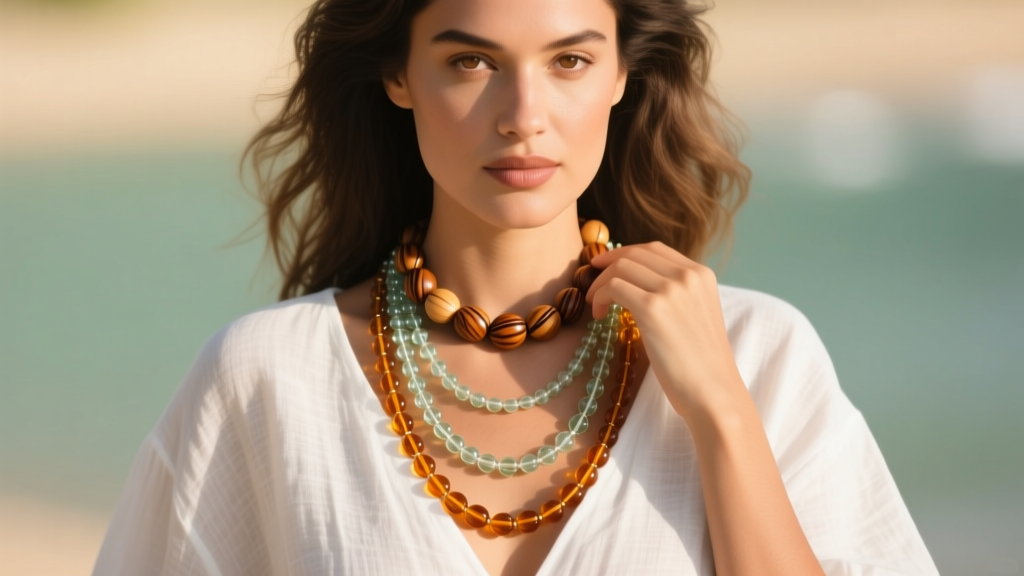
Layering is where the Hawaiian lay necklace truly shines. However, piling on random strands leads to a tangled mess. Use the 'Island Cascade' Framework to achieve a curated, effortless look:
- The Base (14-16 inches): Start with a tight, delicate strand. A thin, natural white puka shell choker or a single-strand seed bead lei works perfectly. This anchors the look to your neck.
- The Bridge (18-20 inches): Add a medium-length piece with a contrasting texture. If your base is smooth shell, use a matte carved bone or wood bead strand here. Ensure there is at least a 2-inch gap between the base and the bridge to prevent friction.
- The Statement (24+ inches): Finish with a heavy, eye-catching piece. A large kukui nut strand or a seed bead lei featuring a prominent carved shell pendant. This draws the eye down and completes the cascade.
Care and Maintenance for Organic Elements
Organic gems require vastly different care than faceted stones or precious metals. The Gemological Institute of America (GIA) notes that organic materials are highly susceptible to chemical damage from everyday cosmetics.
- Chemical Avoidance: Always apply sunscreen, perfume, and hairspray before putting on your shell or bone necklaces. The alcohol and UV filters in these products can strip the natural oils from kukui nuts, causing them to become brittle and crack over time.
- Saltwater and Puka: While genuine puka shells are born in the ocean, the stringing material is not. After swimming in the sea, rinse your necklace in fresh water and lay it flat to dry in the shade. Direct sunlight can warp synthetic cords and fade dyed seed beads.
- Re-Oiling Nuts: Once a year, gently rub your kukui nut jewelry with a tiny drop of food-grade mineral oil or macadamia nut oil on a soft cloth. This restores their deep luster and prevents drying.
Final Thoughts on the Lei Necklace
Whether you call it a Hawaiian lay necklace or a traditional lei, this style of jewelry is more than just a vacation souvenir. It is a wearable connection to island heritage, nature, and the spirit of Aloha. By investing in authentic materials like genuine cone shells and properly cured kukui nuts, and by utilizing the correct heavy-duty stringing methods, you ensure that your necklace will last for years, carrying the warmth of the islands with you wherever you go.


