How to Clean Copper Necklace: Buyer's Guide to Patina & Care
Learn how to clean copper necklace pieces and what to look for when buying. Discover coating types, patina management, and expert maintenance tips.

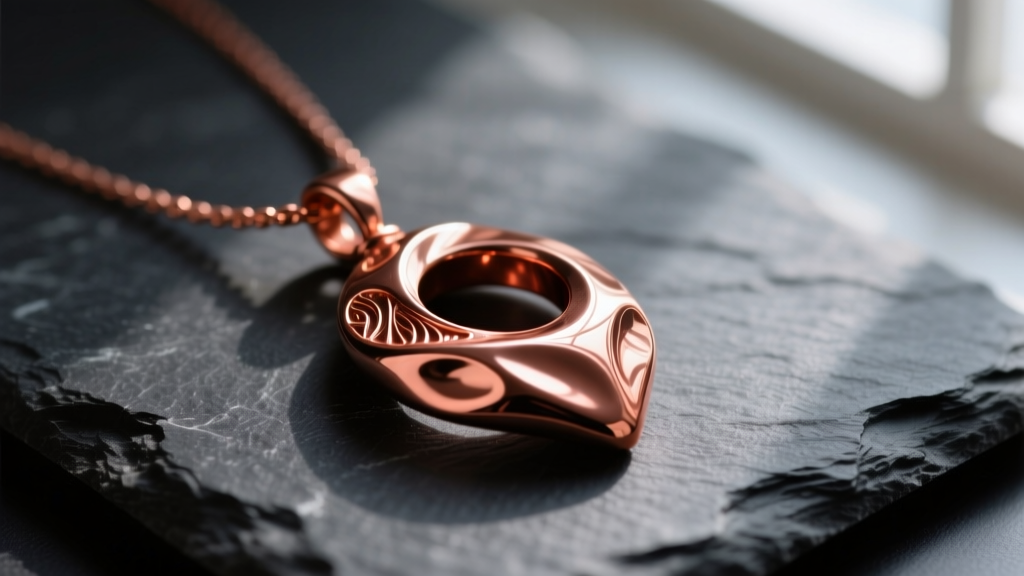
Copper jewelry has experienced a massive resurgence in the artisanal and fine jewelry markets, prized for its warm, earthy tones and unique metallurgical properties. However, purchasing a copper necklace is only the first step; understanding its reactive nature is crucial for long-term wear. Unlike gold or platinum, copper is a living metal. It interacts with oxygen, moisture, and the natural acids in your skin, developing a patina that can either be a desired vintage aesthetic or an unwanted tarnish. Whether you are shopping for a minimalist copper chain or a heavy artisan pendant, knowing how to clean copper necklace pieces and what manufacturing details to look for will dictate the lifespan and appearance of your jewelry.
The Copper Conundrum: Purity, Alloys, and Wire Gauges
When browsing the necklaces and pendants category, the first buying decision revolves around material purity. Pure copper, often designated as C110 or ETP (Electrolytic Tough Pitch) copper, is 99.9% copper. It offers that signature deep reddish-brown hue but is inherently soft. If you are buying a delicate copper chain, look for wire gauge specifications. A 24-gauge pure copper chain is highly susceptible to stretching and breaking under the weight of a pendant. For durability, buyers should seek out 20-gauge or 18-gauge half-hard copper chains, which have been work-hardened to resist deformation while maintaining flexibility.
Alternatively, many jewelers use copper alloys like brass (copper and zinc) or bronze (copper and tin). These alloys mimic the warmth of copper but offer significantly higher tensile strength and a slower oxidation rate. When reading product descriptions, verify whether the piece is "solid copper," "copper-plated," or an "alloy." Copper-plated necklaces, usually featuring a brass or steel core, will eventually wear through at high-friction points like the clasp, revealing the base metal beneath and making restoration impossible.
What to Look For: Coatings, Clasps, and Construction
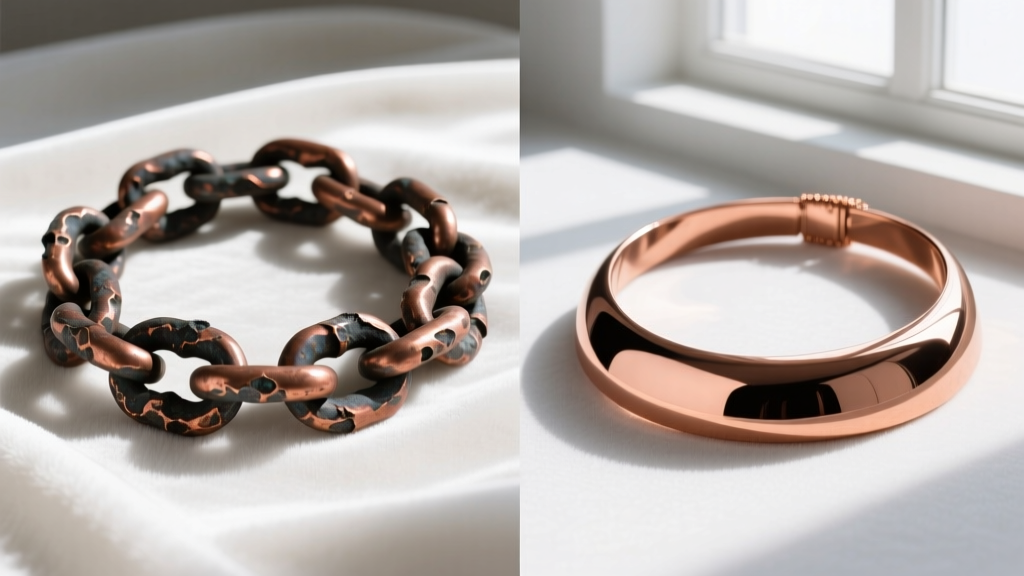
The most critical factor in buying a copper necklace is the surface treatment. This decision will entirely dictate your maintenance routine and whether the necklace will leave green marks on your skin. Below is a structural breakdown of the three main types of copper finishes you will encounter on the market:
| Finish Type | Maintenance Level | Patina Development | Best For |
|---|---|---|---|
| Raw / Uncoated | High (Requires regular polishing) | Rapid, natural darkening | Purists, rustic aesthetics, antimicrobial believers |
| Electrophoretic Lacquer | Low (Wipe with damp cloth) | None (Sealed from oxygen) | Everyday wear, sensitive skin, high-humidity climates |
| Antiqued / Sealed | Medium (Avoid abrasive cleaners) | Fixed (Artificial patina sealed in) | Vintage lovers, intricate filigree designs |
Beyond the chain and pendant, scrutinize the findings. Pure copper is too soft for reliable spring ring clasps, which can easily warp and fail. High-quality copper necklaces will often utilize stainless steel, rhodium-plated brass, or solid bronze lobster clasps connected via soldered jump rings. According to the Rio Grande Metal Care Guide, ensuring that jump rings are soldered shut rather than merely butted together prevents the loss of pendants when the soft copper wire inevitably shifts and opens under tension.
How to Clean Copper Necklace Pieces: Uncoated vs. Sealed
Understanding how to clean copper necklace items depends entirely on the coating you chose at the time of purchase. The dark tarnish that forms on raw copper is copper oxide, which eventually converts to copper carbonate (the familiar green verdigris) when exposed to carbon dioxide and moisture. Here is how to manage both sealed and unsealed variants.
The Acidic Bath Method (For Raw, Uncoated Copper)
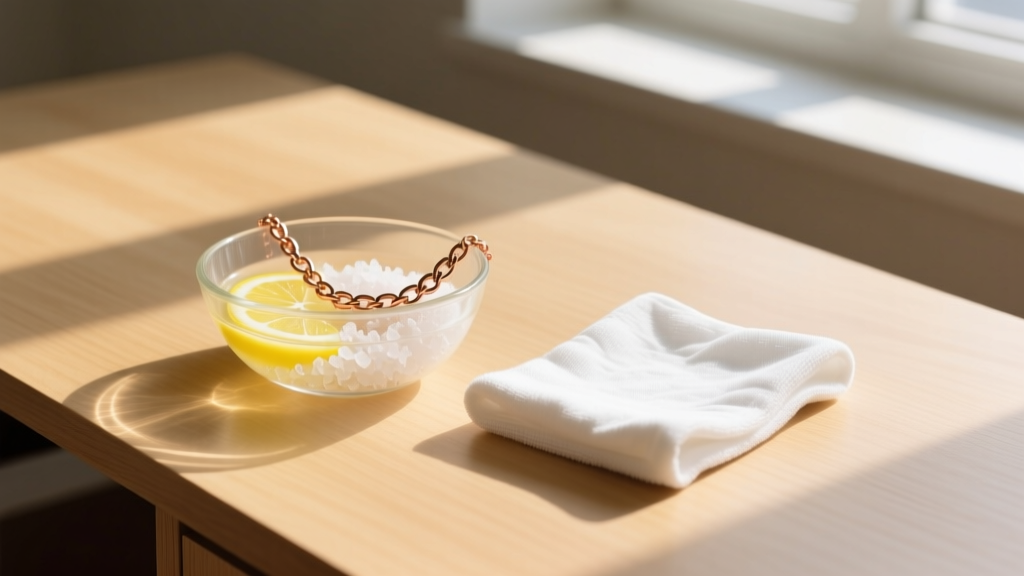
If you purchased a raw copper necklace and wish to restore its brilliant, salmon-pink shine, you need a mild acid to strip the copper oxide layer. The most effective, jewelry-safe household method involves lemon juice and non-iodized salt. The citric acid breaks down the oxidation, while the salt acts as a gentle catalyst. Submerge the necklace in a mixture of half a cup of lemon juice and a tablespoon of salt for no more than three to five minutes. Remove it, rinse thoroughly with distilled water (tap water minerals can cause spotting), and dry immediately with a microfiber cloth. The Fire Mountain Gems Metal Cleaning Guide warns against leaving copper in acidic baths for extended periods, as it can lead to microscopic pitting on the metal's surface.
Mechanical Polishing (For Heavy Tarnish)
For intricate uncoated pendants where liquid baths might leave residue in crevices, mechanical polishing is superior. Use a jeweler's rouge (iron oxide) applied to a soft flannel or microfiber cloth. Rub the copper in small, circular motions. Avoid using baking soda pastes or commercial silver dips containing thiourea, as these are highly abrasive or chemically incompatible with copper and can permanently dull the high-polish finish.
Cleaning Lacquered and Sealed Copper
If your necklace features an electrophoretic lacquer or a clear resin coating, acidic baths and polishing compounds will destroy the sealant, leaving you with a cloudy, peeling mess. To clean sealed copper, use only a few drops of mild, phosphate-free dish soap mixed with lukewarm water. Gently agitate the necklace, rinse, and pat dry. The goal is to remove skin oils and environmental dust without compromising the chemical barrier that protects the metal from oxygen.
The "Green Skin" Phenomenon: Chelation and Prevention
One of the most common complaints from copper jewelry buyers is the green discoloration left on the collarbone. This is not an allergic reaction or a sign of toxic heavy metals; it is a simple chelation process. The natural acids and salts in human sweat react with the copper to form copper chloride and copper carbonate salts, which are easily absorbed into the outermost layer of the epidermis. It is entirely harmless and washes off with soap and water.
"The rate at which copper oxidizes against the skin is directly tied to the wearer's individual skin pH and diet. Individuals with highly acidic sweat will tarnish a raw copper pendant in a matter of hours, whereas those with neutral pH may wear it for weeks without noticing a color shift." — Gemological Institute of America (GIA) Gem Care Guidelines
If you love the look of copper but despise the green marks, your buying guide checklist must include "sealed" or "lacquered" in the product description. Alternatively, some artisans line the back of heavy copper pendants with a thin layer of hypoallergenic surgical steel or apply a specialized jewelry shield coating to prevent direct skin contact.
Storage Accessories: What to Buy Alongside Your Necklace
Proper storage is the final pillar of copper maintenance. Never store raw copper necklaces in standard PVC plastic bags or cardboard boxes. PVC traps moisture and off-gases sulfur compounds that accelerate aggressive tarnishing. Instead, invest in anti-tarnish polyethylene zip bags equipped with Intercept Technology strips. These strips utilize reactive copper particles embedded in a polymer matrix to neutralize corrosive gases in the surrounding air before they can reach your necklace. Pair this with a small silica gel desiccant packet to control ambient humidity, ensuring your copper necklace remains in pristine, ready-to-wear condition for years to come.
Final Verdict: Choosing Your Copper Aesthetic
Buying a copper necklace is an exercise in choosing your preferred relationship with the metal. If you desire a rugged, evolving piece that tells a story through its darkening patina and requires periodic acidic cleaning, opt for raw, half-hard C110 copper with soldered findings. If you prefer a permanent, high-shine accessory that requires zero maintenance and won't interact with your skin's chemistry, strictly purchase electrophoretic-lacquered copper or high-quality bronze alloys. By matching the metallurgical reality of the piece to your lifestyle, you ensure your necklace remains a staple in your jewelry wardrobe rather than a tarnished regret at the back of your drawer.


