Pink Buddha Necklace Materials: Jade vs Rose Quartz Guide
Discover the best materials for a pink buddha necklace. We compare rose quartz, pink jadeite, and rhodonite for durability, carving detail, and price.

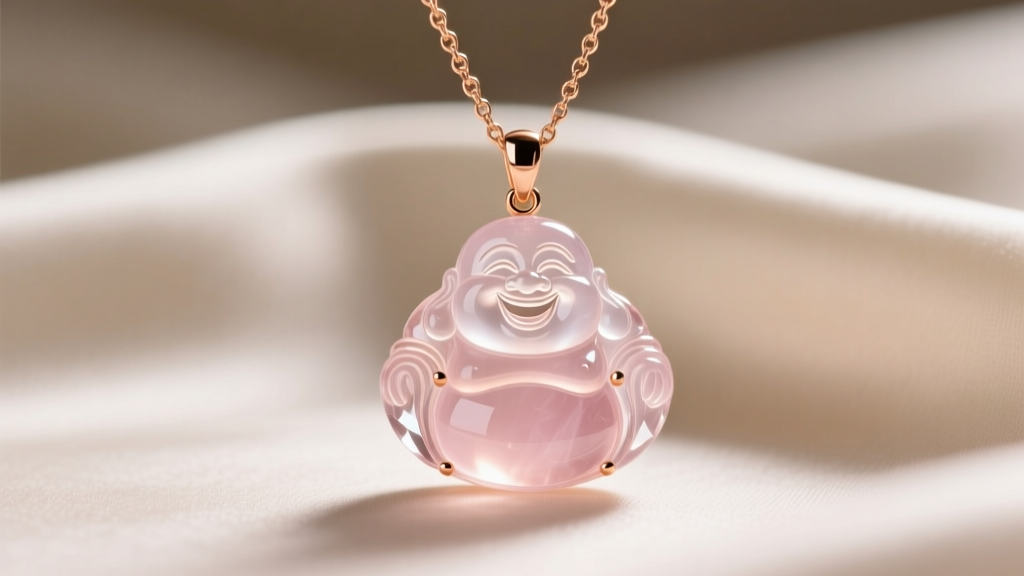
The Intersection of Spirituality and Lapidary Art
When selecting a pink buddha necklace, buyers are often drawn to the color's association with the heart chakra (Anahata) and unconditional love. However, from a gemological and lapidary perspective, the specific pink material used dictates the pendant's longevity, carving precision, and ultimate value. A Buddha carving requires exceptional detail—particularly around the serene facial features, the elongated earlobes, and the intricate folds of the robes. Not all pink gemstones possess the structural integrity to hold these micro-carvings without chipping.
In this comprehensive material comparison, we evaluate the three most prominent pink stones used for Buddha pendants: Rose Quartz, Pink Jadeite, and Rhodonite. We will analyze their Mohs hardness, cleavage planes, and suitability for high-relief carving, ensuring you make an informed investment in 2026 and beyond.
Rose Quartz: The Translucent Classic
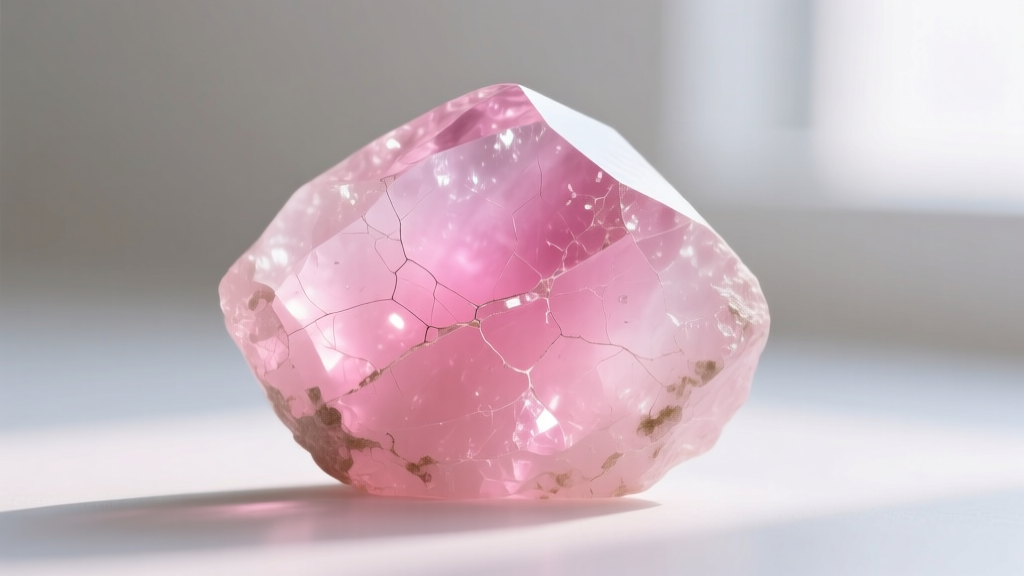
Rose quartz is the most ubiquitous material for pink spiritual jewelry. Its soft, cloudy translucence gives the Buddha a gentle, ethereal glow. However, gemologists note that rose quartz is rarely found in single crystals; it typically occurs in massive, cryptocrystalline forms. This means it lacks defined cleavage planes, which is excellent for carving, as it won't split unexpectedly along a fault line.
Carving Limitations and Durability
With a Mohs hardness of 7, rose quartz is relatively durable against everyday scratches. Yet, its conchoidal fracture and brittle tenacity mean that extremely fine details—such as the delicate eyelids or the subtle curve of the Laughing Buddha's smile—are prone to micro-chipping during the carving process or upon impact. According to the Mindat mineral database, the presence of microscopic dumortierite inclusions is what actually gives rose quartz its pink color, and these inclusions can create localized weak points in the stone. Consequently, rose quartz Buddha pendants usually feature slightly softer, more rounded facial features compared to harder stones.
Pink Jadeite: The Premium Carver's Choice
While nephrite jade is traditionally used for Chinese carvings, pink jadeite (a variety of pyroxene) is the holy grail for high-end Buddha pendants. Jadeite possesses a unique interlocking crystalline structure that gives it exceptional toughness—far exceeding its Mohs hardness of 6.5 to 7. This structural toughness allows lapidary artists to carve impossibly thin and intricate details without the stone fracturing.
The Rarity and Treatment Trap
Natural, untreated pink jadeite (Type A) is exceedingly rare and commands premium prices. The pink hue is typically caused by trace amounts of manganese or iron. Unfortunately, the market is flooded with Type C jadeite—stones that have been bleached and dyed with pink polymer resins. When buying a pink jadeite Buddha necklace, always demand a gemological certificate from a reputable lab like GIA or SSEF to verify that no polymer impregnation has occurred. The Gemological Institute of America (GIA) emphasizes that dyed jadeite will degrade over time, losing its vibrant pink hue and structural stability when exposed to UV light and skin oils. If the carving features razor-sharp robe folds and microscopic facial details, it is highly likely the artisan was working with high-grade, tough jadeite rather than softer quartz.
Rhodonite: The Opaque, Grounding Alternative
For those seeking a deeper, more opaque pink with striking visual contrast, rhodonite is an exceptional choice. Characterized by its raspberry-pink body color intersected by dendritic black manganese oxide veins, rhodonite offers a highly textured, earthy aesthetic. This material is often used for more rustic or heavily stylized Buddha carvings where the black veins are incorporated into the design—perhaps forming the Buddha's robes or hair.
Structural Properties and Wearability
Rhodonite ranks between 5.5 and 6.5 on the Mohs scale, making it noticeably softer than quartz or jadeite. It also has perfect prismatic cleavage, meaning it can split along specific planes if struck. Consequently, rhodonite Buddha pendants usually feature bolder, less intricate carvings with rounded edges to prevent chipping. It is best suited for pendants worn on shorter chains or chokers where the risk of swinging and impacting a hard surface is minimized.
Comparative Gemological Data
To help you weigh your options, the table below summarizes the critical physical properties of these three pink materials as they relate to jewelry wear and carving suitability.
| Material | Mohs Hardness | Cleavage / Fracture | Carving Detail Limit | Average Price Range |
|---|---|---|---|---|
| Rose Quartz | 7.0 | None / Conchoidal | Medium (Rounded edges) | $15 - $60 |
| Pink Jadeite (Type A) | 6.5 - 7.0 | None / Interlocking | Extreme (Micro-details) | $250 - $2,500+ |
| Rhodonite | 5.5 - 6.5 | Perfect / Prismatic | Low (Bold, rustic shapes) | $20 - $80 |
Chain Pairings: What Metal Suits Pink Stones?
The metal you choose for your pink buddha necklace chain significantly impacts the overall aesthetic and the stone's energetic profile. Because pink stones range from icy translucent to deep opaque, the metal must provide the right contrast.
- 14k or 18k Rose Gold: The copper alloy in rose gold perfectly mirrors the warm undertones of rose quartz and rhodonite. It creates a monochromatic, harmonious look that enhances the heart-chakra symbolism.
- Sterling Silver (Rhodium Plated): Silver provides a crisp, cool contrast that makes the pink hues pop. This is particularly effective for pink jadeite, where the cool metal highlights the stone's vitreous luster.
- Hand-Knotted Silk Cord: For a traditional, minimalist approach, a 1.5mm to 2mm pink or charcoal silk cord with a sliding macramé knot is ideal. Silk prevents the heavy stone pendants from scratching against metal chains and is the preferred setting for high-end jadeite.
Pricing Tiers and Authenticity Checks
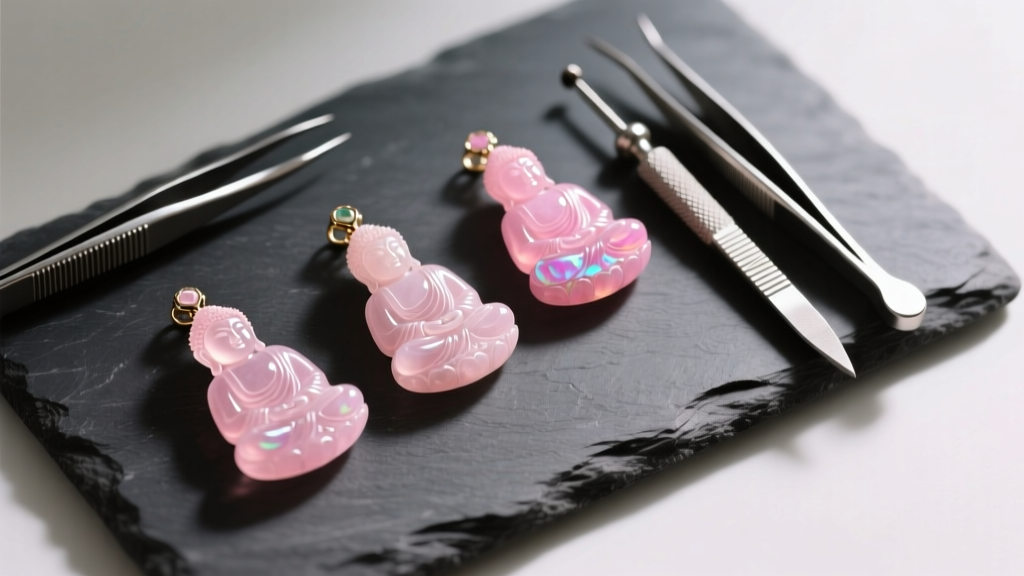
When shopping for a pink buddha necklace, price is often the first indicator of material authenticity. A large, intricately carved Buddha pendant in vivid, translucent pink jadeite priced under $100 is almost certainly dyed (Type C) or made of pink aventurine quartz masquerading as jade. Conversely, genuine rose quartz is abundant, so buyers should not overpay for standard carvings. A high-quality, hand-carved rose quartz laughing Buddha on a sterling silver chain should retail between $40 and $85. If the piece features master-level artisan carving with signed lapidary work, expect a 30% to 50% premium for the labor, regardless of the raw material cost.
Final Verdict: Choosing Your Stone
Ultimately, the best material for your pink buddha necklace depends on your priorities. If you value intricate, museum-quality carving and have a higher budget, untreated pink jadeite is the undisputed champion of durability and detail. If you prefer a soft, ethereal glow for daily spiritual wear at an accessible price point, rose quartz remains a beautiful and reliable choice. For those who want a grounded, earthy aesthetic with striking natural patterns, rhodonite offers a unique, rugged alternative that stands out in any jewelry collection.


