The Urban Dictionary Pearl Necklace: Slang vs. Real Jewelry Style
Discover the truth behind the urban dictionary pearl necklace slang, then master real pearl grading, types, and modern styling in our expert guide.

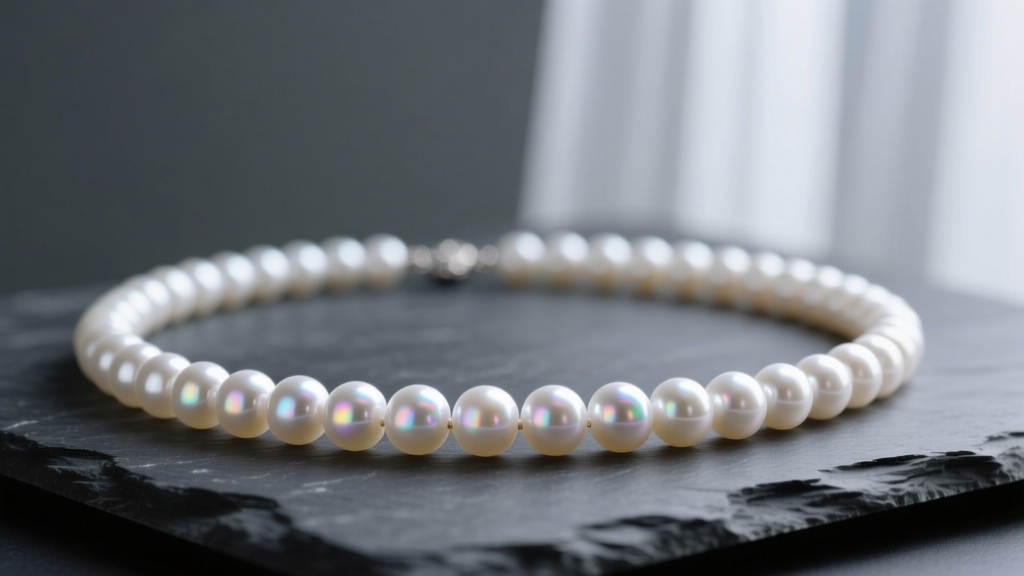
The Internet Slang vs. The Timeless Classic
If you have ever searched for the urban dictionary pearl necklace, you already know that internet culture has co-opted this phrase to describe a highly specific, NSFW slang term. As a jewelry authority, we are here to address the elephant in the room: while the internet loves a provocative joke, the physical pearl necklace remains one of the most revered, timeless, and valuable staples in fine jewelry history.
For beginners stepping into the world of fine jewelry, it is crucial to separate internet memes from genuine gemological value. Pearls are organic gemstones formed by living mollusks, requiring expert cultivation, careful harvesting, and meticulous stringing. In this beginner-friendly explainer, we are reclaiming the narrative. We will break down everything you need to know about buying, grading, and styling real pearl necklaces, ensuring your investment is rooted in elegance rather than internet punchlines.
Pearl Necklace 101: The Four Main Types
Not all pearls are created equal. The price, luster, and size of a pearl necklace depend entirely on the mollusk that produced it and the environment in which it was cultivated. According to the Gemological Institute of America (GIA), there are four primary types of cultured pearls you will encounter on the market.
| Pearl Type | Origin & Environment | Size Range | Price Range (Strand) | Best For |
|---|---|---|---|---|
| Akoya | Saltwater (Japan, China) | 6mm - 9mm | $1,000 - $10,000+ | Classic, mirror-like luster; traditional bridal wear. |
| Freshwater | Freshwater (China) | 4mm - 12mm | $150 - $2,500 | Everyday wear, budget-friendly, varied colors. |
| Tahitian | Saltwater (French Polynesia) | 8mm - 16mm | $2,000 - $25,000+ | Edgy, modern styles; dark 'peacock' and charcoal hues. |
| South Sea | Saltwater (Australia, Philippines) | 9mm - 20mm | $5,000 - $100,000+ | Luxury collectors, statement pieces, thick nacre. |
For beginners, Freshwater pearls offer the best entry point. Modern cultivation techniques have vastly improved their roundness and luster, making them nearly indistinguishable from Akoya pearls to the untrained eye, but at a fraction of the cost. If you want the quintessential, razor-sharp reflection that defines high-end luxury, Akoya pearls are the undisputed champions.
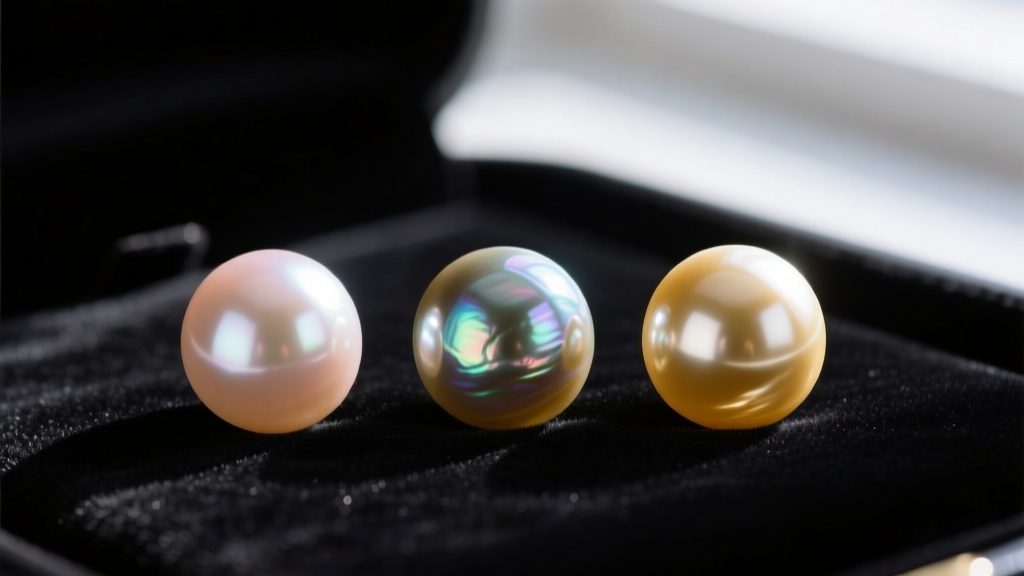
Decoding Pearl Grading: What You Are Actually Paying For
Unlike diamonds, which are graded by the strict 4Cs, pearls do not have a single, universally mandated grading system. However, the American Gem Society and most reputable jewelers rely on a combination of the GIA's Pearl Description System and the commercial A-AAA scale. Here is what you must scrutinize before handing over your credit card:
1. Luster (The Most Critical Factor)
Luster refers to the sharpness and intensity of light reflecting off the pearl's surface. High-quality pearls will show a crisp, distinct reflection of the light source. If a pearl looks chalky or dull, walk away. Luster is dictated by the quality and thickness of the nacre (the layers of aragonite crystals secreted by the mollusk).
2. Nacre Thickness
For saltwater pearls like Akoya, nacre thickness is a make-or-break metric. A high-quality Akoya pearl should have a nacre thickness of at least 0.8mm. Pearls harvested too early (often under 0.4mm) will eventually peel or flake, revealing the dull shell bead nucleus inside.
3. Surface Quality
Pearls are organic, meaning blemishes (spots, bumps, or wrinkles) are natural. A 'Clean' or 'AAA' grade means the pearl is 95% or more free of visible blemishes. Do not pay premium prices for heavily blemished pearls unless you are intentionally buying rustic 'baroque' styles.
Sizing and Lengths: Finding Your Perfect Fit
The way a pearl necklace drapes on your collarbone drastically changes its formality and visual impact. When shopping, pay strict attention to the inch measurement.
- Collar (10-13 inches): Sits tightly against the base of the neck. Best worn with V-necks or off-the-shoulder tops. Highly formal and vintage-inspired.
- Choker (14-16 inches): Rests just above the collarbone. The 16-inch 'Princess' length is the most versatile and popular choice for everyday elegance.
- Matinee (20-24 inches): Falls at the top of the bust. Excellent for business casual attire and layering over turtlenecks or blazers.
- Opera (28-36 inches): Drapes below the bust. Can be worn as a single long strand for evening wear or doubled up to create a layered choker effect.
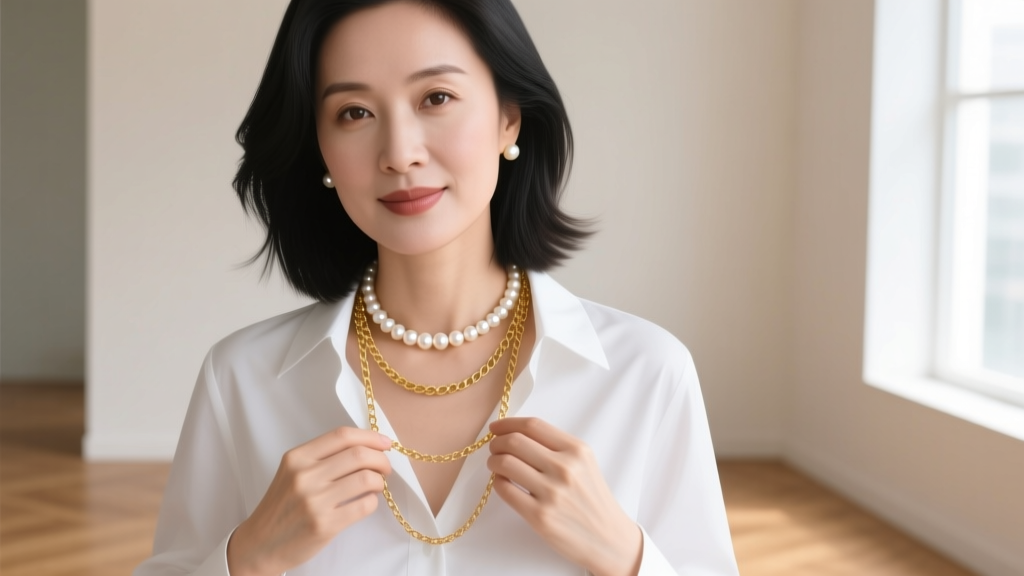
Modern Styling: Reclaiming Pearls in 2026
The stereotype that pearls are only for conservative, traditional outfits is entirely outdated. As we navigate 2026, the jewelry industry has fully embraced the 'pearlcore' evolution, mixing organic gemstones with industrial metals and asymmetrical designs.
Style Tip: To modernize a classic strand, mix your pearls with chunky gold chain links or layer a 14-inch freshwater pearl choker with an 18-inch oxidized silver pendant necklace. The contrast between the soft, iridescent nacre and hard, textured metals creates a striking, contemporary aesthetic.
Furthermore, Baroque pearls—pearls with irregular, non-spherical shapes—are dominating modern design. Because no two baroque pearls are identical, necklaces featuring them offer a bespoke, avant-garde look that completely distances the wearer from any outdated internet slang associations.
Care and Maintenance: Protecting Your Investment
Pearls are remarkably delicate. On the Mohs scale of mineral hardness, pearls rank between 2.5 and 4.5, meaning they can be easily scratched by metals, dust, or even other gemstones. To ensure your necklace survives for generations, follow these non-negotiable care rules:
- Last On, First Off: Pearls are highly porous and will absorb chemicals. Always put your pearls on after applying perfume, hairspray, and cosmetics. Take them off before showering or exercising.
- Never Use Ultrasonic Cleaners: The high-frequency vibrations will shatter the nacre layers. Instead, wipe them gently with a damp, lint-free microfiber cloth after every wear.
- Monitor the Stringing: High-quality pearl necklaces are strung on pure silk thread with French wire (gimp) at the clasp to prevent fraying. If you wear your necklace weekly, have it professionally restrung every 1 to 2 years. If you notice stretching or gaps between the knots, take it to a jeweler immediately to prevent a catastrophic break.
By understanding the gemological reality of these stunning organic gems, you can confidently shop for, style, and care for a pearl necklace that commands respect and admiration in any room you enter.


