Hawaiian Fish Hook Necklace Trends: 2026 Style & Sourcing Guide
Explore 2026 trends for the Hawaiian fish hook necklace. Learn about authentic Makau symbolism, ethical materials, and how to style this oceanic icon.

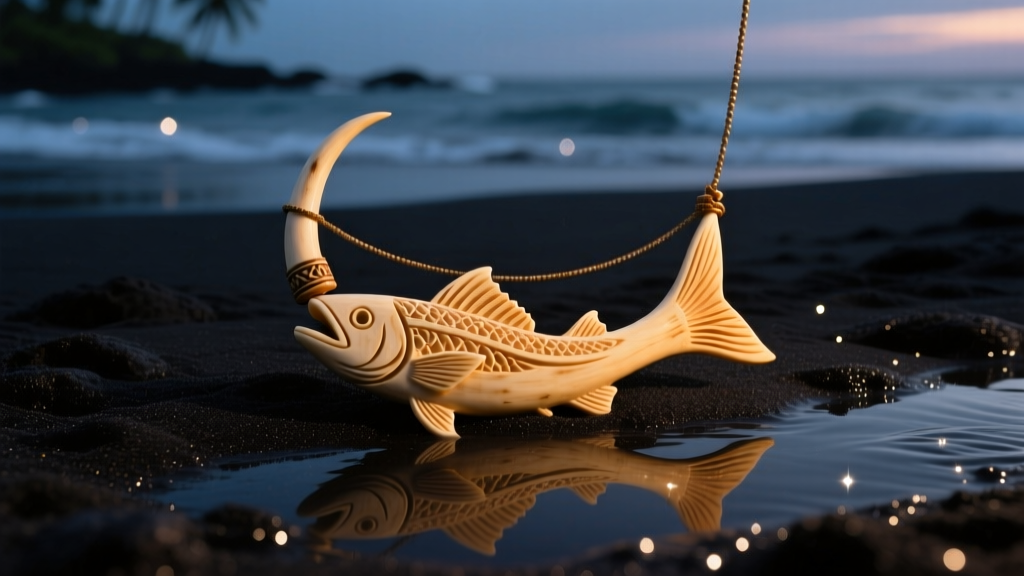
The Hawaiian fish hook necklace, traditionally known as the Makau, has transcended its origins as a talisman for safe ocean passage to become a global staple in coastal and surf-inspired jewelry. But as we navigate the 2026 jewelry landscape, the market is heavily saturated with mass-produced, culturally disconnected replicas. This style and trend analysis breaks down how to source, size, and style an authentic Makau while respecting its profound Polynesian roots.
The Makau Meaning: Cultural Roots vs. Modern Fashion
In ancient Hawaiian culture, the fish hook was far more than a tool; it was a symbol of prosperity, strength, and safe travels over water. According to the Bernice Pauahi Bishop Museum, early hooks were masterfully carved from human bone, animal bone, and pearl shell, often passed down as sacred family heirlooms. The legendary Makau Manaiakalani, belonging to the demigod Maui, is said to have pulled the Hawaiian islands from the ocean floor.
Wearing a Hawaiian fish hook necklace today requires an understanding of its mana (spiritual power). It is not merely a surf-fashion accessory, but a profound emblem of oceanic respect and navigational heritage.
As 2026 trends lean heavily into intentional, story-driven jewelry, consumers are moving away from hollow tourist-shop trinkets. The modern focus is on cultural appreciation over appropriation, demanding transparency in how these pieces are crafted and who profits from their sale.
2026 Material Trends: Beyond the Tourist Trap
The material composition of your pendant dictates its longevity, ethical footprint, and aesthetic value. Here is what is dominating the authentic market this year.
Ethical Bone and Horn
Historically, whale bone was the premier material for high-status Makau. However, under the Endangered Species Act and CITES regulations, harvesting sperm whale bone is strictly prohibited. Today, master carvers utilize ethically sourced, upcycled cow and water buffalo bone. The curing process is vital: premium artisans use a slow hydrogen peroxide bath followed by natural oil rubbing to achieve a porcelain-like finish that resists yellowing, whereas cheap manufacturers use harsh bleaches that make the bone brittle and chalky.
Sustainable Koa Wood & Resin Inlays
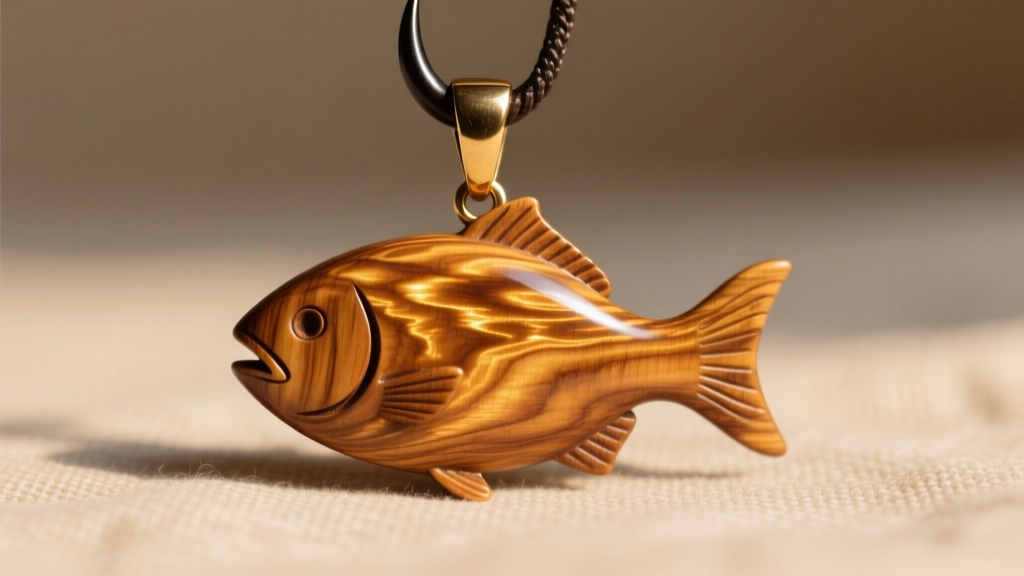
Acacia koa is an endemic Hawaiian hardwood prized for its deep golden hues and chatoyancy (a cat-eye optical effect). Because Koa harvesting is heavily regulated to protect Hawaii’s forests, authentic Koa pendants command a premium. In 2026, we are seeing a surge in Koa wood hooks inlaid with crushed turquoise or stabilized lapis lazuli, bridging traditional woodworking with contemporary gemstone trends. Expect to pay between $150 and $400 for a genuine, hand-carved Koa piece.
Recycled Sterling Silver & Gold Vermeil
For a more refined, urban-coastal look, recycled 925 sterling silver and heavy 14k gold vermeil are the metals of choice. Avoid cheap brass or zinc alloys commonly found in fast-fashion surf brands; these degrade quickly in saltwater and cause contact dermatitis. A solid sterling silver Makau with an oxidized finish highlights the intricate carving lines and develops a beautiful, personalized patina over time.
Sizing, Proportions, and Cord Specifications
The physical scale of your Hawaiian fish hook necklace must align with your body type and wardrobe. A massive 4-inch bone hook will overwhelm a delicate neckline, while a tiny silver hook will get lost over a heavy flannel or linen shirt. Below is the definitive 2026 sizing matrix for the Makau.
| Hook Length | Weight | Ideal Cord Gauge | Best Neckline Match | Style Vibe |
|---|---|---|---|---|
| 1.25" - 1.5" | Light (5-10g) | 1.5mm - 2mm Waxed Cotton | V-Neck, Scoop, Open Collar | Subtle, Everyday, Layering Base |
| 2.0" - 2.5" | Medium (15-25g) | 2.5mm Braided Leather | Crew Neck, Henley, Casual Tees | Statement, Classic Surf, Bold |
| 3.0" - 4.0" | Heavy (30g+) | 3mm - 4mm Macrame or Rope | Deep V, Button-down (unbuttoned) | Maximalist, Traditional, Focal Point |
Pro-Tip on Cord Hardware: Ditch the cheap metal lobster clasps that corrode in ocean water. Opt for adjustable square-knot macrame sliders. This traditional closure method allows you to adjust the drop length from 18 to 24 inches on the fly and contains no metal components to rust or snag.
How to Layer the Hawaiian Fish Hook Necklace
Layering is a dominant trend in 2026, but mixing organic shapes like the Makau with standard chains requires a strategic approach to prevent tangling and visual clutter.
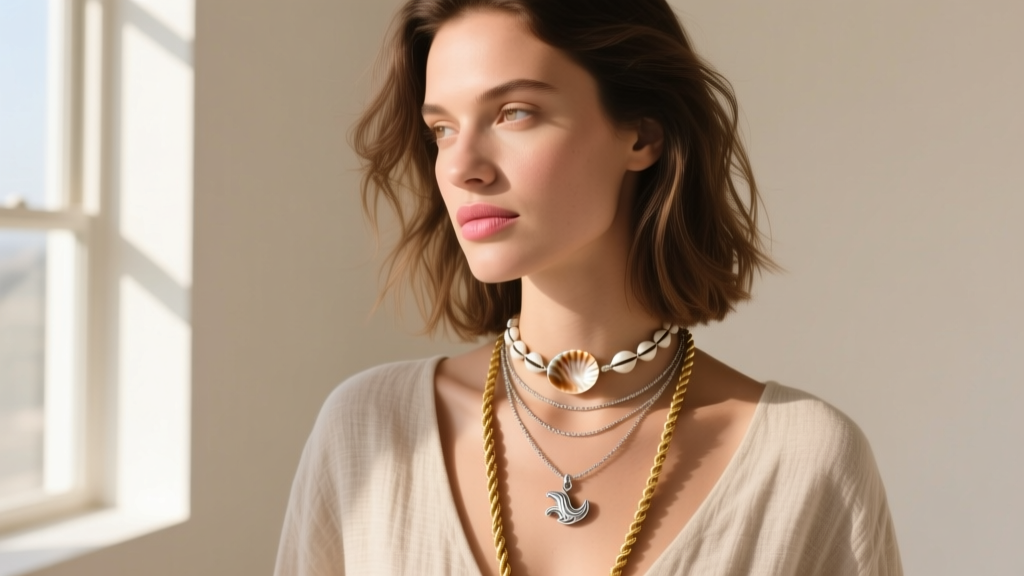
- The Base Layer (16-18 inches): Start with a subtle, textured piece. A micro-puka shell choker or a 2mm oxidized sterling silver cable chain sits high on the collarbone and frames the face without competing with the hook.
- The Focal Makau (20-22 inches): Your Hawaiian fish hook necklace should sit squarely in the middle. The adjustable cord allows you to drop the hook precisely into the sternum hollow, creating a natural visual anchor.
- The Outer Anchor (24-28 inches): Finish with a heavy, long element. A thick surfer bead necklace (using matte onyx or lava rock) or a long, unclasped lariat chain draws the eye downward, elongating the torso and balancing the visual weight of the bone or wood hook.
Authenticity Check: Spotting Real Hawaiian Artisans
With the rise of e-commerce, the market is flooded with resin-cast and CNC-milled hooks manufactured overseas and deceptively marketed as authentic Hawaiian jewelry. To ensure your purchase supports genuine craftsmanship, apply this three-point authenticity check:
- Inspect the Tool Marks: Hand-carved bone and wood will feature microscopic, asymmetric tool marks, especially in the inner curve of the hook and the barb. Perfectly uniform, glass-smooth pieces are almost always machine-milled from synthetic blanks.
- Verify the Source: Look for artisans based in Hawaii who participate in recognized cultural events, such as the Merrie Monarch Festival craft fairs. Brands that provide the carver’s name and specific island origin offer a higher tier of transparency.
- Material Testing: According to the Gemological Institute of America (GIA), genuine bone will feel slightly porous and warm to the touch, whereas plastic or resin replicas feel unnaturally cold and emit a synthetic smell when subjected to a hot pin test (though we recommend relying on visual inspection and reputable sourcing rather than destructive testing).
Final Verdict: Wearing the Makau with Respect
The Hawaiian fish hook necklace remains a powerful, visually striking piece of jewelry that bridges ancient Polynesian heritage with modern coastal style. By prioritizing ethically sourced materials like upcycled bone and sustainable Koa wood, demanding structural integrity in your cordage, and styling the piece with intentional layering techniques, you elevate the Makau from a simple souvenir to a meaningful, lifelong talisman. Choose authenticity, respect the culture, and let the craftsmanship speak for itself.


