The Corded Necklace: 2026 Trend Analysis & Styling Guide
Discover how the corded necklace evolved into a 2026 luxury staple. Explore material grades, hardware specs, and expert layering frameworks.

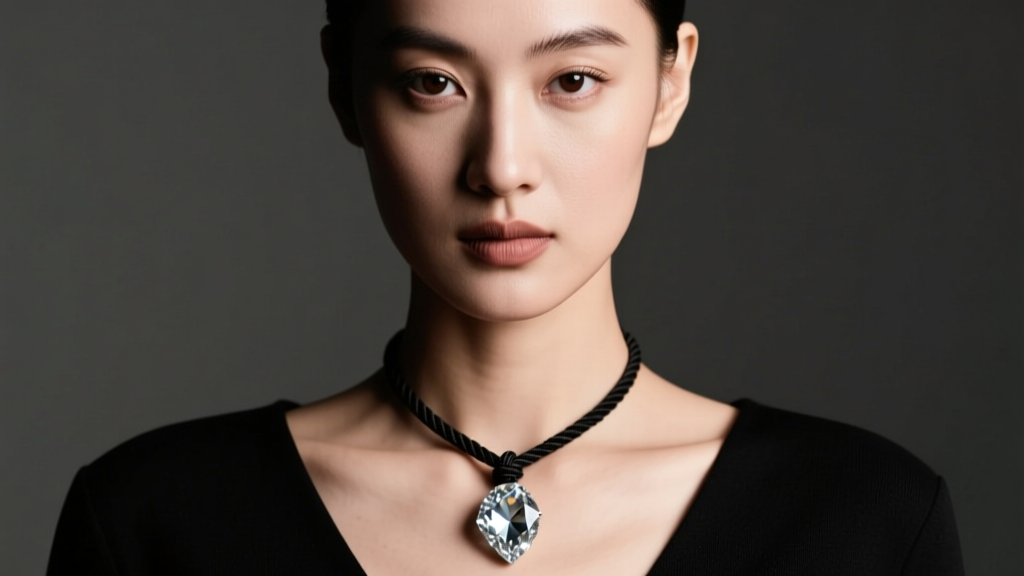
The Renaissance of the Corded Necklace in High Jewelry
Once relegated to the realms of casual surf culture and bohemian festival wear, the corded necklace has undergone a radical transformation. In 2026, it stands as a cornerstone of contemporary high jewelry and minimalist luxury styling. The modern iteration strips away the frayed, rustic aesthetics of the past, replacing them with precision-engineered textiles, aerospace-grade hardware, and architectural pendants. According to recent market analyses covered by Forbes Lifestyle, consumer demand for mixed-media jewelry—specifically pieces that combine organic textiles with precious metals—has surged by over 34% this year. This shift reflects a broader desire for tactile contrast and understated elegance in everyday luxury.
The appeal of the corded necklace lies in its versatility and its ability to act as a neutral canvas for high-impact gemstones. Unlike traditional metal chains that compete visually with intricate pendants, a well-crafted cord recedes into the background, allowing the focal stone or sculptural metalwork to command attention. However, not all cords are created equal. The difference between a $20 tourist-shop trinket and a $500 designer piece lies entirely in material science, hardware mechanics, and structural integrity.
Material Breakdown: Beyond Basic Cotton
The foundation of any premium corded necklace is the textile itself. In 2026, jewelers are moving away from generic synthetic ropes and embracing specialized, high-tensile materials that offer specific drape, durability, and aesthetic qualities.
Waxed Cotton vs. Braided Silk
Waxed cotton remains the most popular choice for everyday wear, typically manufactured in 1.5mm to 2.0mm thicknesses. The wax coating (often natural beeswax or a high-grade synthetic paraffin) provides essential water resistance and prevents the cotton fibers from absorbing skin oils, which can lead to degradation. However, waxed cotton has a distinct stiffness; it holds its shape well but lacks the fluid drape required for delicate necklines.
Conversely, braided silk cord (usually 0.8mm to 1.2mm) is the undisputed champion of luxury drape. High-end jewelers utilize Z-twist silk rather than S-twist, as the Z-twist structure offers superior tensile strength and resists unraveling when subjected to the weight of heavy gemstone pendants. The Gemological Institute of America (GIA) frequently notes that silk knotting and cording remain the gold standard for suspending high-value pearls and unheated sapphires, as the soft textile prevents micro-abrasions on the gemstone's drill hole.
Bio-Resin and Recycled PET Cords
Sustainability is a non-negotiable metric in 2026 jewelry design. Bio-resin cords, derived from plant-based polymers, offer a waterproof, vegan alternative to leather with a sleek, matte finish. Similarly, cords woven from recycled PET (polyethylene terephthalate) provide exceptional UV resistance, ensuring that deep blacks and vibrant jewel tones do not fade under prolonged sun exposure.
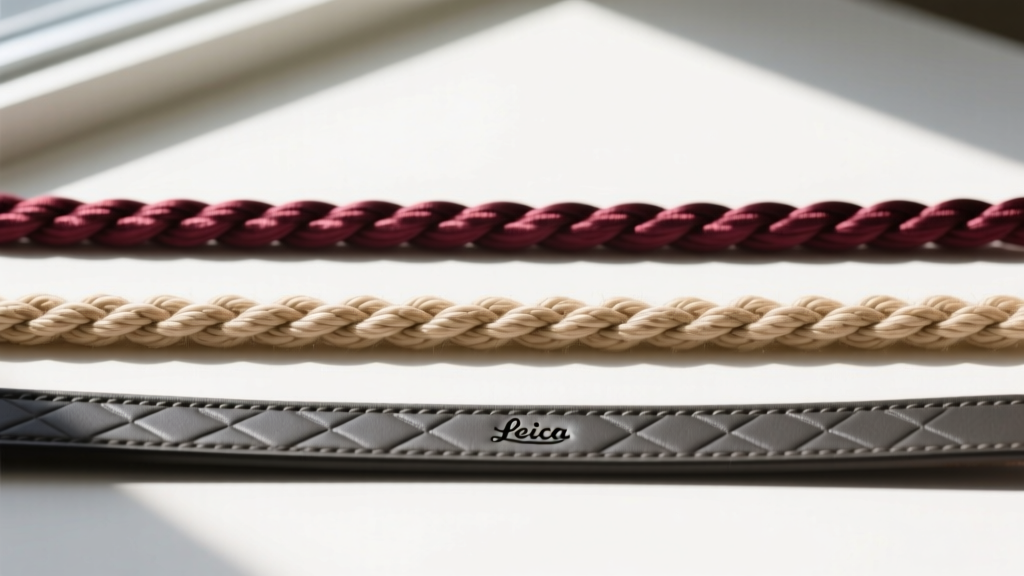
Hardware and Clasp Mechanics: The Hidden Luxury
The most common failure point of any corded necklace is the junction where the textile meets the clasp. Cheap necklaces rely on simple crimp beads that crush the cord, creating a sheer-stress point that inevitably snaps. Luxury corded necklaces employ advanced mechanical fittings and protective metalwork.
| Clasp Type | Material Grade | Durability & Failure Mode | Best Application |
|---|---|---|---|
| Bayonet Screw | 925 Sterling Silver / 18k Gold | Extremely high. Fails only if cross-threaded. | Heavy gemstone pendants over 20 carats. |
| Neodymium Magnetic | PVD-Coated Stainless Steel | High. Fails if subjected to extreme lateral shear. | Everyday wear, accessibility-focused designs. |
| Aglet & Lobster | Brass with Rhodium Plating | Moderate. Aglet glue can degrade with moisture. | Lightweight silk cords and pearl station necklaces. |
To prevent fraying at the termination point, master jewelers use a technique involving French wire (also known as gimp). This micro-coiled metal spring is threaded onto the cord before the clasp is attached, creating a protective metal shield that absorbs the friction and bending stress caused by putting the necklace on and taking it off.
The 2026 Layering Framework: Mixing Cords with Chains
Layering is no longer about throwing on random lengths; it requires a calculated approach to texture, weight, and negative space. The corded necklace acts as the perfect anchor in a mixed-metal or mixed-texture stack. Here is the definitive 2026 framework for layering cords with metal chains:
- The Base Layer (15-16 inches): Start with a 1.0mm braided silk corded necklace featuring a minimal, bezel-set diamond or sapphire slider. This sits close to the collarbone and provides a soft, organic baseline.
- The Mid Layer (18-19 inches): Introduce a 2.0mm to 2.5mm metal chain, such as a yellow gold Cuban link or a white gold box chain. The visual weight of the metal contrasts sharply with the matte texture of the cord beneath it.
- The Statement Layer (22-24 inches): Finish with a thicker 2.0mm waxed cotton corded necklace holding a large, sculptural pendant or a raw, uncut gemstone. This draws the eye downward, elongating the neck and torso.
When executing this framework, maintain a strict two-inch gap between each layer to prevent tangling and ensure that each piece's distinct material properties are visible.
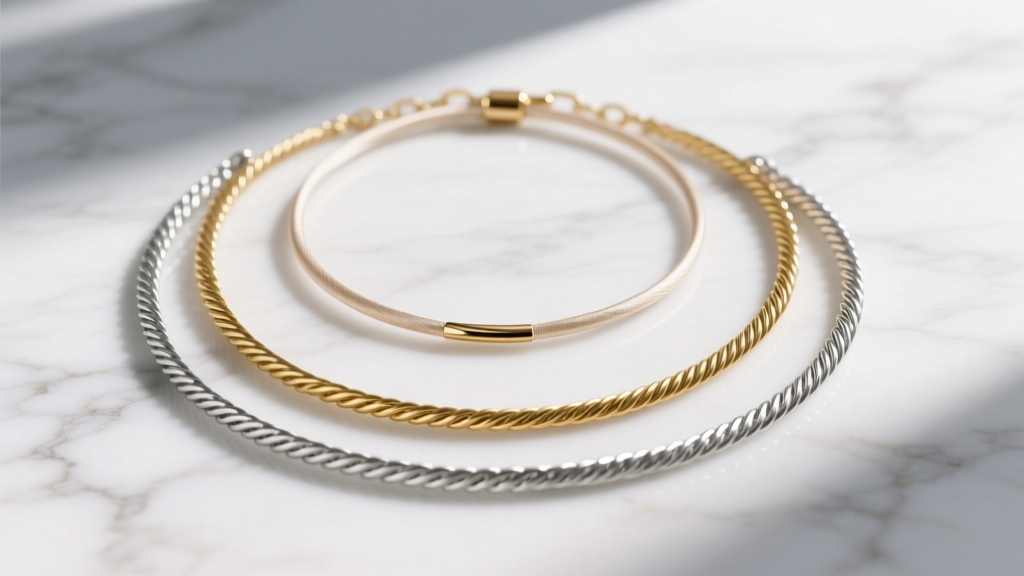
Pricing Tiers and Market Positioning
Understanding the pricing architecture of corded necklaces helps consumers identify true value versus brand markup. The market is distinctly segmented into three tiers based on material provenance and hardware complexity.
Entry-Level ($30 - $80): These pieces typically feature machine-braided cotton or basic synthetic cords with glued aglets and standard brass lobster clasps. While perfectly fine for seasonal trends, they are susceptible to moisture damage and clasp failure within 12 to 18 months of regular wear.
Mid-Tier Artisan ($120 - $350): This is the sweet spot for quality. Expect hand-waxed linen or high-grade silk cords, finished with solid sterling silver bayonet or magnetic clasps. The cords are often treated with UV-inhibitors, and the termination points are secured with professional crimp covers or wire guardians.
High Jewelry ($800 - $5,000+): At this echelon, the cord is secondary to the precious materials it supports. You will find 18k gold integrated tube clasps, hand-knotted silk with microscopic precision, and cords designed specifically to hold five-figure gemstone pendants. Brands in this space treat the textile with the same reverence as a precious metal chain.
Care, Maintenance, and Failure Modes
Even the most expensive corded necklace requires specific maintenance protocols to ensure longevity. The primary enemy of organic cords (cotton, silk, hemp) is moisture and skin acidity. Over time, the accumulation of sweat and lotions can break down the cellular structure of natural fibers, leading to a condition known as 'dry rot' in silk, where the cord becomes brittle and snaps under minimal tension.
To mitigate this, collectors should wipe down waxed cotton and silk cords with a slightly damp, lint-free microfiber cloth after wearing them in high-humidity environments. Avoid ultrasonic cleaners at all costs; while safe for metal chains, the high-frequency vibrations can shatter the delicate internal structure of braided textiles and loosen the adhesives used in aglet fittings.
"A corded necklace is a living accessory. Unlike gold or platinum, organic textiles interact with your environment and your body chemistry. Rotating your cords and allowing them to 'rest' and dry out between wears will easily double their lifespan." — Master Jeweler & Textile Specialist, 2026 Guild Report.
Ultimately, the corded necklace in 2026 is a testament to the jewelry industry's ability to elevate the mundane into the magnificent. By understanding the nuances of material grades, clasp mechanics, and proper layering techniques, you can harness this trend to build a jewelry wardrobe that is both deeply personal and structurally enduring.


