The Modern Necklace Charm: 2026 Trend Analysis & Styling Guide
Discover the top necklace charm trends for 2026. Learn how to curate, layer, and style modular charms with expert insights on materials and chain pairings.

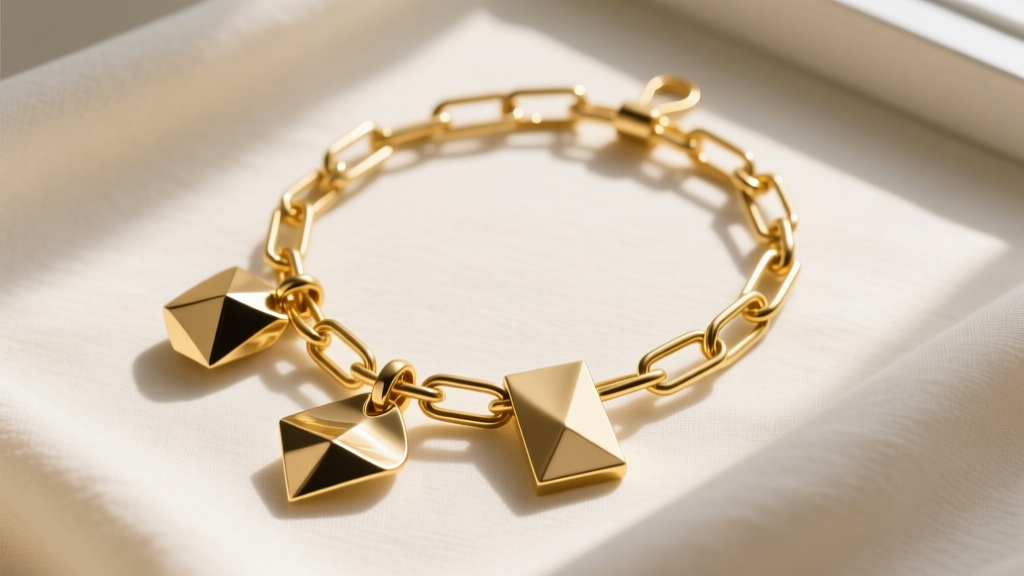
The Evolution of the Necklace Charm: From Sentimental to Sculptural
The jewelry landscape in 2026 has decisively shifted away from mass-produced, uniform pendants toward highly personalized, modular storytelling. At the center of this movement is the modern necklace charm. No longer confined to the jangling, overloaded bracelets of the early 2000s, today's necklace charms are sculptural, intentional, and engineered for sophisticated layering. According to trend forecasting data from The Business of Fashion, consumer demand for modular fine jewelry has grown by 34% year-over-year, driven by a desire for "curated maximalism"—a style philosophy that prioritizes meaningful, high-quality individual components over disposable trend pieces.
This evolution is deeply rooted in metallurgy and structural design. Modern collectors are no longer threading cheap alloy charms onto fragile chains. Instead, they are investing in work-hardened 14k and 18k gold components, lab-grown gemstone inlays, and precision-machined bails that allow charms to glide seamlessly along heavier, architectural chains.
2026 Material & Motif Trends in Charm Jewelry
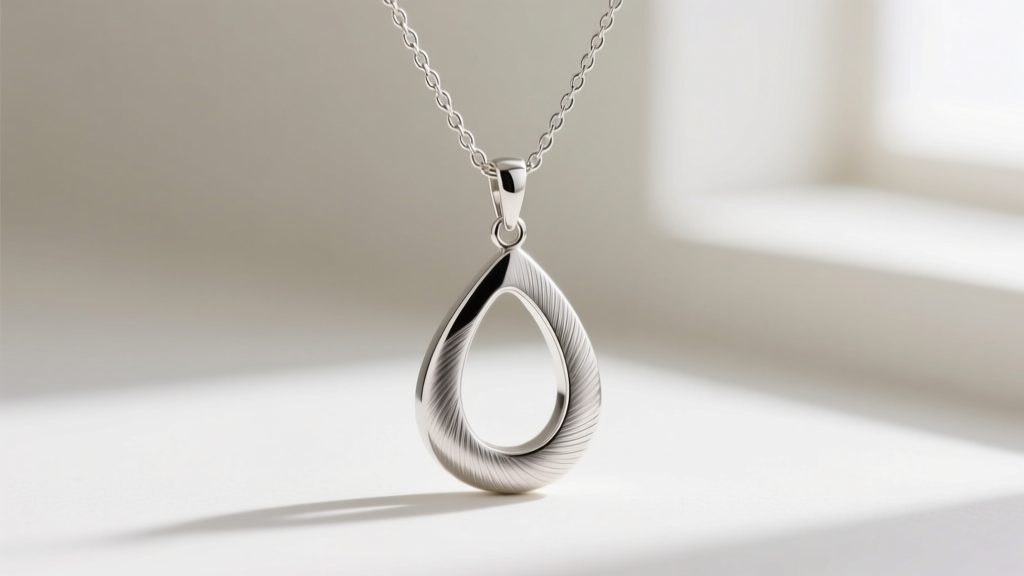
The Rise of "Quiet" Charms and Brutalist Textures
The "quiet luxury" trend has matured into what industry experts call "tactile minimalism." In 2026, the most sought-after necklace charms feature brutalist textures: sandblasted finishes, raw unpolished edges, and hammered surfaces that catch the light unpredictably. These charms are typically cast in recycled 18k yellow gold or platinum, weighing between 4 and 8 grams. The focus is on the Vickers hardness of the metal and the organic feel of the texture, rather than high-polish shine or excessive diamond pavé.
Lab-Grown Gemstone Drops and Ethical Inlays
As noted by the Gemological Institute of America (GIA), the integration of lab-grown gemstones into everyday fine jewelry has reached a tipping point. Modern necklace charms frequently feature tension-set lab-grown sapphires or bezel-set recycled diamonds. The trend favors "imperfect" cuts—such as rustic rose cuts or asymmetrical kites—which are suspended from the main chain via hidden bails, creating the illusion of a floating gemstone.
The Architecture of a Modern Charm Necklace
Building a modular charm necklace requires a strict understanding of jewelry mechanics. A common failure mode in charm necklaces is the deformation of the jump ring or the snapping of the chain due to dynamic load (the swinging motion of the charm). To prevent this, the relationship between chain gauge, charm weight, and bail aperture must be perfectly balanced.
| Chain Type & Width | Max Charm Weight | Required Bail / Jump Ring Spec | Best Clasp Type |
|---|---|---|---|
| 1.0mm - 1.5mm Cable Chain | Up to 3.5g | 3-4mm pinch bail; 0.6mm wire jump ring | 5mm Spring Ring |
| 2.0mm - 2.5mm Paperclip / Rope | 4g to 12g | 5-7mm hidden bail; 0.8mm soldered ring | 12mm Lobster Clasp |
| 3.5mm+ Curb / Cuban Chain | 15g to 30g+ | 8mm+ heavy-duty bail or direct thread | 15mm Box Clasp w/ Safety Latch |
Expert Note: Never use unsoldered jump rings for charms exceeding 5 grams. The lateral friction of a heavy charm will eventually work the jump ring open, leading to loss. Always opt for laser-soldered or hard-soldered rings with a minimum wire thickness of 0.8mm.
Curation Framework: Building a Modular Collection
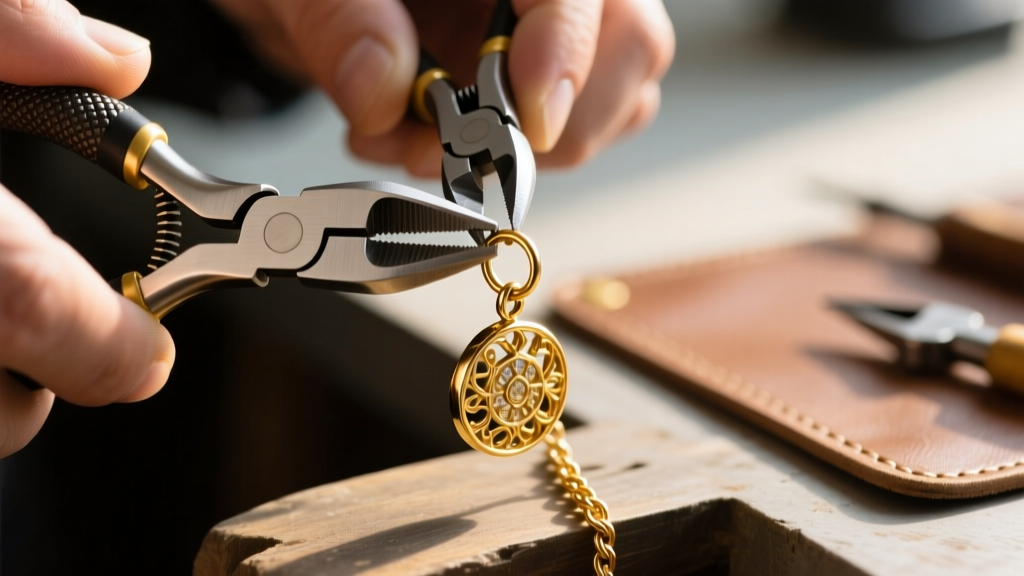
Curating a charm necklace in 2026 is an exercise in spatial awareness. The "Rule of Odds" remains a foundational styling principle: necklaces visually resolve best with 1, 3, or 5 charms. However, the modern approach relies heavily on asymmetrical placement and adjustable hardware.
- The Slider Technique: Utilize chains with integrated silicone or metal-lined slider beads. This allows you to move a single, bold 15g sculptural charm off-center, creating an avant-garde, asymmetrical drape that updates daily.
- Weight Distribution: If wearing three charms, graduate the weight. Place a 4g charm near the clasp, an 8g charm in the middle, and a 12g focal charm at the bottom. This prevents the lighter charms from sliding down and clustering at the base of the neck.
- Mixed Metal Bails: A major 2026 trend is mixing metal tones within the hardware. Pairing an 18k yellow gold chain with white gold or platinum charm bails creates a subtle, high-contrast architectural detail that elevates the piece.
Styling Necklines with Asymmetrical Charm Placements
The placement of your necklace charm must interact dynamically with your garment's neckline. Here is a technical styling guide for the most common silhouettes:
Crew Necks and High Collars
Opt for a 16-inch choker-length chain (like a 2.5mm box chain) featuring a single, bold, off-center charm. The rigid structure of the box chain holds the charm in place against the collarbone without tangling in the fabric.
Deep V-Necks
Utilize a 20-inch or 22-inch rope chain. The spiral structure of a rope chain prevents it from twisting. Cascade three charms of varying lengths (e.g., 16", 18", and 20" on a multi-strand converter, or spaced out on a single long chain) to mirror and elongate the V-shape of the garment.
Scoop Necks and Silk Blouses
Layer a delicate 18" cable chain with a single 3g "quiet" charm over a 24" chain featuring a heavy brutalist pendant. Ensure the longer chain is at least 4 inches longer than the shorter one to prevent the clasps and charms from catching on one another, which can cause micro-scratches on high-polish gold surfaces.
Maintenance and Hardware Longevity
The longevity of a modular charm necklace relies entirely on its weakest mechanical link. According to manufacturing insights featured in JCK Online, clasp failure accounts for over 60% of lost fine jewelry. Spring ring clasps are notoriously fragile under the dynamic load of heavy charms; the internal spring mechanism easily fatigues and snaps.
For any necklace charm setup exceeding 10 grams of total weight, upgrade your hardware. Invest in a solid 12mm or 14mm lobster clasp with a reinforced trigger. For heirloom-level pieces featuring heavy platinum or solid gold charms, a box clasp equipped with a secondary figure-8 safety latch is mandatory. Additionally, have a professional jeweler inspect the solder points on your charm bails every 12 months. Daily wear causes micro-abrasions on the bail where it rubs against the chain, which can eventually wear through the metal loop and detach the charm.


