Cowrie Shell Necklace Value and Pricing Guide 2026
Discover the true value of a cowrie shell necklace in 2026. Compare pricing tiers, spot resin fakes, and assess hardware quality before you buy.

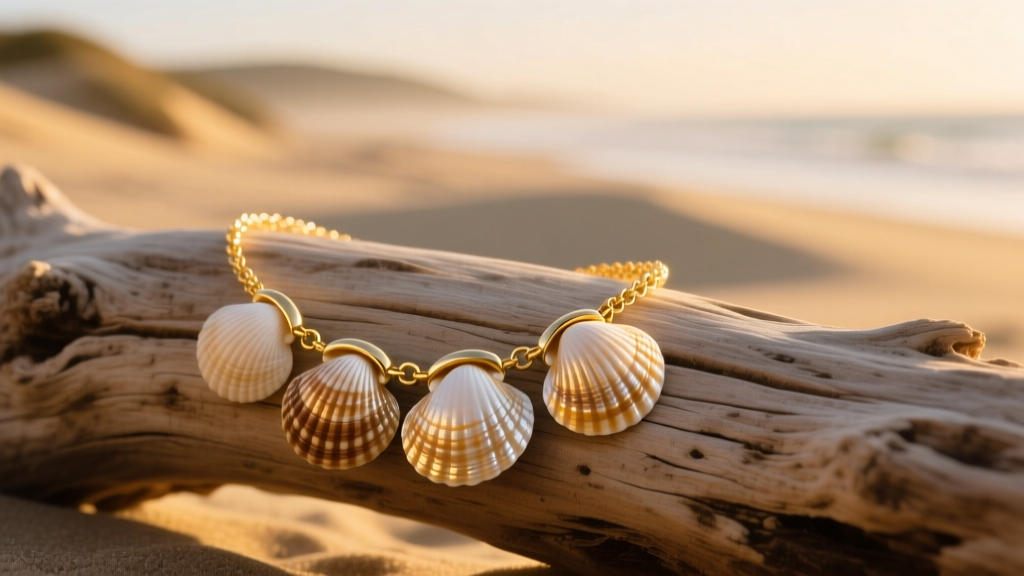
The True Cost of a Cowrie Shell Necklace in 2026
The cowrie shell necklace has transitioned from ancient currency and tribal adornment to a staple of modern bohemian and coastal fashion. However, as the demand for organic, beach-inspired jewelry surges in 2026, the market has become heavily saturated with mass-produced imitations and overpriced boutique pieces. For the discerning buyer, understanding the actual value of a cowrie shell necklace requires looking past the aesthetic and examining the material science, lapidary craftsmanship, and hardware integrity. Are you paying for genuine calcium carbonate harvested ethically, or are you funding a fast-fashion supply chain of molded resin and tarnishing brass?
This comprehensive value assessment breaks down the exact pricing tiers, material grades, and failure modes of cowrie shell necklaces on the market today. By the end of this guide, you will possess the expert framework needed to evaluate whether a specific piece is a durable investment or a fragile liability.
Material Breakdown: What Are You Actually Paying For?
To assess value, we must first deconstruct the necklace into its three core components: the shell, the stringing material, and the hardware. Each element dictates the longevity and price point of the piece.
Shell Quality: Natural vs. Synthetic
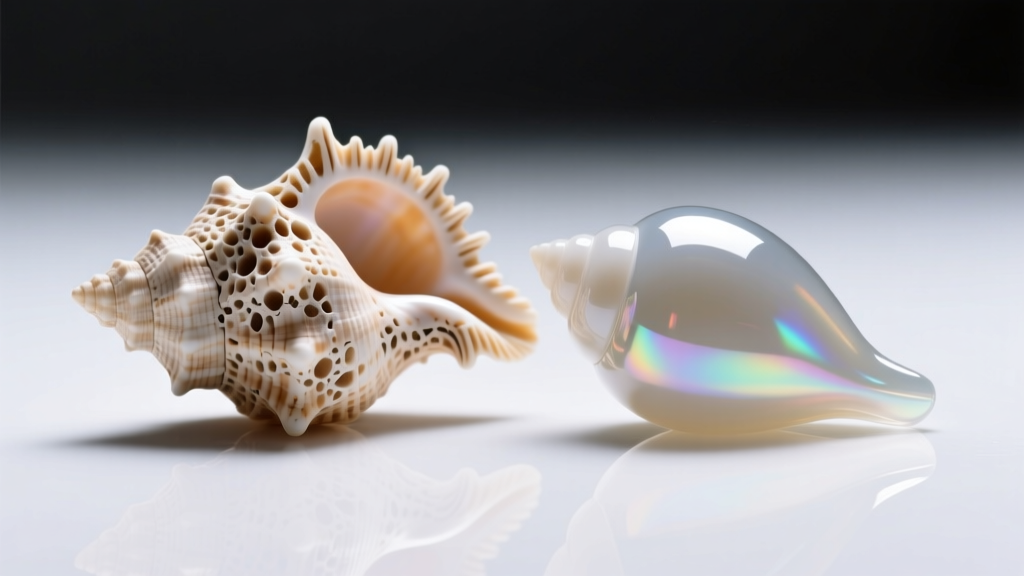
Genuine cowrie shells, primarily from the Monetaria moneta (money cowrie) or Cypraea tigris (tiger cowrie) species, are composed of calcium carbonate. On the Mohs scale of mineral hardness, shell ranks between 3 and 4, making it relatively soft and susceptible to scratching. High-value necklaces feature natural shells that exhibit a distinct, pearlescent luster and slight asymmetrical variations in their dorsal ridges.
Conversely, budget necklaces often utilize cast resin or polymer clay. While modern molding techniques can replicate the visual texture of a shell, they fail the thermal and weight tests. Natural calcium carbonate remains cool to the touch and possesses a dense, specific gravity that resin cannot mimic. Furthermore, inspecting the drill holes is critical. Authentic shells drilled with cheap, manual rotary tools (like a Dremel) will show micro-chipping and 'blowout' fractures at the exit point. High-end artisans use ultrasonic or slow-speed diamond-tipped drilling to preserve the structural integrity of the shell, preventing future cracking along the stringing axis.
Stringing Materials and Tensile Strength
The cord is the hidden failure point of most organic jewelry. A genuine cowrie shell necklace meant for daily or beach wear must withstand the corrosive effects of human sweat, saltwater, and UV exposure.
- Waxed Cotton/Hemp (Low Value): Common in the $15–$30 range. While aesthetically pleasing, natural fibers absorb moisture, leading to rot, mildew, and eventual snapping. Tensile strength degrades by up to 60% after repeated exposure to saltwater.
- Standard Nylon (Mid Value): Better moisture resistance, but prone to UV degradation and fraying against the abrasive edges of poorly drilled shell holes.
- Marine-Grade C-Lon or Waxed Micro-Macramé Cord (High Value): The industry standard for premium organic jewelry. These synthetic cords boast a tensile strength exceeding 20 pounds, resist UV fading, and do not absorb water or sweat, ensuring the necklace outlasts the shells themselves.
Hardware Integrity: The Hidden Cost of Cheap Alloys
According to the Federal Trade Commission Jewelry Guides, metal stamping and alloy disclosures are strictly regulated, yet many imported bohemian necklaces bypass these standards. The clasp and jump rings on a cowrie shell necklace dictate its functional lifespan.
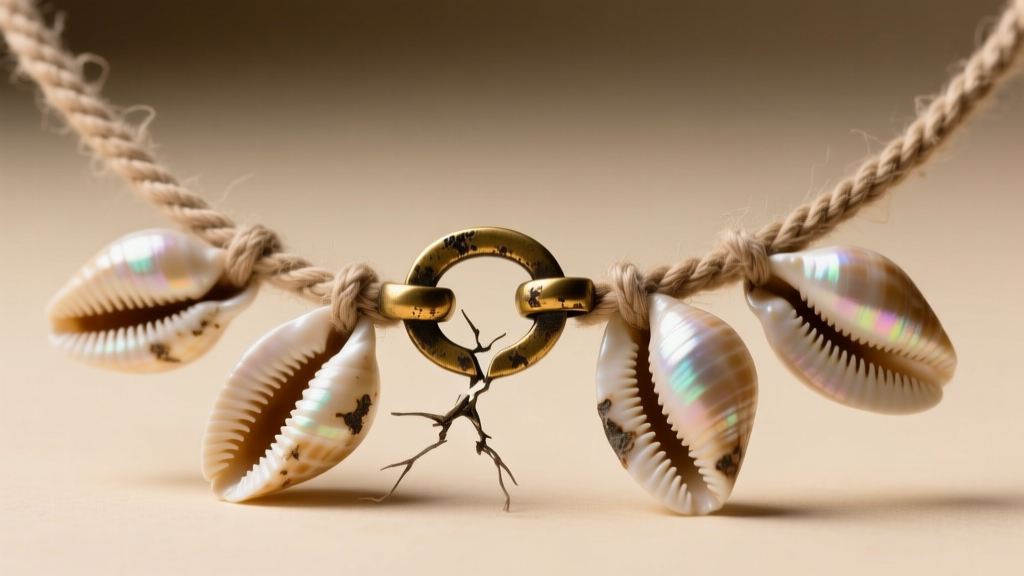
Budget pieces frequently employ zinc alloy or raw brass. Brass is a copper-zinc alloy that reacts aggressively with the lactic acid and salts in human sweat. This chemical reaction produces copper chloride, which not only turns the wearer's skin green but also causes the metal to become brittle and snap under minimal tension. High-value cowrie shell necklaces utilize 14k gold-filled hardware or solid 925 sterling silver. Gold-filled components feature a thick outer layer of solid gold mechanically bonded to a brass core, offering decades of tarnish resistance and structural durability that mere gold-plated or brass findings cannot achieve.
2026 Pricing Tiers and Value Assessment
To help you navigate the current market, we have categorized cowrie shell necklaces into three distinct pricing tiers based on material sourcing, craftsmanship, and hardware quality.
| Tier | Price Range | Shell Quality | Hardware & Cord | Value Verdict |
|---|---|---|---|---|
| Fast Fashion | $12 – $28 | Molded resin or heavily bleached, fragile natural shells with blown-out drill holes. | Zinc alloy/brass clasps; standard cotton or thin nylon cord. | Poor. High risk of skin discoloration, cord snapping, and shell shattering within one season. |
| Mid-Market Boutique | $35 – $75 | Genuine cowrie shells, uniformly bleached. Moderate drill-hole chipping. | Gold-plated brass or sterling silver; basic waxed cotton or nylon cord. | Fair. Acceptable for occasional wear, but plating will wear off and cotton will degrade with water exposure. |
| Artisanal / Ethical | $85 – $220+ | Unbleached or naturally shed Monetaria moneta; precision diamond-drilled holes. | 14k Gold-filled or solid 925 silver; marine-grade C-Lon or micro-macramé. | Excellent. Built for lifelong daily wear, water-resistant, and ethically sourced. |
Expert Insight: If a brand charges over $80 for a cowrie shell necklace but uses a basic lobster clasp made of unverified 'gold-tone' metal and a simple cotton string, you are paying for the brand name, not the material value. Always demand hardware transparency.
Ethical Sourcing: The Environmental Premium
Value is not solely defined by monetary cost; it also encompasses environmental impact. The mass harvesting of live cowrie shells has historically disrupted local marine ecosystems and impacted indigenous communities that rely on these species for local ecological balance. The Responsible Jewellery Council emphasizes the importance of traceable supply chains for all organic gems, including shell, coral, and pearl.
Premium, high-value cowrie shell necklaces often carry an 'ethical premium.' Artisans who source shells from regulated, sustainable fisheries—or those who exclusively use naturally shed shells washed ashore—charge more to reflect fair-trade wages and ecological preservation. When assessing a $150 artisanal piece, you are partially funding sustainable marine practices rather than destructive dredging operations. Always look for brands that explicitly state their shell sourcing methods; vague terms like 'naturally sourced' without geographic or methodological context are often red flags for greenwashing.
Longevity and Care: Protecting Your Investment
Even a high-value, ethically sourced cowrie shell necklace requires specific care to maintain its structural and aesthetic integrity. Because calcium carbonate is highly reactive to acids, exposing your necklace to harsh chemicals will rapidly degrade the shell's surface.
Actionable Maintenance Framework
- The pH Rule: Never wear your cowrie shell necklace while swimming in chlorinated pools. Chlorine is a harsh chemical that will eat away at the calcium carbonate, leaving the shell dull, chalky, and brittle.
- The Quartz Threat: Beach sand is primarily composed of quartz, which ranks at a 7 on the Mohs scale. Because cowrie shells are a 3 or 4, rolling in the sand or tossing the necklace carelessly into a beach bag with sandy items will result in severe micro-scratches. Store the piece in a soft microfiber pouch.
- Hardware Flushing: If you wear the necklace in the ocean, rinse the entire piece—including the gold-filled or silver hardware—in fresh, distilled water afterward. Saltwater crystallization inside the clasp mechanism is the leading cause of mechanical failure in premium jewelry.
Final Verdict: Where Should You Spend Your Money?
In 2026, the smartest budget allocation for a cowrie shell necklace avoids the extreme low end and the inflated mid-market. The $15 fast-fashion options are essentially disposable, destined for landfills once the brass turns your skin green and the cotton cord rots. Conversely, paying $250+ for a simple shell necklace often crosses into diminishing returns, where you are paying purely for luxury branding rather than material superiority.
The ultimate value sweet spot lies in the $85 to $150 range. At this price point, you secure genuine, precision-drilled shells, marine-grade synthetic cording, and 14k gold-filled hardware that will endure years of daily wear. By prioritizing lapidary precision and metallurgical integrity over fleeting brand trends, you ensure your cowrie shell necklace remains a timeless, durable fixture in your jewelry collection.


