How to Craft and Safely Fit a Custom Dog Pearl Necklace
Learn how to craft a safe, luxury dog pearl necklace with our step-by-step guide. Discover breakaway clasps, pearl grades, and proper sizing techniques.

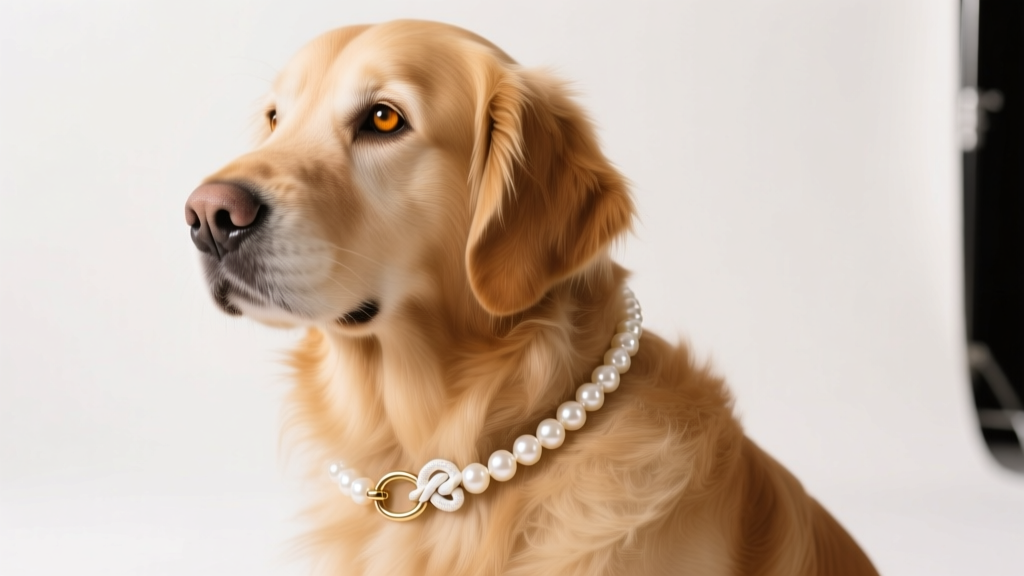
As the luxury pet accessory market continues to expand in 2026, the demand for bespoke, high-end pet jewelry has reached unprecedented heights. Among the most coveted items is the dog pearl necklace, a sophisticated accessory that bridges the gap between human fine jewelry and canine fashion. However, designing jewelry for animals requires a fundamentally different approach than designing for humans. Dogs scratch, pull, and snag their accessories on branches and furniture, turning a standard necklace into a potential choking hazard if not engineered correctly.
This comprehensive, step-by-step guide will teach you how to craft a stunning, safe, and durable dog pearl necklace. We will cover material selection, precise anatomical sizing, and the critical safety mechanisms required to ensure your pet remains both elegant and secure.
The Anatomy of a Safe Dog Pearl Necklace
Before sourcing materials, it is vital to understand the safety standards required for pet neckwear. According to the ASPCA's guidelines on collar safety, any necklace or collar worn by an unsupervised or active dog must feature a release mechanism to prevent strangulation. A standard lobster clasp or spring ring is entirely inappropriate for a dog pearl necklace.
Furthermore, traditional silk-thread knotting—while beautiful for human pearl strands—lacks the tensile strength to withstand a dog's sudden movements. If a silk strand snaps, the pearls scatter, and the dog may ingest them, leading to severe intestinal blockages. Therefore, modern canine jewelry relies on nylon-coated stainless steel beading wire paired with specialized breakaway hardware.
Sourcing the Right Pearls and Hardware
Not all pearls are created equal, and selecting the right grade is crucial for durability. We highly recommend using AAA-grade Freshwater pearls rather than Akoya or Saltwater pearls. Freshwater pearls are solid nacre, meaning they are less likely to chip or flake when subjected to the scratches of a dog's hind legs. For a complete breakdown of nacre thickness and luster grading, refer to the GIA's Pearl Quality Factors guide.
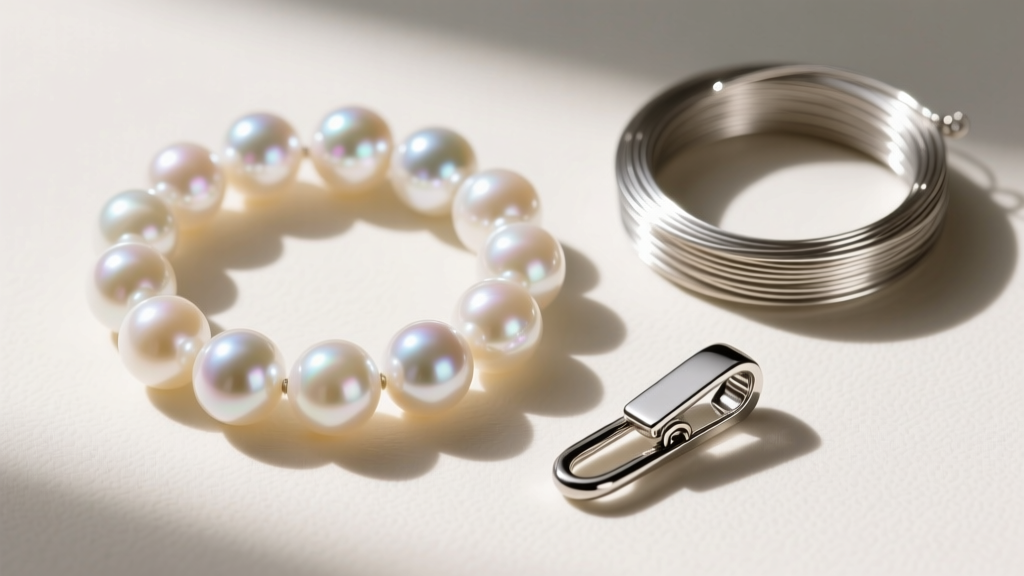
Materials Specification Chart
| Component | Specification | Purpose & Safety Benefit |
|---|---|---|
| Pearls | 6mm-8mm AAA Freshwater | Solid nacre resists chipping; lightweight for canine comfort. |
| Stringing Wire | 49-Strand .018' Nylon-Coated Steel | Provides high tensile strength and drape; prevents snapping. |
| Clasp | 10mm Magnetic Breakaway | Releases under 8-10 lbs of lateral pressure to prevent choking. |
| Wire Protectors | Sterling Silver French Wire (Bullion) | Prevents metal-on-metal friction from cutting the wire at the loop. |
| Crimp Beads | 2mm Sterling Silver Seamless Tubes | Secures the wire without sharp edges that could irritate the dog's fur. |
Step-by-Step Sizing and Measurement
A poorly fitted dog pearl necklace will either restrict breathing or slip over the dog's ears. To achieve the perfect fit, you must employ the 'Two-Finger Rule' alongside precise tape measurements.
- Positioning: Have the dog stand naturally. Measure the middle of the neck, exactly where a standard collar rests (usually just below the Adam's apple and above the shoulder blades).
- The Base Measurement: Pull the soft measuring tape snug, but not tight. Record this number.
- The Comfort Allowance: Add exactly 1.5 inches to the base measurement. This allows enough room to comfortably slide two fingers between the pearls and the dog's fur.
- Breed-Specific Averages: While you must always measure the individual dog, typical neck sizes range from 8-10 inches for Chihuahuas, 12-14 inches for French Bulldogs, and 16-20 inches for Golden Retrievers.
Pro-Tip: If you are designing a matching owner-and-pet set, ensure the dog's necklace sits slightly higher on the neck than a human choker to account for the animal's sloping shoulder anatomy.
Stringing and Knotting: The Choking-Hazard Prevention Method
Now that you have your materials and measurements, it is time to assemble the necklace. This method utilizes micro-crimping and French wire to ensure the necklace remains intact under normal wear, while the magnetic clasp provides the ultimate fail-safe.
Assembly Instructions
- Prepare the Wire: Cut a length of 49-strand .018' beading wire that is 6 inches longer than your final desired necklace length. This excess is necessary for securing the clasps.
- Attach the First Clasp Half: Thread the wire through a 2mm crimp tube, then through the loop of the magnetic breakaway clasp. Bring the wire back down through the crimp tube, creating a small loop.
- Apply French Wire: Before tightening, slide a 1-inch piece of sterling silver French wire over the loop. This protects the steel wire from the friction of the metal clasp during daily walks.
- Micro-Crimp: Using a specialized micro-crimping tool, compress the crimp tube into a rounded, bead-like shape. Trim the excess tail wire flush with the crimp.
- String the Pearls: Thread your 6mm-8mm freshwater pearls onto the wire. Because we are using steel wire, we do not knot between each pearl; instead, we use 1mm silicone spacer beads every three pearls to prevent the necklace from bending at harsh angles and to give it a flexible, fabric-like drape.
- Attach the Second Clasp Half: Repeat the crimping and French wire process on the opposite end. Before finalizing the crimp, use a bead stopper to pull the wire taut, ensuring there is no stiff 'dead space' between the pearls, but leaving just enough flexibility so the wire doesn't bow outward.
Styling Your Dog's Pearl Necklace for Events
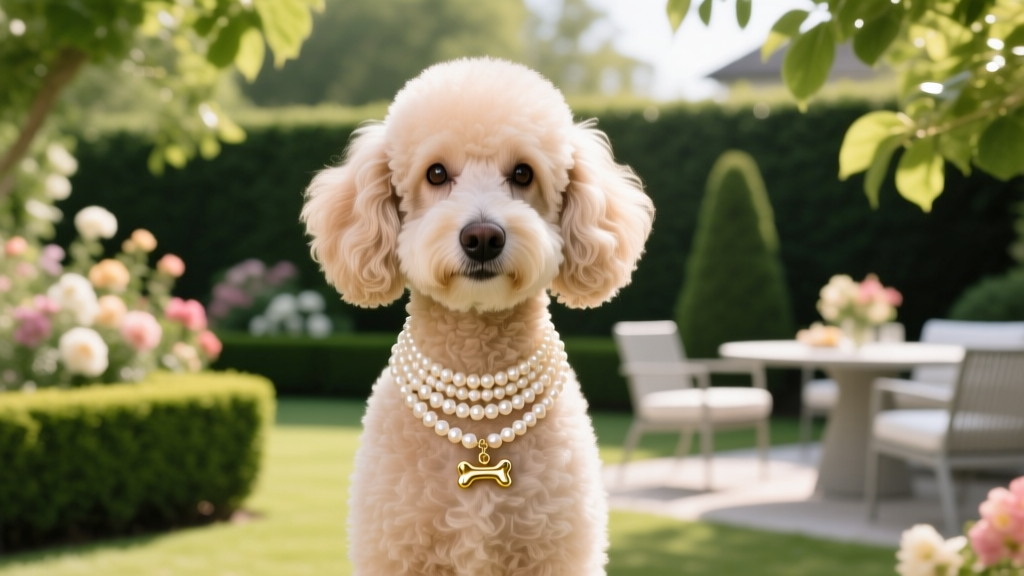
The beauty of a custom dog pearl necklace lies in its versatility. For formal events, such as weddings or outdoor garden parties, a single strand of 8mm white freshwater pearls offers a timeless, Audrey Hepburn-esque elegance. For a more modern, streetwear-inspired aesthetic, consider layering the pearl strand with a lightweight, 14k gold-filled Cuban link chain, creating a mixed-texture look that is highly popular in 2026 urban pet fashion.
You can also incorporate a focal pendant. A small, solid gold bone charm or a custom-engraved pearl capsule adds a personalized touch. Ensure that any pendant is securely jump-ringed and soldered shut; open jump rings will easily be pulled apart by a dog's scratching.
Maintenance and Cleaning Protocols
Dogs are naturally messy, and their jewelry requires specific maintenance to preserve the pearl's luster. Pearls are organic gemstones with a low rating on the Mohs hardness scale, making them highly susceptible to acids, perfumes, and harsh chemicals.
- After Every Wear: Wipe the pearls down with a clean, slightly damp microfiber cloth to remove dog dander, saliva, and environmental oils.
- Deep Cleaning: Once a month, use a drop of mild, phosphate-free baby shampoo on a soft cloth to gently polish the nacre. Never submerge the necklace in water, as this can degrade the nylon coating on the steel wire and weaken the crimp seals.
- Storage: Store the necklace flat in a soft flannel pouch. Never hang a pearl necklace, as the constant gravitational pull can stretch the wire and create permanent gaps between the beads.
By adhering to these rigorous material standards and safety protocols, you can create a breathtaking dog pearl necklace that serves as a safe, luxurious statement piece for your canine companion for years to come.


