Chain Anatomy and Durability for Guys That Wear Necklaces
Discover the metallurgy, link architecture, and clasp mechanics behind durable chains. The ultimate technical guide for guys that wear necklaces.

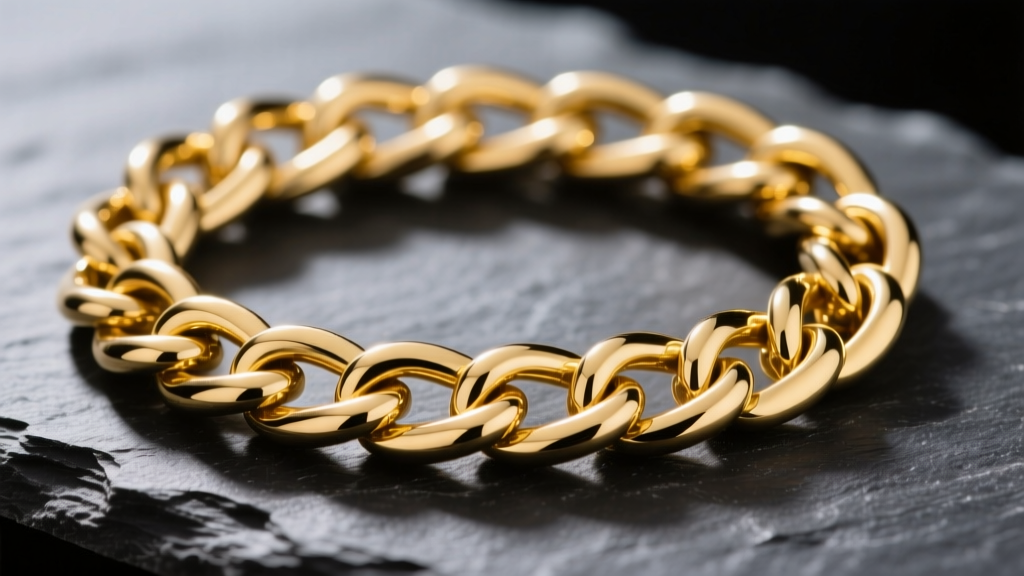
The landscape of men's jewelry has evolved dramatically over the last decade. However, when it comes to the structural integrity of everyday chains, many buyers are left in the dark. For guys that wear necklaces daily, the difference between a chain that lasts a lifetime and one that snaps in the shower comes down to metallurgy, link architecture, and clasp engineering. This is not a superficial styling guide; this is a technical deep dive into the mechanics of men's necklaces, designed to help you make informed, durability-focused purchasing decisions.
The Metallurgy of Men's Chains: Hardness vs. Malleability
When evaluating precious metal chains, the karat system only tells half the story. The true measure of a chain's durability lies in its Vickers Hardness (HV) rating and its specific alloy composition. According to the Gemological Institute of America (GIA), pure 24k gold sits at a mere 25 HV, making it entirely unsuitable for tensile stress. To create durable chains, gold must be alloyed with metals like copper, silver, and zinc.
Gold Alloy Breakdown for Daily Wear
- 18k Gold (75% Au): ~125 HV. Offers a rich, saturated yellow hue but remains relatively soft. Best reserved for thicker chains (5mm+) where the cross-sectional area compensates for the lower yield strength.
- 14k Gold (58.3% Au): ~150 HV. The industry sweet spot for men's chains. The higher copper and zinc content provides excellent resistance to stretching and deformation, making it ideal for chains in the 3mm to 5mm range.
- 10k Gold (41.7% Au): ~230 HV. Exceptionally hard and highly resistant to scratching and snapping. The trade-off is a paler color and a higher risk of skin oxidation (the 'green neck' effect) due to the high copper content, especially when exposed to acidic sweat.
The Stainless Steel Alternative: 316L vs. 304
For guys that wear necklaces to the gym or in marine environments, stainless steel is often the superior choice. However, not all steel is created equal. While 304 stainless steel is common in cheap jewelry, 316L marine-grade stainless steel contains 2-3% molybdenum. This specific addition drastically increases resistance to pitting and crevice corrosion caused by chloride ions found in human sweat and saltwater. If you are buying a steel chain, verify the 316L stamp to ensure long-term structural integrity.
Link Architecture: Tensile Strength and Failure Points
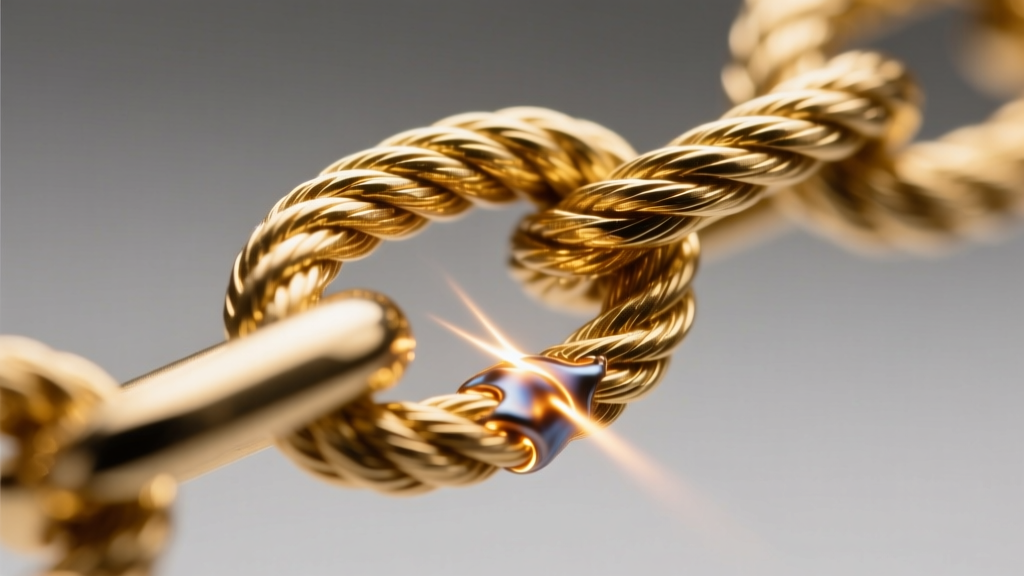
The geometry of a chain dictates how it distributes mechanical stress. A chain is only as strong as its weakest soldered joint. Manufacturing experts at Rio Grande emphasize that laser-welded links offer superior penetration and joint strength compared to traditional torch soldering, which can leave brittle flux residues if not cleaned properly.
Comparing Core Chain Styles
Different link structures handle torsion and tensile loads differently. Here is how the most popular styles for men perform under stress:
Expert Insight: Rope chains are notoriously difficult to repair. The twisted geometry creates multiple micro-solder points that can suffer from 'work hardening' over time, leading to brittle fractures that are nearly impossible to fix invisibly.
- Cuban Link: High surface area and flat profile. Excellent tensile strength because the links interlock tightly, distributing weight evenly. Highly resistant to snagging.
- Rope Chain: High flexibility but lower tensile strength per millimeter of width. The twisting motion places shear stress on the solder joints. Always buy fully soldered rope chains; hollow or unsoldered variants will unravel.
- Box Chain: Exceptional tensile strength due to the square, interlocking geometry. However, they lack flexibility and can kink permanently if bent at a sharp angle.
- Figaro Chain: A variation of the cable chain. The alternating long links are structural weak points, as they experience higher leverage and bending stress than the smaller links.
Clasp Mechanics: The Weakest Link in Men's Jewelry
A 50-gram, 14k solid gold Cuban chain is useless if it is secured by a $2 spring ring clasp. The clasp is almost always the primary failure point in men's jewelry. Understanding clasp mechanics is crucial for guys that wear necklaces with heavy pendants or thick links.
| Clasp Type | Max Load Capacity | Primary Failure Mode | Best Application |
|---|---|---|---|
| Spring Ring | Under 10g | Internal spring fatigue; corrosion | Lightweight, thin chains (under 2mm) |
| Lobster Clasp | 15g - 30g | Swivel joint wear; lever snapping | Medium chains and pendant holders |
| Box / Tongue Clasp | 50g - 150g+ | Tongue loses temper (springiness) | Heavy Cuban, Franco, and Rope chains |
| Magnetic Clasp | Variable (Neodymium) | Sudden lateral shear separation | Accessibility needs; not for heavy loads |
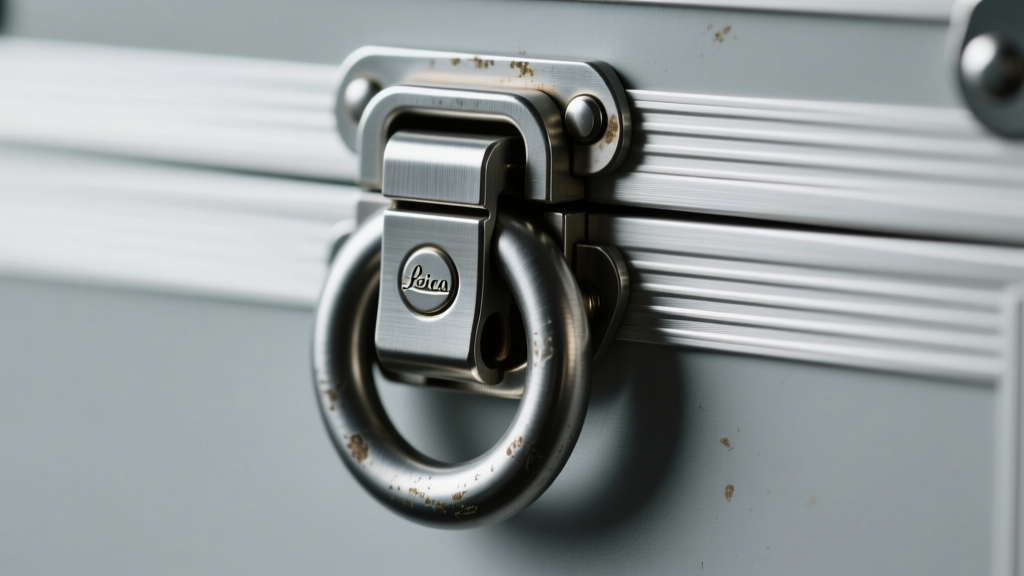
For any chain exceeding 4mm in thickness or weighing more than 30 grams, a box clasp with a figure-eight safety latch is mandatory. The tongue of a box clasp must be stamped from a metal with high 'spring back' memory, such as hardened 14k gold or titanium. If the tongue bends and does not snap back into place with an audible click, the metallurgy is flawed, and the clasp will eventually slide open.
Sizing, Gauge, and Proportion Framework
Beyond durability, the physical dimensions of a chain must align with human anatomy and the intended use case. According to styling guidelines featured in GQ, proportion is just as critical as the metal itself. Here is a technical framework for selecting the right gauge and length.
Length Mapping
- 18 Inches (45cm): Sits tightly at the base of the neck (collarbone). Best for thin chains (1.5mm - 2.5mm) worn under a shirt.
- 20 Inches (50cm): Rests on the upper chest, just below the collarbone. The universal standard for men's chains, accommodating most pendants without choking the wearer.
- 22 - 24 Inches (55 - 60cm): Falls mid-chest or upper sternum. Required for thick chains (6mm+) or oversized pendants to maintain visual balance and physical comfort.
Gauge and Pendant Weight Ratios
A common mistake is pairing a heavy pendant with a thin chain, leading to accelerated wear at the bail (the loop holding the pendant). As a general engineering rule, the chain's weight should be at least 1.5 to 2 times the weight of the pendant. If you are hanging a 20-gram pendant, you need a chain that weighs at least 30 to 40 grams to prevent the pendant from acting as a pendulum that fatigues the neck links through constant friction.
Maintenance and Ultrasonic Cleaning Protocols
Proper maintenance extends the fatigue life of your jewelry. Dirt, dead skin, and sebum act as abrasives, grinding down the interior of chain links every time the necklace moves. While ultrasonic cleaners are popular, they must be used with technical precision.
Standard jewelry ultrasonic cleaners operate at 40kHz. While excellent for solid rings, the cavitation bubbles generated at this frequency can create micro-fractures in delicate or hollow chains, and can easily snap unsoldered links. For men's chains, especially rope or intricate Franco styles, opt for a 80kHz or higher frequency cleaner, which produces smaller, gentler cavitation bubbles. Alternatively, manual cleaning using a soft horsehair brush, warm distilled water, and a mild non-phosphate surfactant is the safest method to preserve the structural integrity and factory polish of your chain.
Ultimately, for guys that wear necklaces as a daily staple, treating jewelry as a piece of wearable engineering rather than just an accessory will save you from heartbreak and expensive repairs. Pay attention to the Vickers hardness, demand laser-welded links, and never compromise on the clasp.


