How to Craft and Style an Eve's Necklace Seed Pod Necklace
Learn how to harvest, seal, and wire-wrap an Eve's necklace seed pod into a stunning botanical pendant with our step-by-step jewelry crafting guide.


The Rise of Botanical Jewelry: Why Eve's Necklace?
As sustainable and nature-inspired accessories dominate the 2026 jewelry trends, botanical jewelry has moved from niche craft fairs to high-end artisan boutiques. One of the most striking organic materials available to crafters is the seed pod of the Styphnolobium affine, universally known as the Eve's necklace. Native to the American Southwest, this small deciduous tree produces drooping clusters of seed pods that constrict between the seeds, creating a natural illusion of black pearls strung on a dark thread. According to the botanical classification of Styphnolobium affine, these pods are not only visually captivating but remarkably durable when properly cured.
Crafting an Eve's necklace seed pod pendant requires a delicate balance of botanical preservation and metalsmithing. Unlike traditional gemstones, organic materials react to moisture, temperature, and physical stress. This step-by-step guide will teach you how to ethically harvest, safely seal, and expertly wire-wrap an Eve's necklace pod into a wearable, museum-quality pendant.
Step 1: Sourcing and Harvesting the Pods Safely
The first rule of botanical jewelry is ethical and safe foraging. Eve's necklace trees bloom with fragrant pinkish-white wisteria-like flowers in spring, but you must wait until late autumn or early winter to harvest the pods.
- Visual Identification: Look for pods that have transitioned from leathery brown to a hard, glossy black. The constrictions between the seeds should be pronounced.
- Moisture Check: The pod should feel lightweight and rattle slightly when shaken. If it feels heavy or flexible, the moisture content is too high, which will lead to rot or warping indoors.
- Pest Inspection: Inspect the surface for tiny, perfectly round exit holes. These indicate weevil infestation. Discard any pods with holes, as the internal seeds may be compromised.
Safety Note: The seeds inside the pods contain quinolizidine alkaloids (specifically cytisine), which are toxic if ingested. Always wear gloves during the initial cleaning phase and keep raw pods away from pets and small children.
Step 2: Cleaning, Curing, and Sealing
Once harvested, the pods must be stabilized to prevent the pericarp (outer shell) from cracking and to lock in the natural "black pearl" luster.
The 3-Stage Sealing Process
- Cleaning: Gently wash the pods in lukewarm water with a drop of mild castile soap to remove dust and spiderwebs. Pat dry and let them air-dry on a wire rack for 48 hours.
- Micro-Crack Stabilization: Even if the pod looks intact, microscopic fissures can expand over time. Apply a thin layer of water-thin cyanoacrylate (CA) glue using a cotton swab. This acts as a penetrating wood hardener, bonding the fibrous outer shell.
- Topcoat and Luster: To achieve a permanent, high-gloss finish that protects against skin oils and humidity, apply three thin coats of a UV-resistant clear polyurethane or jewelry-grade epoxy resin. Allow 24 hours of curing time between coats in a low-dust environment.
Step 3: Wire-Wrapping the Pendant
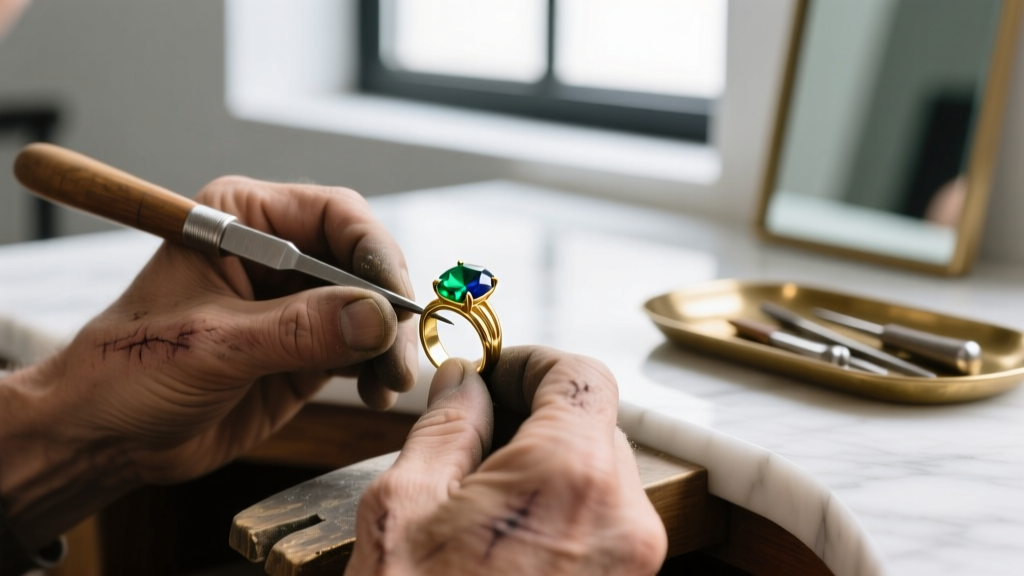
Drilling into an Eve's necklace pod is a critical mistake. The seeds are incredibly dense and rock-hard; attempting to drill through them will likely shatter the pod or break your carbide bits. Instead, we utilize the natural calyx (the woody stem at the top of the pod) to create a secure wire-wrapped bail. For a comprehensive look at foundational techniques, refer to this guide on wire wrapping basics for jewelry makers.
Materials and Tools Required
| Material / Tool | Specification | Purpose |
|---|---|---|
| Core Wire | 22-Gauge Half-Hard Sterling Silver | Provides structural integrity for the main bail and neck wrap. |
| Binding Wire | 28-Gauge Dead Soft Copper or Silver | Used to weave and secure the core wires tightly against the woody stem. |
| Pliers | Flat-nose and Chain-nose (Nylon-jawed) | Nylon jaws prevent marring the soft sterling silver during tight bends. |
| Flush Cutters | Precision micro-shears | Ensures binding wire ends are cut perfectly flush to avoid sharp snags. |
The Wrapping Technique
Cut a 12-inch length of your 22-gauge core wire. Fold it in half to create a V-shape. Place the fold just below the woody calyx of the pod, wrapping the two tails upward around the stem in a tight spiral. Once you reach the top of the calyx, twist the two wires together to form the bail loop. Finally, use your 28-gauge binding wire to weave a decorative pattern over the base wraps, securing the structure and hiding any sharp ends.

Step 4: Selecting the Right Chain and Assembly
An Eve's necklace pendant is naturally elongated, typically measuring between 3 to 5 inches in length. Because of this dramatic drop, pairing it with the wrong chain can make the piece feel unbalanced or overly heavy.
- The 24-Inch Rope Chain: A 24-inch oxidized silver rope chain is the ideal pairing. It allows the 4-inch pendant to rest perfectly at the solar plexus, creating a striking vertical line that elongates the torso.
- The 20-Inch Box Chain: For a higher, more modern neckline, a 20-inch box chain works well, but ensure the chain gauge is at least 2.0mm to support the visual weight of the large botanical pendant.
- Leather Cords: For a rustic, earthy aesthetic, a 2mm braided leather cord with a sterling silver end-cap and lobster clasp complements the organic origins of the pod.
Styling Your Eve's Necklace Pendant for 2026
Styling botanical jewelry requires an understanding of texture and contrast. The glossy, raven-black surface of the Eve's necklace pod acts as a neutral, yet highly textured, focal point.
Dark Academia & Vintage Aesthetics
Lean into the gothic, vintage roots of botanical collecting by pairing the pendant with rich, dark textiles. Think charcoal wool turtlenecks, deep burgundy velvet blazers, or vintage lace blouses. The black-on-black textural contrast is incredibly sophisticated.
Earthy Minimalism
For a more contemporary, everyday look, layer the 24-inch Eve's necklace pendant over a crisp, oversized cream linen shirt or a muted sage-green cotton dress. The organic shape of the pod softens structured, minimalist silhouettes, adding a touch of wild, untamed nature to an otherwise clean outfit.
Care and Maintenance of Botanical Pendants
While the sealing process makes your Eve's necklace pendant highly durable, it is still an organic artifact. To ensure it lasts for decades:
- Avoid Prolonged Moisture: Never wear the pendant in the shower or while swimming. If it gets wet, dry it immediately with a microfiber cloth.
- Polishing the Wire: Over time, the sterling silver or copper wire will naturally oxidize. Use a treated jewelry polishing cloth to gently buff the metal, being careful not to snag the cloth on the wire weaves.
- Storage: Store the necklace flat in a velvet-lined jewelry box away from direct sunlight, which can eventually cause the natural black pericarp to fade to a dull brown over many years.
By mastering the preservation and wire-wrapping of the Eve's necklace pod, you transform a fleeting piece of autumn debris into a timeless, wearable artifact that bridges the gap between natural history and fine jewelry.


