Crescent Moon Necklace Meaning & Buying Guide: What to Look For
Discover the crescent moon necklace meaning and learn how to choose the perfect celestial pendant. Our expert buying guide covers metals, gems, and quality.

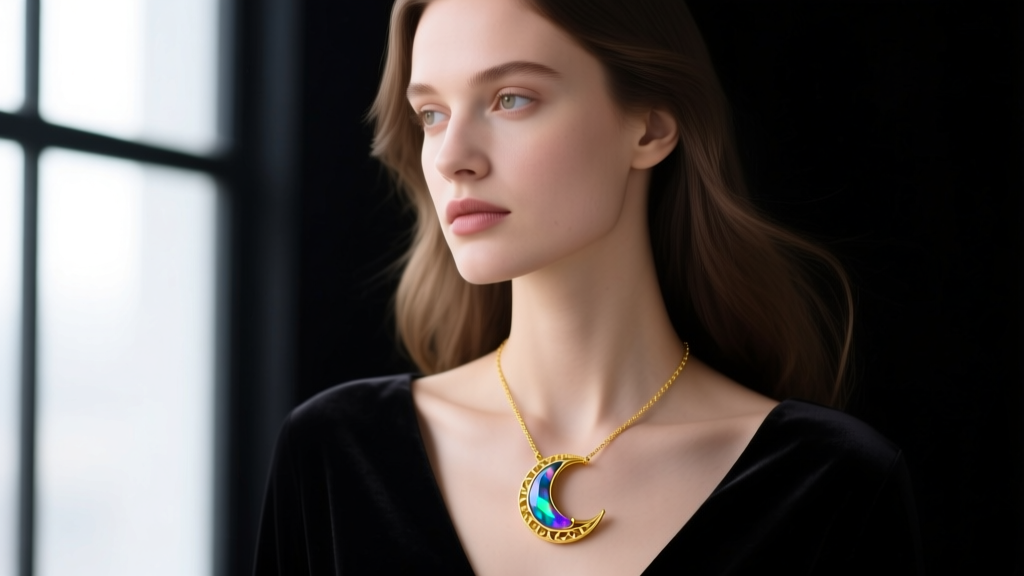
The night sky has captivated human imagination for millennia, and few celestial symbols are as universally cherished as the crescent moon. Whether you are drawn to its aesthetic elegance or its deep-rooted symbolism, understanding the crescent moon necklace meaning is only the first step in acquiring a piece of jewelry that truly resonates with your personal style. As a symbol of transition, feminine energy, and new beginnings, a lunar pendant is more than just an accessory; it is a talisman. However, navigating the jewelry market requires a keen eye for metallurgy, gemology, and structural integrity. This comprehensive buying guide will help you decode the symbolism and identify the quality markers necessary to choose a crescent moon necklace that will last a lifetime.
The True Crescent Moon Necklace Meaning Across Cultures
Before evaluating carat weights and chain gauges, it is essential to understand what you are wearing. The crescent moon—specifically the waxing crescent (the sliver of light growing toward a full moon)—represents manifestation, growth, and the realization of dreams. In contrast, the waning crescent symbolizes release, surrender, and the clearing of negative energy.
Historically, the crescent has been tied to powerful feminine deities. In Greek mythology, it is the emblem of Artemis, the goddess of the hunt and the wilderness, representing independence and fierce protection. In Victorian-era romanticism, crescent moon pendants were frequently gifted to lovers to signify a love that would grow over time, much like the waxing moon. Understanding these nuances allows you to select a design that aligns with your specific intent, whether you seek a bold, sharp-horned crescent for protection or a soft, rounded sliver for emotional growth.
Matching Metal and Gemstones to Your Lunar Intent
The material composition of your necklace drastically alters both its visual impact and its metaphysical alignment. When shopping, look beyond the surface color and examine the specific alloy grades.
Silver Alloys: Beyond Standard Sterling
While 925 sterling silver is the industry standard, it contains 7.5% copper, which makes it prone to tarnishing when exposed to humidity and skin oils. For a low-maintenance lunar pendant, seek out Argentium silver (typically 935 or 960 grade). Argentium replaces some of the copper with germanium, creating a highly tarnish-resistant alloy that maintains a bright, moonlit white luster without the need for frequent polishing or rhodium plating.
Gold Karats and Lunar Aesthetics
If you prefer the warmth of gold, the karat weight dictates both durability and color. 14k gold (58.5% pure gold) offers superior hardness, making it ideal for intricate, filigree crescent designs that might bend if cast in softer metals. 18k gold (75% pure gold) provides a richer, deeper yellow hue that beautifully complements warm gemstones but requires more careful wear to avoid scratching the delicate points of the crescent horns.
Gemstone Pairings and Mohs Hardness
The gemstone inlaid or set within the crescent dictates the care required. According to the Gemological Institute of America (GIA), rainbow moonstone (a variety of labradorite) is the most traditional lunar pairing, prized for its adularescence—the billowy blue light that seems to float just below the surface. However, moonstone ranks only 6 to 6.5 on the Mohs hardness scale.
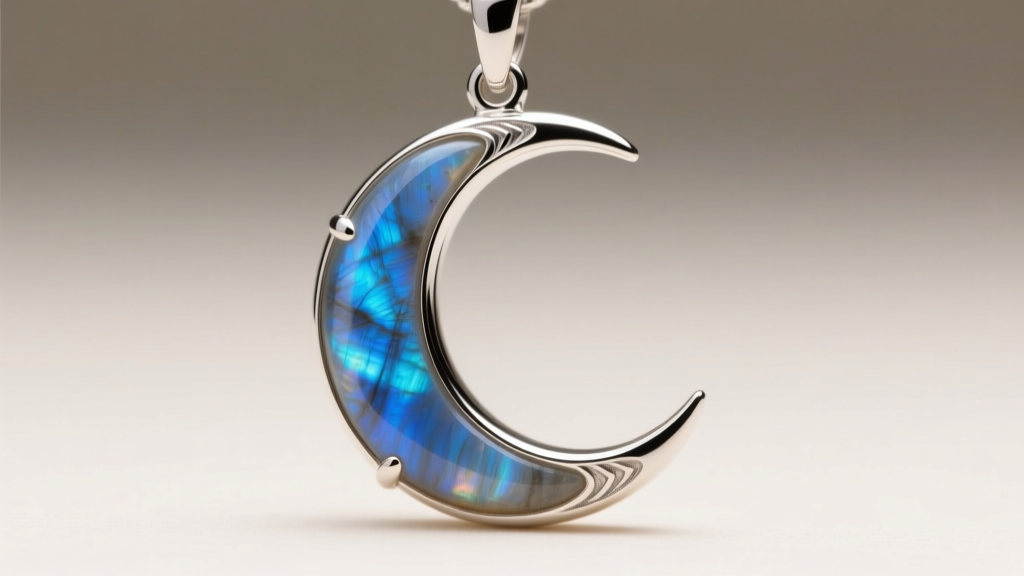
Because of this relative softness, never buy a moonstone crescent pendant set in high prongs. Prongs leave the edges of the stone exposed to impacts, which can easily cause cleavage or chipping. Always opt for a bezel setting or a flush/gypsy setting where the metal completely wraps or surrounds the stone's girdle, protecting it from daily wear and tear. For a darker, waning moon aesthetic, black onyx (Mohs 7) or Tahitian black pearls offer striking contrast and excellent durability.
Chain Styles and Lengths for Lunar Pendants
A crescent moon pendant is typically horizontally oriented, meaning it requires a chain that drapes smoothly without twisting, which could cause the pendant to flip upside down. The chain gauge should be proportional to the pendant's weight; a standard 3-gram silver crescent pairs perfectly with a 1.2mm to 1.5mm chain.
Optimal Chain Types
- Cable Chain: The classic choice. Its uniform oval links allow the pendant bail to slide freely, keeping the crescent horizontally aligned.
- Box Chain: Composed of square links, this chain is incredibly strong and lies flat against the collarbone, providing a modern, geometric contrast to the organic curve of the moon.
- Rolo Chain: Featuring alternating thick, round links, rolo chains offer a vintage, artisanal look that pairs beautifully with hammered or textured crescent pendants.
Standard Lengths and Their Visual Impact
| Length | Name | Neckline Pairing | Visual Effect |
|---|---|---|---|
| 16 inches | Choker / Collar | Off-shoulder, V-neck | Sits high on the collarbone; highlights the neck; very modern. |
| 18 inches | Princess | Crew neck, Scoop neck | Rests on the upper chest; the most versatile and universally flattering length. |
| 20 inches | Matinee | Button-down, Boat neck | Falls below the collarbone; excellent for layering over clothing. |
| 24 inches | Opera | Turtleneck, High neck | Drapes over the bust; creates a dramatic, bohemian, or mystical silhouette. |
What to Look For: Quality Markers and Red Flags
When evaluating a crescent moon necklace, especially from online retailers or artisan marketplaces, you must verify the structural integrity and authenticity of the materials. Here is a practical framework for assessing quality.
Hallmarks and Stamps
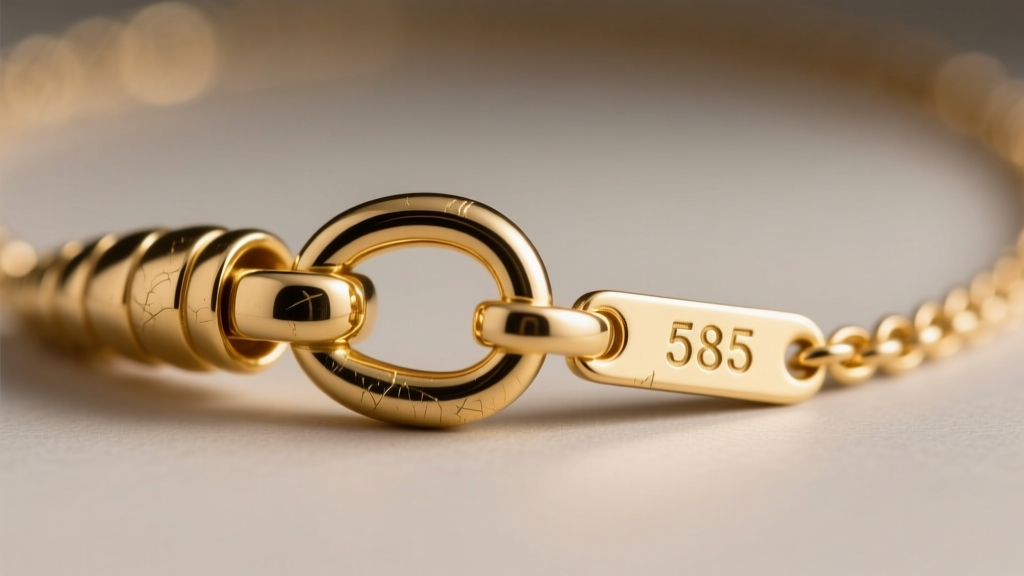
Every genuine precious metal piece must bear a quality stamp. Look for 925 (sterling silver), 14k or 585 (14-karat gold), and 18k or 750 (18-karat gold). These stamps are usually located on the flat metal tag attached to the lobster clasp or directly on the back of the pendant bail.
The Bail Construction
The bail is the loop that connects the pendant to the chain. For a horizontal crescent, the bail is typically soldered to the top center curve or the pendant is drilled horizontally through the top horn. Ensure the solder joints are smooth and flush. A visible gap, excess solder blob, or a bail that wobbles loosely indicates poor manufacturing and a high risk of the pendant snapping off during wear.
Red Flags to Avoid
- 'Tibetan Silver' or 'Silver-Plated': These terms often mask base metals like zinc, brass, or nickel alloys that can cause severe contact dermatitis and will rapidly turn your skin green.
- Glued-In Stones: If you look closely at the setting and see a visible line of epoxy or glue holding the gemstone in place, walk away. Glue degrades over time with exposure to body heat and lotions, guaranteeing the stone will eventually fall out.
- Hollow-Backed Pendants: While hollowing reduces gold weight and cost, extremely thin hollow crescents (under 1 gram) are prone to denting if pressed against a hard surface.
Curated Price Tiers: From Everyday Silver to Heirloom Gold
Understanding the market pricing prevents overpaying for mass-produced items and helps you identify genuine artisan craftsmanship. Below is a realistic breakdown of what to expect in the current market.
Entry-Level Artisan ($45 - $120)
In this tier, you will find high-quality 925 sterling silver or Argentium silver crescents, often hand-hammered or cast with small, genuine cabochon moonstones or freshwater pearls. Brands like Moon Magic or independent Etsy silversmiths operate here. Expect simple cable chains and bezel settings.
Mid-Tier Fine Jewelry ($250 - $800)
This range introduces solid 14k gold (yellow, white, or rose) and diamond accents. You will find intricate milgrain detailing, pavé-set diamond dust along the curve of the moon, or high-grade rainbow moonstones with strong blue flashes. The chains in this tier are typically sturdier 1.5mm box or rolo chains with secure lobster clasps.
Designer and Heirloom ($1,200 - $3,500+)
At the luxury level, you are paying for exceptional gemology and brand prestige. Expect 18k gold, ethically sourced rose-cut diamonds, and rare gemstones like Australian black opals or unheated sapphires. Designers like Jacquie Aiche or Sydney Evan offer celestial motifs in this bracket, featuring hand-forged links and custom-cut stones that maximize light return.
Final Thoughts on Choosing Your Celestial Piece
Understanding the crescent moon necklace meaning adds a profound layer of personal significance to your purchase, but it is the material quality that ensures the piece survives to become a cherished heirloom. By prioritizing protective bezel settings for softer lunar gemstones, verifying precious metal hallmarks, and selecting a chain gauge that properly supports the pendant's weight, you can confidently invest in a celestial necklace that beautifully mirrors your own growth and transition. Whether you choose a minimalist silver sliver for daily wear or a diamond-encrusted gold crescent for evening elegance, let the quality of the craftsmanship reflect the timelessness of the moon itself.


