The Ultimate Guide to Buying a Crochet Necklace with Beads
Discover what to look for when buying a crochet necklace with beads. Learn about thread grades, bead sizes, hardware, and pricing in our expert guide.

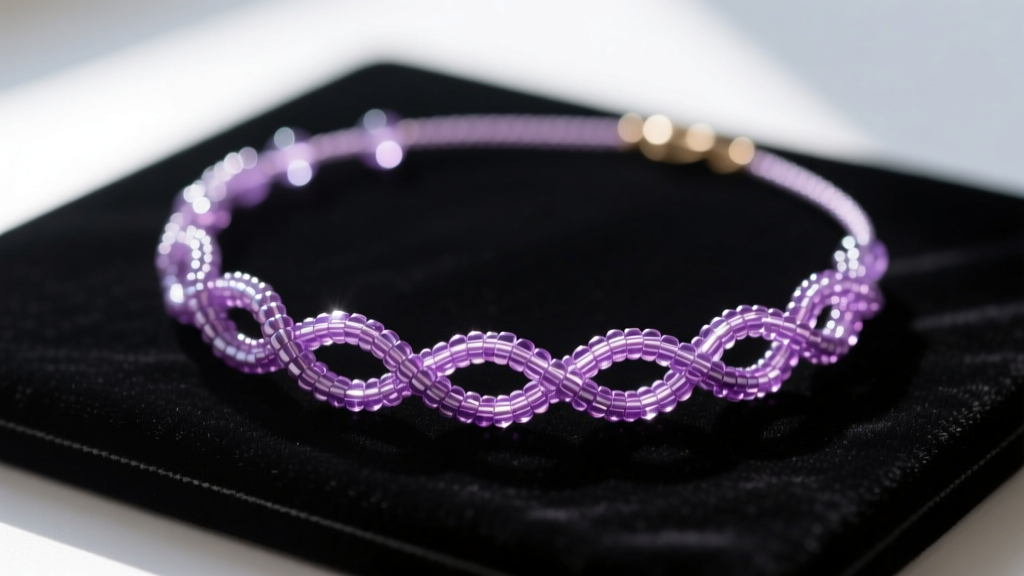
The Anatomy of a High-Quality Crochet Necklace with Beads
When shopping for a crochet necklace with beads, the untrained eye might only notice the color palette or the overall drape. However, as a structural piece of wearable art, the longevity and comfort of these necklaces depend entirely on the microscopic details of their construction. Whether you are looking at a Victorian-style tubular bead rope or a delicate Irish crochet lace piece inlaid with seed beads, understanding the materials is the first step to making a smart purchase.
Thread Composition and Tensile Strength
The backbone of any crochet necklace with beads is the thread. Mass-market pieces often use standard cotton crafting thread, which is highly susceptible to degradation from skin oils, sweat, and UV exposure. Over time, cotton fibers become brittle and snap under the weight of the beads.
High-end artisan pieces utilize specialized synthetic threads. Look for descriptions that mention C-Lon or Super-Lon nylon bead threads. These materials offer exceptional tensile strength, resist fraying, and do not degrade when exposed to cosmetic oils or perfumes. For micro-crochet necklaces, bonded nylon threads (like Nymo or Silamide) are preferred because they pass through tiny bead holes multiple times without shredding.
Bead Grade and Size Uniformity
Not all seed beads are created equal. A premium crochet necklace with beads will use precision-manufactured Japanese seed beads (such as Miyuki or Toho) or high-grade Czech Preciosa glass. Japanese beads are renowned for their uniform hole sizes and consistent shapes, which is critical for maintaining even tension in a tubular crochet rope. If a maker uses cheap, irregular acrylic or low-grade glass beads, the necklace will develop visible warping, stiff spots, and structural weak points where the thread is forced to bend at harsh angles.
Decoding Bead Sizes: A Buyer's Reference Chart
Seed beads are measured in 'aught' sizes (e.g., 6/0, 8/0). The higher the number, the smaller the bead. The size of the bead dictates the flexibility, weight, and formality of the necklace. According to Fire Mountain Gems, understanding these dimensions helps you choose the right drape for your neckline.
| Bead Size | Approx. Diameter | Beads Per Round (Tubular) | Best Use Case |
|---|---|---|---|
| 6/0 | 4.0mm | 3 to 4 | Bold, heavy statement ropes; stiff drape |
| 8/0 | 3.0mm | 5 to 7 | Standard everyday ropes; excellent flexibility |
| 11/0 | 2.0mm | 8 to 12 | Delicate, lace-like ropes; formal wear |
| 15/0 | 1.5mm | 14+ | Micro-crochet heirloom pieces; ultra-fluid drape |
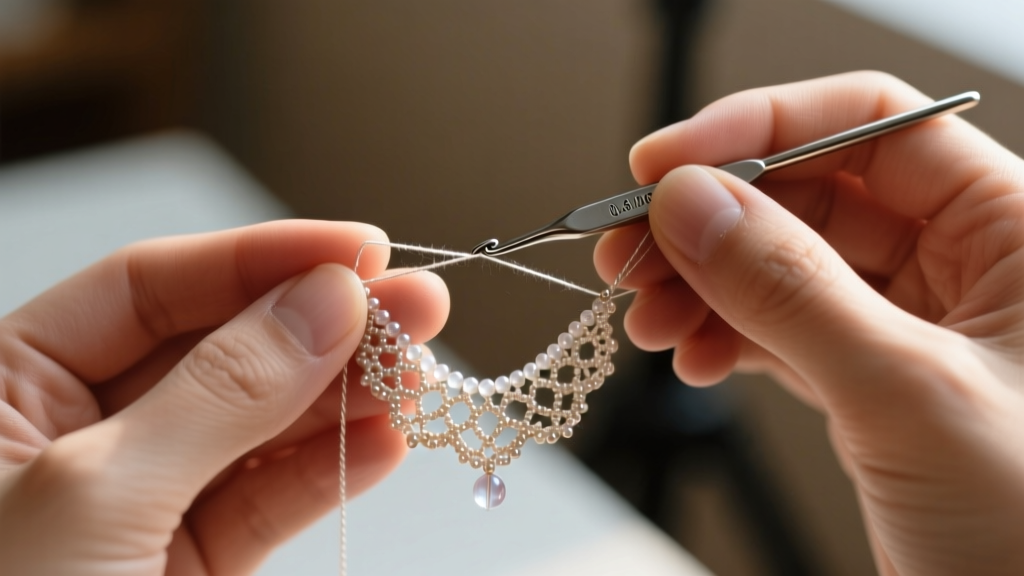
Construction Techniques: Tubular Ropes vs. Lace Inlays
The term 'crochet necklace with beads' generally refers to one of two distinct historical techniques, both of which require immense skill to execute properly.
The Slip-Stitch Bead Rope
Popularized in the Victorian era, this technique involves stringing hundreds or thousands of beads onto a continuous length of thread before crocheting. The artisan uses a tiny steel hook (often 0.4mm to 0.75mm) to pull one bead up and slip-stitch it into the previous loop, building a continuous, flexible, tubular rope. As noted by Interweave Beading, this method creates a necklace that behaves almost like a heavy, fluid chain, with the beads completely encasing the thread.
Thread Crochet with Beaded Motifs
Alternatively, you may encounter Irish or Venetian lace crochet necklaces where beads are integrated into floral or geometric motifs. In this style, the beads act as anchors or 'picots' at the edges of the lace. When buying this style, inspect the 'chains' (the loops connecting the motifs). They should be tight and uniform, with no visible sagging between the beaded accents.
Hardware and Findings: Where Mass-Market Pieces Fail
The most common point of failure in a bead crochet rope is the end cap. Because the necklace is essentially a tube of thread and glass, the ends must be finished securely to attach a clasp.
- Glue-In Ribbon Ends / Cone Caps: The gold standard for tubular ropes. The raw thread ends are gathered, bound with a whipping stitch, and secured inside a metal cone using a flexible jewelry adhesive like E6000.
- Crimp Tubes: Sometimes used on thinner, single-strand bead crochet. The thread is folded back through a metal crimp tube and crushed with pliers.
- The Cyanoacrylate Trap: Avoid makers who use 'Super Glue' (cyanoacrylate) to secure end caps. This adhesive dries hard and crystalline. When the necklace bends near the clasp, the brittle glue shatters, causing the end cap to pop off and the beads to spill.
'The longevity of a bead crochet rope is determined not by the beads themselves, but by the tensile strength of the thread and the chemical compatibility of the adhesive used in the end caps.' — Master Beadwork Artisan
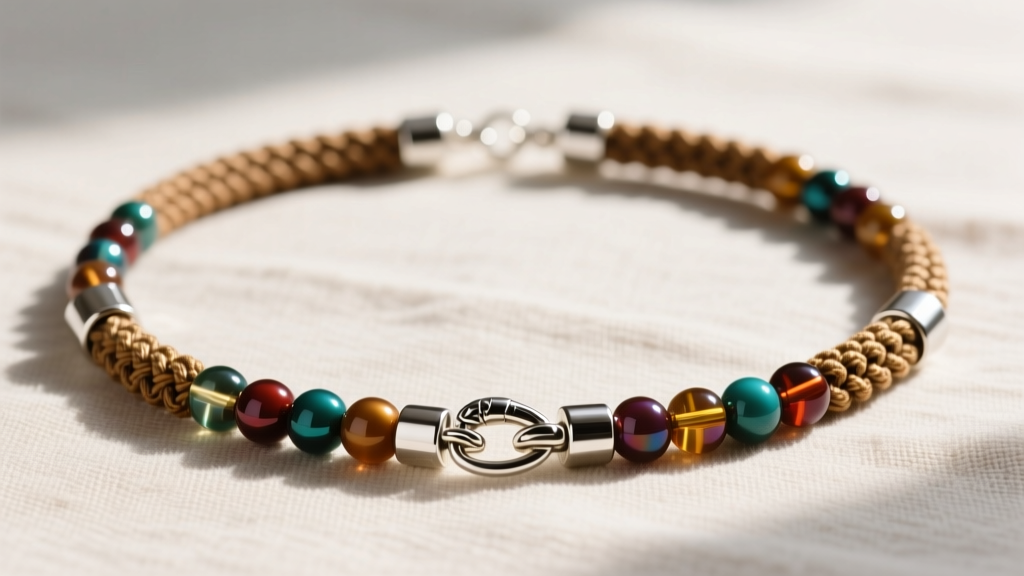
Red Flags: How to Spot Poor Craftsmanship
When evaluating a crochet necklace with beads online or in person, look for these critical warning signs:
- Thread Show: In a properly tensioned tubular rope, the thread should be completely hidden by the beads. If you see gaps of bare thread between the stitches, the artisan's tension was too loose, which will lead to snagging and stretching.
- Finish Wear: Beads with 'galvanized' or 'dyed' finishes will rub off against the skin or clothing over time. Always opt for 'opaque', 'AB' (Aurora Borealis), or 'color-lined' finishes for areas of the necklace that will touch the neck.
- Warped End Caps: If the metal cones at the ends of the necklace look dented or sit at an awkward angle, the internal thread bundle was not bound tightly enough before gluing.
Pricing Tiers: What Should You Actually Pay?
Because bead crochet is an incredibly time-intensive, manual process (a single 20-inch rope can take 15 to 40 hours to string and crochet), pricing is a strong indicator of origin and material quality.
- Fast Fashion / Mass Produced ($15 - $35): Usually made with acrylic beads, cotton thread, and machine-assisted or poorly tensioned hand work. Expect a lifespan of one season before thread rot or clasp failure.
- Artisan / Handmade ($65 - $180): The sweet spot for quality. These pieces use Czech or Japanese glass beads, nylon C-Lon thread, and proper glue-in hardware. You are paying for the artisan's time and structural integrity.
- Heirloom / Micro-Crochet ($250 - $600+): Features ultra-fine 15/0 or 24/0 seed beads, sterling silver or gold-filled findings, and complex geometric patterning. These are museum-quality pieces meant to be passed down through generations.
Care, Storage, and Longevity
To preserve the historical and material integrity of your necklace, never hang a bead crochet rope on a jewelry stand. The constant downward pull of gravity will stretch the nylon or cotton thread over time, permanently altering the tension and creating gaps between the beads. Instead, coil the necklace loosely in a circular shape and store it flat in a lined jewelry box. According to the Victoria and Albert Museum's textile conservation guidelines, keeping beaded textiles away from direct UV light and high humidity prevents both thread degradation and the dulling of glass bead finishes. By prioritizing premium threads, precision beads, and flexible adhesives, your crochet necklace with beads will remain a stunning, fluid accessory for decades.


