2026 Gift Guide: Choosing a Blue Sapphire Pendant Necklace
Discover how to choose the perfect blue sapphire pendant necklace for every milestone. Explore carat weights, origins, chain pairings, and 2026 pricing.

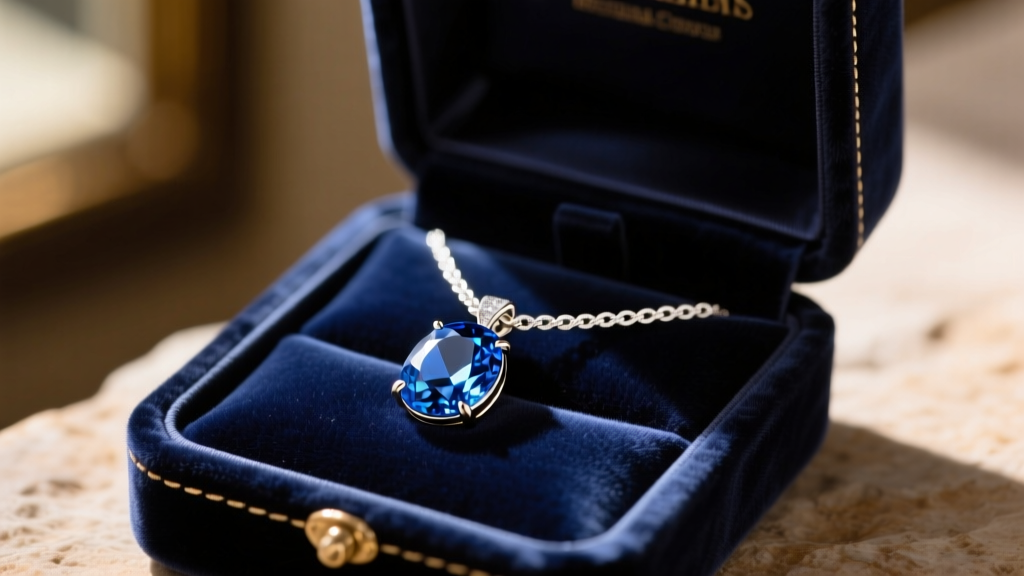
The Timeless Appeal of Sapphire Gifting
When it comes to milestone gifting, few gemstones carry the historical weight and enduring beauty of the sapphire. Ranking a 9 on the Mohs hardness scale, a blue sapphire pendant necklace is not only a breathtaking visual statement but also a highly durable piece of jewelry suitable for everyday wear. Unlike softer stones that require meticulous care, sapphires can withstand the rigors of daily life, making them an ideal centerpiece for a pendant that rests close to the heart.
Whether you are celebrating a September birthday, marking a 5th or 45th wedding anniversary, or simply commemorating a personal achievement, gifting a sapphire requires a nuanced understanding of gemology. The market in 2026 has seen a massive shift toward traceable origins and unique color zoning, moving slightly away from the traditional, uniformly dark stones of the past. This guide will walk you through the exact specifications, origins, and structural considerations needed to select a flawless piece.
Decoding Sapphire Quality: Color, Clarity, and Cut
The value and visual impact of a blue sapphire pendant necklace are primarily dictated by its color. Gemologists evaluate color based on three factors: hue, tone, and saturation. The most coveted hue is a pure, vivid blue without secondary modifiers like green or gray.
- Cornflower Blue: A medium-light tone with high saturation and a velvety appearance, often associated with Kashmir origins.
- Royal Blue: A deeper, more saturated tone that commands high prices in the Ceylon (Sri Lankan) market.
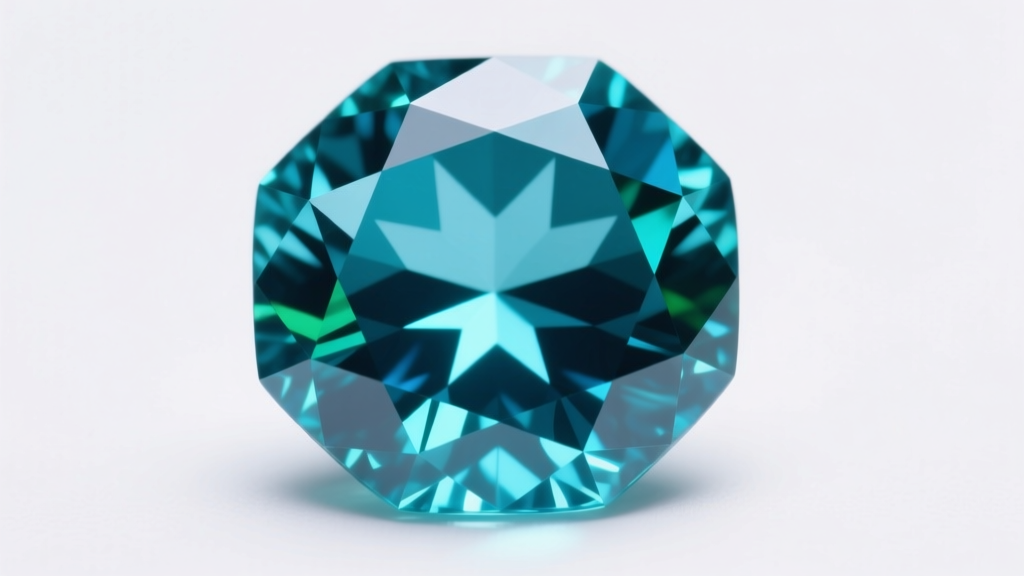
- Teal and Parti Sapphires: A massive trend in 2026, featuring bi-color stones with blue-green zoning, primarily sourced from Montana and Australia.
Clarity is the next critical factor. According to the Gemological Institute of America (GIA), sapphires typically contain some inclusions, often referred to as 'silk' (rutile needles). While eye-clean stones are preferred for pendants, a slight amount of silk can actually enhance the stone's velvety luster and prove its natural, unheated origin. The cut of the pendant stone should maximize light return; oval and cushion cuts are traditional, while hexagonal and kite cuts are dominating modern, bespoke jewelry designs this year.
Origin and Ethical Sourcing
Provenance heavily influences both the price and the ethical footprint of your gift. While Kashmir sapphires remain the holy grail for collectors, they are virtually absent from the retail market, trading only at high-end auction houses. Ceylon sapphires remain the benchmark for fine jewelry. However, Montana sapphires have surged in popularity due to their strict environmental mining regulations and unique teal-blue color palettes, offering buyers a fully traceable, ethically sound alternative.
Matching the Pendant to the Occasion
Selecting the right carat weight and setting style depends heavily on the occasion and the recipient's lifestyle. A pendant meant for daily office wear requires a different structural approach than one intended for black-tie galas. Below is a decision matrix to help you align your purchase with the specific milestone.
| Occasion | Ideal Carat Weight | Recommended Setting | Estimated Budget (2026) |
|---|---|---|---|
| September Birthday | 0.50ct - 0.75ct | Bezel or Half-Bezel | $600 - $1,500 |
| 5th Anniversary | 1.00ct - 1.50ct | 4-Prong or Halo | $2,000 - $5,500 |
| 45th Anniversary | 2.00ct - 3.00ct | Pave Diamond Halo | $8,000 - $20,000+ |
| Graduation / Milestone | 0.80ct - 1.20ct | Minimalist Solitaire | $1,200 - $3,500 |
For everyday wear, a bezel setting is highly recommended. It protects the girdle of the sapphire from accidental impacts against desks or doorframes. For grander occasions, a diamond halo not only adds brilliance but also creates the illusion of a larger overall pendant footprint.
Chain Selection: Gauge, Metal, and Length
A common mistake buyers make is pairing a heavy, high-carat pendant with an inadequate chain. The structural integrity of the necklace is just as important as the gemstone itself. The American Gem Trade Association (AGTA) frequently notes that chain failure is the leading cause of gemstone loss in pendant necklaces.
Gauge and Metal Considerations
If your blue sapphire pendant necklace features a stone over 1.5 carats, you must select a chain with a minimum wire gauge of 1.0mm to 1.2mm. Delicate 0.6mm chains will stretch and eventually snap under the continuous weight of a larger sapphire and its metal setting. For the metal, 18k white gold or platinum are the premier choices. Platinum's natural white hue complements the cool tones of a blue sapphire, and its high tensile strength ensures the jump ring and clasp will not easily deform.
Length and Neckline Pairing
- 16 Inches (Choker): Sits tightly at the base of the neck. Best for smaller, bezel-set sapphires worn with V-neck or scoop-neck blouses.
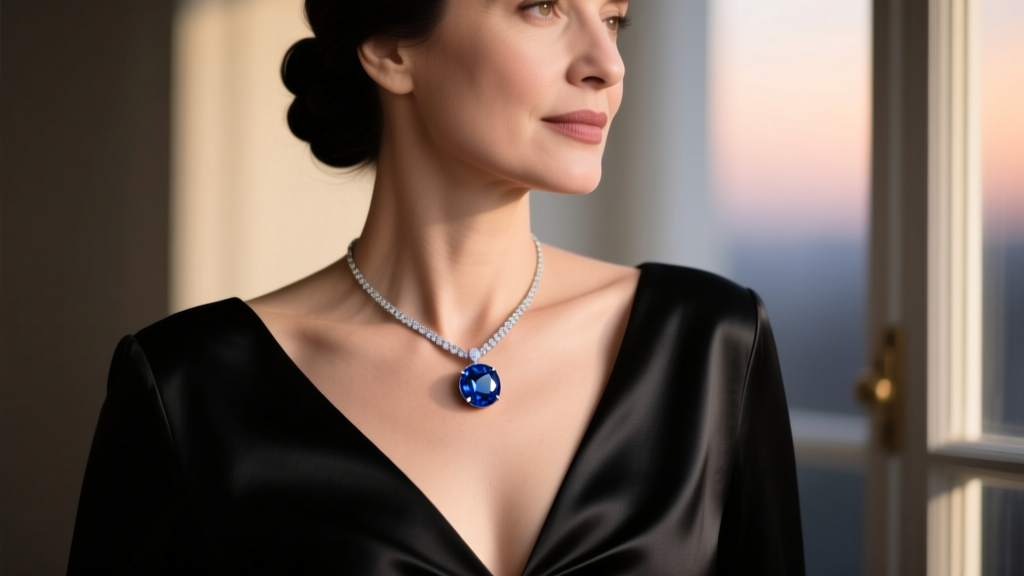
- 18 Inches (Princess): The industry standard. Rests perfectly on the collarbone, making it the most versatile length for both casual and formal wear.
- 20 to 24 Inches (Matinee): Drops below the collarbone. Ideal for larger, statement-sized sapphires (2ct+) worn over turtlenecks or evening gowns.
Navigating Treatments and Authenticity
Understanding gemstone treatments is non-negotiable when investing in fine jewelry. Over 90% of the sapphires on the market are heat-treated to improve their color and clarity. This is a permanent, universally accepted practice that does not negatively impact the stone's long-term durability.
However, you must actively avoid beryllium lattice diffusion. This treatment introduces foreign elements into the crystal structure to artificially create a blue color in otherwise worthless, pale stones. Diffused sapphires hold a fraction of the value of naturally colored or merely heat-treated stones. Always demand a gemological report from a reputable, independent laboratory such as GIA, AGL, or Gübelin, which will explicitly state if any lattice diffusion or fracture filling has occurred.
'A natural, unheated sapphire with strong color saturation is a rarity of nature. While heat treatment is standard and acceptable, buyers must ensure their jeweler discloses any secondary treatments like diffusion or glass filling, which severely compromise both value and structural integrity.' — Senior Gemologist Appraisal Standards, 2025.
2026 Pricing Expectations and Final Gifting Tips
Pricing for a blue sapphire pendant necklace varies wildly based on the origin and treatment status. In 2026, a high-quality, heat-treated Ceylon sapphire (1.00ct - 1.50ct) will typically range from $1,200 to $3,000 per carat, excluding the diamond accents and precious metal setting. Unheated Montana sapphires, prized for their ethical sourcing and unique teal hues, are currently trading between $1,500 and $4,000 per carat for top-tier color.
When presenting the gift, ensure the pendant is accompanied by its laboratory dossier or certificate. Store the necklace in a dedicated, soft-lined jewelry box to prevent the sapphire—which is hard enough to scratch diamonds, emeralds, and gold—from damaging other pieces in the recipient's collection. By prioritizing structural chain integrity, verifying treatment disclosures, and selecting a color profile that matches the recipient's personal style, you will deliver a generational heirloom that transcends fleeting jewelry trends.


