The Ultimate Curb Necklace Value & Pricing Guide 2026
Learn how to evaluate a curb necklace in 2026. We break down gold weights, hollow vs. solid manufacturing, and fair retail markups.

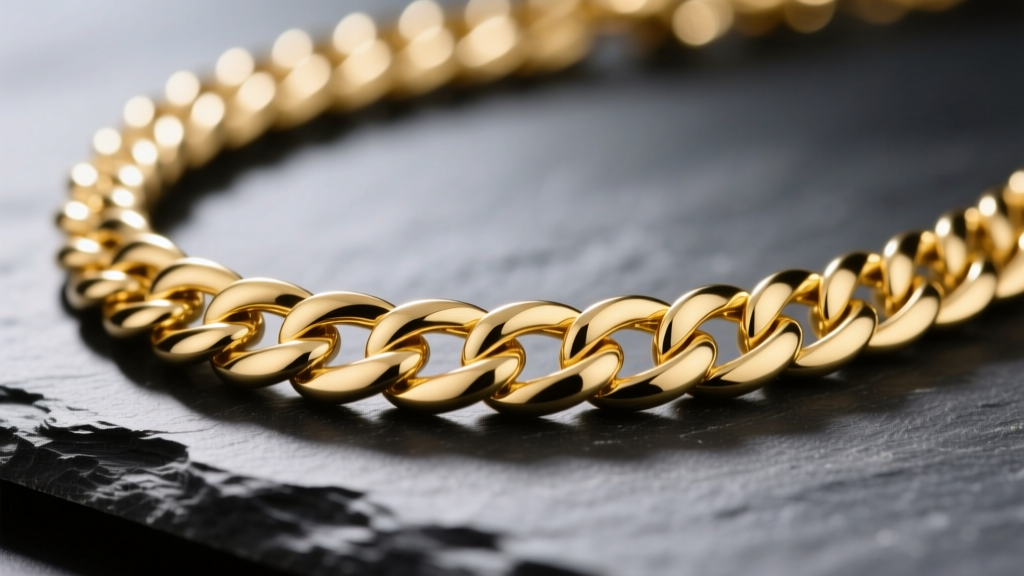
The curb necklace remains one of the most iconic and enduring silhouettes in jewelry history. Characterized by its uniformly interlocking, flattened links, it offers a robust, masculine, and highly reflective profile. However, as precious metal markets fluctuate and manufacturing techniques evolve, the retail landscape has become saturated with deceptive pricing models. In 2026, knowing the intrinsic value of a curb chain requires looking far beyond the brand name or the karat stamp.
This comprehensive value assessment guide breaks down the exact metrics you need to evaluate a curb necklace, from manufacturing integrity and melt-value calculations to hardware failure points. Whether you are investing in a heavy 18k gold statement piece or a subtle 10k everyday chain, this framework will ensure you never overpay for compromised craftsmanship.
Solid vs. Hollow: The Manufacturing Divide
The single biggest factor dictating the price, longevity, and true value of a curb necklace is its internal structure. Retailers often obscure this detail, selling chains by their visual width rather than their structural integrity.
Solid Curb Chains
Solid chains are manufactured from solid wire that is looped, interlocked, and then flattened via a hydraulic press or rolling mill. They are heavy, durable, and can be easily soldered if a link snaps. When assessing value, a solid chain is priced based on its actual precious metal weight (melt value) plus a labor markup. This is the only type of curb necklace that qualifies as a long-term investment or heirloom piece.
Hollow and Electroformed Chains
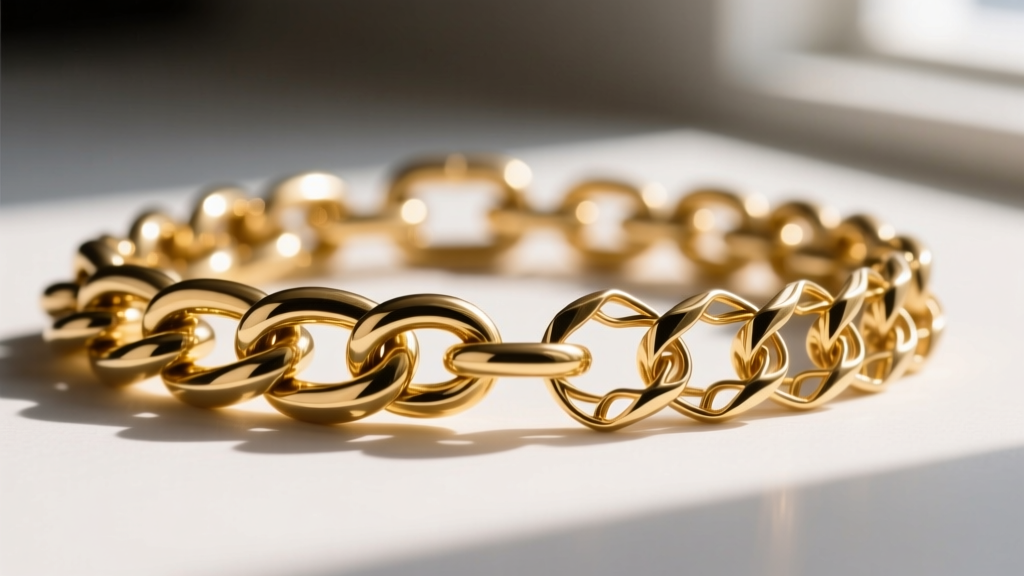
Hollow curb necklaces are created by wrapping thin sheets of gold or silver around a base metal core, which is later dissolved in acid (electroforming), or by folding thin metal sheets into link shapes. These chains offer the visual width of a 12mm chain but weigh a fraction of the gram amount. Value Verdict: Hollow chains are a poor financial investment. They dent irreparably under minor pressure, cannot be soldered if broken, and hold virtually zero resale value. If a 10mm gold curb chain weighs less than 20 grams, it is almost certainly hollow or semi-hollow.
The 2026 Precious Metal Pricing Matrix
To determine if you are getting a fair deal on a solid gold or silver curb necklace, you must understand the relationship between the daily spot price and retail markup. According to the Kitco Precious Metals Market, spot prices fluctuate daily, but the retail markup formulas remain relatively stable.
| Metal & Purity | Approx. Spot Price/Gram (2026) | Fair Retail Markup (Machine-Made) | Fair Retail Markup (Hand-Finished) | Target Price Per Gram |
|---|---|---|---|---|
| 10k Gold (41.7%) | $32.00 | 20% - 35% | 40% - 60% | $38.40 - $51.20 |
| 14k Gold (58.5%) | $45.00 | 20% - 40% | 50% - 80% | $54.00 - $81.00 |
| 18k Gold (75.0%) | $58.00 | 25% - 45% | 60% - 100% | $72.50 - $116.00 |
| Argentium / Sterling Silver | $0.95 | 150% - 300% | 400% - 800% | $2.37 - $8.55 |
Note: Silver markups are inherently higher than gold because the labor cost to cast, flatten, and polish a silver chain often exceeds the intrinsic cost of the raw metal itself.
Diamond-Cut vs. Standard Polish: Labor Cost Analysis
When browsing a curb necklace collection, you will frequently encounter the term "diamond-cut." This does not mean the chain contains diamonds. Instead, it refers to a CNC (Computer Numerical Control) machining process where a diamond-tipped tool shaves microscopic facets into the surface of the flattened links.
- Standard Polish: The links are tumbled and buffed to a smooth, mirror-like finish. This is the baseline for labor costs.
- Diamond-Cut Faceting: Adds immense brilliance and light refraction, making the chain appear more expensive. However, this process removes a tiny amount of metal weight and adds approximately 15% to 25% to the manufacturing labor cost.
- Value Assessment: Diamond-cut chains are visually stunning but slightly more prone to surface scratching over time. If a jeweler is charging a 100% markup for a standard machine-made diamond-cut chain, walk away. The labor premium should not exceed 25% over a standard polished equivalent.
Hardware and Clasp Assessment: Where Cheap Chains Fail
A curb necklace is only as secure as its weakest link, which is almost always the clasp. The Federal Trade Commission Jewelry Guides mandate accurate hallmarking, but they do not regulate hardware quality. Assessing the clasp is a critical step in your value evaluation.
The Weight-to-Clasp Ratio
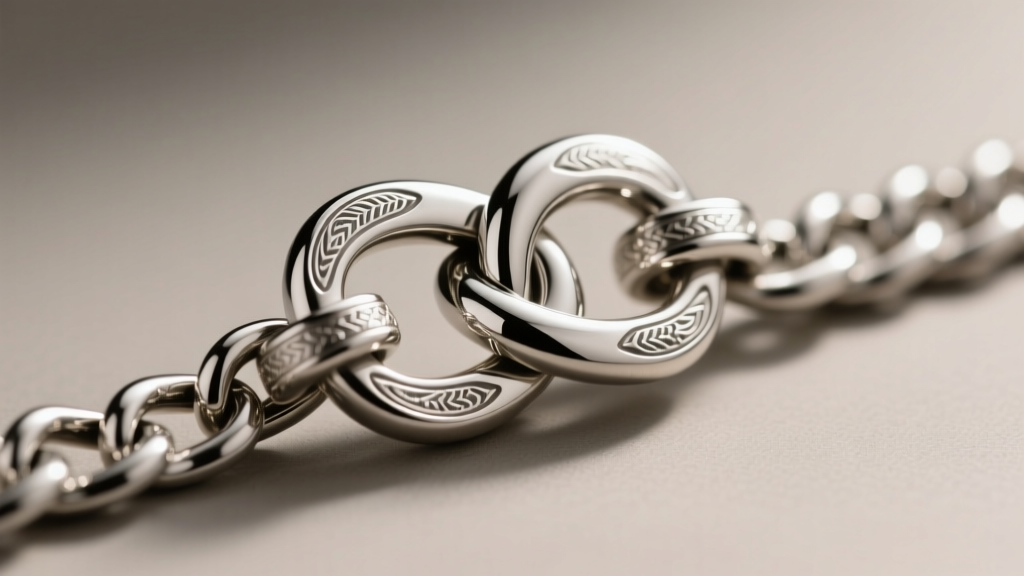
Manufacturers looking to cut costs will often attach a lightweight, mass-produced spring-ring or standard lobster clasp to a heavy, 40-gram solid gold curb chain. This is a catastrophic failure point. The sheer kinetic weight of a heavy curb chain will eventually warp the thin metal lever of a spring ring or snap the internal spring of a cheap lobster clasp.
The Required Hardware for Heavy Curbs
For any curb necklace weighing over 25 grams, or exceeding 6mm in width, you must demand the following hardware:
- Box Clasp (Tongue and Groove): A friction-fit mechanism that locks into place, capable of bearing heavy loads without relying on a tiny internal spring.
- Double Figure-8 Safety Catch: A secondary wire loop that snaps over a pin on the opposite side of the clasp. If the primary box clasp fails or is accidentally pulled open, the figure-8 catch prevents the chain from falling off your neck and being lost.
- Oversized Lobster Clasp: If a lobster clasp is used on a heavy chain, it must be a solid-cast, oversized "trigger" lobster, not a hollow stamped version.
Width, Weight, and Length: The Proportionality Test
To verify that a curb necklace is solid and fairly priced, use the proportionality test. While exact weights vary based on the specific manufacturer's link aspect ratio, standard solid curb chains follow a predictable weight-to-width matrix at a standard 20-inch length.
- 3mm Width: Should weigh between 8g and 12g. Ideal for pendant layering.
- 5mm Width: Should weigh between 18g and 24g. The standard versatile width.
- 8mm Width: Should weigh between 35g and 45g. A bold, standalone statement piece.
- 12mm Width: Should weigh between 65g and 85g. Heavy, luxury-grade hip-hop or statement jewelry.
If you are evaluating a 20-inch, 8mm 14k gold curb necklace and the scale reads 14 grams, you are looking at a hollow chain being sold at solid chain prices. Always ask the jeweler for the exact gram weight before discussing the final price.
Verdict: Building Your Value Framework
Evaluating a curb necklace in 2026 requires a shift from emotional buying to analytical assessment. According to the Gemological Institute of America (GIA), understanding precious metal purity and structural integrity is the cornerstone of smart jewelry acquisition. By calculating the melt value, verifying the manufacturing method (solid over hollow), scrutinizing the CNC labor markups, and demanding appropriate heavy-duty hardware, you insulate yourself from retail inflation and deceptive marketing.
A truly valuable curb necklace is one where the retail price aligns transparently with its gram weight, its structural permanence, and the quality of its engineering. Use the matrices and weight charts provided above as your baseline, and you will secure a piece that retains both its financial worth and its physical beauty for decades to come.


