The Vintage Lariat Necklace: A 2026 Trend Analysis
Discover 2026 trends for the vintage lariat necklace. Learn styling techniques, material grades, drape lengths, and authentication tips for antique lariats.

The Anatomy and Specifications of a True Lariat
Unlike traditional necklaces that rely on a clasp and a fixed circumference, the vintage lariat necklace is defined by its structural fluidity. Characterized by an open-ended design, a lariat typically features a long chain or cord that loops, ties, or threads through a decorative ring or itself, creating a dynamic Y-silhouette. In the context of antique and vintage jewelry, the lariat is not merely a stylistic choice but a masterclass in kinetic movement and drape.
To understand the current market, we must first establish the precise specifications of authentic vintage pieces. True vintage lariats—particularly those originating from the 1920s Art Deco era or the 1970s bohemian revival—adhere to specific length and gauge parameters that modern mass-market reproductions frequently ignore.
- Length Classifications: The standard vintage lariat ranges from 30 to 36 inches, allowing for a single loop with a dramatic chest-level drop. The sautoir (a specific sub-category of the lariat popularized in the 1920s) extends from 40 to 48 inches, designed to swing freely with the wearer's movement.
- Chain Gauge and Weight: Authentic 1920s platinum or white gold sautoirs typically utilize delicate 1.1mm to 1.3mm rope or cable chains. This ultra-fine gauge is critical; it allows the chain to behave almost like a liquid textile. Modern reproductions often use 1.8mm or thicker chains, which stiffen the drape and ruin the historical silhouette.
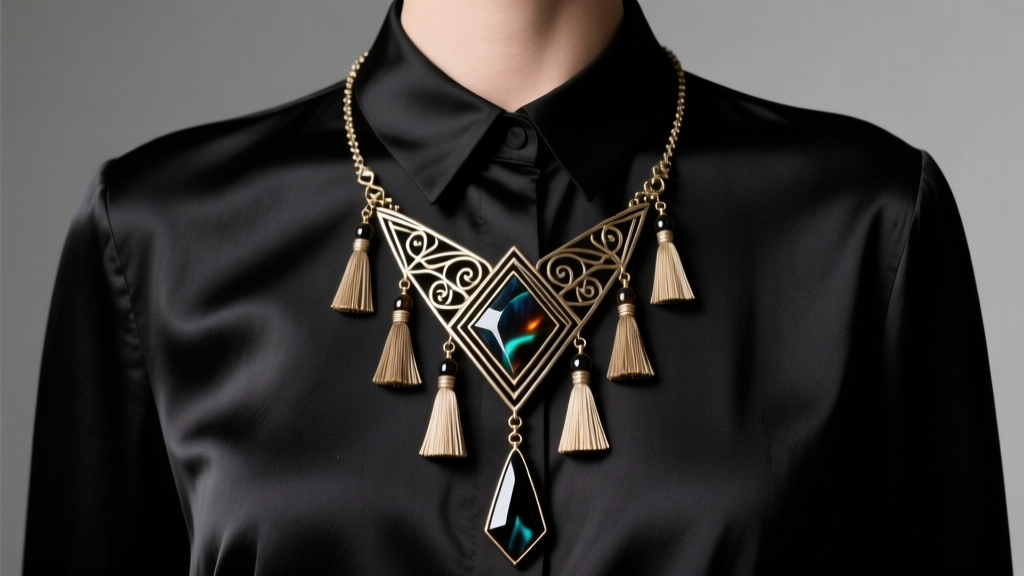
- The Drop and Tassel: The vertical 'drop' section often terminates in a tassel, a geometric pendant, or a single solitaire gemstone. In vintage pieces, wire-wrapped tassels are constructed using 28-gauge or 30-gauge wire, allowing for extreme flexibility without kinking.
2026 Trend Forecast: The Lariat Evolution
As we navigate the 2026 jewelry landscape, the vintage lariat necklace is experiencing a massive resurgence, driven by two distinct aesthetic movements: 'Heritage Bohemian' and 'Fluid Minimalism'. Consumers are moving away from rigid, heavily structured collar necklaces in favor of pieces that offer versatile, customizable styling.
The Art Deco Sautoir Revival
The roaring twenties are echoing loudly in 2026 evening wear. Collectors and stylists are heavily sourcing 1920s filigree sautoirs featuring seed pearl drops and carved onyx or jadeite tassels. The trend dictates wearing these 45-inch pieces unlooped over high-necked silk blouses or deep-V velvet gowns, allowing the tassel to rest at the solar plexus. According to historical jewelry archives at Lang Antiques University, the sautoir was originally designed to complement the dropped waists of flapper dresses, a silhouette that has seen a high-fashion revival on recent runways.
Quiet Luxury and the Thread-Through Slider
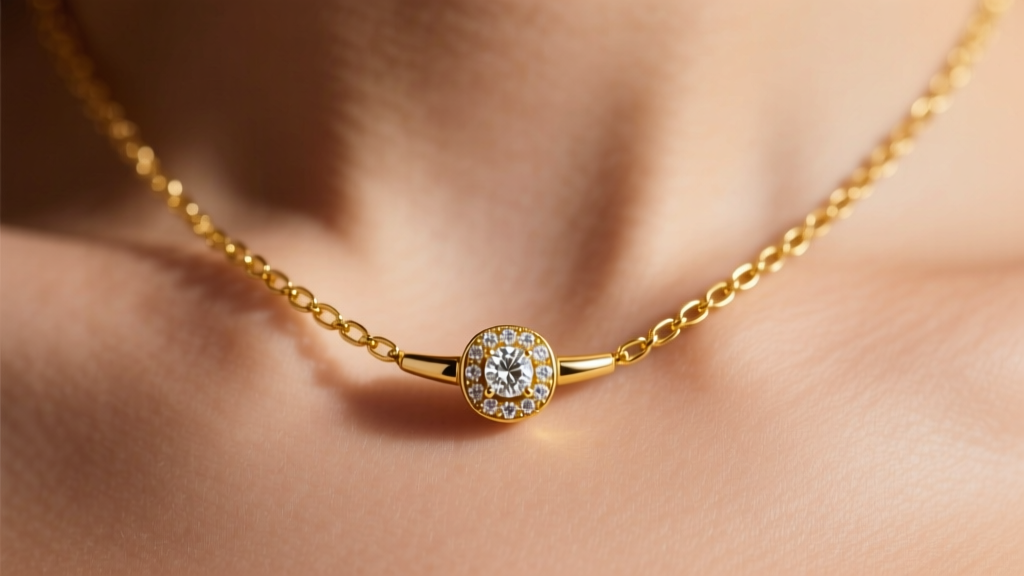
On the opposite end of the spectrum is the 'Quiet Luxury' interpretation of the vintage lariat. This trend focuses on mid-century (1950s-1960s) 14k or 18k gold thread-through chains featuring a single, bezel-set diamond or sapphire slider. The lack of a clasp emphasizes the purity of the gold line, and the adjustable nature of the slider allows the wearer to micro-adjust the drop length by millimeters to perfectly suit their neckline.
Material Breakdown and Structural Failure Modes
When investing in or styling a vintage lariat necklace, understanding the material science and common structural vulnerabilities is paramount. Vintage pieces have survived decades of wear, but their unique clasp-free mechanics introduce specific stress points.
| Era / Style | Primary Materials | Chain / Cord Type | Common Structural Vulnerability |
|---|---|---|---|
| 1920s Art Deco Sautoir | Platinum, White Gold, Onyx, Seed Pearls | 1.1mm - 1.3mm Rope Chain | Micro-tears at the jump rings connecting the tassel; fatigue in 30-gauge tassel wire. |
| 1970s Bohemian Drop | Sterling Silver, Turquoise, Coral, Lapis | Size F/G Silk Cord or 2.0mm Box Chain | Silk cord rot from UV/sweat exposure; silver box chain kinking at the Y-drop solder point. |
| Victorian Mourning Lariat | Jet, Vulcanite, Woven Human Hair, Gold Fill | Braided Hair or 1.5mm Link Chain | Degradation of the gold-fill plating at friction points; brittleness of antique jet. |
Expert Troubleshooting: If you acquire a 1970s silk-cord lariat, never wear it against bare skin in high humidity. The salts in perspiration will rapidly degrade the vintage silk protein structure. Have a professional jeweler restring the beads using a modern nylon-core silk alternative that mimics the drape of the original but offers a 40-pound tensile strength.
Precision Styling: Necklines and Drape Techniques
The genius of the vintage lariat necklace lies in its modularity. Because there is no fixed clasp, the wearer becomes the final designer of the piece. Here are three structural drape techniques optimized for 2026 wardrobe staples:
1. The Asymmetric Loop (For Boatnecks and Off-Shoulder)
Wrap a 36-inch vintage chain once around the neck, but instead of centering the drop, pull the vertical chain to one side so it rests over your collarbone. This creates an intentional, avant-garde asymmetry that breaks up the horizontal line of a boatneck top. Secure the loose ends by tucking them into a button placket or using a microscopic silicone jewelry stopper hidden beneath the hair.
2. The Double Choker Wrap (For Deep V-Necks)
Take a longer 42-inch sautoir and wrap it twice around the neck high on the throat, allowing the remaining 6 to 8 inches of chain and the tassel to drop directly into the apex of a deep V-neckline. This technique anchors the expansive negative space of the V-neck while drawing the eye vertically.

3. The Cowl Drape (For Crewnecks and Turtlenecks)
For heavier fabrics like cashmere turtlenecks, a delicate chain will get lost. Opt for a 1970s vintage lariat featuring larger geometric beads (such as 8mm turquoise or lapis lazuli). Drape the necklace entirely over the head without looping, letting the full length hang down the torso. The weight of the stone beads will pull the chain taut, creating a sleek, elongating column effect over the bulky knitwear.
Authentication and Sourcing Hallmarks
The market is currently flooded with 'vintage-inspired' lariats masquerading as genuine antiques. When sourcing a true vintage lariat necklace, you must look beyond the aesthetic and examine the hardware and metallurgy.
First, inspect the jump rings. In genuine early 20th-century pieces, jump rings were often soldered closed or featured a very tight, flush cut. If you see modern, open jump rings with visible gaps at the connection points of the Y-drop, the piece has likely been repaired with modern findings or is a contemporary reproduction. Furthermore, according to gemological guidelines from the Gemological Institute of America (GIA), vintage diamond sliders from the mid-century should exhibit older cutting styles, such as the European cut or early transitional cuts, rather than the mathematically perfect modern round brilliant cuts seen in contemporary jewelry.
Finally, check for hallmarks in concealed areas. On a vintage lariat, the maker's mark or metal purity stamp (e.g., 'PT' for platinum, '925' for sterling) is often stamped on the small metal end-caps or the decorative ring that the chain threads through, rather than on a traditional clasp tag. Use a 10x jeweler's loupe to inspect these high-friction components for authentic wear patterns that cannot be artificially replicated.
Final Thoughts on the 2026 Lariat Renaissance
The vintage lariat necklace is far more than a relic of the past; it is a highly functional, kinetic accessory that perfectly aligns with the modern desire for adaptable, personalized luxury. Whether you are investing in a fragile, museum-quality 1920s platinum sautoir or a rugged, turquoise-laden 1970s bohemian drop, understanding the precise gauge, material vulnerabilities, and styling mechanics will ensure your piece remains a cornerstone of your jewelry collection for decades to come.


