The Best Way to Clean Silver Necklace Gifts: A Care & Gifting Guide
Discover the best way to clean silver necklace gifts to keep them pristine. Our guide covers gifting occasions, 925 sterling care, and tarnish removal.

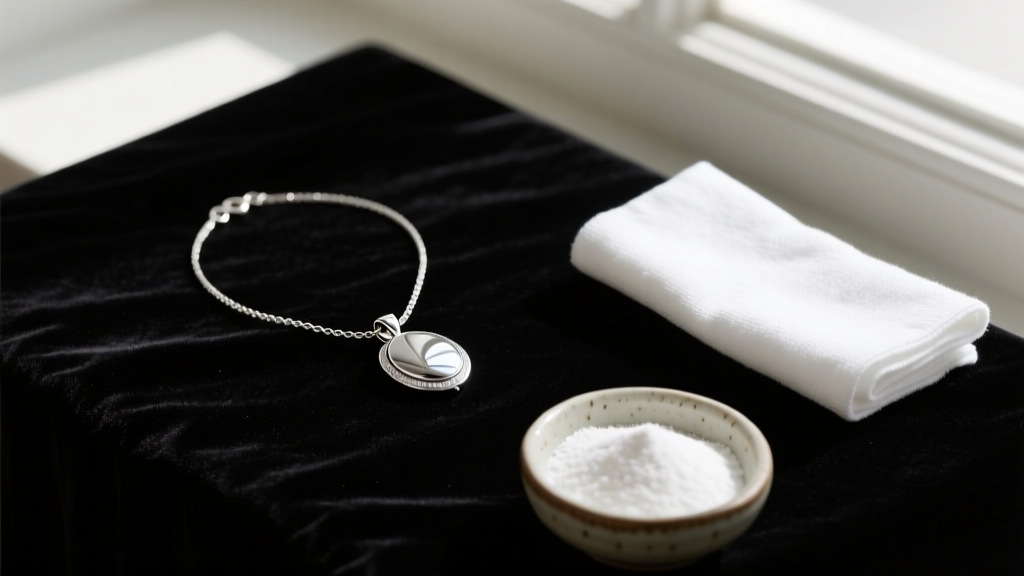
The Enduring Appeal of Silver Necklace Gifts
Gifting jewelry is a profound way to mark life’s most significant milestones, and silver remains one of the most versatile, elegant, and accessible precious metals available. With silver prices reaching notable highs in 2026, investing in high-quality 925 sterling silver pieces is both a sentimental and financially sound decision. However, unlike pure gold or platinum, silver requires specific maintenance to retain its brilliant luster. When you gift a silver chain, locket, or pendant, you are also gifting the responsibility of care. Understanding the best way to clean silver necklace pieces ensures that your thoughtful present remains a cherished heirloom rather than a neglected, darkened trinket at the bottom of a jewelry box.
Sterling silver is an alloy composed of 92.5% pure silver and 7.5% secondary metals, usually copper. This copper addition provides the necessary tensile strength for delicate chains and intricate pendant settings, but it is also the primary culprit behind tarnish. Before diving into the chemistry of cleaning, it is essential to match the right silver necklace style to the specific occasion you are celebrating.
Occasion Matching: Choosing the Right Silver Piece
Selecting the perfect silver necklace involves more than just picking a pretty pendant; it requires aligning the style, weight, and motif with the recipient's milestone. Here is a curated gifting framework for major life events.
The 25th Silver Anniversary
Traditionally, the 25th wedding anniversary is the 'Silver Anniversary.' For this monumental occasion, opt for substantial, high-gauge pieces that reflect the durability of a quarter-century marriage. A 3mm to 5mm sterling silver paperclip chain or a heavy Cuban link necklace offers a modern, luxurious feel. These thicker chains are highly durable and less prone to snapping, making them ideal for everyday wear. Because of their larger surface area, they also respond exceptionally well to electrochemical cleaning baths, which we will cover below.
Graduations and Career Milestones
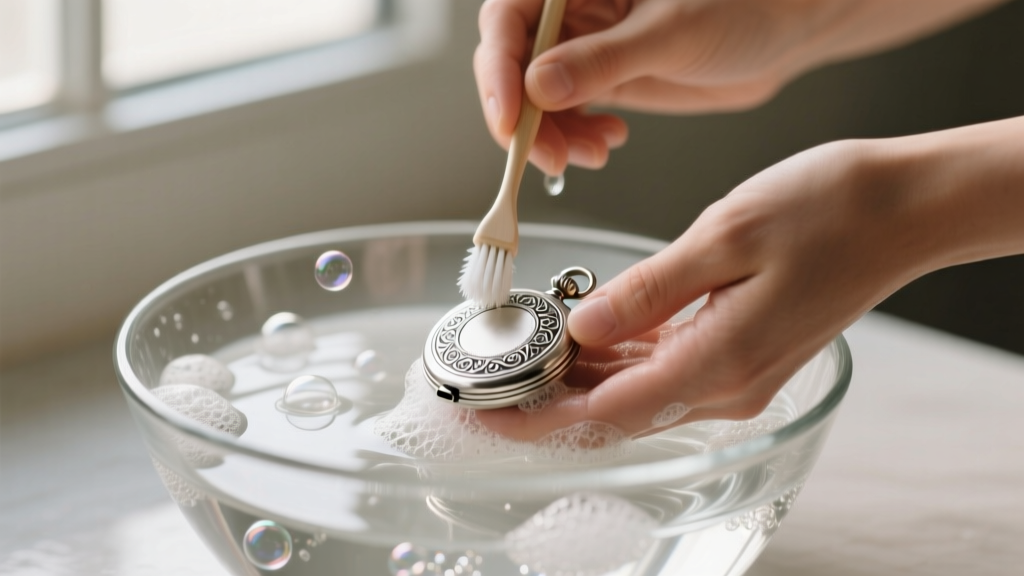
For graduations or significant career promotions, the jewelry should symbolize direction, identity, and the future. Sterling silver initial pendants, compass motifs, or subtle zodiac lockets are deeply personal choices. When gifting lockets or pieces with intricate filigree work, be mindful that the crevices will trap body oils and environmental dust. According to the Jewelers of America, intricate designs require soft-bristled cleaning methods to avoid scratching the detailed metalwork while removing embedded grime.
Holidays and Mother’s Day
Birthstone-set pendants and family tree lockets are classic Mother’s Day and holiday gifts. However, the inclusion of gemstones drastically alters how the necklace must be cleaned. While plain silver can withstand vigorous polishing, porous stones like turquoise, opal, and pearl require gentle, non-chemical cleaning. If you are gifting a silver necklace featuring these delicate stones, include a specialized care kit with your gift to prevent the recipient from accidentally ruining the gems while trying to polish the metal.
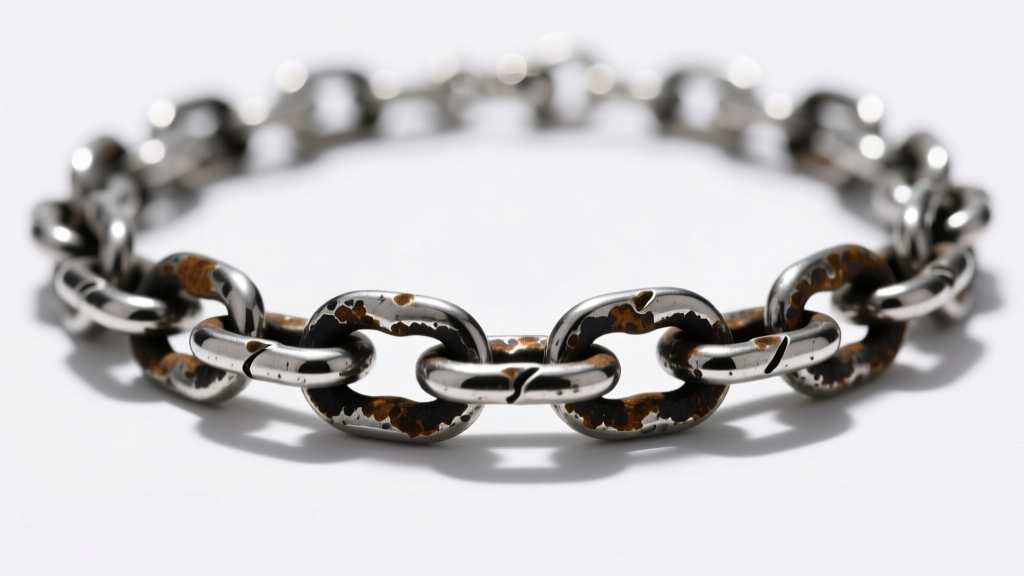
Understanding Tarnish: The Chemistry of Darkened Silver
To effectively clean silver, one must understand why it tarnishes. Pure silver is relatively unreactive, but the copper alloy in 925 sterling silver reacts with sulfur compounds in the environment—specifically hydrogen sulfide in the air. This reaction forms silver sulfide (Ag2S), a black or dark brown compound that coats the surface of the jewelry. Humidity, cosmetics, perfumes, and even the natural pH of the wearer's skin can accelerate this process. Tarnish is not a sign of poor quality or 'fake' silver; rather, it is a natural chemical confirmation that the piece is indeed genuine sterling silver.
The Best Way to Clean Silver Necklace Gifts: 3 Proven Methods
Finding the best way to clean silver necklace pieces depends heavily on the level of tarnish, the chain's gauge, and the presence of gemstones. Here are three expert-approved methods ranging from gentle maintenance to heavy-duty restoration.
Method 1: The Electrochemical Bath (For Heavy Tarnish on Plain Chains)
This method uses a reverse-chemical reaction to strip silver sulfide from the metal without removing any of the underlying silver. It is the absolute best method for heavily tarnished, plain chains like box chains, snake chains, or rope chains.
- Materials Needed: A glass or ceramic bowl, aluminum foil, boiling water, baking soda (sodium bicarbonate), and kosher salt.
- The Process: Line the bowl with aluminum foil, shiny side up. Place the silver necklace on the foil so it makes direct contact. Sprinkle one tablespoon of baking soda and a teaspoon of salt over the jewelry. Pour boiling water into the bowl until the necklace is submerged.
- The Science: The aluminum has a lower reduction potential than silver. In the hot, alkaline electrolyte solution, the sulfur ions migrate from the silver sulfide to the aluminum, forming aluminum sulfide and leaving pure, bright silver behind. You will smell a faint 'rotten egg' odor (hydrogen sulfide gas) as the reaction occurs.
- Warning: Never use this method on necklaces with glued-in stones, pearls, or intentionally oxidized (blackened) designer details, as it will strip the antiquing and dissolve the adhesives.
Method 2: Mild Surfactant Wash (For Light Oils and Dust)
For routine maintenance, or for necklaces featuring delicate gemstones, a simple surfactant wash is the safest approach. This method removes sebum, lotion buildup, and environmental dust without triggering any chemical reactions.
- Materials Needed: Lukewarm water, a few drops of mild, phosphate-free dish soap (like Dawn), and a microfiber cloth.
- The Process: Mix the soap and water in a bowl. Let the necklace soak for 3 to 5 minutes. Gently agitate the water. Rinse thoroughly under lukewarm running water and pat dry with a lint-free microfiber cloth. Air-drying can leave water spots, so manual drying is crucial.
Method 3: Professional Ultrasonic Cleaning (For Intricate Settings)
If you have gifted a silver necklace with secure, non-porous gemstones (like diamonds, sapphires, or cubic zirconia) set in intricate prong or bezel settings, an ultrasonic cleaner is highly effective. These machines use high-frequency sound waves (typically 40kHz) to create microscopic cavitation bubbles in a cleaning solution. When these bubbles collapse against the metal, they blast away microscopic dirt and oils from areas a cloth cannot reach. As noted by Bob Vila's home and jewelry care guides, ultrasonic cleaners are excellent for hard stones but will shatter or fracture softer gems like emeralds, opals, and tanzanite.
What to Avoid: Common Cleaning Mistakes
The internet is full of DIY silver cleaning hacks that can cause irreversible damage to fine jewelry. Avoid these common pitfalls to protect your investment.
| Cleaning Agent | Chemical/Physical Reaction | Verdict for 925 Silver |
|---|---|---|
| Whitening Toothpaste | Contains hydrated silica (highly abrasive) | Avoid: Scratches high-polish finishes and leaves micro-grooves that trap future tarnish. |
| Chlorine Bleach | Forms silver chloride (corrosive) | Strictly Avoid: Causes irreversible pitting, structural weakening, and permanent dark staining. |
| Commercial Silver Dips | Thiourea-based acid stripping | Use with Caution: Effective but strips all patina; can cause rapid re-tarnishing if not neutralized properly. |
| Paper Towels | Wood pulp fibers | Avoid: Act as a mild sandpaper, creating fine 'micro-scratches' on mirror-finish silver. |
Presenting Your Gift: Packaging and Maintenance Kits
If you want to elevate your silver necklace gift from a simple present to a luxurious experience, consider the presentation and the accompanying care instructions. Silver should never be stored in open air or high-humidity environments like bathrooms. When packaging your gift, include a few 3M anti-tarnish strips inside the jewelry box. These strips absorb ambient sulfur gases before they can reach the silver.
Additionally, present the necklace inside an airtight, anti-tarnish polyethylene ziplock bag, accompanied by a small silica gel desiccant packet to control moisture. Including a high-quality, treated silver polishing cloth (impregnated with micro-abrasives and tarnish-inhibiting agents) provides the recipient with the tools they need for quick, on-the-go maintenance. By pairing a beautiful silver necklace with a thoughtful care kit and the knowledge of how to properly maintain it, you ensure your gift will shine brilliantly for decades to come.


