The Slipknot Necklace Buying Guide: What to Look For
Discover our expert slipknot necklace buying guide. Learn how to choose the best cord materials, knot types, and thicknesses for your pendants.

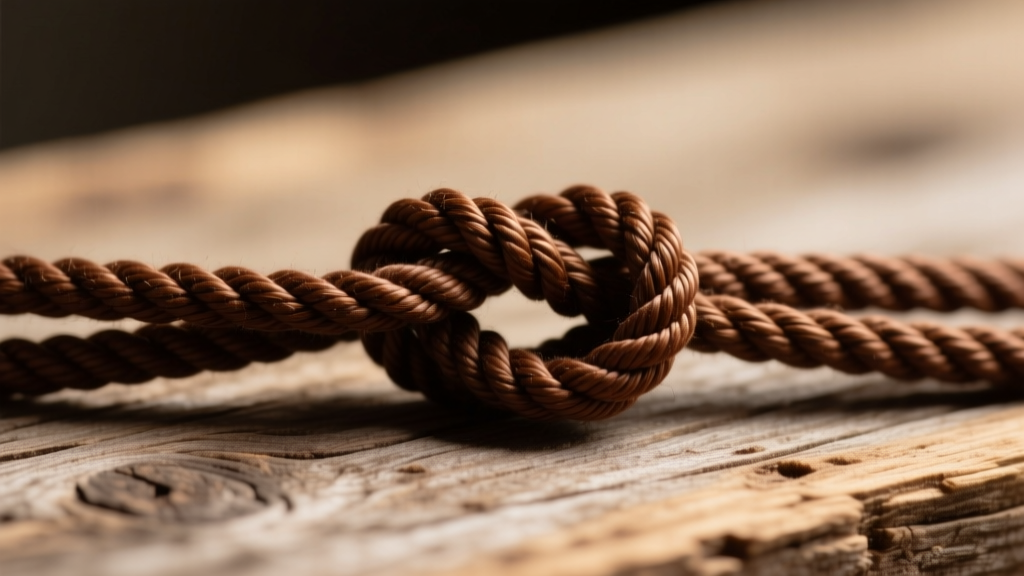
The Anatomy of a Slipknot Necklace
When jewelry enthusiasts, artisans, and buyers refer to a slipknot necklace, they are describing an adjustable cord necklace that relies on friction-based sliding knots rather than traditional metal clasps. Sometimes confused with band merchandise due to the name, the true jewelry slipknot necklace is a masterclass in functional minimalism. It is a staple in surfer jewelry, bohemian aesthetics, and modern minimalist pendant designs. The absence of a metal clasp makes it inherently hypoallergenic, lightweight, and infinitely adjustable to suit any neckline.
However, not all adjustable cord necklaces are created equal. A poorly constructed slipknot necklace will either jam when you try to adjust it, or worse, loosen throughout the day, risking the loss of your favorite pendant. This comprehensive buying guide breaks down the material science, structural mechanics, and design nuances you need to evaluate before making a purchase in 2026.
Cord Materials: The Backbone of Your Necklace
The cord is the single most critical component of a slipknot necklace. It dictates the necklace's tensile strength, water resistance, skin feel, and most importantly, the friction coefficient required to keep the sliding knot secure. According to cordage experts and jewelry supply authorities like Fire Mountain Gems, selecting the right fiber is paramount for longevity.
Waxed Cotton
Waxed cotton is the gold standard for traditional slipknot necklaces. The microcrystalline wax coating fills the gaps between the cotton fibers, increasing the cord's diameter slightly and providing a tacky surface that grips itself when knotted. It offers a matte, organic finish that pairs beautifully with turquoise, amber, and wooden pendants. However, it is not highly water-resistant; frequent exposure to saltwater or sweat will eventually degrade the wax, requiring re-waxing or replacement.
Braided Nylon and Chinese Knotting Cord
Nylon cords, particularly braided Chinese knotting cord, offer superior tensile strength and vibrant colorfastness. Nylon has a naturally smoother surface than cotton, meaning the slipknot will slide effortlessly but may require an extra wrap or a tighter pull to lock into place. It is highly resistant to water, mildew, and UV degradation, making it the ultimate choice for beachgoers and active lifestyles.
Leather and Suede
Leather cords provide a rugged, masculine aesthetic. Suede offers a softer drape but lacks the structural rigidity needed for a reliable sliding knot. If you prefer leather, opt for round, braided leather cords between 1.5mm and 2.0mm. Keep in mind that leather is porous and can harbor bacteria if worn in the shower or ocean, and it will stiffen if repeatedly soaked and dried.
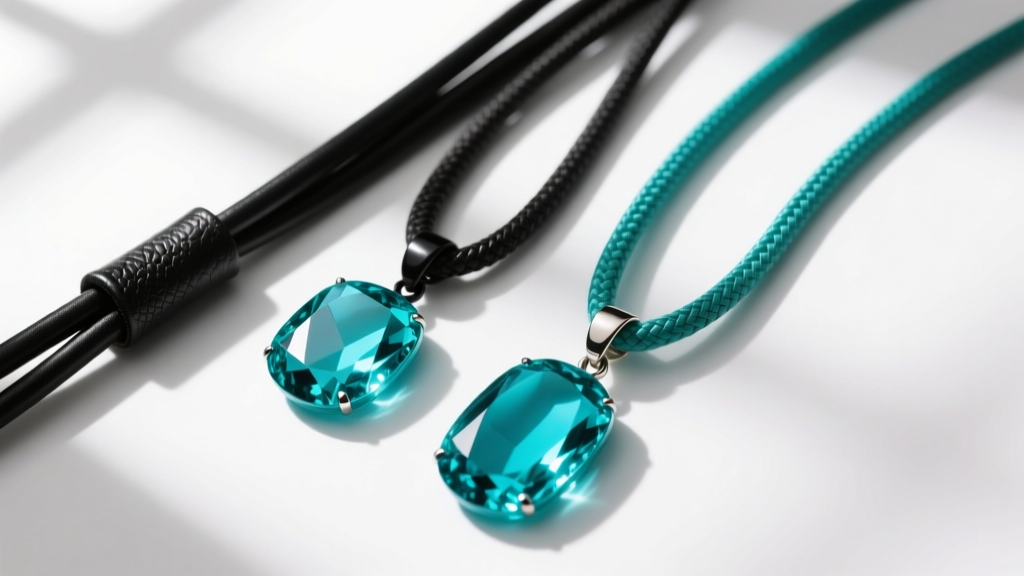
Cord Thickness and Bail Compatibility
A common failure point when buying a slipknot necklace is a mismatch between the cord thickness (gauge) and the pendant's bail aperture. If the cord is too thick, it will fray against the metal bail. If the sliding knot wraps are too bulky, they won't pass through the bail if the design requires the knot to slide through the pendant itself (common in macrame stone-wrapping).
Use the table below as a quick-reference framework to ensure structural harmony between your cord, knot, and pendant.
| Cord Diameter | Ideal Bail Aperture | Max Pendant Weight | Best Knot Type |
|---|---|---|---|
| 0.5mm - 0.8mm | 1.0mm - 1.5mm | 15 grams | Double Overhand Slip |
| 1.0mm - 1.5mm | 2.0mm - 3.0mm | 40 grams | Sliding Square Knot |
| 1.5mm - 2.0mm | 3.5mm - 5.0mm | 80+ grams | Macrame Button Knot |
| 2.0mm+ (Leather) | 5.0mm+ | 100+ grams | Overhand with Bead Stopper |
Gemstone Pairing and Chemical Safety
When pairing a slipknot necklace with high-end gemstones, you must consider chemical interactions. The dyes used in cheap cotton or nylon cords can bleed when wet, permanently staining porous gemstones. The Gemological Institute of America (GIA) warns that organic and porous gems like pearls, coral, turquoise, and malachite are highly susceptible to chemical damage and dye transfer.
If you are buying a slipknot necklace to hold a valuable porous gemstone, insist on undyed, natural-colored silk or high-grade, colorfast UHMWPE cords. Avoid heavily waxed cords directly against pearls, as the wax can attract dust and grit that will micro-scratch the pearl's nacre over time. For heavy, non-porous stones like quartz or agate, waxed cotton or braided nylon provides the necessary friction to support the stone's weight without the knot slipping.
Troubleshooting Common Knot Issues
Even high-quality slipknot necklaces can experience mechanical quirks. Here is how to evaluate and troubleshoot the most common issues:
- The Knot Slips Too Easily: This occurs when the cord's friction coefficient is too low (common with unwaxed silk or smooth nylon). The Fix: Look for necklaces that utilize a "square knot" wrap rather than a simple overhand loop, as the square knot distributes friction across multiple contact points. Alternatively, a micro-drop of flexible jeweler's adhesive on the stationary wraps can lock the tension.
- The Knot Jams and Won't Slide: This happens when the cord is too thick for the knot wraps, causing the fibers to bind and crush together under tension. The Fix: Ensure the sliding wrap is made from a slightly thinner cord than the main necklace cord. For example, a 1.5mm main cord should be wrapped with a 0.8mm cord to ensure smooth gliding.
- Fraying at the Bail: Caused by sharp, unfiled edges on the inside of a metal bail. The Fix: Inspect the bail with a jeweler's loupe before purchase. If buying online, check reviews specifically mentioning "cord wear" or opt for pendants with smooth, soldered jump-ring bails.
2026 Trends: High-Performance and Eco-Cords
The jewelry market in 2026 has seen a massive shift toward advanced material science and sustainability. Two major innovations are redefining the slipknot necklace category:
UHMWPE (Dyneema/Spectra) Cords
Ultra-High-Molecular-Weight Polyethylene (UHMWPE) is a synthetic fiber that is 15 times stronger than steel by weight. Originally used in sailing and climbing, jewelry makers have adopted micro-braided UHMWPE cords for high-end, heavy pendants. These cords are incredibly thin (often under 0.8mm), completely waterproof, and impervious to UV fading. Because they are so slick, they require specialized high-friction sliding knots, often incorporating a tiny silicone-lined bead inside the knot wrap to provide the necessary grip.
Recycled Ocean Plastics (rPET)
Sustainability is no longer a niche; it is a baseline expectation. Premium brands are now offering slipknot necklaces crafted from rPET (recycled polyethylene terephthalate) harvested from ocean waste. These cords mimic the feel of braided nylon but offer a verifiable eco-friendly footprint, often accompanied by blockchain-tracked sourcing certificates. They take dye exceptionally well, resulting in vibrant, fade-resistant colors that appeal to the eco-conscious consumer.
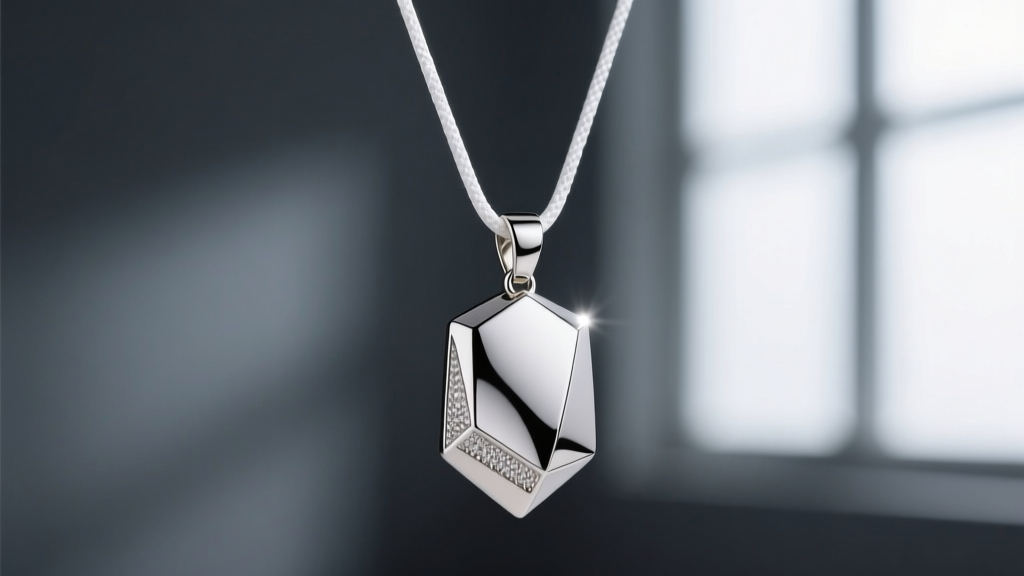
Knot Variations and End Finishes
The way the ends of a slipknot necklace are finished is a hallmark of quality craftsmanship. When the necklace is pulled to its maximum length, the ends must not slip through the sliding knot.
High-end artisans finish the tails with sterling silver or gold-filled end beads, securely knotted or crimped to act as physical stoppers. Mid-tier options often use melted nylon ends, where the synthetic cord is heated to form a hard, rounded bulb. While functional, melted ends can feel sharp against the collarbone if not polished correctly. The most traditional, and often most comfortable, finish is the macrame tassel, where the remaining cord fibers are combed out and bound with a smaller decorative wrap knot. When evaluating a purchase, always pull the cord to its maximum extension to ensure the end stoppers are robust and securely fastened.
Final Verdict: Choosing Your Perfect Piece
A well-crafted slipknot necklace is a versatile, durable, and deeply personal piece of jewelry. By prioritizing high-friction cord materials like waxed cotton or braided nylon, ensuring precise bail-to-cord measurements, and verifying the quality of the knot wraps and end finishes, you can secure a piece that will last for years. Whether you are threading a heavy raw quartz crystal on a rugged leather cord or suspending a minimalist titanium bar on a high-tech UHMWPE line, understanding the mechanics of the slipknot ensures your jewelry stays exactly where you want it.


