Curved Bar Necklace Value Guide: Pricing, Metals & Budget Tips
Discover the true value of a curved bar necklace. Compare pricing tiers, metal grades, and engraving costs to make a smart jewelry investment.

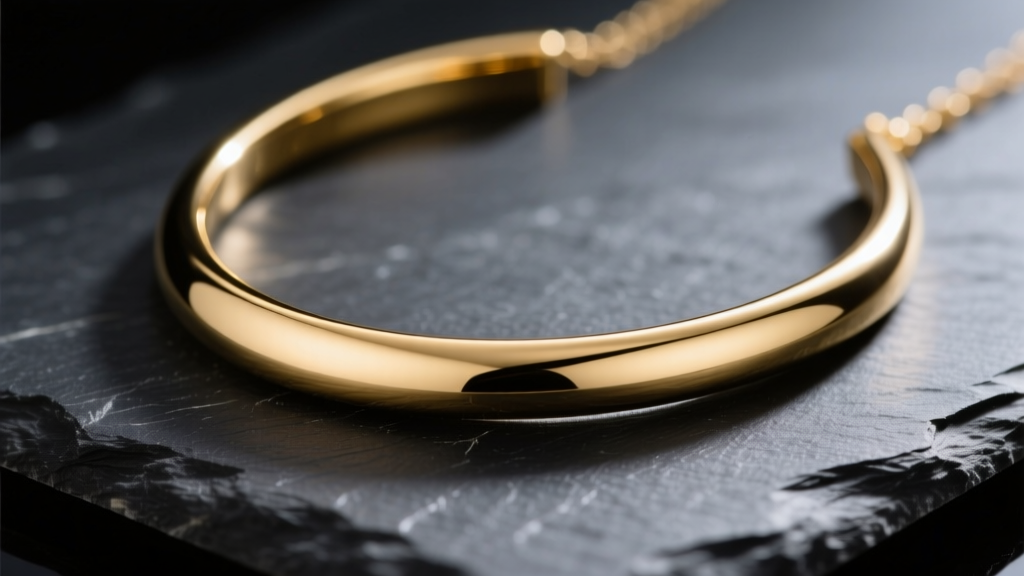
The curved bar necklace has cemented its place as a modern minimalist staple, favored for its sleek geometry and subtle elegance. Whether featuring engraved coordinates, a meaningful date, or left completely unadorned, this silhouette is a go-to for layering or solo wear. However, as of 2026, the market is flooded with options ranging from $15 fast-fashion finds to $400 fine jewelry pieces. For the savvy buyer, the challenge lies in distinguishing between a genuine investment and a poorly constructed novelty. In this budget and value assessment, we break down the exact material grades, structural dimensions, and pricing frameworks you need to evaluate the true worth of a curved bar necklace.
The Anatomy of a Curved Bar: What Drives the Price?
Before assessing metal purity, you must evaluate the physical construction of the bar itself. The structural integrity of the necklace dictates its longevity, especially since curved bars are prone to bending if manipulated improperly during clasping.
Standard Dimensions and Gauge Thickness
A high-quality curved bar typically measures between 35mm and 50mm in length, with a width of 3mm to 5mm. The most critical metric, however, is the thickness (or gauge). Many budget retailers cut costs by stamping bars at 0.8mm thick (roughly 20-gauge). At this thickness, sterling silver and low-karat gold will warp under the tension of a snagged chain. For daily wear, you should look for a minimum thickness of 1.2mm (approximately 16-gauge). This added metal weight not only prevents bending but also provides a deeper, more premium visual profile.
Chain Pairing and Clasp Hardware
The value of the pendant is often undermined by cheap hardware. A premium curved bar should be paired with a durable chain, such as a 1.2mm box chain or a 1.5mm cable chain. Furthermore, inspect the clasp. Standard spring-ring clasps are acceptable for lightweight bars, but a solid lobster clasp is the industry standard for chains supporting heavier, solid-gold pendants.
Metal Tiers: Where Your Money Actually Goes
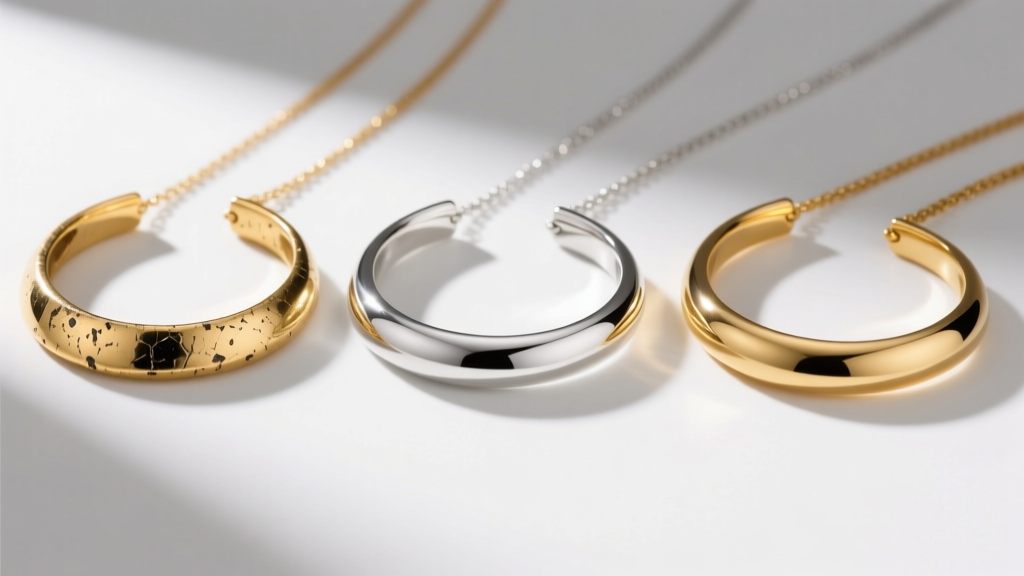
The most significant variable in your budget assessment is the base metal and plating thickness. According to the Gemological Institute of America (GIA), understanding gold alloys and plating standards is essential for avoiding premature tarnishing and skin irritation. Below is a breakdown of the current market tiers for curved bar necklaces.
| Material Grade | Base Metal | Plating Thickness | Price Range (2026) | Expected Lifespan |
|---|---|---|---|---|
| Flash Plated | Brass or Zinc | < 0.1 microns | $15 - $35 | 1 - 3 Months |
| Gold Vermeil | 925 Sterling Silver | 2.5 microns (Minimum) | $55 - $110 | 1 - 3 Years |
| Solid 10k Gold | Gold Alloy (41.7%) | N/A (Solid) | $130 - $190 | Lifetime |
| Solid 14k Gold | Gold Alloy (58.3%) | N/A (Solid) | $220 - $380 | Lifetime |
The Vermeil Trap
Gold vermeil is heavily marketed as a premium alternative to solid gold. By Federal Trade Commission (FTC) guidelines, vermeil must have a sterling silver base and a gold plating of at least 2.5 microns. While this is a fantastic option for occasional wear, the friction of a curved bar resting against the collarbone will eventually wear through the plating, exposing the silver underneath. If you plan to wear the necklace daily, solid 10k or 14k gold offers a vastly superior cost-per-wear value.
The Hidden Costs of Custom Engraving
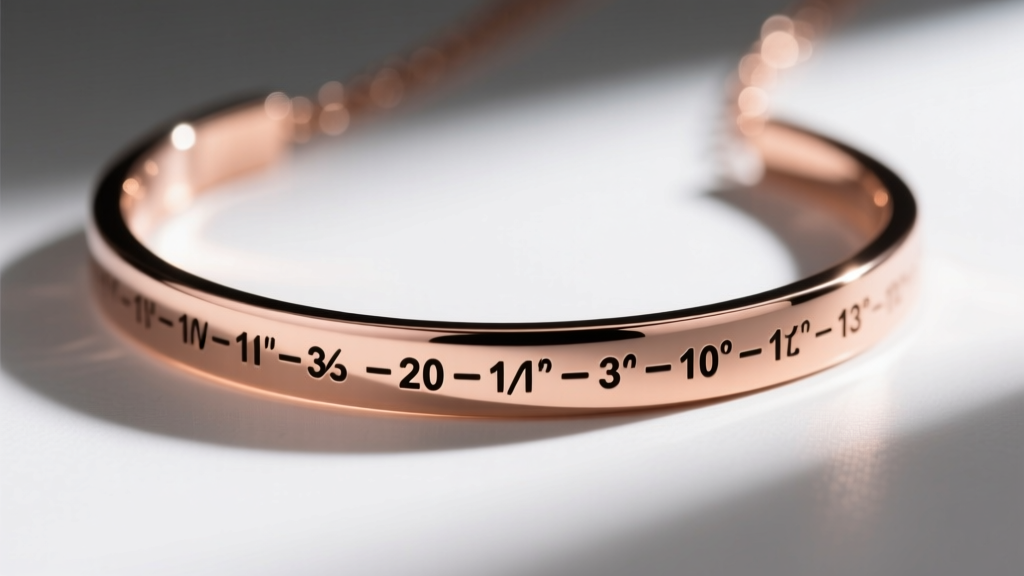
Curved bar necklaces are famously used for custom engravings, such as longitude/latitude coordinates or Roman numerals. However, the engraving method drastically alters both the price and the longevity of the piece.
- Laser Engraving ($10 - $25 surcharge): Lasers burn away the top layer of metal. On a gold-plated or vermeil bar, this exposes the base metal. While the darkened contrast makes the text highly legible, the exposed silver or brass will oxidize over time, potentially causing the text to blur or the metal to pit.
- Diamond Drag Engraving ($30 - $60 surcharge): A diamond-tipped tool physically carves the metal without burning it. This method is permanent, will not fade, and is the only recommended engraving style for solid gold pieces. The text will be subtler and rely on light reflection rather than dark contrast.
Budgeting Framework: How to Spot a Fair Deal
When evaluating a listing, use this quick framework to determine if the retailer's markup is justified. A fair deal aligns the metal weight, hardware quality, and brand transparency.
"The true value of minimalist jewelry isn't in the brand name; it's in the gram weight and the integrity of the findings. A 14k gold curved bar weighing under 1.5 grams is likely hollowed or too thin to survive daily wear." — Master Bench Jeweler Appraisal Standard
The Value Checklist:
- Does the listing explicitly state the metal weight in grams?
- Is the plating thickness verified in microns (for vermeil)?
- Are the chain and clasp made of the same metal grade as the pendant?
- Is the bar thickness at least 1.2mm to prevent warping?
Red Flags: When a Bargain is a Waste of Money
Avoid any curved bar necklace that exhibits the following failure modes, regardless of how low the price point is:
1. Soldered Jump Rings on Plated Metals: If the jump ring connecting the bar to the chain is soldered shut on a brass-based necklace, the heat from soldering often burns the plating, leaving a permanent dark or greenish mark near the bail.
2. Hollow-Back Stamping: Some manufacturers stamp the front of the bar to look thick, but leave the back hollow or concave to save on metal costs. This makes the necklace feel lightweight and flimsy, and the sharp edges of the hollow back can scratch the skin.
3. Vague Material Descriptions: Terms like "gold-tone," "gold-filled" (which is rarely used on cast pendants and usually reserved for wire), or "alloy" without further specification are deliberate obfuscations. Always demand exact material breakdowns before purchasing.
Final Verdict on Curved Bar Investments
The curved bar necklace remains a timeless silhouette, but its value is entirely dependent on your wearability needs. For trend-driven, seasonal styling, a high-quality vermeil piece ($60–$90) is a smart, budget-conscious choice. However, if you are seeking a permanent fixture in your daily jewelry rotation—especially one featuring meaningful custom engraving—bypass the plated options. Investing in a solid 14k gold bar with diamond-drag engraving ($250–$350) ensures that your coordinates or dates will outlast the trends, maintaining both structural integrity and intrinsic metal value for decades.


