Kim Kardashian Gifted North West a Custom 106-Carat Diamond Necklace
Explore the anatomy of ultra-luxury jewelry after Kim Kardashian gifted North West a custom 106-carat diamond necklace. Learn how to buy high-carat pieces.

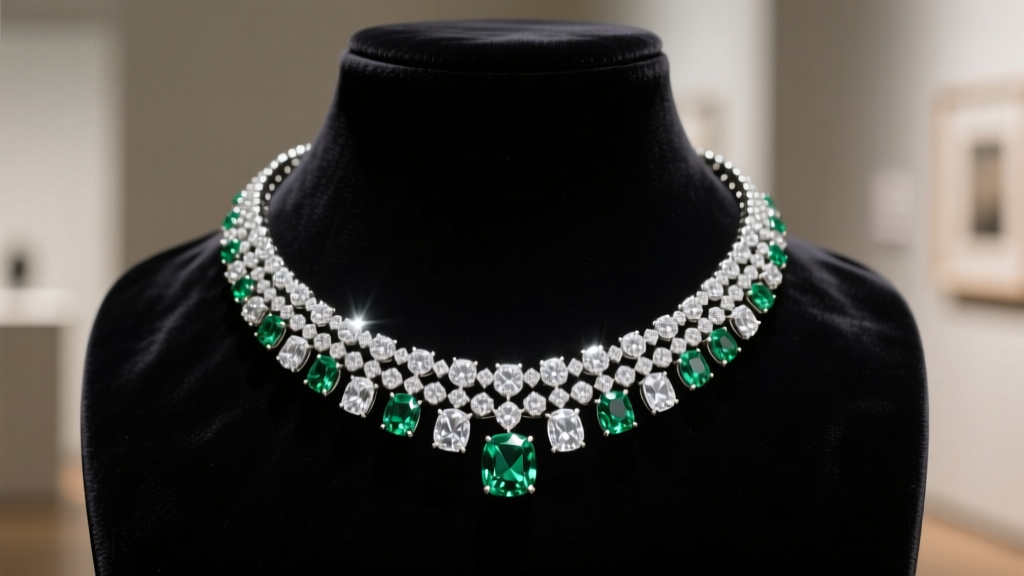
When the headline Kim Kardashian gifted North West a custom 106-carat diamond necklace circulated through high-jewelry circles, it sparked a massive resurgence in interest for ultra-luxury, high-carat statement pieces. Whether the piece in question is a 106-carat Total Carat Weight (TCW) riviere collar or features a singular, historic 106-carat center stone, commissioning or purchasing jewelry of this magnitude requires a masterclass in gemology and structural engineering. As we navigate the high-jewelry market in 2026, understanding the anatomy of these multi-million-dollar assets is critical for serious collectors and investors.
Decoding the Carat Weight: TCW vs. Singular Stone
The most common point of confusion when reading about celebrity jewelry gifting is the distinction between a singular carat weight and Total Carat Weight (TCW). This distinction fundamentally alters the valuation, sourcing, and structural requirements of the necklace.
The Singular 106-Carat Diamond
A singular 106-carat diamond is a museum-grade anomaly. For context, diamonds exceeding 100 carats are exceptionally rare, often originating from historic mines like the Cullinan or Letšeng. If a celebrity commissions a singular stone of this size, it is likely a bespoke masterpiece from a heritage house like Graff or Harry Winston. A 106-carat D-Flawless or Internally Flawless (IF) diamond would command an estimated valuation exceeding $15 million to $25 million in the current market, requiring specialized auction house facilitation and extreme security logistics.
The 106-Carat TCW Collar
Conversely, a 106-carat TCW necklace—often designed as a graduated riviere or an articulated diamond collar—comprises dozens of individually set diamonds that sum to 106 carats. This is the more common interpretation of celebrity high-jewelry gifting. A piece of this caliber, featuring F-G color and VS1-VS2 clarity diamonds set in Platinum 950, typically commands a market price between $850,000 and $1.8 million. The focus here shifts from the rarity of a single stone to the absolute consistency of the diamond array.
Sourcing High-Carat Diamonds: What to Demand
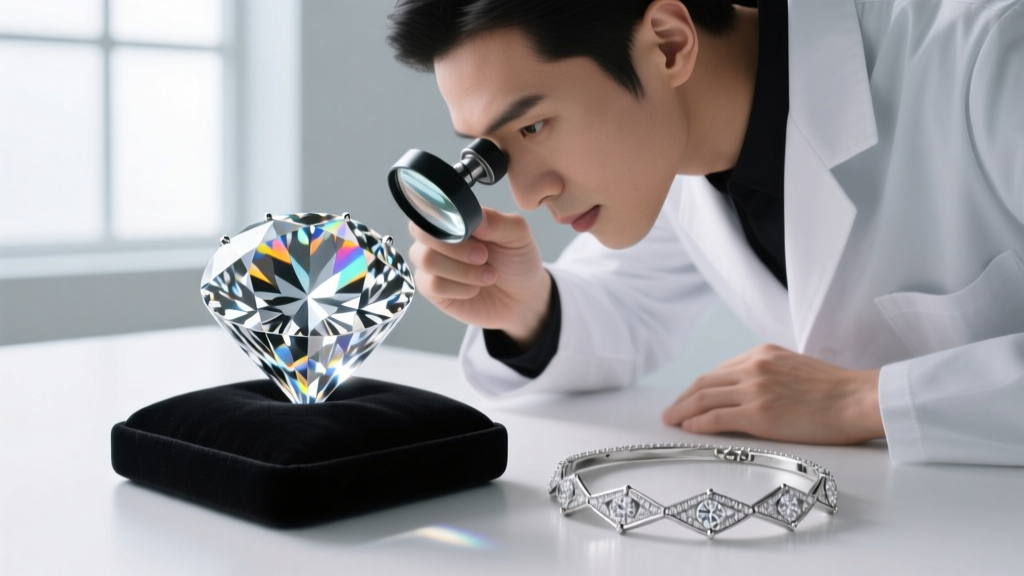
When sourcing diamonds for a high-carat array, consistency is paramount. A single off-color or heavily included stone in a 45-stone riviere will immediately draw the eye and depreciate the value of the entire piece. According to the Gemological Institute of America (GIA), grading standards must be rigorously applied across every individual stone in a custom necklace.
The 4Cs at Scale: Adjusting Standards for Statement Necklaces
Buying a 100+ carat necklace requires stricter parameters than buying a standard engagement ring. Fluorescence, often dismissed in smaller stones, becomes a critical factor in large arrays. Strong blue fluorescence in multiple stones can cause a cloudy or milky appearance when exposed to UV light, ruining the visual continuity of the necklace.
| Diamond Specification | Minimum Grade for 100+ CTW | Investment Grade (Museum Quality) |
|---|---|---|
| Color | G-H (Near Colorless) | D-F (Colorless) |
| Clarity | VS1-VS2 | IF - VVS1 |
| Fluorescence | Faint | None |
| Cut | Excellent / Ideal | Super Ideal (Hearts and Arrows) |
| Matching Tolerance | +/- 0.5mm diameter | +/- 0.2mm diameter |
Engineering the Mount: Security for Ultra-Heavy Necklaces
A 106-carat diamond necklace weighs approximately 21.2 grams in gemstones alone. When you factor in the Platinum 950 (Pt950) mounting, prongs, and a heavy-duty clasp, the total physical weight of the necklace can easily exceed 45 grams. This presents a massive structural challenge. Standard jewelry making techniques will fail under this stress, leading to metal fatigue, stretched links, or catastrophic clasp failure.
Mandatory Structural Components
- Tongue-and-Groove Box Clasps: Standard lobster or spring-ring clasps are entirely inadequate. You must demand a precision-milled tongue-and-groove box clasp with a locking mechanism that clicks audibly into place.
- Dual Figure-8 Safety Catches: High-end custom necklaces must feature two wire safety catches on the exterior of the clasp. If the primary box clasp is inadvertently bumped open, the figure-8 catches will hold the necklace securely around the neck.
- Articulation and Micro-Hinges: A stiff necklace will sit poorly on the collarbone and place uneven torque on the metal. Master jewelers use hidden micro-hinges or flexible mesh backing to allow the necklace to drape fluidly like fabric, distributing the 45-gram weight evenly across the cervical spine.
- Chain Gauge and Links: If the design incorporates a chain element rather than a solid metal backing, the gauge must be substantial. A minimum 4.5mm wheat or box chain forged in solid Pt950 is required to prevent the links from ovaling out over time.
Commissioning and Insuring Your Custom Piece
Commissioning a custom 106-carat necklace is a multi-month process that begins with 3D CAD modeling and finite element analysis (FEA) to test the structural integrity of the prongs and links before any metal is cast. The Natural Diamond Council emphasizes that provenance and documentation are just as important as the physical stones when dealing with ultra-high-carat jewelry.
Navigating High-Value Insurance
Standard homeowner or renter insurance policies typically cap jewelry coverage at $5,000 to $10,000. A 106-carat custom necklace requires a specialized high-net-worth insurance rider. Companies like Jewelers Mutual or Chubb offer agreed-value policies that do not depreciate the asset. To secure this coverage, you will need:
- A comprehensive GIA or AGS dossier for every diamond over 2.00 carats, and a master grading report for the matched array of smaller stones.
- A formal appraisal from a certified Master Gemologist Appraiser (MGA) detailing the exact metal weight, diamond TCW, and replacement cost in the current market.
- Photographic documentation and laser-inscription mapping of the primary stones to prove provenance in the event of a claim.
Ultimately, whether inspired by viral celebrity gifting or a personal desire for legacy assets, acquiring a 100+ carat diamond necklace is an exercise in uncompromising quality. By prioritizing structural engineering, strict gemological matching, and specialized insurance, collectors can ensure their high-jewelry investments remain secure and brilliant for generations.


