Designing a Disney Mom Necklace: Metals, Enamel & Chain Mechanics
Explore the metallurgy, enamel techniques, and chain mechanics behind crafting a durable, custom Disney mom necklace for everyday park wear.

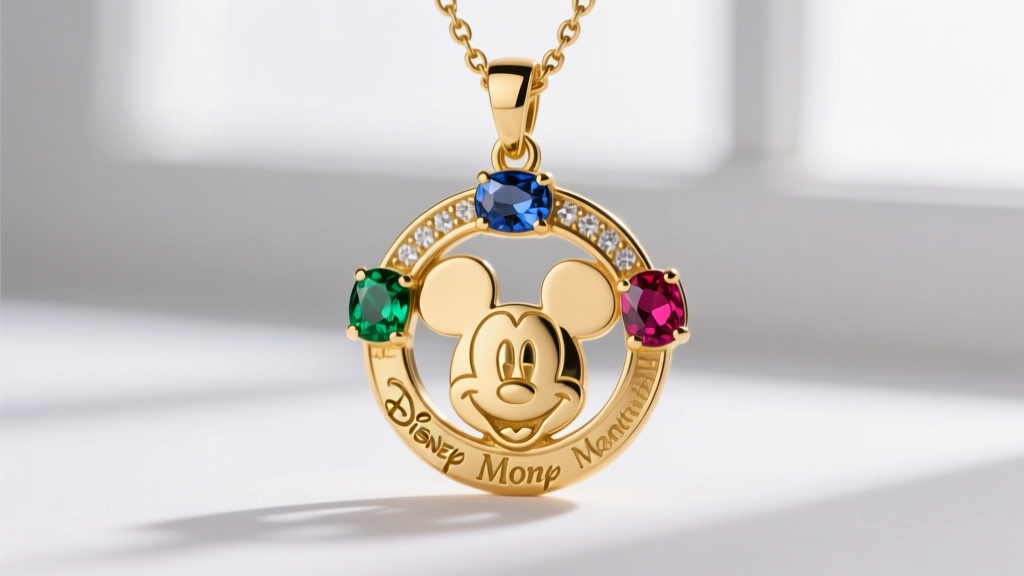
The concept of the Disney mom necklace has evolved dramatically over the last decade. What was once limited to mass-produced, lightweight sterling silver charms purchased in Main Street gift shops has transformed into a highly specialized niche of bespoke fine jewelry. Today, discerning collectors and theme park enthusiasts commission custom-fabricated pendants that subtly integrate iconic silhouettes, family birthstones, and intricate enamel work. However, designing a piece that survives the rigorous environment of a theme park—complete with high humidity, extreme temperature fluctuations, and constant exposure to chemical sunscreens—requires a deep understanding of jewelry engineering, metallurgy, and material science.
The Anatomy of a Theme Park Tribute Pendant
Creating a sophisticated tribute pendant begins in CAD (Computer-Aided Design). For a necklace intended for daily wear and active park touring, structural integrity is paramount. The base plate of the pendant must be milled or printed with a minimum thickness of 1.2mm. Anything thinner risks warping during the casting process or bending under the tensile stress of a heavy chain.
Modern 8K resolution castable resins allow jewelers to embed 'hidden' silhouettes—such as a subtle profile or a geometric representation of iconic ears—into the negative space of the pendant without compromising the metal's structural grain. When designing the sprue (the channel through which molten metal flows), engineers must place it on a non-visible edge to prevent porosity in the primary viewing area. Porosity, or microscopic air bubbles trapped in the metal, is a leading cause of structural failure and enamel cracking in custom pendants.
Metallurgy & Material Grades: What Survives the Parks?
The theme park environment is notoriously hostile to jewelry. High ambient humidity, coupled with the pervasive use of chemical sunscreens containing avobenzone and octocrylene, creates a highly reactive environment on the skin. These chemicals can accelerate the oxidation of copper-rich alloys, leading to rapid tarnishing and skin discoloration. According to Rio Grande's comprehensive metals guide, selecting the correct alloy is the most critical decision in the fabrication process.
| Metal Alloy | Composition & Grade | Park Durability | Maintenance & Failure Modes |
|---|---|---|---|
| 925 Sterling Silver | 92.5% Silver, 7.5% Copper | Moderate | Prone to rapid sulfide tarnishing. Requires frequent polishing. Sunscreen accelerates copper oxidation. |
| Gold Vermeil | Silver base, 2.5μm+ 14k/18k Gold | Low | High friction areas (bail, chain loops) will wear through to silver within 6-12 months of daily park wear. |
| Solid 14k Gold | 58.5% Gold, Alloyed w/ Silver/Zinc | Excellent | Highly resistant to chemical sunscreens and sweat. Minimal maintenance. Best for heirloom-quality pieces. |
| Platinum 950 | 95% Platinum, 5% Ruthenium | Superior | Hypoallergenic, immune to chemical degradation. Heavy weight requires a reinforced chain and bail. |
For a true heirloom-quality Disney mom necklace that will endure decades of family vacations, solid 14k or 18k gold is the undisputed standard. While the initial investment is higher, the elimination of replating costs and the resistance to chemical degradation make it the most practical choice for active wearers.
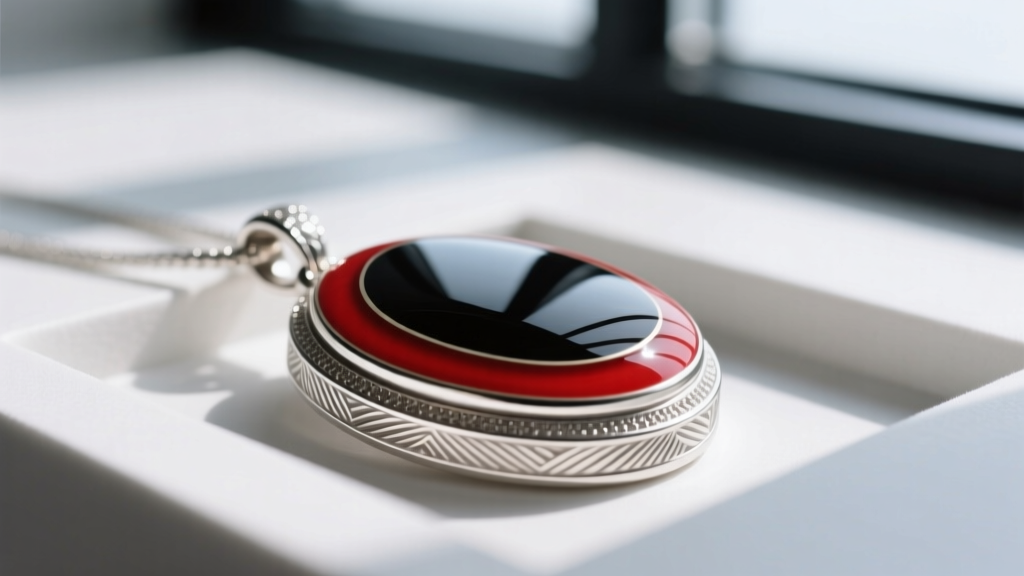
Enamel Techniques: Cold Resin vs. Vitreous Glass
Color is often used to subtly nod to specific characters or park attractions without relying on copyrighted imagery. The method used to apply this color dictates the lifespan of the piece. There are two primary enameling techniques used in custom jewelry: cold enamel (epoxy resin) and vitreous enamel (kiln-fired glass).
Cold Enamel (Epoxy Resin)
Cold enamel is a two-part epoxy resin poured into recessed metal cavities and cured at room temperature. While it allows for a broader spectrum of vibrant, translucent colors and is significantly cheaper to produce, it has severe limitations. Epoxy resins are highly susceptible to UV degradation; prolonged exposure to direct sunlight will cause the resin to yellow and become brittle over time. Furthermore, resin cannot withstand the heat of a jeweler's torch, meaning any future repairs to the metal setting risk melting or scorching the enamel.
Vitreous Enamel (Kiln-Fired Glass)
As detailed in the GIA's technical overview of enameling, vitreous enamel involves fusing finely ground glass powder to a metal substrate at temperatures exceeding 1,400°F (760°C). The resulting surface is essentially glass, making it impervious to UV fading, chemical sunscreens, and moisture. The critical engineering challenge with vitreous enamel is matching the Coefficient of Expansion (COE) of the glass to the metal base. If the metal expands and contracts at a different rate than the glass during temperature fluctuations, the enamel will craze (develop microscopic cracks) or pop out of the recess entirely. For 14k gold bases, jewelers must use specialized high-carat enamels formulated specifically for gold's thermal properties.
Gemstone Selection for High-Impact Environments
Many custom pendants incorporate birthstones or family diamonds. When designing a necklace for an environment that involves roller coasters, water rides, and crowded walkways, gemstone hardness and toughness must be evaluated using the Mohs scale.
- Avoid: Opals (Mohs 5.5-6.5, high water content makes them prone to cracking in dry heat), Pearls (Mohs 2.5-4.5, easily dissolved by acidic sweat and sunscreen), and Emeralds (heavily included, low toughness).
- Recommended: Sapphires and Rubies (Mohs 9, excellent toughness), Lab-Grown Diamonds (Mohs 10, identical physical properties to mined diamonds but more cost-effective for multi-stone cluster designs), and Spinels (Mohs 8, highly durable and available in vibrant hues).
Setting techniques also matter. Prong settings can snag on clothing or park lanyards. For active wear, bezel settings or flush (gypsy) settings are vastly superior, as they enclose the girdle of the stone in metal, protecting it from lateral impacts.
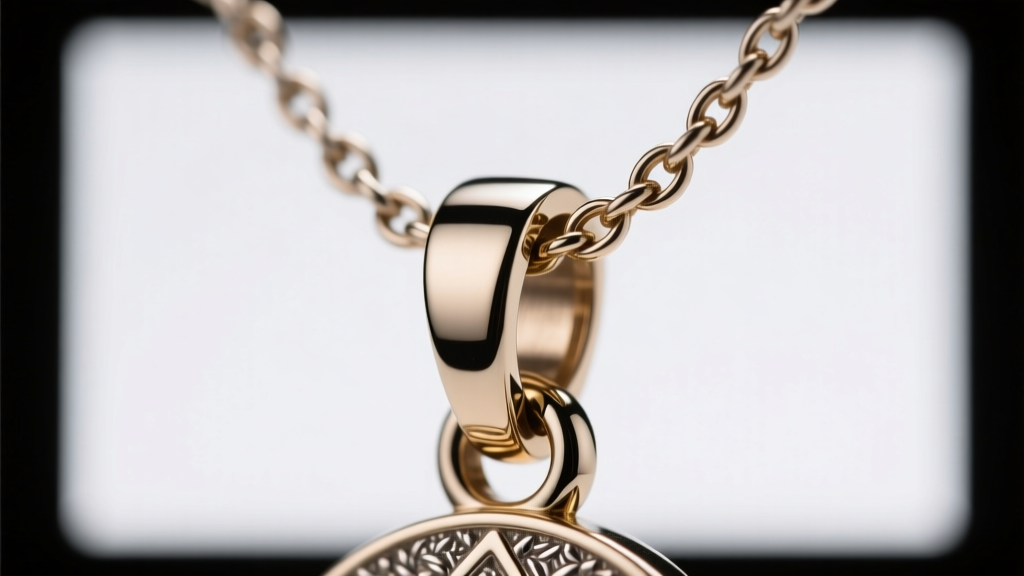
Chain Mechanics & Bail Engineering
A heavy, custom-cast pendant is only as secure as the chain and bail that support it. The bail—the loop that connects the pendant to the chain—must be proportionally sized to the pendant's weight. A standard 14k gold pendant weighing 8-12 grams requires a bail with an interior dimension of at least 4mm x 6mm to accommodate a substantial chain without causing excessive friction.
Chain Selection and Tensile Strength
Not all chains are created equal. Box chains, while visually appealing, have a notoriously high failure rate under tensile stress; once a single link kinks, the structural integrity of the entire chain is compromised, and it becomes nearly impossible to repair without visible solder marks.
For heavy tribute pendants, Wheat (Spiga) chains or Rope chains are the optimal choices. Wheat chains feature interlocking oval links woven in the same direction, offering exceptional tensile strength and a fluid drape that resists kinking. Rope chains, constructed from twisted links, provide a brilliant sparkle that complements the pendant, though they require regular ultrasonic cleaning to remove trapped sunscreen and skin oils. Always opt for chains equipped with a lobster clasp featuring a reinforced jump ring, and ensure the laser-welded joint on the bail is inspected annually for micro-fractures.
Sizing, Layering, and Practical Wearability
When navigating crowded parks, necklace length is a functional consideration, not just an aesthetic one. A standard 16-inch choker length sits high on the clavicle, keeping the pendant safely away from the interference of park lanyards, camera straps, and crossbody bags. If layering is desired, maintain a strict 2-inch differential between chains (e.g., a 16-inch and an 18-inch) to prevent the clasps from migrating to the front and tangling. Utilizing a magnetic clasp converter can also allow for rapid removal of the necklace before boarding high-velocity attractions where loose articles are prohibited.
Sourcing & Custom Fabrication Costs
Commissioning a bespoke piece requires partnering with a master jeweler or a specialized CAD design house. Expect the following pricing tiers for a fully custom, solid 14k gold Disney mom necklace featuring vitreous enamel and three bezel-set lab-grown sapphires:
- CAD Design & Prototyping: $250 - $450 (Includes 3D rendering and resin test print).
- Casting & Metal Fabrication: $600 - $900 (Dependent on the daily spot price of gold and the gram weight of the final cast).
- Enameling & Stone Setting: $300 - $600 (Vitreous kiln-firing requires specialized labor and precise COE matching).
- Chain (18-inch 14k Wheat): $400 - $700.
While the total investment typically ranges from $1,550 to $2,650, the result is a structurally sound, chemically resistant heirloom that transcends fleeting trends, offering a sophisticated and enduring tribute to family and theme park heritage.


