Step-by-Step: Customizing a Heart Necklace with Picture
Learn how to choose, customize, and care for a heart necklace with picture. Explore photo locket, projection, and laser-engraved options in our guide.

A heart necklace with picture is more than just an accessory; it is a wearable archive of a cherished memory. Whether you are commemorating a milestone, honoring a lost loved one, or celebrating a new romance, integrating a personal photograph into a heart-shaped pendant requires a blend of sentimental vision and technical precision. In 2026, advancements in jewelry manufacturing—ranging from nano-laser projection to UV-cured epoxy enameling—have completely transformed how we wear our memories. However, the sheer volume of customization options can be overwhelming.
This comprehensive, step-by-step guide will walk you through the exact process of selecting the right integration method, choosing appropriate chain gauges, preparing your digital files, and maintaining the piece for decades to come. By understanding the metallurgy and imaging technology behind these pendants, you can ensure your custom jewelry is as durable as it is meaningful.
The Evolution of Photo Jewelry: Lockets vs. Projection vs. Enamel
Before selecting a metal or chain, you must decide how the image will be integrated into the heart pendant. The three dominant methods in the modern jewelry market each possess distinct structural advantages, price points, and aesthetic profiles.
| Integration Method | How It Works | Durability | Color Fidelity | Average Price Range |
|---|---|---|---|---|
| Traditional Glass Locket | Physical photo print placed behind a hinged glass or quartz window. | Moderate (glass can shatter, hinges can loosen) | Full Color | $45 - $150 |
| Nano-Projection | Image is laser-carved into a microscopic resin core inside a central gemstone. | High (sealed inside synthetic spinel or glass) | Monochrome / Sepia | $30 - $90 |
| UV Epoxy Enamel | High-res CMYK print on a metal base, domed and sealed with UV-cured resin. | Very High (scratch-resistant, waterproof) | Full Color (Vibrant) | $60 - $180 |
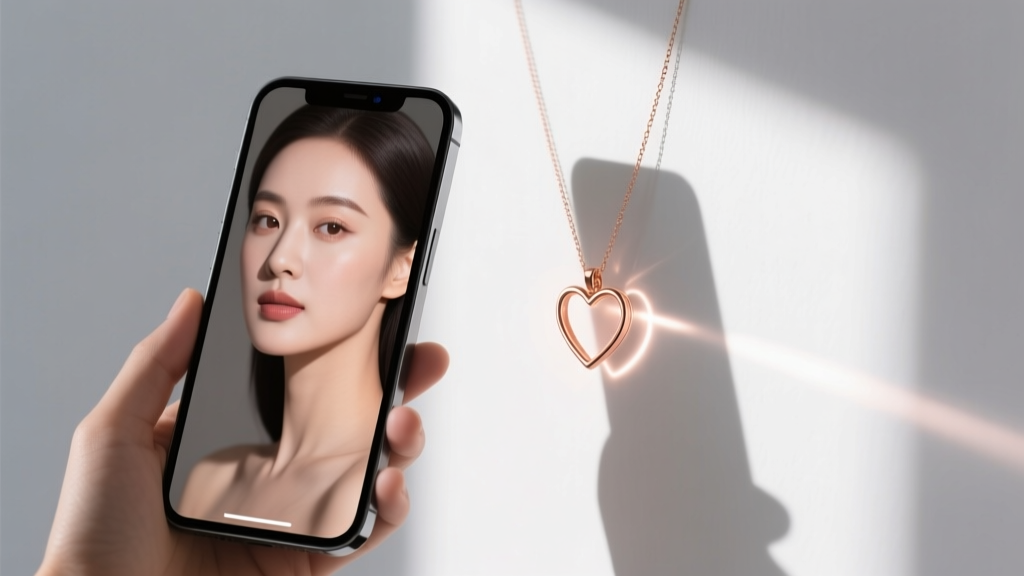
For heirloom-quality pieces meant to be worn daily, UV Epoxy Enamel is currently the industry gold standard. It eliminates the mechanical failure points of a hinged locket while providing the vibrant, full-color reproduction that projection necklaces lack. However, if the goal is a subtle, hidden sentiment that projects onto a wall when held to a smartphone flashlight, the Nano-Projection heart necklace remains a highly popular choice.
Step 1: Selecting the Right Base Material and Chain Gauge
The longevity of your heart necklace with picture depends heavily on the base metal and the structural integrity of the chain. A standard 18mm x 18mm heart pendant with an enamel or glass insert typically weighs between 3.5 and 5.5 grams. This weight dictates the minimum chain thickness required to prevent snapping.
Base Metal Considerations
- 316L Stainless Steel: The best choice for budget-conscious buyers or those with severe nickel allergies. It will not tarnish, but it cannot be easily resized or soldered if the bail breaks.
- 925 Sterling Silver: The traditional standard. Ensure the piece is stamped '925'. According to the Gemological Institute of America (GIA), sterling silver contains 92.5% pure silver and 7.5% copper. The copper adds strength but makes it prone to oxidation, requiring occasional polishing.
- 14k or 18k Gold Vermeil: A thick layer of gold (minimum 2.5 microns) over a sterling silver base. It offers the look of solid gold at a fraction of the cost, though it will eventually require re-plating after 2 to 4 years of daily wear.
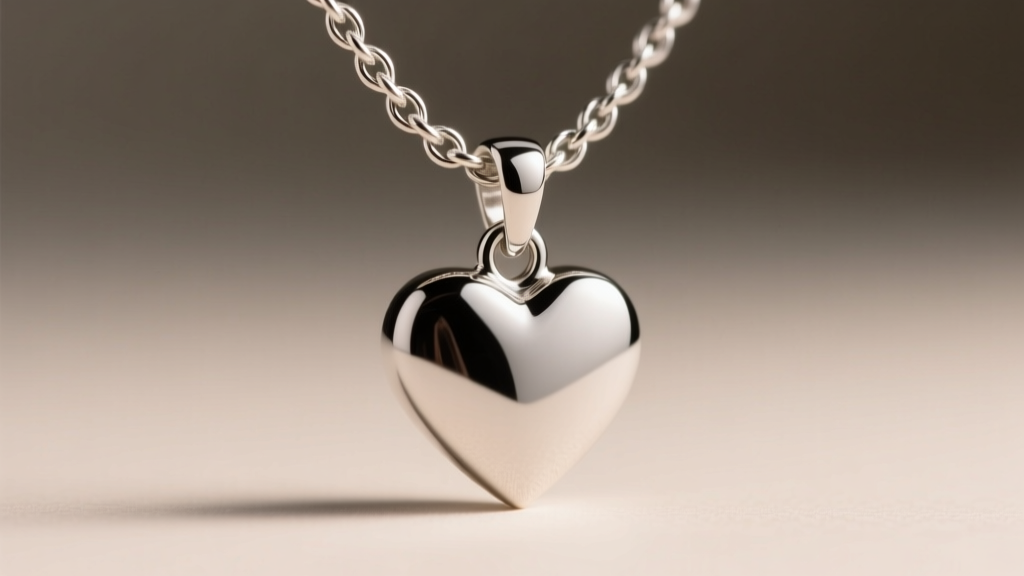
Chain Gauge and Clasp Engineering
Never pair a 4-gram enameled pendant with a 0.5mm 'thread' chain. According to Halstead's Jewelry Chain Guide, you must match the chain's breaking strength to the pendant's weight. For a heart picture pendant, opt for a 1.0mm to 1.2mm Box Chain or a 1.1mm Rope Chain. These weaves distribute tension evenly and resist kinking.
Furthermore, upgrade the clasp. Standard spring-ring clasps are notorious for failing under the pendulum motion of a heavier pendant. Always request or select a lobster claw clasp with a reinforced soldered jump ring to ensure the necklace stays securely fastened around your neck.
Step 2: Preparing Your Photo for Jewelry Integration
The most common point of failure in custom photo jewelry is poor source image quality. A photo that looks acceptable on a smartphone screen can become a blurry, unrecognizable smudge when compressed into a 12mm heart-shaped canvas. You must prepare your digital file according to the specific integration method you chose in Step 1.
Resolution and Contrast Requirements by Method
For UV Epoxy Enamel (Full Color):
- Resolution: Minimum 300 DPI at a 1x1 inch scale (roughly 300x300 pixels).
- Color Profile: Convert your file to CMYK before submitting to the jeweler. RGB colors (which are backlit on screens) often print 15-20% darker on physical metal substrates.
- Cropping: Because the canvas is a heart, the subject's face must be perfectly centered. Leave at least 15% negative space around the top of the head and shoulders to account for the curvature of the heart's upper lobes.
For Nano-Projection (Monochrome):
- Contrast is King: Projection lenses rely on light passing through microscopic variations in resin density. Full-color photos fail here. Convert your image to high-contrast black and white.
- Background Removal: Use editing software to remove the background entirely, replacing it with pure white or pure black. A cluttered background will scatter the projection light, resulting in a muddy image on the wall.
- Subject Limit: Projection cores can only handle 1 to 3 faces clearly. Attempting to project a family portrait of six people into a 3mm resin bead will result in indistinguishable silhouettes.
Step 3: The Customization and Assembly Process
Once your file is optimized, the manufacturing process begins. If you are ordering a UV Epoxy Enamel heart necklace with picture, the jeweler will first laser-cut the 18mm heart shape from a 0.8mm sheet of brass or silver. The image is then printed onto a specialized transfer film and heat-pressed onto the metal base.
The critical step is the doming process. A liquid UV-curable epoxy is carefully dispensed over the printed image. Surface tension pulls the resin to the edges of the heart, creating a smooth, convex dome. The piece is then exposed to high-intensity ultraviolet light for 120 to 180 seconds. This curing process cross-links the polymers, turning the liquid into a hard, glass-like shell that is completely waterproof and highly resistant to micro-scratches from daily wear.
If you are assembling a traditional glass locket yourself, you will need a specialized micro-hole punch to cut your printed photo to the exact dimensions of the locket's inner bezel. Use a dab of archival-quality, acid-free glue (such as Jade 403) to secure the photo to the backing plate. Avoid standard superglues, as the cyanoacrylate fumes will permanently fog the interior of the glass window.
Step 4: Long-Term Maintenance and Tarnish Prevention
A picture necklace requires specific care routines depending on its construction. The goal is to protect both the metallic housing and the delicate image housed within.
Care Instructions by Pendant Type
UV Enamel Pendants:
While the epoxy dome is waterproof, the chemicals in perfumes, sunscreens, and hairsprays can slowly degrade the resin's optical clarity, causing it to yellow over time. Always apply your cosmetics and fragrances before putting on the necklace. To clean, use only a damp microfiber cloth. Never use ultrasonic jewelry cleaners, as the high-frequency vibrations can cause the epoxy to delaminate from the metal base.
Glass Lockets:
Moisture is the enemy of the traditional locket. Humidity can seep through the hinge and cause the physical paper photograph to warp, mold, or stick to the glass. Store your locket in an airtight bag with a silica gel packet when not in wear. If the hinge becomes stiff, apply a microscopic drop of synthetic watch oil to the pin—never use WD-40, which will attract dust and ruin the internal photo.
Projection Pendants:
The central gemstone is usually a synthetic spinel or glass bead held in place by a tension setting or micro-prongs. Over time, the chain's movement can loosen these prongs. Every six months, gently shake the pendant near your ear. If you hear a faint rattling, the stone is loose and must be tightened by a jeweler before the projection core falls out and is lost forever.
Final Thoughts on Personalized Gifting
Designing a heart necklace with picture is a meticulous process that bridges the gap between emotional sentimentality and material science. By carefully selecting a durable base metal like 925 sterling silver, pairing it with a structurally sound 1.1mm box chain, and rigorously preparing your digital files for the chosen integration method, you guarantee that the final piece will be a lasting tribute. Whether you opt for the vibrant modernity of UV epoxy enamel or the hidden magic of a nano-projection core, the result is a deeply personal artifact that keeps your most cherished moments resting right over your heart.


