Pokémon N Necklace Materials: Silver vs Steel vs Alloy
Compare materials for your Pokémon N necklace. We analyze sterling silver, stainless steel, and zinc alloy for durability, skin safety, and detail.

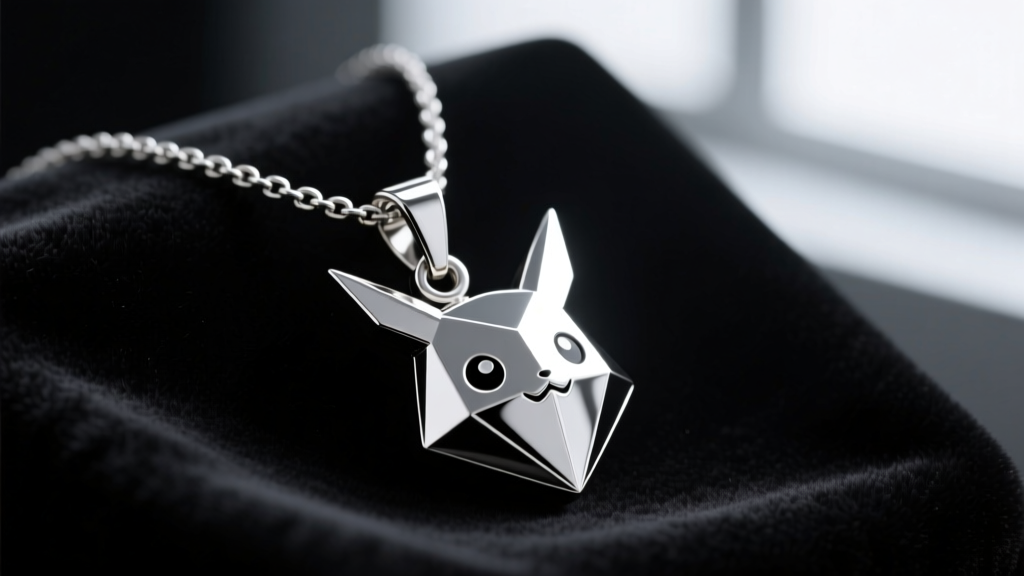
The Metallurgical Challenge of Anime Fan Jewelry
The character N (Natural Harmonia Gropius) from Pokémon Black and White remains one of the most compelling figures in the franchise's history. His iconic pendant—a complex, interlocking geometric interpretation of the letter 'N'—has become a holy grail for collectors and cosplayers. However, when fans begin searching for a pokemon n necklace, they are often met with a confusing array of price points, ranging from $8 to over $150. This massive price disparity is not merely a result of brand markups; it is fundamentally driven by the metallurgical properties and manufacturing methods used to create the pendant.
Replicating the N pendant is a unique challenge in jewelry design. Unlike smooth, organic shapes or simple stamped charms, the N pendant features sharp cubist angles, deep negative space undercuts, and precise enamel inlays. The material chosen dictates not only the visual crispness of these edges but also the pendant's structural integrity, weight, and biocompatibility with your skin. In this 2026 material guide, we deconstruct the three primary metals used in Pokémon fan jewelry to help you make an informed, investment-grade purchase.
The Anatomy of the N Pendant Design
Before comparing metals, we must understand the physical demands of the design. The N amulet is essentially a 3D structural block. It requires a material that can flow into intricate mold cavities without leaving excessive porosity (air bubbles) or requiring aggressive post-cast polishing that would round off its signature sharp edges. Furthermore, the pendant requires contrasting dark and light segments, meaning the metal must either accept chemical blackening (oxidation) or serve as a stable base for enamel inlays.
Material Breakdown: What Are Fan Pendants Actually Made Of?
Zinc Alloy (Zamak): The Budget Cosplay Standard
The vast majority of sub-$20 Pokémon necklaces found on mass-market e-commerce platforms are cast from Zamak (a zinc alloy containing aluminum, magnesium, and copper). Zamak has a low melting point of approximately 380°C (716°F), making it incredibly cheap and easy to die-cast in high volumes.
- Pros: Extremely affordable; heavy, substantial feel due to zinc's high specific gravity (6.6 g/cm³).
- Cons: Poor tensile strength; prone to intergranular corrosion if exposed to sweat and humidity over time.
- The Allergy Factor: Zinc alloy itself is generally safe, but budget manufacturers often use nickel-based flash plating to create a shiny "silver" finish before applying an antique wash. According to the American Academy of Dermatology, nickel is the leading cause of contact dermatitis. If you have sensitive skin, a cheap alloy Pokémon N necklace is a significant risk.
316L Stainless Steel: The Durable Everyday Choice
As the fan jewelry market has matured in 2026, 316L surgical stainless steel has become the gold standard for mid-tier anime replicas. Because steel has a melting point exceeding 1,370°C (2,500°F), it cannot be traditionally cast in standard jewelry foundries. Instead, high-quality steel N pendants are produced using Metal Injection Molding (MIM) or CNC machining.
- Pros: Exceptional Vickers hardness (150-190 HV), meaning the sharp geometric edges will not dent or scratch easily. It is highly hypoallergenic and impervious to water, sweat, and chlorine.
- Cons: MIM tooling is expensive, limiting the number of manufacturers who produce high-fidelity steel versions. It also cannot be easily resized or repaired by a traditional jeweler if the bail breaks.
.925 Sterling Silver: The Premium Collector's Grade
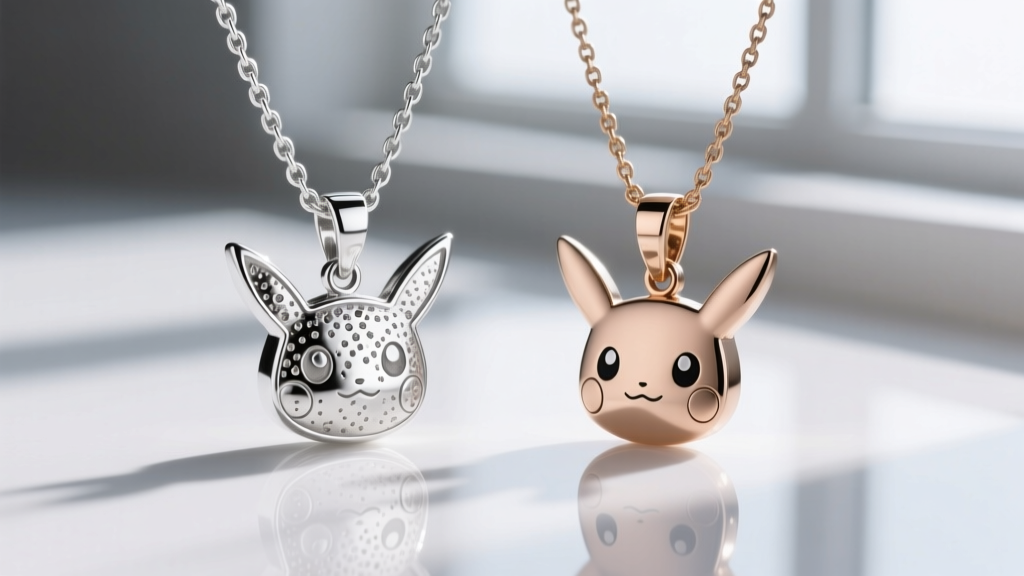
For purists and fine jewelry collectors, .925 sterling silver (92.5% pure silver, 7.5% copper) is the ultimate medium. Silver is typically shaped using the lost-wax casting method, which allows for incredible detail resolution. The sharp inner angles of the N symbol are captured beautifully in silver, provided the jeweler properly manages the sprue placement to avoid shrinkage porosity in the pendant's thickest sections.
- Pros: Intrinsic precious metal value; unparalleled luster; can be easily polished, repaired, and soldered by any local jeweler. Silver also takes chemical oxidation (liver of sulfur) beautifully, allowing the recessed areas of the N to be permanently blackened for high contrast without the need for enamel.
- Cons: Softer than steel (approx. 60-100 HV), making it more susceptible to micro-scratches. It will tarnish when exposed to sulfur in the air and requires occasional maintenance.
Expert Insight: When purchasing a sterling silver Pokémon N necklace, look for a ".925" stamp on the back of the pendant or the bail. Be wary of items labeled "Tibetan Silver" or "Antique Silver," as these are marketing terms for zinc or brass alloys containing zero actual silver, as noted by metallurgical suppliers like Rio Grande.
Comparative Data: Weight, Cost, and Allergen Risk
To help you weigh your options, we have compiled a technical comparison of the three primary materials used in Pokémon fan jewelry manufacturing.
| Material | Hardness (HV) | Manufacturing Method | Allergen Risk | Avg. Price Range |
|---|---|---|---|---|
| Zinc Alloy (Zamak) | ~100 | Die Casting | High (if nickel-plated) | $8 - $25 |
| 316L Stainless Steel | 150 - 190 | MIM / CNC Machining | Very Low | $35 - $65 |
| .925 Sterling Silver | 60 - 100 | Lost-Wax Casting | Low (Copper allergy rare) | $85 - $160+ |
Enamel and Plating Properties: Achieving the Contrast
The N pendant relies heavily on contrasting dark and light segments to make the geometric shapes pop. How this contrast is achieved depends entirely on the base metal.
Cold Enamel (Epoxy Resin) vs. Vitreous Enamel
Budget zinc alloy pendants must use "cold enamel," which is actually a two-part epoxy resin tinted with black pigment. While cheap and easy to apply, epoxy resin is soft, prone to scratching, and will inevitably yellow or cloud when exposed to UV light and skin oils over a few years.
Conversely, high-end steel and silver pieces can utilize vitreous (glass) enamel or high-grade automotive polyurethane enamels. Vitreous enamel requires firing in a kiln at temperatures exceeding 750°C. While impossible for zinc, silver and steel can withstand this heat, resulting in a glass-like, permanent black inlay that will never fade or yellow. For a comprehensive look at how precious metals interact with plating and enamels, Calla Gold Jewelry provides excellent resources on the longevity of metal finishes.
Chain Pairing: Avoiding Galvanic Corrosion
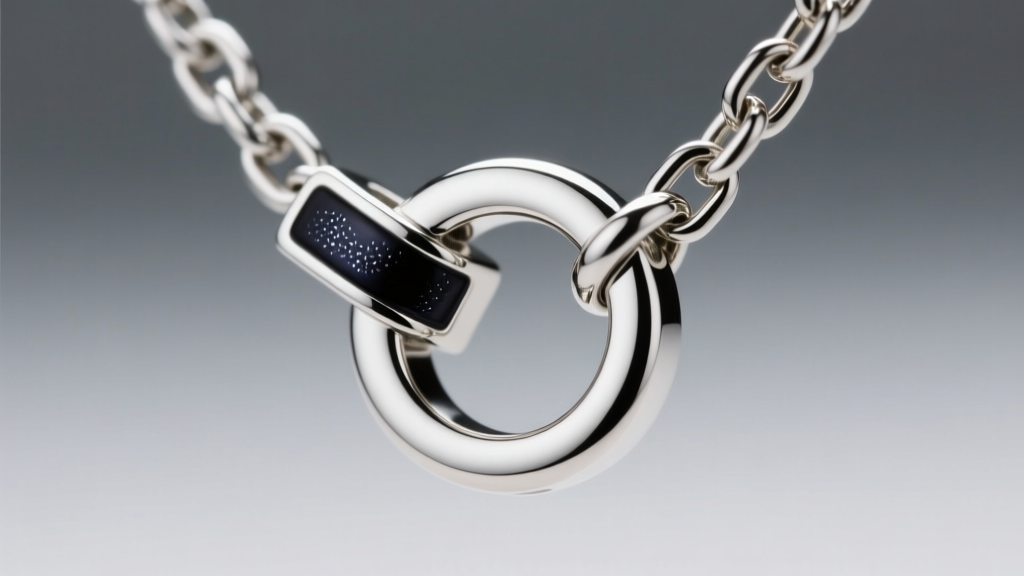
A common mistake collectors make is pairing a premium sterling silver N pendant with a cheap, base-metal chain. When two dissimilar metals are in contact in the presence of an electrolyte (like human sweat), galvanic corrosion occurs. The less noble metal (the cheap chain) will rapidly oxidize and degrade, often leaving a dark, stubborn tarnish stain on the precious silver pendant's bail.
The Rule of Thumb: Always match your chain to your pendant. If you buy a .925 silver N pendant, invest in a solid sterling silver box chain or rolo chain (2.0mm to 3.0mm thickness is ideal to support the pendant's weight). If you opt for 316L steel, ensure the chain is also surgical steel. Avoid brass or copper-alloy chains entirely for daily wear.
Final Verdict: Which Material Should You Choose?
Your ideal Pokémon N necklace depends entirely on your wearing habits and budget:
- Choose Zinc Alloy if: You need a lightweight, budget-friendly prop for a one-day cosplay convention and plan to store it in a display case afterward.
- Choose 316L Stainless Steel if: You want an "install and forget" daily driver. It will survive the gym, the shower, and the beach without tarnishing, making it the most practical choice for active fans.
- Choose .925 Sterling Silver if: You are a serious collector who values fine jewelry craftsmanship, intrinsic material value, and the deep, rich contrast of chemically oxidized silver. It elevates a piece of anime merchandise into a legitimate, wearable art piece.
By understanding the metallurgy behind your favorite fandom accessories, you ensure that your tribute to the King of Team Plasma stands the test of time, maintaining its sharp angles and structural integrity for years to come.


