Choosing a Necklace for Ashes: Technical Specs, Seals & Materials
Discover technical specs for a necklace for ashes. Compare material grades, sealing mechanisms, and capacities to safely preserve memorial jewelry.

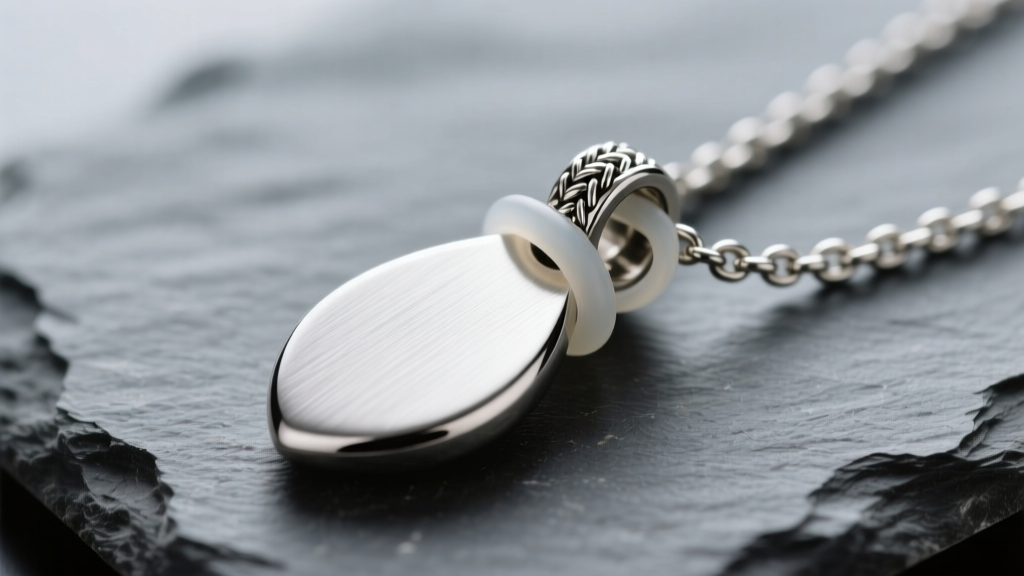
Understanding Cremation Jewelry Capacities and Volume Math
Selecting the correct necklace for ashes requires a foundational understanding of cremains volume. The cremation industry operates on a standard biological ratio: one pound of body weight yields approximately one cubic inch of cremated remains. However, bone density, age, and the specific cremation equipment used can cause a variance of up to 15%. When choosing a memorial pendant, you must match the internal chamber capacity to the volume of ashes you intend to carry.
Most standard memorial pendants feature micro-chambers ranging from 0.05 to 0.5 cubic inches. Because a single necklace for ashes is meant to hold a symbolic portion rather than the entirety of the remains, a 0.1 cubic inch capacity is generally sufficient. Below is a technical breakdown of capacity requirements based on symbolic vs. proportional retention.
| Symbolic Intent | Target Volume | Pendant Chamber Size | Recommended Form Factor |
|---|---|---|---|
| Trace Memorial | Pinch (approx. 0.01 cu in) | 0.05 cu in | Micro-cylinder, minimalist bead |
| Standard Keepsake | 1/8 teaspoon (approx. 0.1 cu in) | 0.15 cu in | Teardrop, small heart, standard urn |
| Proportional Share | 1+ tablespoons (1.0+ cu in) | 1.5 to 3.0 cu in | Large barrel, blown glass orb, heavy locket |
According to the Cremation Association of North America (CANA), properly processed cremains are primarily composed of calcium phosphates and trace minerals, presenting as a coarse, sand-like texture. This physical texture dictates that pendant chambers must have wide, unobstructed apertures (minimum 3mm diameter) to prevent material bridging and jamming during the filling process.
Metallurgy and Material Grades for Memorial Pendants
The material composition of a necklace for ashes dictates its longevity, skin biocompatibility, and resistance to environmental degradation. Because cremains are highly alkaline (often registering a pH between 9 and 11), the interior of the pendant chamber must resist chemical corrosion over decades of wear.
316L Austenitic Stainless Steel
The industry standard for mid-tier memorial jewelry is 316L surgical stainless steel. The 'L' denotes low carbon, while the addition of 2-3% molybdenum provides superior resistance to chlorides and industrial solvents. This alloy will not react with the alkaline environment of the cremains, ensuring the interior chamber remains structurally sound. It is highly recommended for individuals with active lifestyles due to its high tensile strength and scratch resistance.
Grade 2 Commercially Pure Titanium
For wearers with severe nickel allergies or those seeking ultra-lightweight durability, ASTM B348 Grade 2 Titanium is the optimal choice. Titanium naturally forms a passive oxide layer that renders it entirely inert to the alkaline compounds in cremains. While more expensive to machine—often driving the price of a titanium necklace for ashes into the $150–$300 range—its strength-to-weight ratio is unmatched.
Precious Metals: 14k and 18k Gold
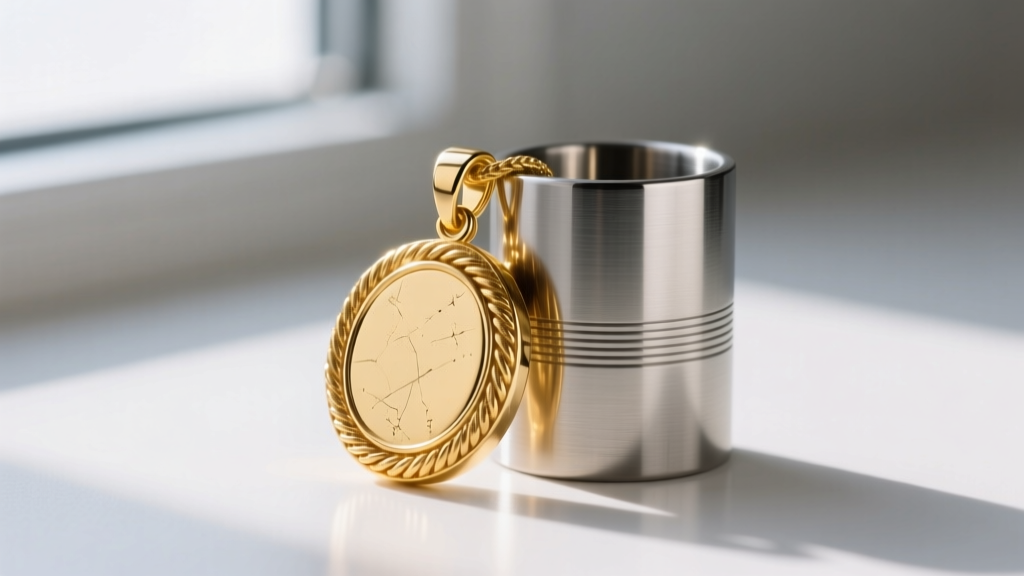
When selecting gold, avoid 24k (pure gold) as it is too soft to maintain the structural integrity of threaded seals. The Federal Trade Commission (FTC) Jewelry Guides mandate strict alloy disclosures; for memorial jewelry, 14k gold (58.5% pure gold alloyed with copper, silver, or zinc) provides the necessary hardness for precision-machined screw threads. 18k gold offers richer color but requires thicker chamber walls to prevent thread stripping.
Borosilicate Glass and Dichroic Encapsulation
Unlike traditional soda-lime glass, borosilicate glass contains boron trioxide, which drastically lowers its coefficient of thermal expansion. This makes it highly resistant to thermal shock. Many artisans use a technique called dichroic glass fusing, where cremains are suspended between layers of glass and fired in a kiln at 1,400°F. This process permanently encapsulates the ashes, eliminating the need for mechanical seals entirely.
Sealing Mechanisms: Threaded, Bail, and Resin Encapsulation
The most critical point of failure in any necklace for ashes is the seal. A compromised seal can lead to the catastrophic loss of irreplaceable remains. Understanding the engineering behind these closures is vital for long-term security.
Threaded Screw Caps with NBR O-Rings
Premium metal pendants utilize a threaded screw cap equipped with an O-ring made from Nitrile Butadiene Rubber (NBR). NBR is chosen for its exceptional resistance to oils, moisture, and temperature fluctuations. The O-ring should have a Shore A durometer rating of around 70, providing enough compression to create a watertight seal without degrading or flattening over time. When purchasing, ensure the threading is precision-machined (typically M3 or M4 metric threads) to prevent cross-threading.
Bail Seals and Set Screws
In a bail-seal design, the screw mechanism is integrated into the top loop (the bail) where the chain attaches. While aesthetically pleasing because it hides the seam, bail seals often lack the torque leverage of a wide-bottomed screw cap. They rely heavily on thread-locking adhesives to maintain their seal, making them slightly more prone to loosening under the kinetic stress of daily wear.
UV-Cured Epoxy Resin Encapsulation
For permanent, tamper-proof sealing, UV-cured epoxy resins are applied over the mechanical screw cap. Once exposed to ultraviolet light, the resin cross-links into a hard, transparent polymer. This method is highly recommended for individuals who work with their hands or in environments where the pendant might be subjected to frequent impacts. The Jewelers Vigilance Committee (JVC) notes that proper resin application should never obscure the structural metal threading, allowing for future professional extraction if absolutely necessary.
Chain Engineering: Weight Limits and Clasp Durability
A heavy glass or solid steel pendant requires a chain with adequate tensile strength. The weakest link in any necklace for ashes is the clasp and the jump ring connecting the pendant to the chain.
- Box Chains: Offer excellent tensile strength and resist kinking. A 1.5mm to 2.0mm stainless steel box chain can comfortably support pendants weighing up to 40 grams.
- Rope Chains: Provide high durability but can trap skin hair and lotions in their twisted links, requiring more frequent ultrasonic cleaning.
- Clasp Selection: Avoid standard spring-ring clasps for heavy memorial pendants; their internal springs are prone to fatigue failure. Opt for a heavy-duty lobster claw clasp with a soldered jump ring to ensure the chain remains a closed loop under stress.
Step-by-Step Technical Filling Protocol
Filling a necklace for ashes requires precision, a sterile environment, and mitigation of static electricity, which can cause fine cremains to cling to tools and exterior surfaces.
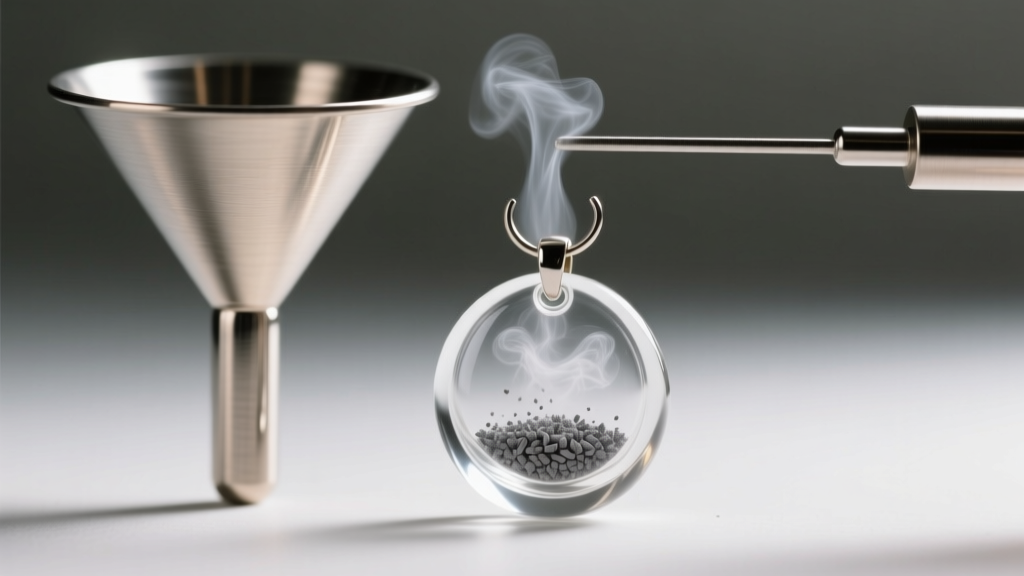
- Static Mitigation: Wipe the exterior of the pendant and the filling funnel with an anti-static microfiber cloth. High-humidity environments (above 50% RH) naturally reduce static cling during this process.
- Aperture Alignment: Secure the pendant in a soft-jawed bench vise or a specialized silicone holding block to keep the chamber perfectly vertical.
- Funnel Deployment: Insert the provided micro-funnel (usually aluminum or medical-grade plastic) into the chamber. Ensure it seats flush against the threading to prevent ash from falling into the screw grooves, which can cause cross-threading.
- Packing: Use the included packing rod to gently tamp the cremains. Do not use excessive force, as this can fracture larger bone fragments and compact the material too densely, preventing the screw cap from seating properly.
- Thread Cleaning: Remove the funnel and use a soft-bristled brush to meticulously clear any stray particles from the internal threading. Even a single grain of sand can compromise an NBR O-ring seal.
- Final Sealing: Apply a microscopic drop of cyanoacrylate adhesive or the provided silicone sealant to the O-ring groove. Thread the cap in clockwise, tightening until you feel the O-ring compress. Do not overtighten, as this can extrude the O-ring out of its groove.
Conclusion
Choosing a necklace for ashes is a deeply personal decision that should not compromise on engineering and material science. By prioritizing 316L steel or Grade 2 titanium, demanding NBR O-ring seals, and adhering to strict filling protocols, you ensure that the memorial jewelry remains a secure, enduring tribute for generations. Always verify the metallurgical specs and sealing mechanisms with the manufacturer before entrusting them with irreplaceable remains.


