2026 Trend Guide: How to Style the Wrapping Necklace
Discover 2026 trends for the wrapping necklace. Learn expert knotting techniques, material grades, lengths, and neckline pairings for versatile styling.

The 2026 Resurgence: Why the Wrapping Necklace Dominates
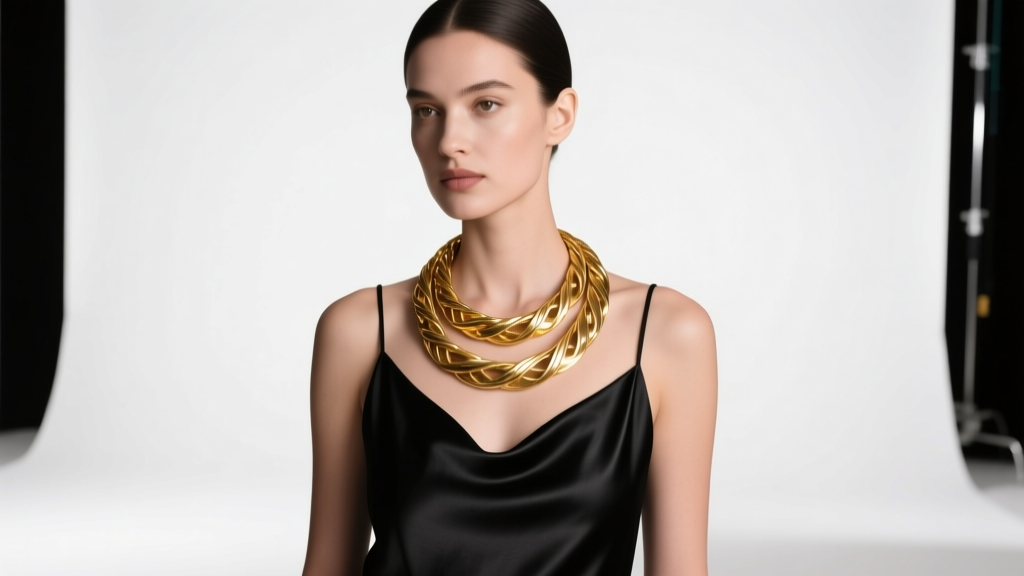
In the landscape of 2026 jewelry trends, the static pendant has taken a backseat to dynamic, interactive adornment. The wrapping necklace—characterized by its extended length, claspless design, and modular styling capabilities—has emerged as a cornerstone of the 'modular wardrobe' movement. According to trend analysts at Vogue, modern consumers are prioritizing versatile, multi-functional pieces that reduce the need for excessive consumption while maximizing daily styling options. A single wrapping necklace can function as a choker, a lariat, a multi-strand layering piece, or even a waist-cinching accessory, offering an unparalleled cost-per-wear ratio.
However, mastering the wrapping necklace requires more than simply looping a long chain around your neck. It demands an understanding of material tensile strength, friction management at the knotting points, and proportional scaling relative to your neckline. This guide deconstructs the anatomy, styling mechanics, and material science behind 2026's most versatile neckwear.
Anatomy of a Wrap: Lengths, Gauges, and Materials
A true wrapping necklace cannot function at standard choker (14-16 inch) or princess (18 inch) lengths. The mechanics of wrapping and knotting require substantial excess material. In 2026, the industry standard for a versatile wrap falls into three distinct length categories:
- The Short Wrap (38-42 inches): Designed exclusively for a single loop with a long lariat drop, or a tight double-wrap choker effect on smaller neck circumferences.
- The Standard Wrap (48-54 inches): The most commercially popular length. It allows for a comfortable double-wrap layering effect or a dramatic, waist-grazing single loop.
- The Lasso (60-72 inches): Reserved for advanced knotting techniques, triple-wrap choker styles, or bohemian waist-layering over structured outerwear.
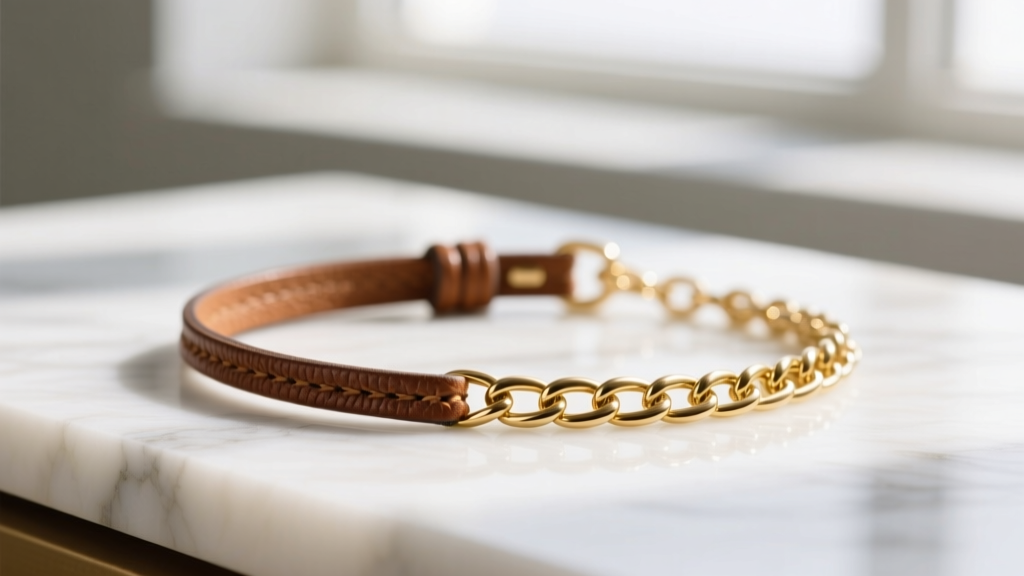
Material selection dictates both the drape and the durability of the piece. When evaluating chains, look for 18 to 22-gauge wire thickness. Anything thinner (like a 24-gauge thread chain) will easily kink or snap under the tension of a slip knot. For corded wraps, 2mm to 3mm vegan leather or braided silk provides the necessary structural integrity to hold a knot without stretching out of shape over time.
Material & Durability Matrix
| Material | Standard Gauge/Width | Drape & Knot Retention | Friction Vulnerability |
|---|---|---|---|
| 14k Gold-Filled Chain | 18-20 Gauge | Fluid drape, moderate knot hold | High (metal-on-metal wear at knot) |
| Braided Silk Cord | 1.5-2mm | Stiff drape, excellent knot hold | Low (resists fraying if sealed) |
| Vegan Leather | 2-3mm | Heavy drape, superior knot hold | Medium (surface scuffing at bends) |
| Freshwater Pearl Strand | 4-5mm beads | Rigid drape, poor knot hold | High (nacre degradation from friction) |
The Hardware Factor: End Caps and Sliders
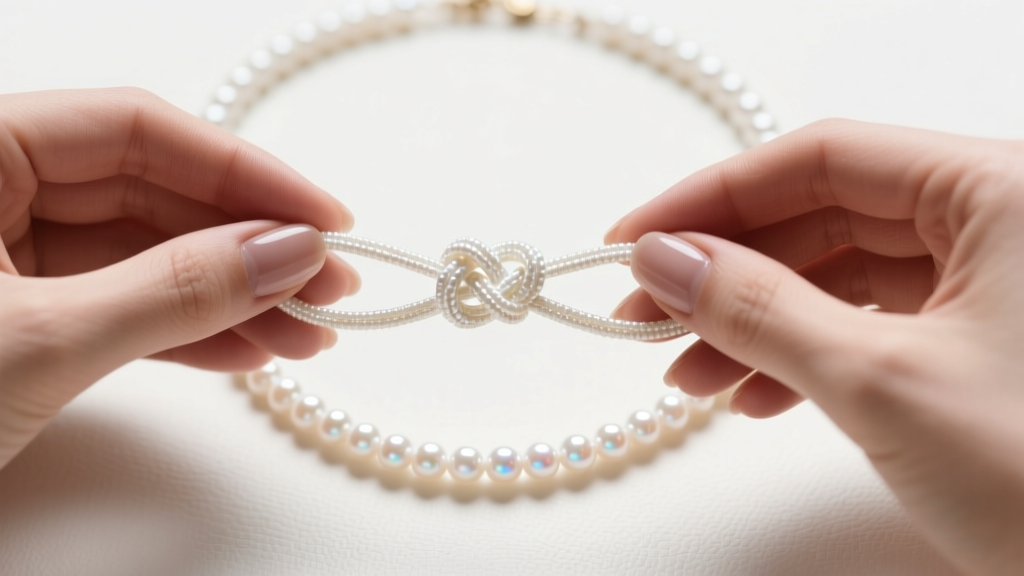
Unlike traditional necklaces, the wrapping necklace typically eschews lobster clasps or spring rings. Instead, 2026 designs feature weighted end caps, silk tassels, or magnetic sliders. When purchasing a pearl or beaded wrapping necklace, the Gemological Institute of America (GIA) notes that the drilling of beads and the silk knotting between them are critical failure points. Ensure that beaded wraps feature individual knotting between pearls to prevent total strand loss if the tension wire snaps at a friction point.
Four Signature Knotting Techniques for 2026
The styling potential of a wrapping necklace is unlocked through specific knotting mechanics. Here are the four dominant techniques seen on current runways and editorial spreads:
1. The Asymmetric Lariat
Loop the necklace once around the neck, leaving one end short (about 6 inches) and the other long. Take the long end and thread it loosely through the loop created by the short end. Pull gently to secure. This creates a deep V-shape that elongates the torso. Pro Tip: Use a small, clear silicone jumper ring at the intersection to prevent metal-on-metal friction if you are wearing this style daily.
2. The Double-Wrap Choker
Requires a 54-inch or longer piece. Wrap the necklace around your neck twice, ensuring the loops sit at slightly different heights (e.g., one at 14 inches, one at 16 inches). Let the remaining tails hang down the center of your chest. This mimics the look of three separate layered necklaces but eliminates the tangling associated with multi-strand layering.
3. The Cinched Knot
Wrap the chain around your neck twice. Instead of letting the ends hang, gather all four strands (the two loops and the two tails) and tie a loose, single overhand knot at the base of your throat. This creates a textured, sculptural focal point that pairs exceptionally well with minimalist, high-neck garments.
4. The Cascading Loop
Best for 60+ inch lasso styles. Fold the necklace in half, place the folded loop behind your neck, and pull the two trailing ends through the loop at the front. Pull tight to the collarbone, then twist the remaining tails and wrap them around the base of the loop to create a secondary, lower tier.
Neckline Pairings: A Strategic Guide
The wrapping necklace is highly reactive to the geometry of your clothing. Improper pairing can result in visual clutter or physical snagging.
- The Deep V-Neck: Pair with the Asymmetric Lariat technique. The vertical line of the necklace should mirror and extend the V of the fabric, creating a continuous, slimming line. Avoid thick leather cords here; opt for delicate 20-gauge gold-filled chains.
- The Turtleneck or Mock Neck: The Cinched Knot or Double-Wrap Choker works best. The fabric provides a high-friction base that keeps the knots securely in place without sliding. Dark vegan leather wraps contrast beautifully against cream or camel cashmere turtlenecks.
- The Asymmetric / One-Shoulder: Use a long, single-wrap lasso style that drops past the clavicle. Do not knot it. Let the weight of the end caps pull the chain into a natural, sweeping curve that balances the uneven hemline of the garment.
Investment Tiers: What to Expect in 2026
Pricing for wrapping necklaces varies wildly based on material authenticity and hardware complexity. Understanding these tiers helps you allocate your jewelry budget effectively.
Entry Tier ($25 - $60): Typically features brass or stainless steel chains with gold-tone plating, or basic cotton cords. Plating will eventually wear off at the knotting friction points within 6 to 12 months of daily wear. Ideal for seasonal trend testing.
Mid Tier ($80 - $180): The sweet spot for longevity. Expect 14k gold vermeil (a thick layer of gold over sterling silver), genuine silk cords, or commercial-grade freshwater pearls. Brands in this tier often include innovative magnetic sliders or silicone friction-guards at the knot sites.
Fine Jewelry Tier ($250 - $800+): Solid 14k or 18k gold chains, gem-grade pearls with high nacre thickness, and ethically sourced gemstone beads. Because solid gold is softer than plated brass, fine chains must be handled gently to avoid stretching the links when pulling knots tight.
Care and Maintenance for Multi-Wear Pieces
The primary enemy of the wrapping necklace is localized friction. Every time you tie and untie a knot, you subject a specific 2-millimeter section of the chain or cord to intense mechanical stress. To mitigate this, never pull a knot tight by yanking the ends; instead, use your thumb and forefinger to gently massage the knot open.
When storing your wraps, never leave them knotted. Metal chains left in a knotted state for prolonged periods will develop permanent stress fractures at the link joints, leading to sudden breakage. Always unspool the piece completely and store it hanging vertically or laid flat in a soft flannel pouch to prevent the links from catching on other jewelry. For leather and silk wraps, keep them away from direct sunlight and high humidity to prevent the fibers from degrading or losing their knot-holding tension.