Daenerys Targaryen Necklace: Care & Cleaning Tips
Discover expert care, cleaning, and storage tips for your Daenerys Targaryen necklace replica, from base metals to sterling silver dragon pendants.
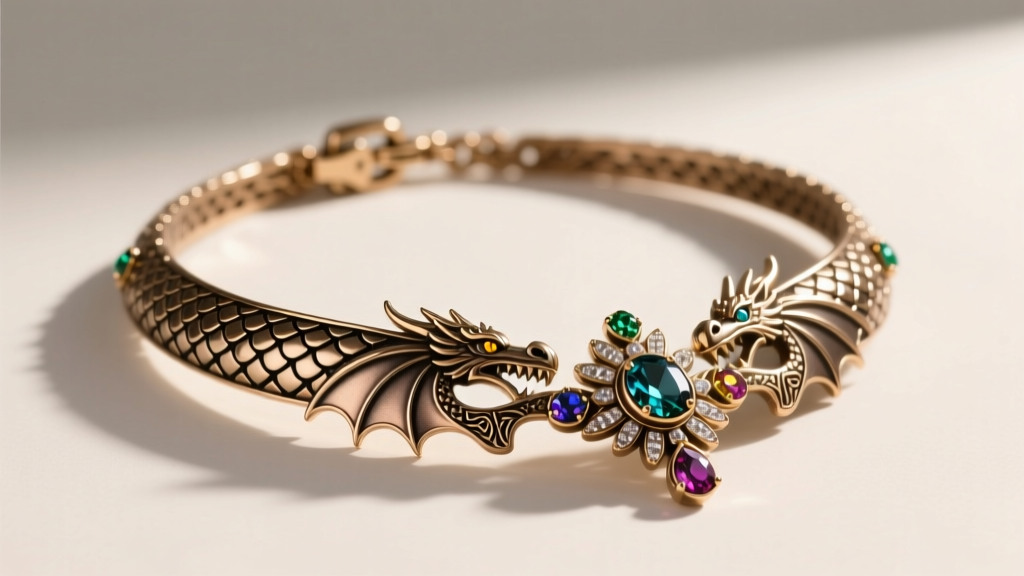
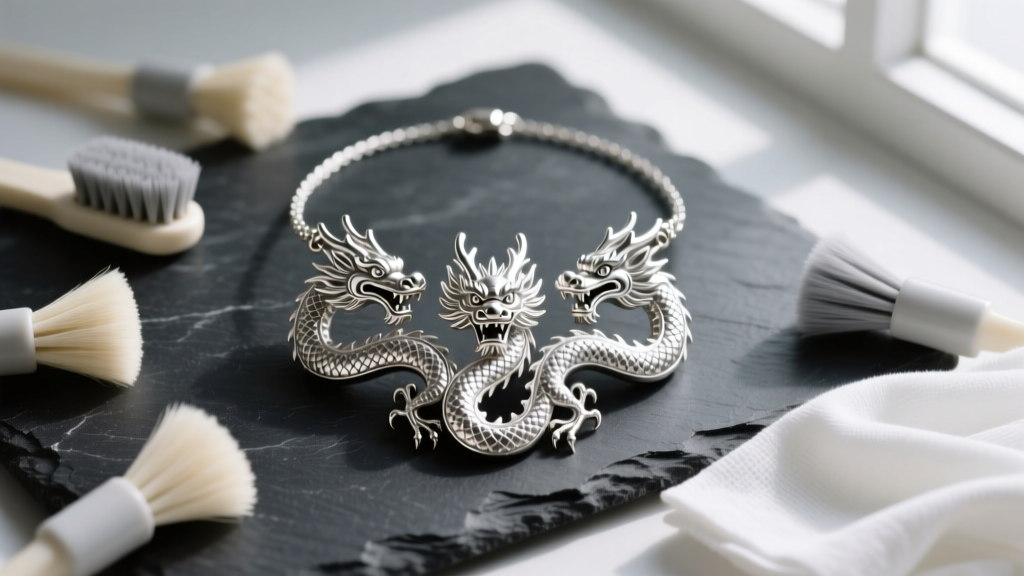
The legacy of Westeros continues to thrive in 2026, with fans and collectors proudly wearing intricate replicas of the Mother of Dragons' iconic jewelry. Whether you own a minimalist three-headed dragon chain, a heavy Valyrian steel-inspired choker, or an ornate dragon egg locket, maintaining the fierce beauty of your Daenerys Targaryen necklace requires more than a quick wipe with a towel. Because replica jewelry spans a massive spectrum of material grades—from fragile zinc alloys to museum-quality sterling silver—a one-size-fits-all cleaning approach will inevitably lead to ruined finishes, pitted metals, and loose gemstones.
This comprehensive guide breaks down the exact metallurgical realities of fantasy replica jewelry and provides actionable, material-specific maintenance protocols to keep your dragon pendants looking like they were forged in the fires of Valyria.
Identifying Your Dragon: What Material is Your Replica?
Before applying any liquid or polish, you must identify the base metal of your necklace. The market for Game of Thrones merchandise is vast, and cleaning a $20 convention-boothe pendant with silver dip will instantly strip its plated finish, revealing the dull, porous metal beneath.
| Material Grade | Common Identifiers | Vulnerabilities | Best Cleaning Agent |
|---|---|---|---|
| Zinc Alloy (Zamak) | Lightweight, no hallmarks, painted details | Water spotting, galvanic corrosion, plating loss | Dry microfiber only |
| 316L Stainless Steel | Heavy, magnetic, stamped '316L' or 'Steel' | Smudges, soap scum buildup in crevices | Mild dish soap & warm water |
| 925 Sterling Silver | Stamped '925', develops dark/yellow tarnish | Sulfur oxidation, scratching from harsh abrasives | Specialized silver polish & polishing cloths |
| Gold Vermeil / Plated | Gold color over silver or brass base | Wear-through on high-friction areas (clasps) | pH-neutral soap, no rubbing |
The Daily Wear & Tear of Westeros (and Real Life)
Understanding how your necklace degrades is the first step in preventative maintenance. Human sweat has a pH ranging from 4.5 to 7.0, making it mildly acidic. When this acid mixes with the copper alloys often found in lower-tier brass or bronze-finished replicas, it creates a greenish copper chloride residue on your skin and the metal. Furthermore, everyday cosmetics—particularly perfumes containing alcohol and aerosol hairsprays—create a microscopic film over intricate dragon scales, dulling the metal's reflectivity and trapping moisture against the chain links.
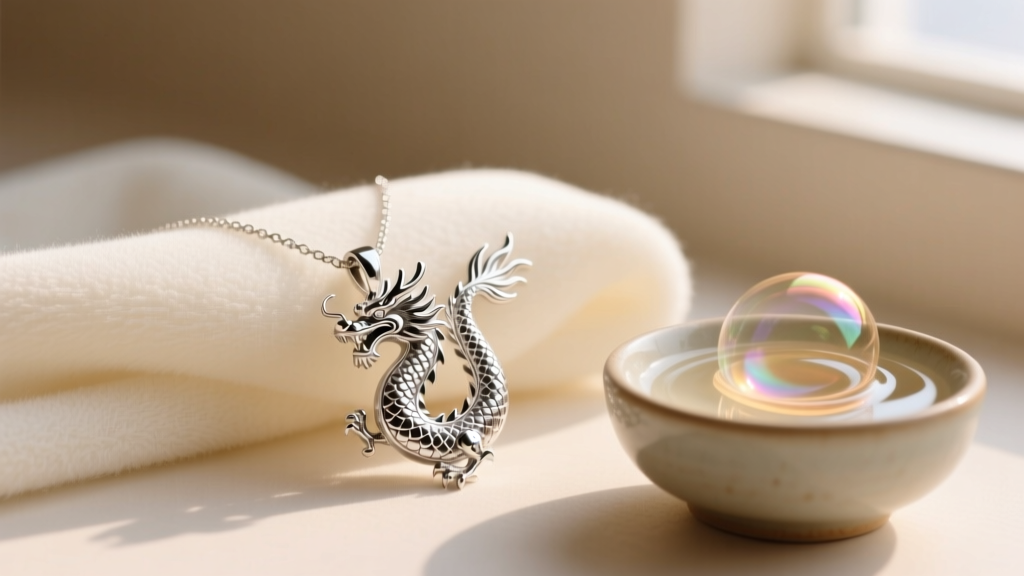
To mitigate this, always adopt the 'Last On, First Off' rule. Your Daenerys Targaryen necklace should be the final item you put on after your perfume, lotion, and makeup have fully dried, and the very first item you remove when returning home.
Step-by-Step Cleaning Protocols by Material Grade
Protocol A: Base Metal & Plated Alloys (The 'Market Stall' Tier)
If your necklace is a lightweight, affordable replica made from Zamak or brass with an antiqued painted finish, never submerge it in water. Water can seep into the microscopic pores of the casting, causing the metal to expand and the plated finish to flake off.
- Step 1: Use a clean, dry, ultra-fine microfiber cloth to gently buff away skin oils.
- Step 2: For debris trapped in the dragon's wings or scales, use a soft-bristled makeup brush (like a clean eyeshadow blending brush) to sweep out the crevices.
- Step 3: If heavily soiled, slightly dampen a cotton swab with distilled water (never tap water, as minerals cause spotting) and carefully trace the raised details, immediately drying with a tissue.
Protocol B: 925 Sterling Silver & Oxidized Details (The 'Collector' Tier)
High-end replicas crafted from solid 925 sterling silver often feature intentional oxidation (blackening) in the recesses of the dragon scales to create depth and contrast. Using aggressive liquid silver dips will strip this intentional patina, leaving the piece looking flat and overly bright.
- Step 1: Wash the piece in a bowl of lukewarm water with three drops of pH-neutral liquid dish soap (like Dawn).
- Step 2: Gently agitate the water. Do not scrub the oxidized areas.
- Step 3: Rinse under a gentle stream of distilled water.
- Step 4: Pat dry with a lint-free cloth. To restore shine to the raised areas without touching the dark crevices, use a treated silver polishing cloth, lightly gliding only over the high points of the pendant.
Protocol C: 316L Stainless Steel (The 'Armor' Tier)
Marine-grade 316L stainless steel is incredibly resilient and highly resistant to tarnish and sweat. These pieces can handle more rigorous cleaning.
- Step 1: Create a bath of warm water and a few drops of gentle hand soap.
- Step 2: Let the necklace soak for 5 to 10 minutes to loosen body oils and environmental grime.
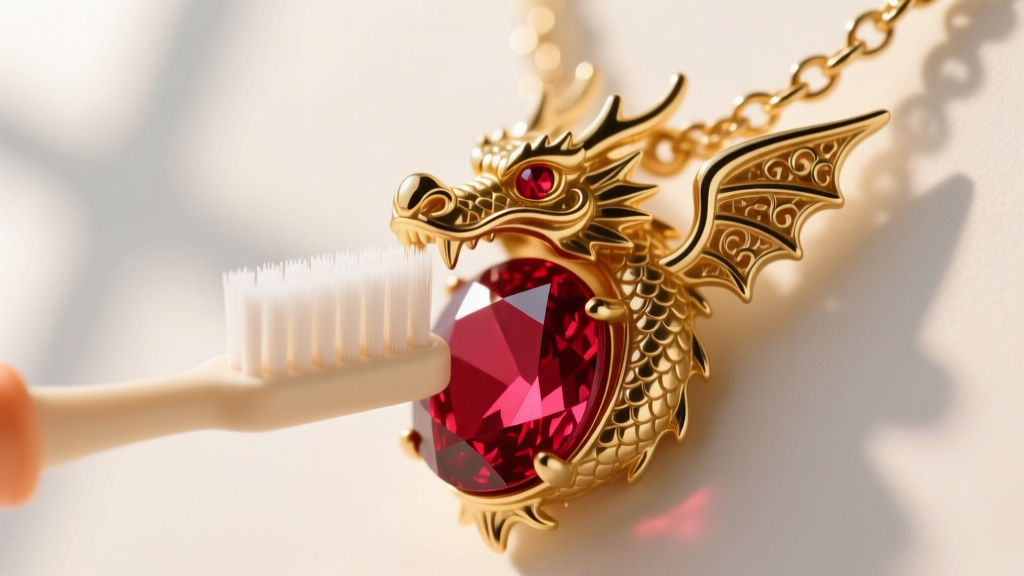
- Step 3: Use an extra-soft baby toothbrush to gently scrub the chain links and clasp mechanisms, where dead skin cells and lint accumulate.
- Step 4: Rinse thoroughly and dry completely with a hairdryer on the 'cool' setting to prevent water spots.
Advanced Maintenance: The Ultrasonic Cleaner Warning
In 2026, consumer-grade ultrasonic jewelry cleaners are more accessible than ever, but they pose a severe threat to fantasy replica jewelry. According to the Gemological Institute of America (GIA), ultrasonic cleaners use high-frequency sound waves (typically 40kHz) to create microscopic cavitation bubbles that blast away dirt. While excellent for solid diamond and platinum pieces, these vibrations can be catastrophic for Daenerys Targaryen necklaces.
Many replica dragon pendants feature glued-in glass or synthetic ruby 'eyes,' as well as epoxy-resin enamel fills in the dragon wings. The intense vibrations of an ultrasonic bath will shatter the adhesive bonds, causing gemstones to fall out and enamel to crack. Furthermore, if your piece is gold-plated over a base metal, the cavitation process can literally peel the microscopic layer of gold away from the base. Stick to manual, gentle cleaning methods to preserve the structural integrity of cast and glued components.
Proper Storage to Prevent Tarnish and Chain Tangling
How you store your necklace when not commanding armies or attending formal events is just as critical as how you clean it. Sterling silver tarnishes primarily due to exposure to sulfur dioxide and high humidity in the air. To combat this, the Jewelers of America recommends utilizing specialized anti-tarnish environments.
- Use Anti-Tarnish Strips: Place a 3M anti-tarnish strip inside your jewelry box or storage pouch. These strips absorb airborne sulfides and can protect your silver dragon pendants for up to 12 months.
- Isolate Your Chains: The intricate, often multi-strand chains used in Targaryen replicas are notorious for tangling. Always fasten the clasp before storage to prevent the end-loop from slipping through the links. Store the necklace flat in a dedicated flannel pouch or a zip-lock bag with the air pressed out.
- Control the Climate: Avoid storing your jewelry in the bathroom. The extreme fluctuations in heat and humidity from showers accelerate the oxidation process of both silver and unprotected base metals.
Conclusion
A Daenerys Targaryen necklace is more than a simple accessory; it is a piece of wearable storytelling. By accurately identifying your pendant's material grade and adhering to these targeted, expert-level cleaning protocols, you ensure that your jewelry remains as resilient and striking as the dragons of Valyria. Treat your replicas with the respect they deserve, and they will continue to command attention for years to come.


