Why the Danish Design Pilgrim Necklace Dominates 2026
Explore the 2026 trends behind the Danish design Pilgrim necklace. Discover layering techniques, material specs, and styling guides.

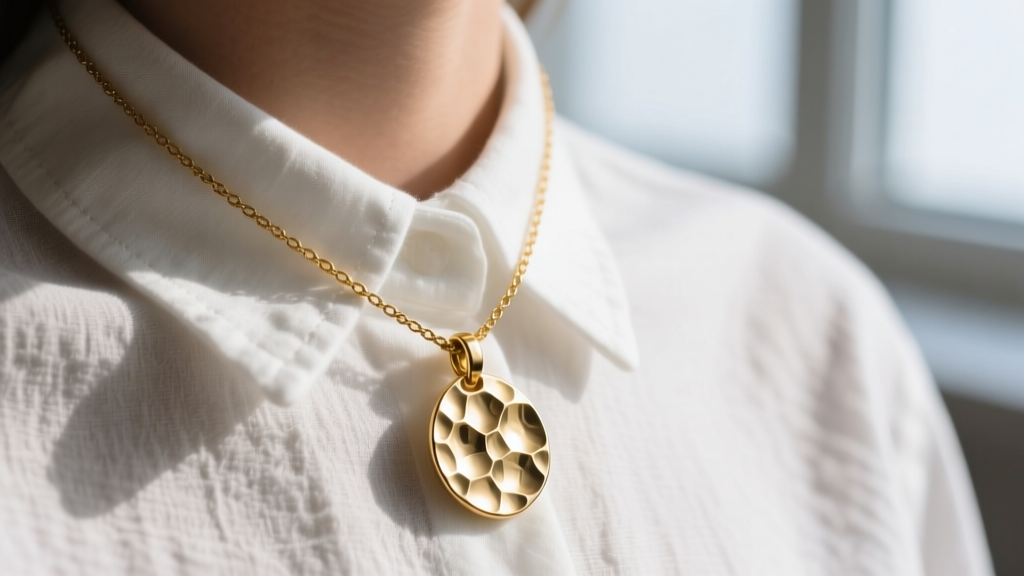
The Resurgence of Scandinavian Minimalism in 2026
In the ever-evolving landscape of contemporary jewelry, the shift away from overt branding and heavy embellishments has solidified a new era of quiet luxury. At the forefront of this movement is the danish design pilgrim necklace, a category that marries the functionalist ethos of Scandinavian aesthetics with accessible, handcrafted artistry. Founded in 1982 by Annemette Markvad and Thomas Adamsen, the Pilgrim brand has become synonymous with Denmark’s approach to jewelry: organic shapes, tactile surfaces, and an unwavering commitment to sustainable craftsmanship. As we navigate the style landscape of 2026, understanding the anatomy, styling mechanics, and material science behind these pieces is essential for the modern collector.
According to the Danish Design Center, the core tenet of Danish functionalism is that beauty must arise from utility and honest material expression. A Pilgrim necklace does not rely on the carat weight of precious gems to command attention; instead, it utilizes sculptural brass forms, hammered textures, and semi-precious stone accents to create wearable art that integrates seamlessly into a curated, minimalist wardrobe.
Anatomy of a Danish Design Pilgrim Necklace
To truly appreciate the value proposition of these necklaces, one must look beneath the surface luster and examine the metallurgy and construction techniques that define the brand's manufacturing standards.
Material Composition and Plating Technology
Unlike fast-fashion brands that rely on lightweight, brittle zinc alloys, Pilgrim utilizes high-grade recycled brass as its foundational substrate. Brass—an alloy primarily composed of copper and zinc—offers a substantial, luxurious weight that mimics solid gold while remaining highly malleable for intricate casting. The brand's commitment to eco-conscious production is detailed in Pilgrim's official sustainability initiative, which highlights their use of post-consumer recycled metals.
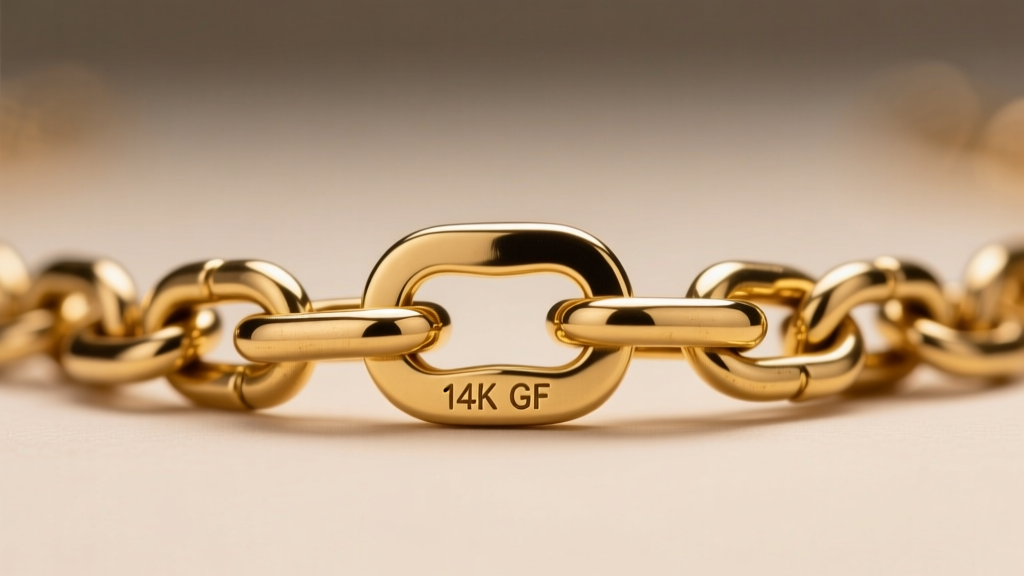
Once the brass base is cast and polished, it undergoes a rigorous electroplating process. Pieces are typically plated in 14k or 18k gold, silver, or rose gold, with a thickness ranging from 0.5 to 1.0 microns. To combat the natural oxidation of copper-rich brass, Pilgrim applies a clear e-coating (electrophoretic deposition). This microscopic polymer layer seals the metal, significantly delaying tarnish and preventing the dreaded green skin reaction caused by acidic sweat interacting with raw copper.
Chain Gauges and Hardware
The hardware on a genuine danish design pilgrim necklace is engineered for both durability and aesthetic cohesion. Standard cable chains usually measure between 1.2mm and 1.5mm in thickness, providing a delicate silhouette that can support a 15-gram pendant without warping. The clasps are predominantly spring-ring or lobster-claw mechanisms, stamped with the brand’s hallmark and finished with the same anti-tarnish e-coating as the chain. All components are strictly nickel-free and lead-free, complying with the European Union’s stringent REACH chemical regulations.
2026 Trend Report: The Copenhagen Cascade Layering Technique
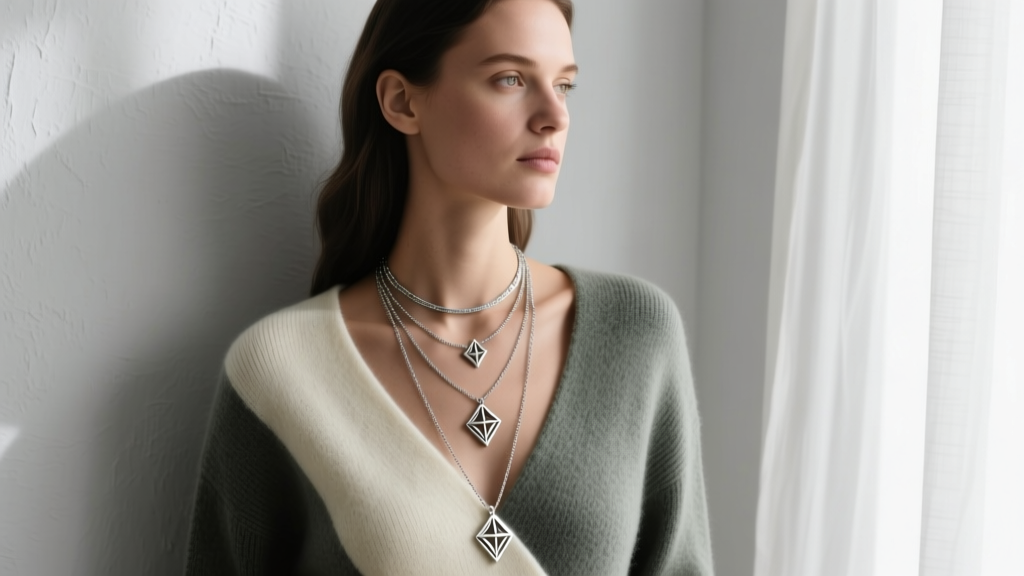
The most prominent trend dominating Scandinavian street style in 2026 is modular layering, specifically a technique we call the 'Copenhagen Cascade.' This method relies on precise mathematical spacing between chains to prevent tangling while creating a cascading visual effect over the décolletage.
- The Base Layer (42cm - 45cm): Start with a minimalist 1.2mm cable chain or a delicate bead chain. This layer should sit snugly at the base of the throat, acting as an anchor. Pilgrim’s classic 'Art' collection offers excellent, unembellished base chains.
- The Focal Layer (50cm - 55cm): This is where the signature danish design pilgrim necklace shines. Select a piece with a sculptural, hammered brass pendant or a baroque pearl accent. The 50cm length ensures the pendant rests perfectly on the sternum, drawing the eye downward.
- The Framing Layer (60cm - 70cm): Conclude with a heavier 2.5mm rolo chain or a long lariat style. This outer layer frames the neckline and adds a touch of structural weight, balancing the delicacy of the inner layers.
Neckline Geometry and Pairing
The versatility of Pilgrim’s organic motifs makes them highly adaptable to various garment architectures. For deep V-neck cashmere sweaters, a 50cm pendant with a vertical, teardrop-shaped brass motif elongates the neck. Conversely, when styling crisp, high-necked button-down shirts or boatneck tops, opt for a shorter 42cm collar featuring horizontal, geometric brass bars to complement the sharp lines of the collarbone.
Comparative Analysis: Pilgrim vs. Contemporary Scandinavian Brands
While Pilgrim is a titan of accessible Danish jewelry, the 2026 market is rich with competitors. Understanding how Pilgrim positions itself regarding materials and pricing helps consumers make informed purchasing decisions.
| Brand | Base Material | Plating / Finish | Price Range (USD) | Signature Aesthetic |
|---|---|---|---|---|
| Pilgrim | Recycled Brass | 14k/18k Gold, Silver, E-coated | $45 - $120 | Organic shapes, hammered textures, crystals |
| Pernille Corydon | Sterling Silver / Brass | Gold Vermeil, Silver | $60 - $150 | Raw textures, minimalist geometry |
| Maanesten | Sterling Silver | 18k Gold Vermeil, Rhodium | $70 - $180 | Whimsical, nature-inspired, intricate links |
| ByBiehl | Sterling Silver | 14k Gold, Rose Gold | $80 - $200 | Personalized charms, delicate chains |
As the data illustrates, Pilgrim occupies a highly competitive sweet spot. By utilizing recycled brass instead of solid sterling silver as a base, they can offer larger, more sculptural, and heavier statement pieces at a fraction of the cost of vermeil-heavy competitors, without sacrificing the visual impact or ethical manufacturing standards.
Investment and Care: Mitigating Brass Oxidation
Despite the protective e-coating, plated brass jewelry requires specific maintenance protocols to ensure longevity. The most common failure mode for any danish design pilgrim necklace is friction wear at the clasp jump rings, where the e-coating rubs away, exposing the raw brass to oxygen and moisture.
Expert Care Rule: Never use ultrasonic cleaners, silver dip solutions, or abrasive polishing cloths on plated brass. These methods will strip the micron-thin gold layer and the protective e-coating in seconds, leaving you with a raw brass piece that will rapidly oxidize.
To maintain the luster of your Pilgrim necklaces, wipe them down with a dry, lint-free microfiber cloth immediately after wearing to remove sebum and environmental pollutants. If a deeper clean is required, use a drop of pH-neutral dish soap diluted in lukewarm water, gently agitate with your fingertips, rinse quickly, and pat completely dry. Always store your layered chains separately in anti-tarnish flannel pouches to prevent the chains from knotting and scratching one another's plating.
Final Verdict on the Danish Design Pilgrim Necklace
The enduring appeal of the danish design pilgrim necklace in 2026 lies in its masterful balance of accessibility, ethical production, and sculptural beauty. It proves that luxury is not strictly defined by the intrinsic value of precious metals, but rather by the intentionality of the design, the weight of the craftsmanship, and the seamless way it integrates into the wearer's daily life. Whether you are investing in your first 50cm hammered pendant or curating a complex Copenhagen Cascade layering set, Pilgrim remains a definitive pillar of modern Scandinavian style.


