Dark Pearl Necklace Trends: 2026 Style & Care Guide
Discover 2026 dark pearl necklace trends, from Tahitian peacock overtones to baroque styling. Expert grading, sizing, and care tips inside.

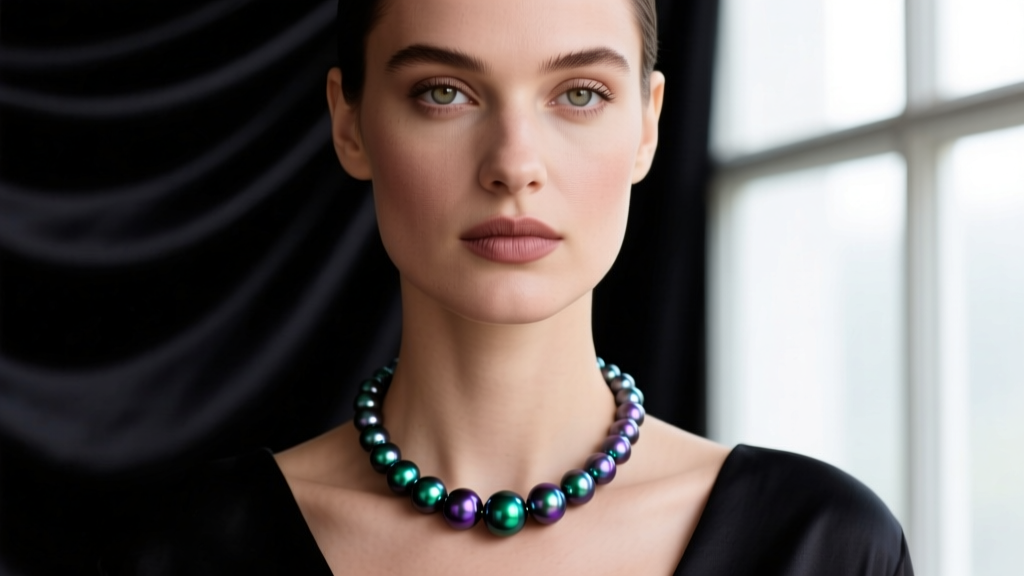
The Renaissance of the Dark Pearl Necklace
For decades, the classic white Akoya strand dominated the pearl market, relegating darker hues to niche collector circles. However, the 2026 jewelry landscape has fully embraced the moody, avant-garde appeal of the dark pearl necklace. Driven by a cultural shift toward "Dark Academia" aesthetics, gothic minimalism, and a desire for unconventional luxury, dark pearls have moved from the fringes to the forefront of high fashion. But not all dark pearls are created equal. Understanding the biological origins, structural grading, and market realities of these gems is essential for both collectors and stylists navigating this year's trends.
Unlike their white counterparts, true dark pearls derive their color from the specific oyster species and the unique trace elements present in their native waters. The most coveted among these is the Tahitian pearl, produced by the Pinctada margaritifera oyster. In this comprehensive guide, we will dissect the anatomy of dark pearls, compare natural versus treated options, and break down the exact hardware specifications and styling trends defining 2026.
The Anatomy of Natural Dark Pearls
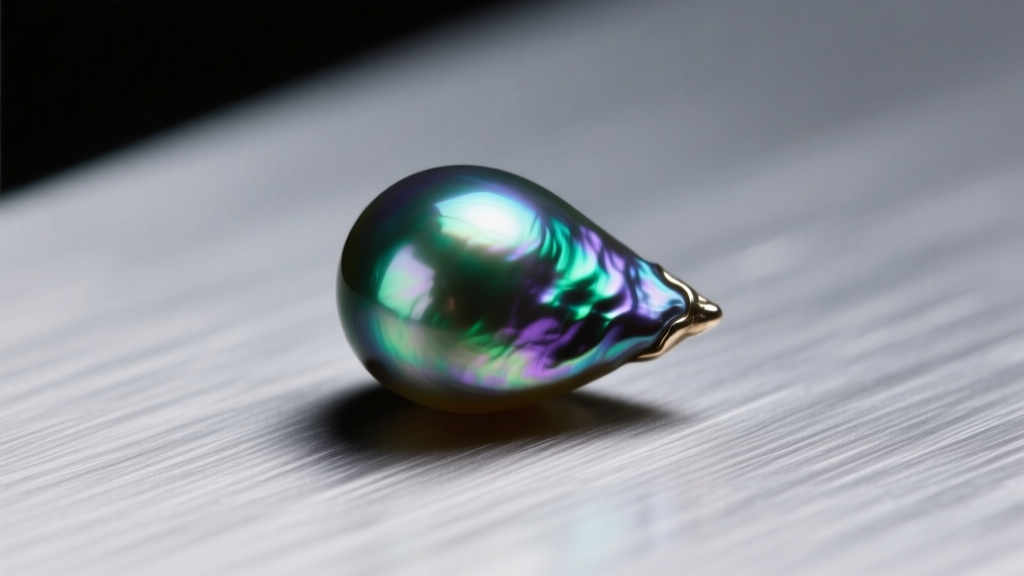
The term "black pearl" is largely a marketing misnomer. True, jet-black pearls are exceedingly rare in nature. Instead, the Pinctada margaritifera oyster produces a spectacular spectrum of dark body colors accompanied by vivid overtones. According to the Gemological Institute of America (GIA), the value of a dark pearl is heavily dictated by its overtone and orient—the iridescent play of color that dances across the nacre's surface.
Key Overtone Profiles
- Peacock: The most valuable and sought-after profile. A dark green-grey body color with striking overtones of purple, pink, and green.
- Aubergine: A deep, rich purple body color, often with subtle rose or bronze overtones.
- Silver: A cool, metallic grey body with crisp, mirror-like luster and occasional blue overtones.
- Pistachio: A lighter, yellowish-green body that offers a unique, earthy contrast to traditional dark strands.
French Polynesian export laws mandate a minimum nacre thickness of 0.8mm for all exported Tahitian pearls. This thick nacre is what allows for the deep, complex light refraction that gives high-quality dark pearls their signature glow.
Natural Tahitian vs. Treated Alternatives
As the demand for the dark pearl necklace has surged, so has the market for treated and dyed alternatives. While a genuine Tahitian strand is an investment piece, treated freshwater and Akoya pearls offer accessible entry points, provided buyers understand the structural trade-offs. The GIA's pearl identification guidelines note that treatments can significantly impact long-term durability and value.
| Variety | Origin / Oyster | Nacre Thickness | Color Origin | Avg. Price (18" Strand) | Durability & Fading |
|---|---|---|---|---|---|
| Tahitian | French Polynesia / P. margaritifera | 0.8mm - 2.0mm+ | Natural | $3,000 - $15,000+ | Excellent; will not fade |
| Dyed Freshwater | China / Hyriopsis mussels | 100% Nacre (Solid) | Organic Dyes | $150 - $600 | Good; may fade with UV/sweat |
| Irradiated Akoya | Japan / P. fucata | 0.3mm - 0.5mm | Gamma Irradiation | $800 - $2,500 | Poor; thin nacre prone to peeling |
Troubleshooting: How to Spot Dyed Pearls
When evaluating a dark pearl necklace, always inspect the drill holes under a 10x jeweler's loupe. If the pearl is dyed, you will typically see a concentrated, dark ring of dye pooling around the drill hole, while the core remains lighter. Natural Tahitian pearls will show consistent coloration or concentric banding that matches the natural growth rings of the nacre.
2026 Styling Trends: Breaking the Rules
The traditional 18-inch princess strand of perfectly matched, round dark pearls is taking a backseat to more architectural and asymmetrical designs in 2026. Jewelers and stylists are leveraging the unique shapes and moody colors of dark pearls to create pieces that feel deeply personal and modern.
1. The Baroque Drop Choker
Designers are pairing sleek, oxidized sterling silver or black rhodium chains with single, oversized baroque Tahitian pearls (14mm-18mm). The irregular, undulating surface of the baroque pearl maximizes the peacock orient, creating a mesmerizing, oil-slick effect. Worn tightly at 14 or 15 inches, this style bridges the gap between fine jewelry and punk-inspired streetwear.
2. Mixed Media Layering
Layering a dark pearl necklace with matte black onyx beads, faceted black spinel, or even braided leather cords is a dominant trend for 2026. The contrast between the organic, lustrous nacre and the rigid, light-absorbing textures of onyx or leather creates a striking visual tension. For optimal layering, maintain a minimum 2-inch drop between the choker (15") and the matinee-length (22") dark pearl strand to prevent nacre friction.
3. Graduated "Ombré" Strands
Instead of uniform colors, top-tier jewelers are curating strands that graduate not just in size (from 8mm at the clasp to 13mm at the center), but in color depth. A strand that transitions from pale silver-grey at the edges to deep, vibrant peacock at the center requires immense sourcing effort and commands a premium in the 2026 market.
Hardware, Sizing, and Stringing Specifications
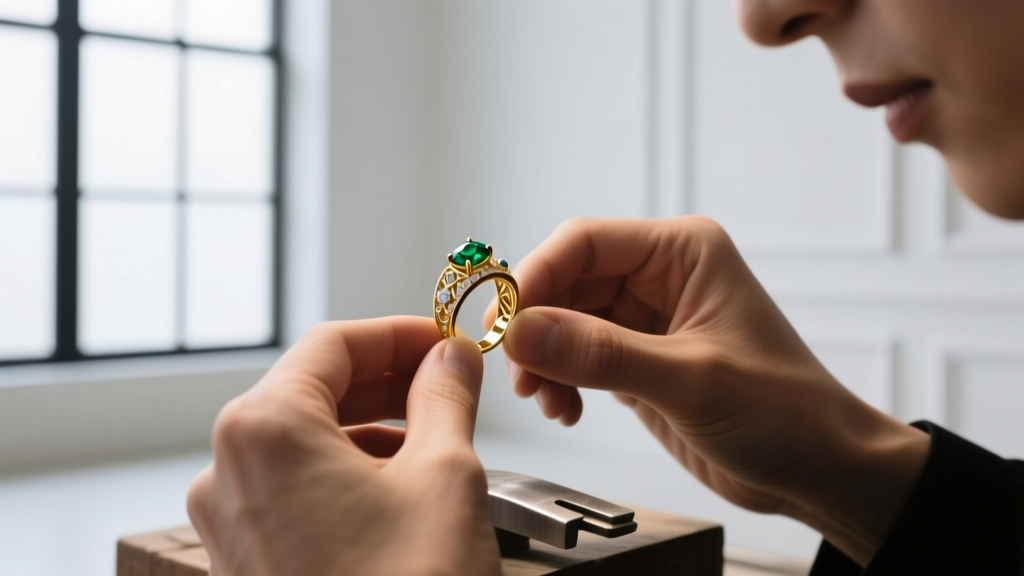
The structural integrity of a dark pearl necklace is just as critical as its aesthetic appeal. Dark pearls, particularly heavier Tahitian varieties (averaging 0.15 to 0.25 grams per millimeter of diameter), place significant stress on stringing materials.
Thread and Knotting Protocols
Never use synthetic threads like nylon or fishing line for fine pearls; they do not knot securely and can stretch unpredictably. For 8mm-10mm dark pearls, use Size F or Size FF 100% silk thread. For larger baroque pieces (11mm+), upgrade to Size G or H. Every pearl must be individually hand-knotted to prevent total loss in the event of a strand break and to prevent the pearls from rubbing against one another, which can dull the nacre over time.
The Necessity of French Wire (Gimp)
One of the most common failure modes in pearl necklaces is the thread fraying at the clasp connection point. To prevent this, jewelers must use French wire—a tiny, delicate coil of fine silver or gold wire. The silk thread passes through this metal coil before looping through the clasp ring, protecting the organic silk from the abrasive friction of the metal clasp during daily wear.
Long-Term Care and Maintenance
Dark pearls are organic gems, primarily composed of calcium carbonate and conchiolin. They are highly susceptible to acidic environments and harsh chemicals. To preserve the deep overtones of your dark pearl necklace, adhere to these strict maintenance protocols:
- The "Last On, First Off" Rule: Always apply perfumes, hairsprays, and cosmetics before putting on your pearls. The alcohol and acids in these products can rapidly degrade the nacre, leaving permanent dull, white etch marks on the dark surface.
- Never Use Ultrasonic Cleaners: The high-frequency vibrations will shatter the nacre layers and destroy the drill holes. Steam cleaners will also cause irreversible thermal shock.
- Proper Wiping: After each wear, gently wipe the strand with a soft, lint-free microfiber cloth slightly dampened with distilled water to remove skin oils and environmental pollutants.
- Storage: Never store a dark pearl necklace in an airtight plastic bag or a safety deposit box for extended periods. Pearls require ambient moisture; severe dehydration can cause the conchiolin to crack and the nacre to peel. Store them flat in a soft pouch, separate from harder gemstones like diamonds or sapphires that will easily scratch the pearl's surface (Mohs hardness 2.5 - 3.0).
"A true dark pearl necklace isn't just an accessory; it's a moody, organic artifact. Treating it with the same casual disregard as a synthetic bead will strip it of its magic. Respect the nacre, and the peacock overtones will last generations." — Master Gemologist Appraiser, 2026 Trend Report
Final Thoughts
The 2026 resurgence of the dark pearl necklace represents a maturation in consumer taste. Buyers are moving away from safe, uniform traditions and embracing the raw, asymmetrical, and deeply complex beauty of Tahitian and high-grade baroque pearls. By understanding the biological origins, demanding proper stringing techniques, and styling with intentional contrast, you can curate a dark pearl collection that is both structurally enduring and visually unforgettable.


