Is a Dauplaise Necklace Worth It? Value & Budget Guide
Discover if a Dauplaise necklace offers true value. We analyze materials, plating durability, and pricing to help you make a smart jewelry budget choice.

When building a versatile jewelry collection on a budget, the mid-tier market is a minefield of flashy marketing and questionable craftsmanship. As we navigate the 2026 jewelry market, where inflation has pushed entry-level demi-fine brands well past the $100 threshold for basic pendants, accessible brands are under the microscope. The Dauplaise necklace has become a staple on Amazon and in mid-tier department stores, promising high-end bridal and everyday sparkle at a fraction of the cost. But does the price tag reflect genuine value, or are you simply paying for a recognizable name and temporary shine?
In this comprehensive budget and value assessment, we dissect the anatomy of a Dauplaise necklace. We will evaluate their base metals, plating thickness, gemstone quality, and structural failure points to help you determine if this brand deserves a spot in your jewelry box and your budget.
The Dauplaise Brand Profile: Where Do They Sit in the Market?
Dauplaise occupies the "bridge" or mid-tier fashion jewelry space. Their necklaces typically retail between $25 and $85, positioning them squarely above ultra-fast fashion retailers (like Shein or Temu) but significantly below demi-fine brands (like Mejuri or Catbird) and fine jewelry houses. The brand is best known for its intricate, vintage-inspired designs, pageant and bridal accessories, and tennis-style crystal necklaces. For the budget-conscious consumer, Dauplaise offers a compelling aesthetic proposition: complex, eye-catching designs that mimic the look of fine diamond and platinum jewelry without the four-figure price tag.
Material Breakdown: What Are You Actually Paying For?
To accurately assess the value of any fashion necklace, you must look past the display lighting and examine the metallurgy and gemology. Here is exactly what goes into a standard Dauplaise piece.
Base Metals and Plating Thickness
Most Dauplaise necklaces are constructed from a brass or copper-alloy base, though some of their premium lines utilize 925 sterling silver. The silver-toned pieces are plated with rhodium, while the gold-toned pieces feature 14k or 18k gold plating. However, the critical metric for value here is plating thickness.
According to the Federal Trade Commission (FTC) Jewelry Guides, "heavy gold electroplate" must be at least 2.5 microns thick. Dauplaise necklaces, like most in the $30–$60 range, typically utilize flash plating or standard electroplating, which ranges from 0.1 to 0.5 microns. This means the gold or rhodium finish is exceptionally thin. While it provides a brilliant, authentic-looking initial shine, it lacks the mechanical durability to withstand daily friction, sweat, and cosmetic exposure over a multi-year period. You are paying for the look of precious metal, not the permanence of it.
Gemstones: Cubic Zirconia vs. Crystal
Dauplaise relies heavily on Cubic Zirconia (CZ) and precision-cut glass crystals to achieve their signature sparkle. From a gemological standpoint, CZ is an excellent diamond simulant. According to the Gemological Institute of America (GIA), cubic zirconia ranks between 8 and 8.5 on the Mohs scale of hardness, making it highly resistant to everyday scratching, though it is still softer than a natural or lab-grown diamond (which ranks at 10).
Dauplaise generally uses AAA-grade machine-cut CZ. These stones feature precise faceting that maximizes light return, giving them a fiery brilliance that easily outshines the dull, poorly cut synthetic stones found in sub-$15 fast-fashion jewelry. However, CZ has a higher specific gravity than diamond, meaning a Dauplaise tennis necklace with a heavy CZ pavé setting will feel noticeably heavier on the neck than a comparable fine jewelry piece.
Price-to-Longevity Ratio: The Real Cost Per Wear
Value is not just about the initial purchase price; it is about the Cost Per Wear (CPW). A $40 Dauplaise necklace that lasts for 40 wears costs $1.00 per wear. A $15 fast-fashion necklace that turns your skin green after 5 wears costs $3.00 per wear. Below is a comparative analysis of the current market landscape.
| Metric | Fast Fashion (e.g., Shein, H&M) | Mid-Tier (Dauplaise) | Demi-Fine (e.g., Gorjana, Mejuri) |
|---|---|---|---|
| Average Price Range | $3 - $15 | $25 - $85 | $90 - $250+ |
| Base Metal | Zinc alloy / Iron | Brass / 925 Silver | 925 Silver / 14k Gold |
| Plating Thickness | 0.01 - 0.05 microns (Spray) | 0.1 - 0.5 microns (Electro) | 1.0 - 2.5+ microns (Heavy) |
| Stone Quality | Acrylic / Low-grade Glass | AAA Cubic Zirconia / Crystal | Lab Diamonds / Moissanite / CZ |
| Estimated Lifespan (Regular Wear) | 1 - 3 Months | 1 - 2 Years | 5+ Years / Lifetime |
The Value Verdict: If you are buying a Dauplaise necklace for a specific event (a wedding, a pageant, a holiday party) or for occasional weekend wear, the value proposition is exceptional. You get premium-looking stones and intricate designs for under $60. However, if you intend to wear a Dauplaise gold-plated pendant every single day in the shower and at the gym, the thin plating will wear through to the brass base within 6 to 9 months, drastically reducing its long-term value.
Common Failure Points and How to Avoid Them
When assessing budget jewelry, a true expert looks at the structural weak points. Based on long-term wear testing and consumer repair data, here are the most common failure modes for Dauplaise necklaces and how to mitigate them:
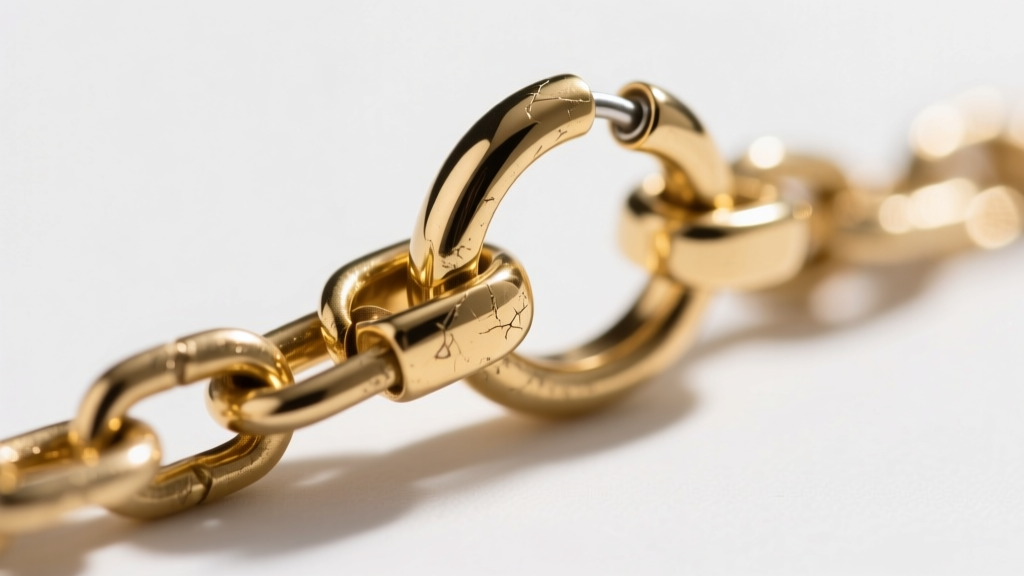
- Unsoldered Jump Rings: The small ring connecting the pendant to the chain, or the clasp to the chain, is often left unsoldered (meaning there is a tiny gap in the metal). Over time, pulling on the necklace can pry this gap open, resulting in a lost pendant. Solution: Take your new Dauplaise necklace to a local jeweler and pay $5 to have the jump rings soldered shut. This one step will prevent 90% of accidental losses.
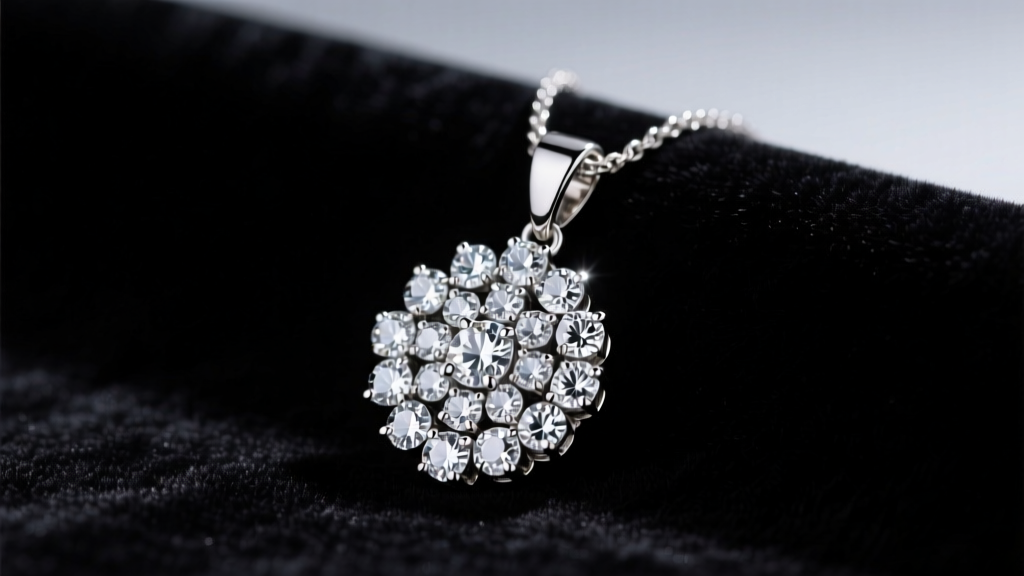
- Prong Tension Loss: In their intricate crystal and CZ clusters, Dauplaise uses cast metal prongs. Because brass and silver are relatively soft, these prongs can bend if snagged on a sweater or towel, causing stones to fall out. Solution: Never use an ultrasonic jewelry cleaner on these pieces. The high-frequency vibrations can further loosen already fragile prong settings.
- Lobster Clasp Spring Fatigue: The internal steel spring inside the lobster clasp can degrade or rust if exposed to moisture, causing the clasp to stick open or snap shut too weakly. Solution: Keep the clasp area out of the water when showering or swimming, and occasionally apply a microscopic drop of mineral oil to the clasp hinge.
Care Protocols to Maximize Your Investment
To ensure your Dauplaise necklace delivers the highest possible Cost Per Wear, you must treat the flash plating with care. The oils from your skin, combined with perfumes and lotions, create a mild acidic environment that accelerates the oxidation of the brass base metal once it breaches the microscopic plating layer.
- The "Last On, First Off" Rule: Always put your necklace on after applying makeup, perfume, and hairspray. Remove it immediately upon returning home before changing clothes or doing chores.
- Proper Storage: Do not toss the necklace into a communal jewelry box where it can scratch against harder metals. Store it in the original anti-tarnish pouch or a sealed Ziploc bag with a silica gel packet to control humidity.
- Gentle Cleaning: Avoid commercial silver dips or harsh chemical polishes, which will strip the rhodium or gold plating instantly. Instead, use a few drops of mild dish soap (like Dawn) in lukewarm water, gently agitate the necklace with a baby-soft toothbrush, rinse with distilled water, and pat completely dry with a microfiber cloth.
Final Verdict: Who Should Buy a Dauplaise Necklace?
A Dauplaise necklace represents a highly specific, strategic purchase within a jewelry budget. It is not an heirloom investment, nor is it a "buy it for life" everyday staple. If you are seeking a permanent, waterproof gold chain or a lab-diamond pendant to wear 24/7, you should save your budget for a solid 14k gold demi-fine piece.
However, if you are a fashion enthusiast who loves to rotate trends, a bride looking for breathtaking bridal party gifts on a budget, or a professional who needs high-impact, camera-ready sparkle for presentations and events, Dauplaise offers undeniable value. By understanding the limitations of flash plating and taking five minutes to solder the jump rings, you can extract years of beautiful, luxurious wear from a sub-$60 accessory. In the realm of budget fashion jewelry, Dauplaise consistently punches above its weight class in design and stone quality, making it a smart, calculated addition to your style arsenal.