What Does a Horizontal Cross Necklace Mean? Value & Price Guide
Discover what a horizontal cross necklace means and how to assess its true value. Compare materials, pricing tiers, and craftsmanship markers.
The Symbolism: What Does a Horizontal Cross Necklace Mean?
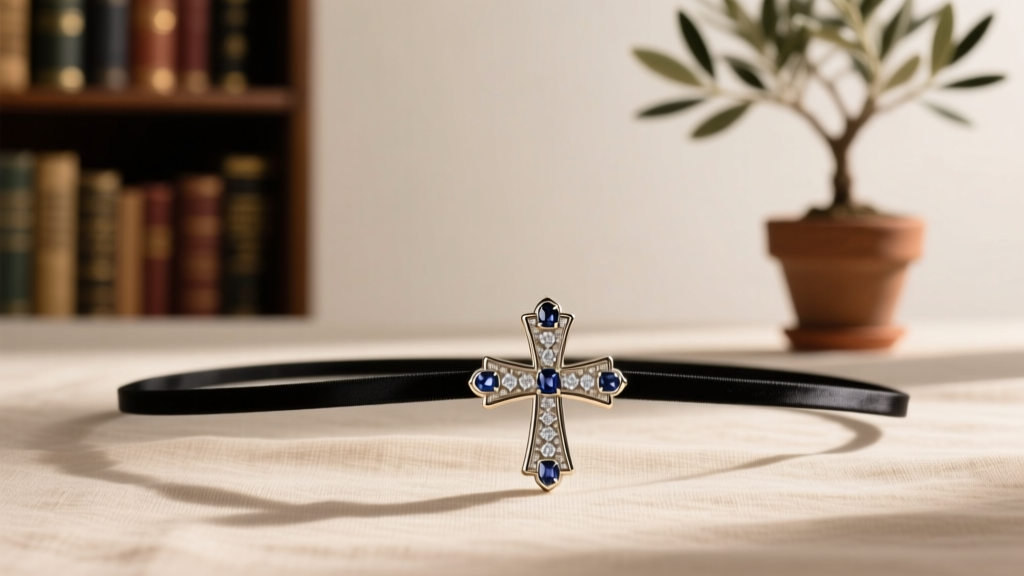
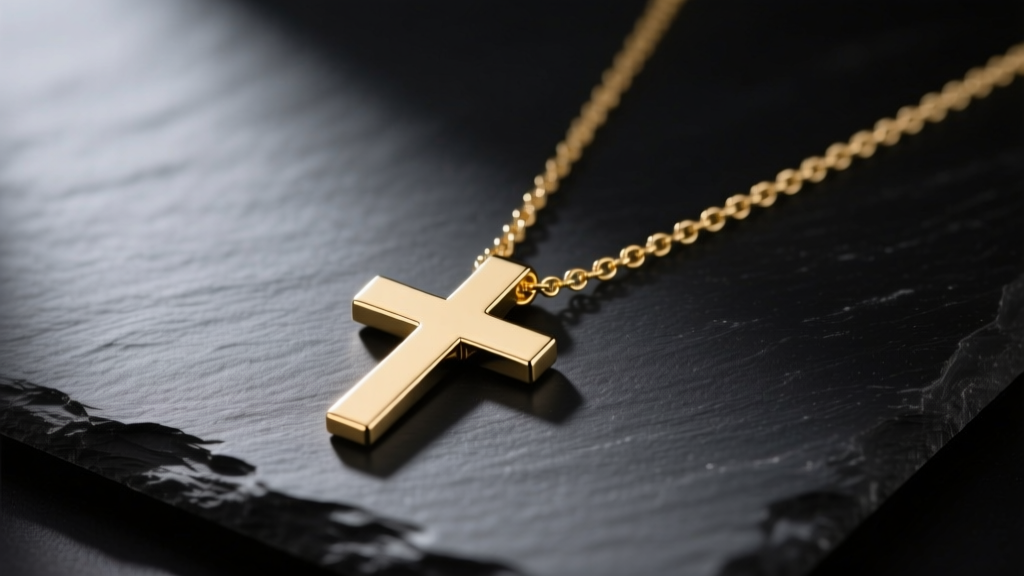
When browsing contemporary jewelry collections or exploring spiritual accessories, you may find yourself asking: what does a horizontal cross necklace mean? Unlike the traditional vertical crucifix that emphasizes the divine connection between heaven and earth, the horizontal cross carries a distinct set of historical, spiritual, and modern fashion connotations. Historically, variations of the horizontal cross—such as the Papal cross featuring three horizontal bars—denote ecclesiastical authority. However, in modern minimalist and alternative jewelry design, a single horizontal bar or a widened horizontal cross often symbolizes the earthly plane, grounding, stability, and human connection.
From a stylistic perspective, the horizontal cross has become a staple in gender-neutral and minimalist fashion. It offers a subtle, architectural silhouette that rests flat against the collarbone, making it an ideal candidate for layering or wearing as a standalone statement piece. But beyond its aesthetic and symbolic appeal, purchasing a horizontal cross necklace requires a keen eye for material value, craftsmanship, and fair market pricing. As a buyer, understanding the intersection of meaning and monetary worth is essential to making an informed investment.
Material Tiers: Assessing the Baseline Value
The foundation of any necklace's value lies in its metallurgical composition. According to the Gemological Institute of America (GIA), gold purity and alloy mixtures dictate not only the color and durability of the piece but also its intrinsic scrap and resale value. When evaluating a horizontal cross pendant and its accompanying chain, you must look beyond the polish and examine the metal grade.
- 925 Sterling Silver: Comprising 92.5% pure silver and 7.5% copper or zinc, sterling silver is the entry point for fine jewelry. A solid silver horizontal cross pendant (weighing 3-5 grams) should retail between $45 and $90. Beware of silver-plated brass, which holds zero intrinsic value and will inevitably tarnish and flake.
- 10k and 14k Gold: 10k gold (41.7% purity) offers maximum durability but lacks the rich hue of higher karats. 14k gold (58.5% purity) is the industry standard for everyday wear, balancing scratch resistance with value. A 14k solid gold pendant of average weight (4 grams) carries a raw material baseline of roughly $130-$150, meaning retail prices under $250 are highly competitive.
- 18k Gold and Platinum (950): Reserved for luxury and heirloom pieces, 18k gold (75% purity) and 950 Platinum offer unparalleled prestige. Platinum is exceptionally dense; a horizontal cross pendant in platinum will weigh nearly 60% more than its 14k gold counterpart, significantly driving up both the material cost and the labor required for casting and polishing.
Craftsmanship & Weight: The Hidden Cost Drivers
Two horizontal cross necklaces can look identical in a display case but carry vastly different price tags due to manufacturing techniques. The most critical distinction is between solid cast construction and hollow electroforming.
Solid Cast vs. Hollow Electroformed
Hollow jewelry is created by electroplating metal over a wax or resin core, which is later melted away. This results in a lightweight, voluminous piece that is inexpensive to produce. However, hollow pendants are highly susceptible to denting, cannot be easily repaired by a jeweler, and possess minimal scrap value. A solid cast pendant, created via the lost-wax casting method, is dense, durable, and can be polished, soldered, and restored over decades. When assessing value, always check the weight in grams. A substantial 14k gold horizontal cross should feel dense and heavy in the palm of your hand; if it feels suspiciously light, it is likely hollow or heavily alloyed.
Chain Gauge and Clasp Mechanics
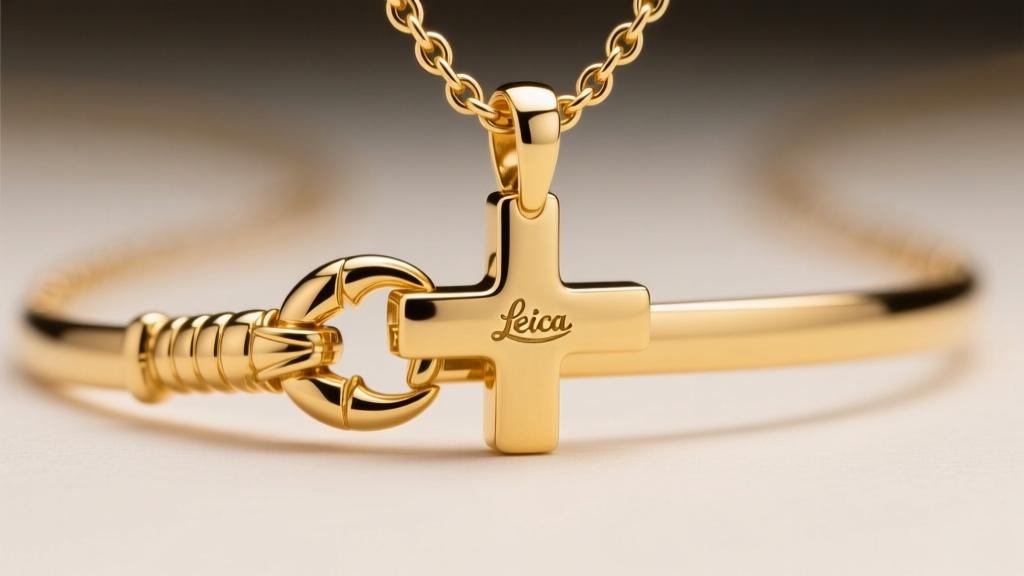
A pendant is only as secure as the chain that holds it. Many retailers cut costs by pairing heavy pendants with flimsy, low-gauge chains. For a standard horizontal cross pendant weighing between 3 and 8 grams, the chain should be a minimum of 1.5mm to 2.0mm in thickness. Box chains and wheat chains are highly recommended for their interlocking structural integrity, whereas delicate cable chains (under 1.0mm) are prone to kinking and snapping under the pendulum motion of a horizontal bar.
Furthermore, inspect the clasp and the jump ring. A high-value necklace will feature a sturdy lobster clasp rather than a fragile spring ring. Crucially, the jump ring connecting the clasp to the chain should be soldered shut or laser-welded. An open, unsoldered jump ring is a primary failure point that will eventually pull apart, resulting in the loss of the necklace.
Pricing Matrix: What Should You Actually Pay?
To help you navigate the market and avoid inflated retail markups, refer to the following value assessment matrix. These price ranges reflect fair market value for solid, well-crafted pieces from independent jewelers and reputable online artisans, excluding extreme luxury brand premiums.
| Metal Grade | Pendant Weight | Chain Type & Gauge | Fair Retail Price Range | Value Retention |
|---|---|---|---|---|
| 925 Sterling Silver | 3.0g - 5.0g | 1.5mm Box Chain | $65 - $120 | Low (Sentimental) |
| 10k Yellow Gold | 2.5g - 4.0g | 1.2mm Cable Chain | $180 - $260 | Moderate |
| 14k Yellow/White Gold | 4.0g - 7.0g | 2.0mm Wheat Chain | $350 - $650 | High |
| 18k Rose Gold | 5.0g - 8.0g | 1.8mm Rope Chain | $600 - $950 | High |
| 950 Platinum | 7.0g - 12.0g | 2.2mm Box Chain | $900 - $1,500+ | Very High |
Verifying Authenticity and Avoiding Markups
The Federal Trade Commission (FTC) Jewelry Guides strictly regulate how precious metals can be marketed and stamped in the United States. To ensure you are getting the value you pay for, you must know how to verify authenticity.
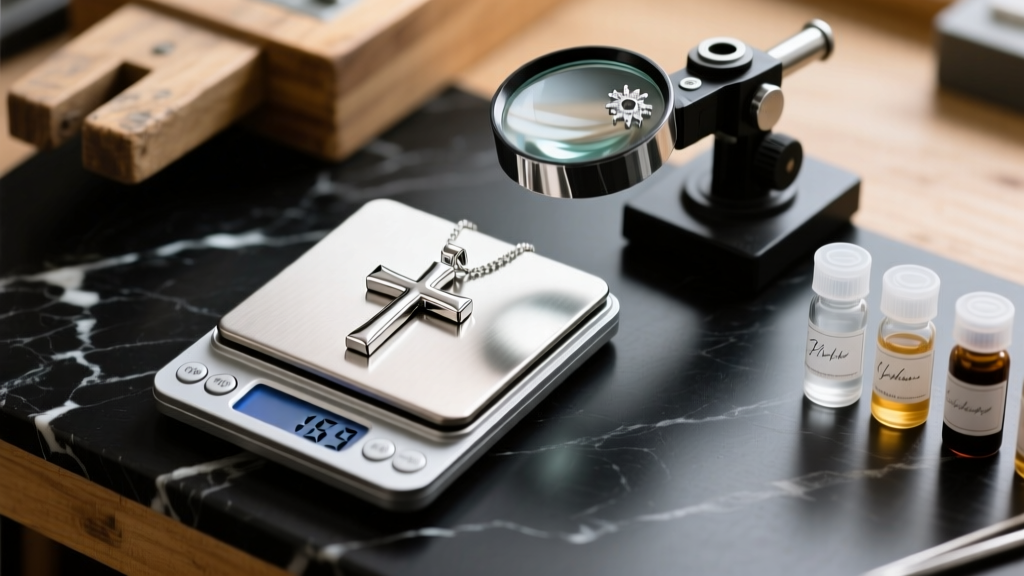
Always use a jeweler's loupe (10x magnification) to inspect the hallmark. A legitimate 14k gold piece will be stamped with '14k', '14kt', or '585'. Sterling silver will bear the '925' stamp. Be wary of stamps like '14k HGE' (Heavy Gold Electroplate) or '14k GP' (Gold Plated), which indicate a base metal core with a microscopic layer of gold. These pieces hold virtually no intrinsic metal value and should be priced accordingly—typically under $40.
If you are purchasing from a secondary market or an independent seller, request an acid test or an X-ray fluorescence (XRF) scan. Acid testing involves scratching the metal on a testing stone and applying nitric acid to observe the color reaction, definitively proving the karat purity. An XRF scanner, available at most professional appraisal offices, provides a non-destructive, exact elemental breakdown of the alloy.
Brand Markup vs. Independent Jewelers
When assessing the budget for a horizontal cross necklace, it is vital to separate material value from brand equity. Luxury fashion houses and mall-brand jewelers often apply markups ranging from 300% to 800% over the raw material and labor costs. You are paying for the logo, the packaging, and the retail real estate.
Conversely, independent bench jewelers and specialized online goldsmiths typically operate on a 'spot price + labor' model. By purchasing from an independent artisan, you can often secure a heavier, higher-gauge 14k or 18k gold horizontal cross necklace for the same price as a lightweight, mass-produced 10k piece from a corporate chain. Always ask the seller for the exact gram weight of the gold or platinum used; transparent jewelers will provide this data willingly, while those relying on brand markup will often deflect.
Final Verdict: Maximizing Your Investment
Understanding what a horizontal cross necklace means goes far beyond its symbolic representation of grounding and modern minimalism. It requires a pragmatic assessment of metallurgy, structural integrity, and market pricing. By prioritizing solid cast construction, demanding appropriate chain gauges, and verifying precious metal hallmarks, you can acquire a piece that not only carries deep personal significance but also retains enduring material value. Whether you opt for the accessible elegance of oxidized sterling silver or the heirloom permanence of 950 platinum, applying these value assessment frameworks ensures your investment is as sound as it is stylish.


