Troubleshooting Dean's Necklace in Supernatural Replicas & Care
Is your replica breaking or tarnishing? Learn how to troubleshoot Dean's necklace in Supernatural fandom replicas for durable, daily wear.

The Legacy and the Letdown: Why Replicas Fail
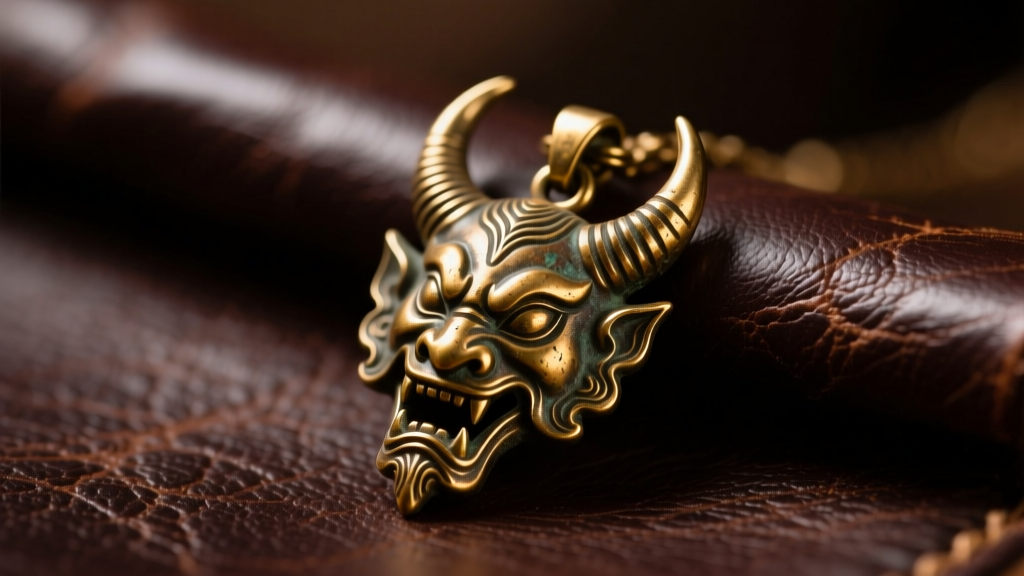
For fans of the iconic 15-season television series, Dean's necklace in Supernatural is more than just a prop; it is a symbol of brotherhood, protection, and profound loss. Originally given to Dean by Sam, and later secretly retrieved from the trash by Castiel, the horned hunter's amulet carries immense emotional weight. However, when fans attempt to purchase and wear replicas of this legendary piece of jewelry, they frequently encounter a frustrating reality: mass-market replicas are notoriously fragile. Within weeks of daily wear, cheap cast loops snap, chains break, and base metals turn the skin green. This guide provides expert jewelry troubleshooting to help you repair, upgrade, and maintain your amulet replica so it survives the hunt.
Material Breakdown: Screen-Used vs. Mass-Market
Understanding why your amulet broke requires looking at the metallurgy. The original screen-used props were likely cast in lightweight resins or soft white metals to prevent injury to the actors during stunt sequences. Conversely, the replicas sold on auction sites and convention floors are overwhelmingly made from Zamak (a zinc alloy) or low-grade pewter. These materials are poured into rubber molds at low temperatures, resulting in a porous, brittle crystalline structure that cannot withstand lateral stress.
| Material | Durability | Tarnish Risk | Repairability |
|---|---|---|---|
| Zamak (Zinc Alloy) | Very Low (Brittle) | High (Corrodes/Flakes) | Poor (Cannot be soldered) |
| Pewter | Low (Bends easily) | Medium (Dulls over time) | Fair (Low-temp solder only) |
| Silicon Bronze | Excellent (Heavy, tough) | Low (Develops rich patina) | Excellent (Standard soldering) |
| Sterling Silver | High (Durable, malleable) | Medium (Oxidizes black) | Excellent (Jeweler's torch) |
Troubleshooting Common Amulet Failures
The Broken Jump Ring and Bail Issue
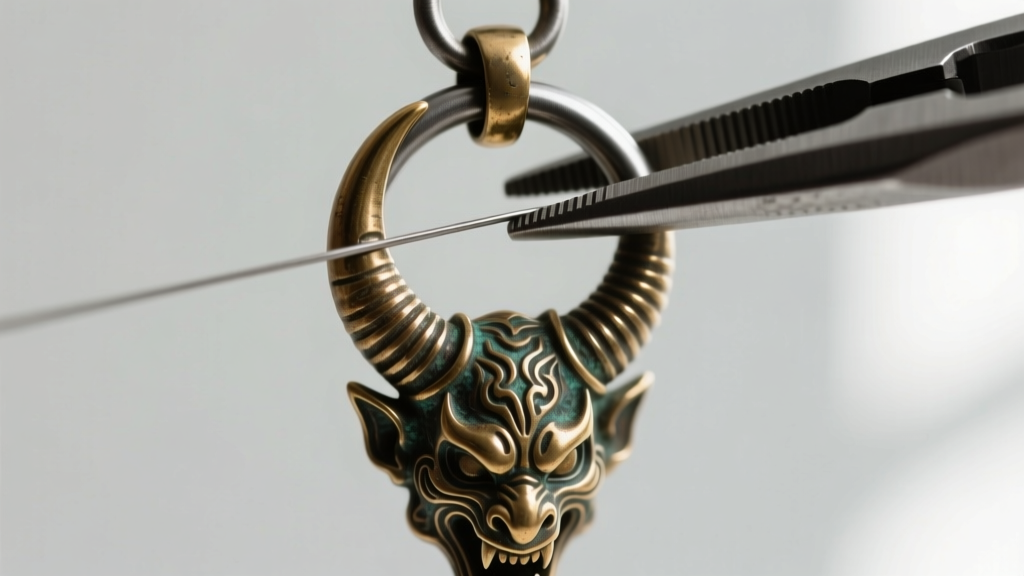
The most catastrophic and common failure point on any replica of Dean's necklace in Supernatural is the bail—the loop at the top of the amulet where the chain threads through. On cheap cast replicas, this loop is formed as part of the mold. Because zinc alloys possess high porosity and lack tensile strength, a simple snag on a jacket zipper will shear the loop cleanly off the pendant.
The Fix: Do not attempt to glue the broken cast loop back on; cyanoacrylate (Super Glue) will fail under the weight of the pendant. Instead, use a rotary tool with a diamond burr bit to carefully hollow out the remaining nub of the broken loop. Next, purchase a heavy-duty sterling silver or stainless steel 'tube bail' or 'peg bail'. Apply a two-part jeweler's epoxy, such as Epoxy 330 or G-S Hypo Cement, insert the bail into the hollowed cavity, and let it cure for 24 hours. This transfers the stress from the brittle zinc alloy to the high-tensile steel or silver finding.
Tarnish, Corrosion, and 'Green Skin' Syndrome
Another frequent complaint among fans is waking up with a ring of green or black discoloration on their chest. This is not a supernatural curse; it is a basic chemical reaction. When the copper or zinc in cheap alloys mixes with the acidic salts in human sweat, it creates copper chloride or zinc salts, which stain the skin. Furthermore, Zamak is prone to 'zinc pest'—a slow, irreversible corrosion that causes the metal to swell, crack, and crumble into dust over time.
The Fix: If you are committed to wearing a base-metal replica, you must create a barrier between the metal and your skin. While clear nail polish is a common internet hack, it yellows and peels within days. For a professional, long-lasting seal, clean the back of the amulet with isopropyl alcohol and apply a micro-crystalline wax, such as Renaissance Wax. Buff it gently with a microfiber cloth. This museum-grade conservation wax will prevent sweat from reaching the reactive metals and will keep the antique, grungy patina of the prop completely intact without adding a glossy, artificial shine.
Upgrading the Cord and Chain Assembly
Dean's amulet was a heavy, substantial piece of lore. Wearing it on a flimsy 1mm cable chain or a thin cotton cord is a recipe for disaster. The original costume department frequently utilized simple black braided cords or oxidized silver chains. To properly support the weight of a metal replica and prevent the chain from snapping, you must upgrade your findings.
- The Cord Upgrade: Discard the thin factory cord. Opt for a 3mm or 4mm genuine braided leather cord. Finish the ends with sterling silver or stainless steel crimp-tube end caps, securing them with a drop of jeweler's epoxy. Attach a heavy-duty magnetic clasp or a stainless steel lobster claw clasp for easy removal.
- The Chain Upgrade: If you prefer a metal chain, avoid lightweight rope or snake chains, which kink and snap. Choose a 2.5mm to 3mm oxidized sterling silver rolo chain or a stainless steel Cuban link chain. Rolo chains feature interlocking round links that are incredibly resistant to pulling forces.
- Length Sizing: Dean typically wore his amulet on a 24-inch chain, allowing it to rest comfortably on the lower sternum, visible over the neckline of his iconic flannel shirts and Henleys. A 20-inch chain will cause the heavy pendant to flip upside down constantly.

Sourcing Authentic-Weight Replacements
If your current replica is beyond repair—suffering from severe zinc pest or irreparable structural cracks—it may be time to retire it and source a proper, screen-accurate casting. When shopping for a replacement, look specifically for independent jewelers and prop-makers who utilize the lost-wax casting method in silicon bronze or solid sterling silver. While these premium replicas will cost significantly more than the $15 mass-market imports (typically ranging from $80 to $250 depending on the metal), they offer the correct heft, accurate horn curvature, and the structural integrity required for a lifetime of wear. By understanding the metallurgy and structural vulnerabilities of mass-produced TV props, you can ensure that your piece of Supernatural history remains a lasting artifact rather than a fleeting disappointment.
"It's an amulet. It's supposed to protect you." — By treating your replica with professional jewelry care and upgrading its weakest points, you ensure it lives up to its legendary protective status.


