Is a Designer Clover Necklace Worth It? 2026 Value Guide
We break down the true cost, material quality, and resale value of a designer clover necklace to help you decide if the luxury price tag is justified.

The Anatomy of a Designer Clover Necklace
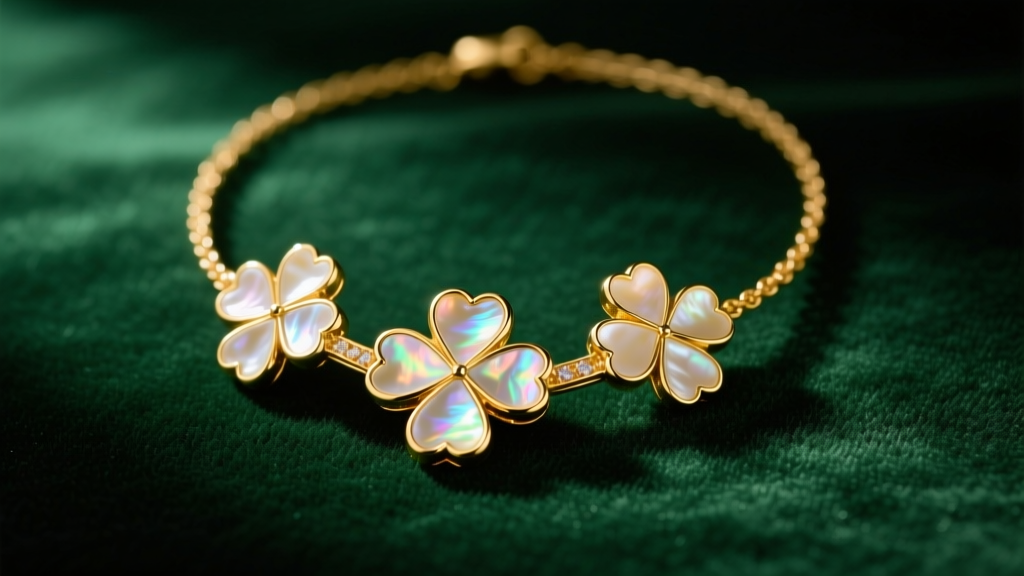
When jewelry enthusiasts and collectors refer to a designer clover necklace, they are almost universally referencing the iconic Alhambra collection by Van Cleef & Arpels. First introduced in 1968, the motif has transcended its mid-century origins to become one of the most recognizable and highly counterfeited luxury jewelry designs in the world. As we navigate the 2026 luxury market—where buyers are increasingly scrutinizing the intersection of heritage branding and intrinsic material value—it is crucial to dissect what exactly you are paying for when you purchase this iconic piece.
The design is deceptively simple: a four-leaf clover shape bordered by a delicate milgrain (beaded) edge, typically housing a carved hardstone or mother-of-pearl. However, the execution requires precise lapidary work and meticulous goldsmithing. The milgrain edge is not merely decorative; it serves as a structural bead-setting technique that secures the stone while protecting the gold rim from direct impact. Understanding the metallurgy and gemology behind this design is the first step in conducting a proper budget and value assessment.
Material Breakdown: What Are You Actually Paying For?
A standard Vintage Alhambra pendant weighs approximately 8.5 to 9.5 grams in total. The 18k gold component accounts for roughly 4.5 to 5.5 grams, depending on the density of the specific stone used. At 2026 spot prices, the intrinsic melt value of the gold alone hovers around $400 to $450. Therefore, the vast majority of the retail price is attributed to brand equity, lapidary labor, and gemstone sourcing.
Gemstone Durability and the Mohs Scale
The choice of stone drastically alters both the maintenance requirements and the long-term value retention of your necklace. According to the Gemological Institute of America (GIA), the hardness and porosity of these materials vary wildly:
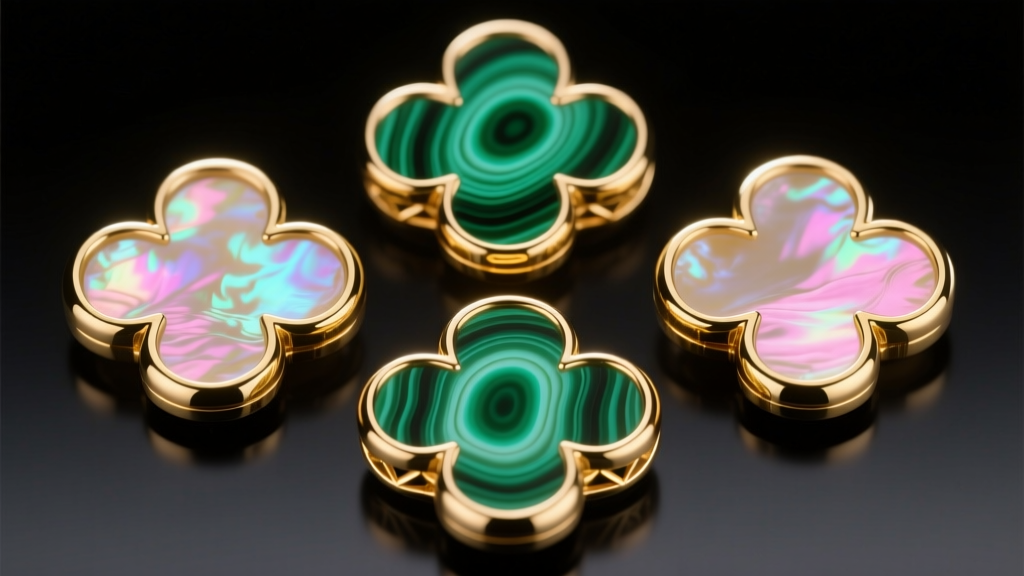
- Mother-of-Pearl (Mohs 2.5 - 4.5): Highly susceptible to acids, including lactic acid in sweat and the alcohol in perfumes. Over time, improper care will strip its iridescent nacre layer, leaving a dull, chalky surface.
- Malachite (Mohs 3.5 - 4.0): A copper carbonate hydroxide mineral that is notoriously porous. It requires a custom domed cabochon cut that wastes nearly 40% of the raw rough. It is extremely sensitive to heat, chemicals, and even prolonged exposure to direct sunlight, which can cause the vibrant green banding to fade or fracture.
- Black Onyx & Carnelian (Mohs 6.5 - 7.0): Both are varieties of chalcedony. They offer excellent durability, high scratch resistance, and are largely impervious to everyday cosmetic chemicals, making them the superior choice for daily wear.
Price vs. Intrinsic Value: The 2026 Market Analysis
To evaluate the true budget impact, we must compare the retail price against the intrinsic material cost and the secondary market liquidity. The designer clover motif benefits from the 'lipstick effect' in luxury goods, maintaining high desirability even during economic fluctuations. Below is a comparative analysis of the standard Vintage Alhambra pendant across different materials in the current market.
| Material (Vintage Pendant) | 2026 Est. Retail Price | Mohs Hardness | Resale Retention | Durability Risk |
|---|---|---|---|---|
| Mother-of-Pearl | $4,750 | 2.5 - 4.5 | 75% - 85% | High (Acids/Perfume) |
| Malachite | $5,100 | 3.5 - 4.0 | 80% - 90% | Extreme (Porous/Soft) |
| Black Onyx | $4,750 | 7.0 | 70% - 80% | Low (Excellent wear) |
| Carnelian | $4,750 | 6.5 - 7.0 | 65% - 75% | Low (Stable) |
*Resale retention estimates based on secondary market data from platforms like The RealReal and Rebag, assuming excellent condition with original box and authenticity certificates.
As the table illustrates, malachite commands a premium due to the difficulty in sourcing large, unfractured rough with symmetrical banding, and it consequently holds the highest resale value. However, it also carries the highest risk of catastrophic damage if worn carelessly.
The Hidden Costs of Ownership and Maintenance
A critical, often overlooked aspect of the designer clover necklace value assessment is the long-term maintenance cost. The 18k yellow gold alloy used in these pieces (75% pure gold, mixed with copper and silver for tensile strength) is prone to micro-scratches from daily wear.
When you send the piece back to the maison for official servicing or take it to a local bench jeweler for polishing, you face a structural dilemma. Aggressive polishing removes a microscopic layer of gold. Because the iconic milgrain beading on the edge of the clover is essentially a series of tiny raised gold dots, repeated polishing over a decade will inevitably wear the beads down, resulting in a smooth, flattened edge that destroys the architectural integrity of the design. Furthermore, replacing a cracked malachite or mother-of-pearl stone through official channels can cost upwards of $1,500 to $2,000, and requires leaving the necklace at the boutique for several months while the custom-cut replacement stone is sourced and set.
High-Quality Alternatives vs. The 'Dupe' Market
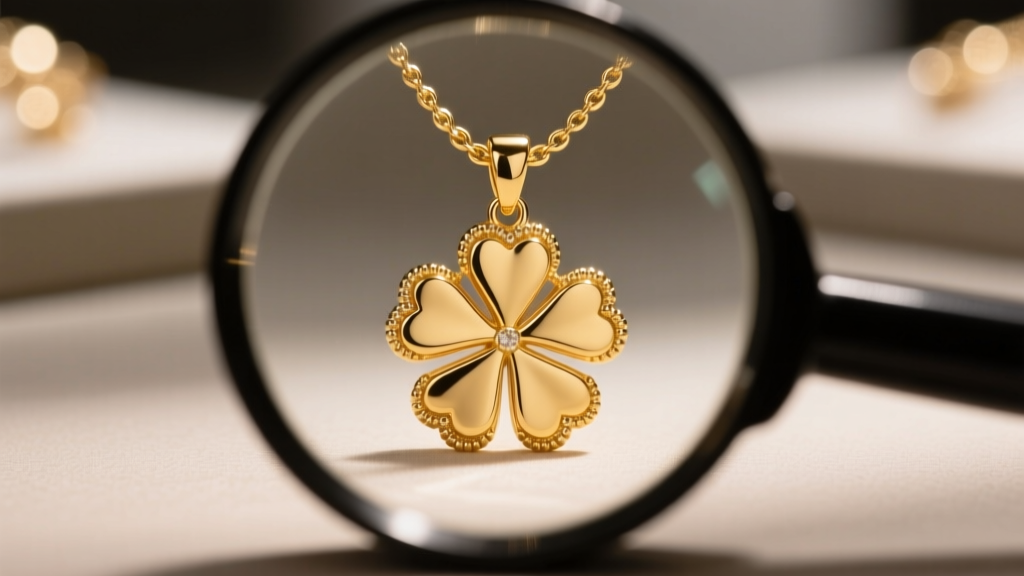
Given the steep entry price, the market is flooded with 'dupes'—clover necklaces made from brass or sterling silver with gold vermeil plating. From a strict value assessment perspective, vermeil clover necklaces are a poor investment. Silver and brass lack the tensile strength and memory of 18k gold. Over time, the thin bezels holding the stone will warp, and the prongs will loosen, leading to lost stones and green skin discoloration.
The Smart Budget Play: If you love the motif but cannot justify the $5,000 brand premium, the most financially sound alternative is commissioning a custom clover pendant from an independent master bench jeweler. Using 6 to 8 grams of solid 14k or 18k gold and a custom-cut chalcedony or high-grade mother-of-pearl stone, a bespoke piece will typically cost between $1,200 and $1,800. While it lacks the designer hallmark and the subsequent secondary-market liquidity, you receive a structurally superior, solid-gold heirloom piece for roughly 30% of the retail designer price.
Final Verdict: Who Should Buy the Designer Original?
The decision to purchase a designer clover necklace ultimately depends on your personal definition of value. If you view jewelry strictly through the lens of intrinsic material weight versus cost, the retail price is mathematically difficult to justify. The gold melt value and stone cost represent less than 15% of the purchase price.
However, if you value horological and jewelry heritage, secondary-market liquidity, and the psychological joy of wearing an instantly recognizable icon of luxury craftsmanship, the piece holds undeniable value. For the budget-conscious collector, the optimal strategy in 2026 is to target the secondary market for a Black Onyx or Carnelian Vintage Alhambra pendant. These stones offer the best balance of everyday durability and long-term structural preservation, ensuring your investment remains pristine for decades without the anxiety of babying a fragile malachite stone.


