Troubleshooting 1 Necklace: Fixing Clasps, Tangles & Fit
Learn how to fix clasps, untangle chains, and adjust the fit of your everyday jewelry. Master the art of maintaining and styling 1 necklace.

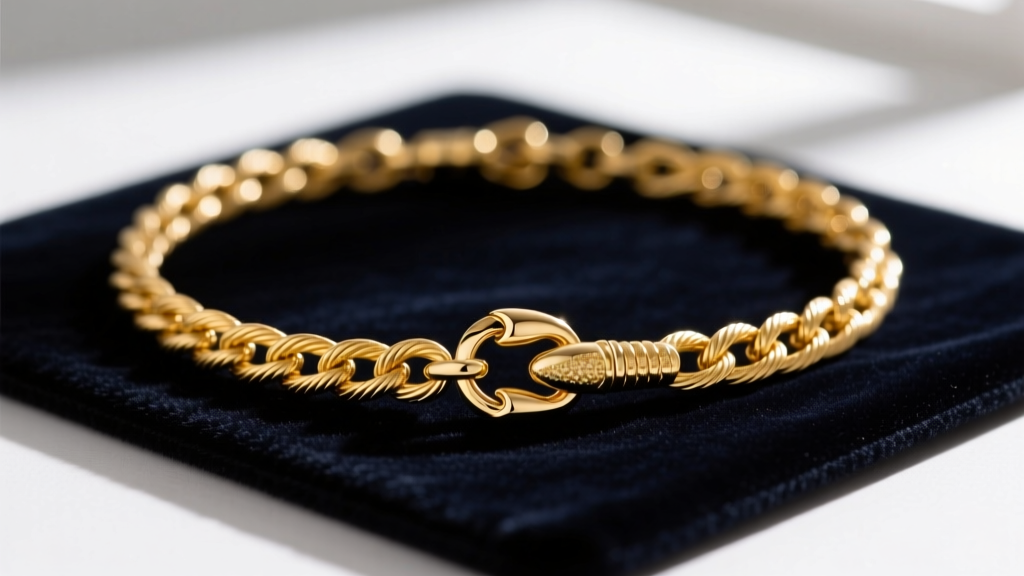
The 'One Necklace' Dilemma: Why Your Everyday Piece Fails
The minimalist jewelry movement has popularized the concept of the capsule wardrobe, where wearing exactly 1 necklace every day is a badge of effortless style. However, when a single piece of jewelry becomes your daily workhorse, it is subjected to relentless mechanical stress, chemical exposure from cosmetics, and friction from clothing. By 2026, bench jewelers report that everyday chains require maintenance three times more frequently than rotation pieces simply due to continuous wear.
Troubleshooting a single, heavily worn necklace requires a strategic approach. Whether you are dealing with a stubborn clasp, a hopelessly tangled chain, or an awkward fit that clashes with your neckline, understanding the mechanics of your jewelry is the first step toward a permanent fix. This guide dives deep into the metallurgy, mechanics, and styling hacks required to keep your singular necklace in pristine, wearable condition.
Troubleshooting Clasp Malfunctions & Chain Breaks
The clasp is the most common point of failure on any chain. If your necklace frequently slips off or the clasp refuses to close, the issue usually lies within the microscopic internal mechanisms.
Fixing Stuck Spring Ring and Lobster Clasps
Spring ring clasps (the small circular ones) and lobster claws rely on a tiny internal steel spring. Over time, lotion, dead skin cells, and dust pack into the microscopic slit where the lever retracts. This creates a sticky residue that prevents the spring from fully extending, leaving the clasp slightly open.
- The Pin & Alcohol Method: Do not use oil to lubricate the clasp; it will attract more dirt. Instead, dip a fine sewing pin into 90% isopropyl alcohol and run it through the seam of the clasp while repeatedly pressing the lever. This dissolves the sebum and lotion buildup.
- Spring Fatigue: If the lever feels loose and lacks tension, the internal spring has suffered metal fatigue. A jeweler can replace a standard sterling silver spring ring for about $15–$25, while a 14k gold lobster claw replacement typically costs between $45 and $85, depending on the weight and size.
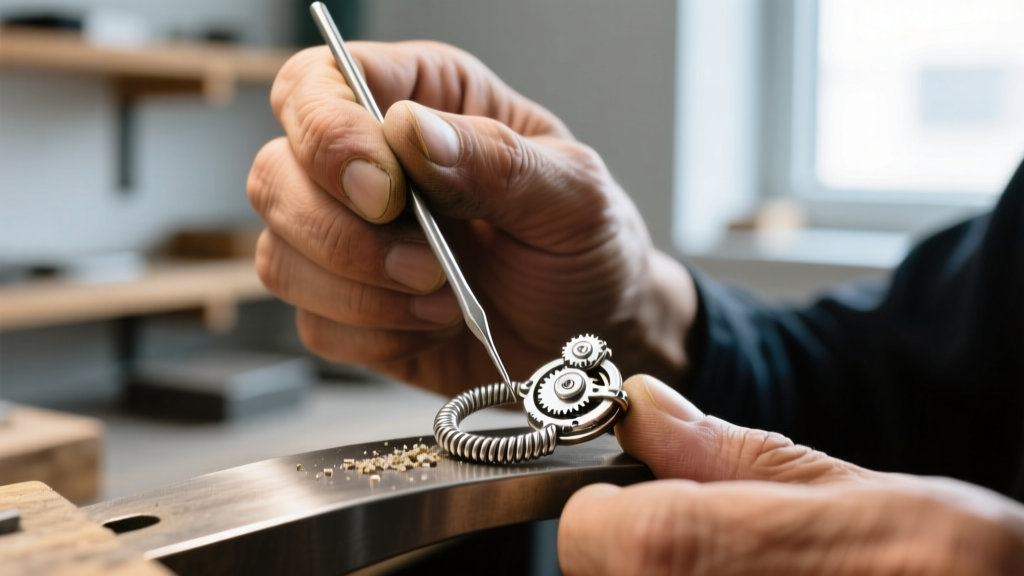
Soldering vs. Laser Welding for Micro-Breaks
If your chain snaps, the repair method matters. Traditional torch soldering uses a gold or silver alloy filler and high heat, which can sometimes leave a visible seam or damage nearby gemstones. For fine, everyday chains (like 14k or 18k gold cable chains under 1.5mm), modern jewelers use laser welding. Laser welding uses pinpoint light energy to fuse the exact same metal without adding foreign solder, resulting in an invisible, structurally superior repair that costs between $35 and $75.
Solving the Tangled Chain Crisis
When you wear 1 necklace constantly, it is exposed to the 'random walk' physics phenomenon inside your jewelry box or against your clothing, leading to complex knots. Pulling a knot tight causes plastic deformation in the metal links, permanently weakening them.
The Talcum Powder and Needle Technique
Never use your fingers to pull a tight knot; the oils from your skin increase friction. Instead, lay the necklace on a hard, flat surface. Generously dust the knot with talcum powder or cornstarch to eliminate metal-on-metal friction. Using two fine sewing needles, gently work the needles into the center of the knot and push outward, loosening the links one by one.
Chain Link Susceptibility Chart
Not all chains tangle equally. Understanding your chain's link structure helps you troubleshoot and prevent future knots.
| Chain Link Type | Tangle Risk | Kink Risk | Troubleshooting Insight |
|---|---|---|---|
| Cable / Link | High | Low | Easily untangled with needles; highly durable against pulling. |
| Box | Low | Very High | Rarely tangles, but if bent, the square links permanently kink and require professional roller-straightening. |
| Rope | Very High | Medium | The twisted links catch on hair and fabrics. Requires frequent powder-dusting to maintain. |
| Snake | Low | Extreme | Fluid and tangle-free, but a single sharp bend will permanently ruin the smooth tubular structure. |
| Curb | Very Low | Low | Interlocking flat links lay flush, making them nearly impossible to tangle. Ideal for active daily wear. |
Adjusting Length & Troubleshooting Skin Reactions
Wearing the exact same necklace means it must interact with your body chemistry and varying clothing styles daily. Two of the most common complaints regarding a single everyday piece are skin discoloration and improper length.
The 'Green Neck' Phenomenon
If your necklace leaves a green or black smudge on your skin, it does not necessarily mean the jewelry is fake. According to the Gemological Institute of America (GIA), pure 24k gold is hypoallergenic but too soft for daily chains. Therefore, 14k gold contains 58.5% gold and 41.5% alloy metals like copper, zinc, and nickel. When these copper alloys react with the acids in your sweat, or the sulfur in the air, they create copper chloride or copper sulfate—resulting in a green residue.
The Fix: For a temporary at-home solution, coat the inside of the chain or the back of the pendant with a thin layer of clear nail polish to create a barrier. For a permanent, professional fix, take the necklace to a jeweler to be rhodium-plated. This process ($40–$90) coats the piece in a microscopic layer of platinum-group metal, completely sealing the copper alloys away from your skin.
Adjusting Fit Without Soldering
If your 1 necklace is slightly too short for a specific outfit, avoid straining the clasp. Purchase a 'chain extender'—a small 2-inch length of chain with a jump ring on one end and a lobster clasp on the other. This allows you to dynamically adjust your necklace from a 16-inch choker to an 18-inch princess length in seconds, solving fit issues without permanent alterations.

Styling 1 Necklace Across 4 Problematic Necklines
The ultimate test of a capsule jewelry strategy is making a single piece look intentional across vastly different wardrobes. Here is how to troubleshoot styling when your necklace length seems 'wrong' for your top.
- The Crewneck T-Shirt: A standard 18-inch chain will sit awkwardly right on the collar seam. The Fix: Use the aforementioned chain extender to drop the necklace to 20 or 22 inches, allowing it to rest on the fabric of the shirt rather than competing with the hemline. Alternatively, tuck a delicate 16-inch chain entirely inside the collar for a subtle, hidden glint when you move.
- The Deep V-Neck: This neckline demands a focal point. The Fix: If your necklace is a simple chain without a pendant, use a 'pendant converter' or a small silk scarf tied around the chain to create a makeshift Y-necklace silhouette, drawing the eye down the V-line.
- The Turtleneck: Thick winter fabrics create massive friction, which can snap delicate chains. The Fix: Never wear a thin cable or snake chain over a wool turtleneck. If your 1 necklace is delicate, wear it underneath the turtleneck against your skin. If it is a heavier curb or box chain, wear it over the fabric, but ensure the clasp is secured with a tiny piece of jewelry tape to prevent it from catching on the knitwear.
- The Button-Down Shirt: Leaving the top two buttons undone creates a mini V-neck. The Fix: A 16-inch choker length works beautifully here, sitting just above the clavicle and framing the face without getting lost in the folds of the collar.
Expert Maintenance Rule: If you commit to wearing 1 necklace 24/7, you must remove it before swimming in chlorinated pools or using household bleach. Chlorine reacts catastrophically with the copper and zinc alloys in 14k and 18k gold, causing 'stress corrosion cracking' that will cause the chain to shatter like glass under minor tension.
By understanding the mechanical vulnerabilities of your jewelry and keeping a few simple troubleshooting tools on hand—like a fine needle, isopropyl alcohol, and a chain extender—you can ensure your singular, everyday necklace remains a flawless staple in your wardrobe for decades.


