How to Determine Squash Blossom Necklace Value: A Step-by-Step Guide
Learn how to determine squash blossom necklace value with our step-by-step appraisal guide covering silver types, turquoise grades, and eras.

The Complexity of Native American Jewelry Appraisal
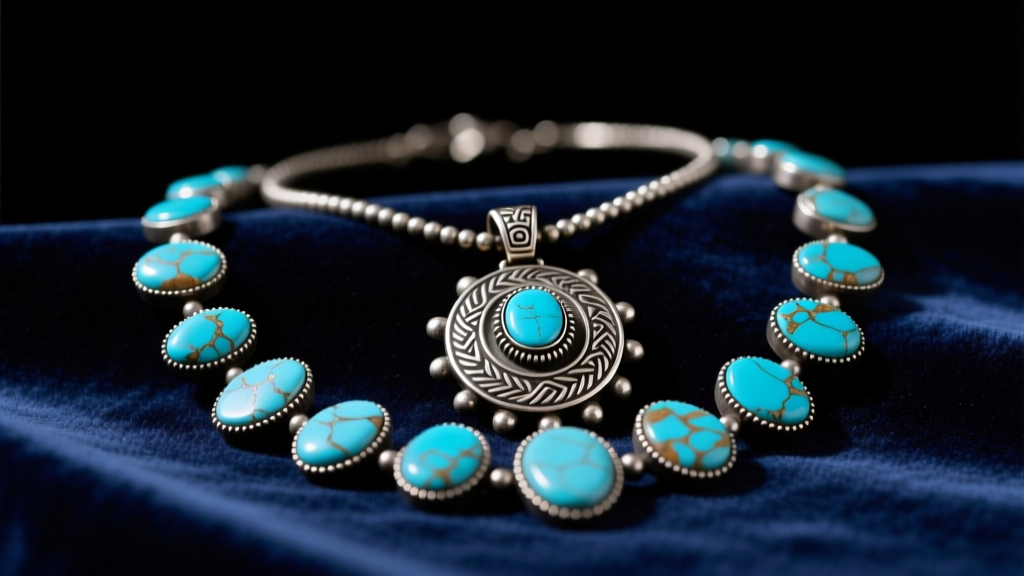
Determining the true market value of a Native American squash blossom necklace requires far more than a simple visual inspection. As we navigate the 2026 vintage jewelry market, authentic pieces from the Navajo, Zuni, and Hopi tribes continue to appreciate, but the market is simultaneously flooded with high-quality replicas and stabilized-stone imitations. A genuine squash blossom necklace is a masterclass in silversmithing and lapidary art, featuring the iconic crescent-shaped Naja pendant and stylized pomegranate (often called squash blossom) beads. Whether you have inherited a family heirloom or are looking to invest at a tribal auction, understanding the metallurgical and gemological nuances is critical. This step-by-step guide will teach you how to accurately evaluate squash blossom necklace value based on silver purity, stone origin, construction techniques, and historical provenance.
Step 1: Authenticate the Silver (Coin vs. Sterling)
The foundation of any appraisal begins with the metal. Early Native American silversmiths did not use commercially milled sterling silver sheets. Instead, they melted down US and Mexican coins to forge their jewelry.
Coin Silver (Pre-1930s)
Coin silver is approximately 90% pure silver (compared to sterling's 92.5%). Because it was hand-hammered from melted coins, coin silver pieces are often lighter, feature rougher backs, and exhibit a distinct, warm patina that cannot be artificially replicated. According to the Smithsonian National Museum of the American Indian, early coin silver pieces rarely feature hallmarks, or they may bear simple, hand-filed initials. If your necklace is verified as early coin silver, its baseline value immediately places it in the museum or high-end collector tier.
Sterling Silver (Post-1930s)
By the mid-20th century, commercial .925 sterling silver became the standard. Sterling is heavier, brighter, and takes deep, precise stamping. While later sterling pieces can still be incredibly valuable, the metal itself is less rare than early coin silver. Always perform a non-destructive test: silver is non-magnetic and possesses the highest thermal conductivity of any metal. An ice cube placed on a genuine silver Naja pendant will melt almost instantly.
Step 2: Evaluate the Turquoise and Gemstones
The stones set into the blossoms and the Naja dictate a massive percentage of the necklace's overall value. You must differentiate between natural, stabilized, and treated turquoise.
- Natural Turquoise: Untreated and unbacked. It is porous, meaning it can change color slightly over decades of wear due to skin oils. Natural stones with tight, intricate matrix patterns command the highest premiums.
- Stabilized Turquoise: Treated with a clear epoxy resin under pressure to harden the stone and lock in its color. While accepted in the Native American jewelry trade for softer stones, stabilization reduces the value compared to high-grade natural turquoise.
- Chalk or Dyed Turquoise: Pulverized, dyed, and reconstituted. This holds virtually no collector value and is a red flag for mass-produced tourist pieces.
Identifying High-Value Mines
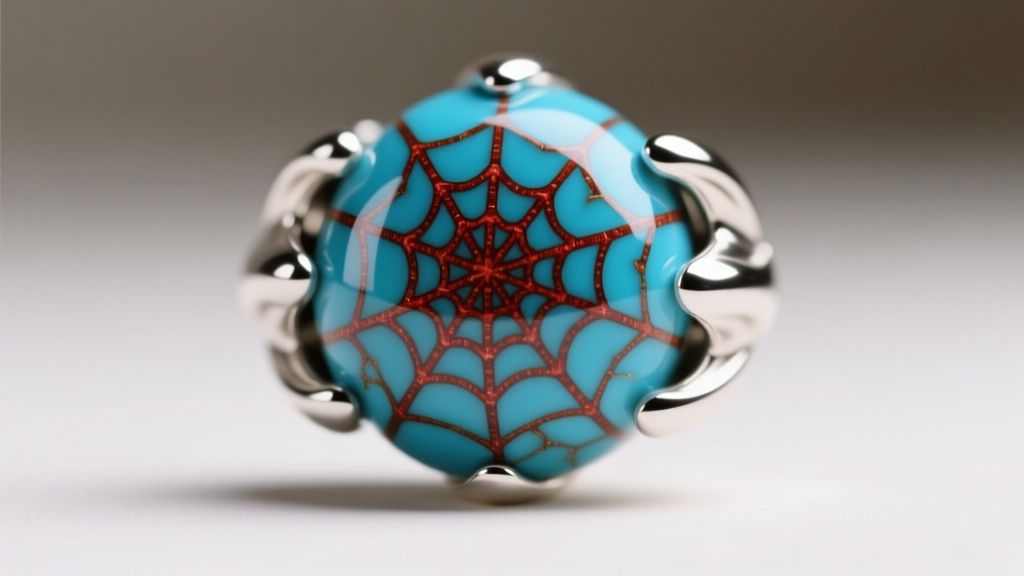
Provenance of the stone matters immensely. Lander Blue (Nevada) is the holy grail, characterized by intense black spiderweb matrix over deep blue or green, pushing necklace values well past $20,000. Bisbee (Arizona) is famous for its rich blue color and distinct reddish-brown, smoky matrix. Number 8 (Nevada) features striking gold and brown webbing. If you can identify the mine based on the matrix and color, you can accurately anchor your appraisal.
Step 3: Examine the Naja Pendant and Blossom Beads
The Naja (crescent) is the centerpiece, originally adapted from Moorish designs brought to the Americas by Spanish conquistadors. Examine the construction of the Naja and the blossom beads closely.
Sandcast vs. Die-Stamped: Early historic pieces (1890–1930) were created using sandcasting, where molten silver was poured into a mold carved from soft sandstone. Sandcast pieces have a heavier, more organic, and slightly porous texture on the reverse side. Later pieces, particularly from the 1970s boom, utilized die-stamped sheet silver, which is uniform, perfectly smooth on the back, and features sharp, repetitive stamp-work borders. Hand-chiseled and repoussé details indicate a master silversmith, drastically increasing the value.
Step 4: Identify the Era and the Maker
The Indian Arts and Crafts Board emphasizes the importance of authenticity and maker identification in Native American art. The era in which the necklace was crafted heavily influences its price point.
The Fred Harvey / Tourist Era (1930–1960)
Designed for the booming Southwestern tourism trade, these necklaces feature thin, lightweight silver, small, often stabilized or glass stones, and machine-made blossoms. While historically interesting, they sit at the bottom of the valuation spectrum.
The 1970s Native American Jewelry Boom
Driven by a massive cultural fascination with Southwestern style, this era produced heavy, oversized sterling silver necklaces set with large, often natural turquoise cabochons. Many are unsigned, but the sheer weight of the silver and the quality of the stones give them strong mid-tier collector value.
Contemporary Master Silversmiths (1980–Present)
Pieces stamped with recognized hallmarks from master artists like Charles Loloma, the Yazzie family, or Gary Yazzie transcend standard jewelry and enter the realm of fine art. Provenance, such as a certificate of authenticity or a gallery receipt, is mandatory to achieve top-tier pricing in this category.
Step 5: Consult the 2026 Valuation Matrix
Use the following matrix as a baseline framework when determining squash blossom necklace value in today's market. Prices assume the piece is in excellent, wearable condition with no missing stones or severe structural damage.
| Era / Category | Silver Type & Weight | Turquoise / Stone Quality | Estimated Value Range (2026) |
|---|---|---|---|
| Fred Harvey / Tourist (1930-1960) | Lightweight Sterling, Machine-Stamped | Small Cabochons, Stabilized or Glass | $300 – $900 |
| 1970s Boom Era (Unsigned) | Heavy Sterling, Deep Hand-Stamping | Large Natural Turquoise, Unknown Mine | $1,500 – $4,500 |
| Early Historic (1890-1930) | Coin Silver, Sandcast, Single/Double Bar | Minimal Stones or High-Grade Natural | $8,000 – $25,000+ |
| Contemporary Master (Signed) | Heavy Sterling or Gold Accents | Premium Natural (Lander Blue, Bisbee) | $10,000 – $60,000+ |
Final Appraisal Tips and Provenance
Never attempt to clean or polish a vintage squash blossom necklace before an appraisal. The dark oxidation (patina) in the recesses of the stamp-work and the natural wear on the silver beads are critical indicators of age and authenticity. Polishing can erase microscopic tool marks and reduce the value of an early historic piece by up to 30%. If you suspect you possess an early coin silver or master-crafted piece, seek out a certified appraiser who specializes in Native American antiquities, and request a written report detailing the metallurgical and gemological findings.


