Diamond Birthstone Necklace Budget & Value Guide 2026
Discover the true value of a diamond birthstone necklace in 2026. Compare lab-grown vs. natural pricing, metal grades, and avoid common retail traps.

The True Cost of a Diamond Birthstone Necklace in 2026
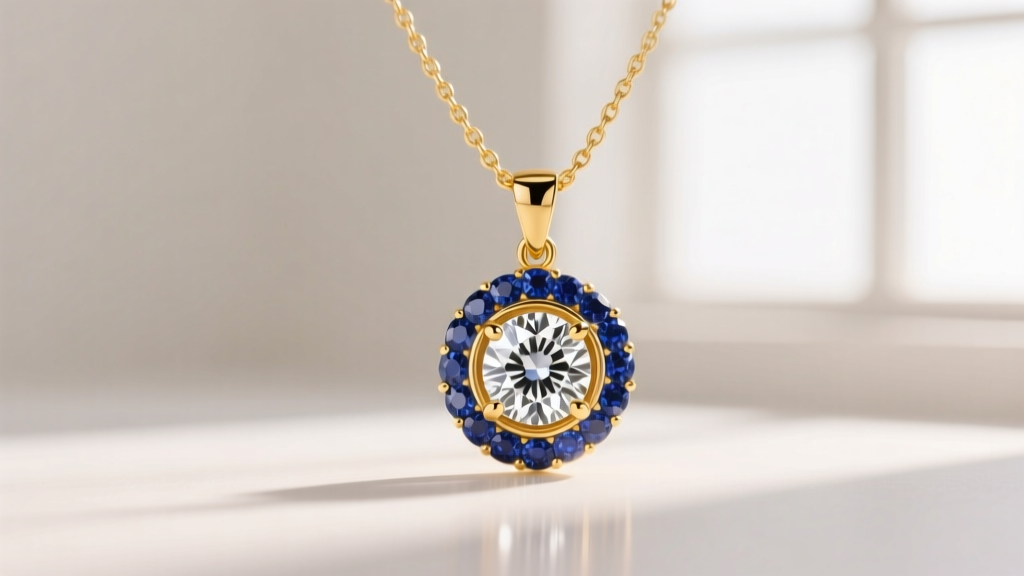
Navigating the jewelry market for a meaningful piece like a diamond birthstone necklace requires a sharp eye for value, especially as pricing models shift dramatically in 2026. Whether you are shopping for an April baby (whose sole birthstone is the diamond) or seeking a diamond halo surrounding a colored birthstone like a September sapphire or July ruby, understanding the underlying economics is critical. Traditional brick-and-mortar jewelers often apply markups ranging from 300% to 500% on finished pendant necklaces to cover overhead, inventory holding costs, and sales commissions. In contrast, direct-to-consumer bespoke jewelers and specialized online retailers typically operate on a 40% to 80% markup. When evaluating a diamond birthstone necklace, you must deconstruct the piece into its core components: the center diamond, the accent birthstones, the precious metal setting, and the chain. By assessing these elements individually, you can accurately determine if a retailer's price tag reflects genuine intrinsic value or merely an inflated brand premium.
Lab-Grown vs. Natural Diamonds: A Value Breakdown
The most significant factor influencing the budget of a diamond birthstone necklace today is the origin of the diamond. Lab-grown diamonds have fundamentally disrupted the market. According to the Gemological Institute of America (GIA), lab-grown diamonds possess the exact same chemical, physical, and optical properties as mined diamonds. They are not simulants like cubic zirconia or moissanite; they are pure crystallized carbon.
In 2026, the price gap between natural and lab-grown diamonds has widened. A high-quality 0.75-carat round brilliant natural diamond (G color, VS1 clarity) typically retails between $2,200 and $2,800. The exact same specification in a lab-grown diamond (grown via Chemical Vapor Deposition or CVD) now costs between $450 and $650. For birthstone necklaces where the diamond serves as an accent or a protective halo around a softer colored gemstone, lab-grown diamonds offer an unparalleled value proposition. You can allocate more of your budget toward a higher-quality, vividly saturated colored birthstone or a heavier precious metal chain, rather than paying a premium for a natural diamond's geological rarity, which holds little resale value in the secondary market anyway.
Metal Alloys and Their Impact on Long-Term Value
The structural foundation of your necklace dictates its longevity and baseline material value. A budget-friendly pendant suspended on a weak, hollow chain is a poor investment. Here is how the primary metals compare for daily-wear birthstone necklaces:
- 14K Gold (58.5% Pure Gold): The sweet spot for durability and budget. The alloy metals (copper, zinc, silver) provide excellent tensile strength, making 14K gold ideal for securing prongs over decades of daily wear. It is highly resistant to bending and snagging.
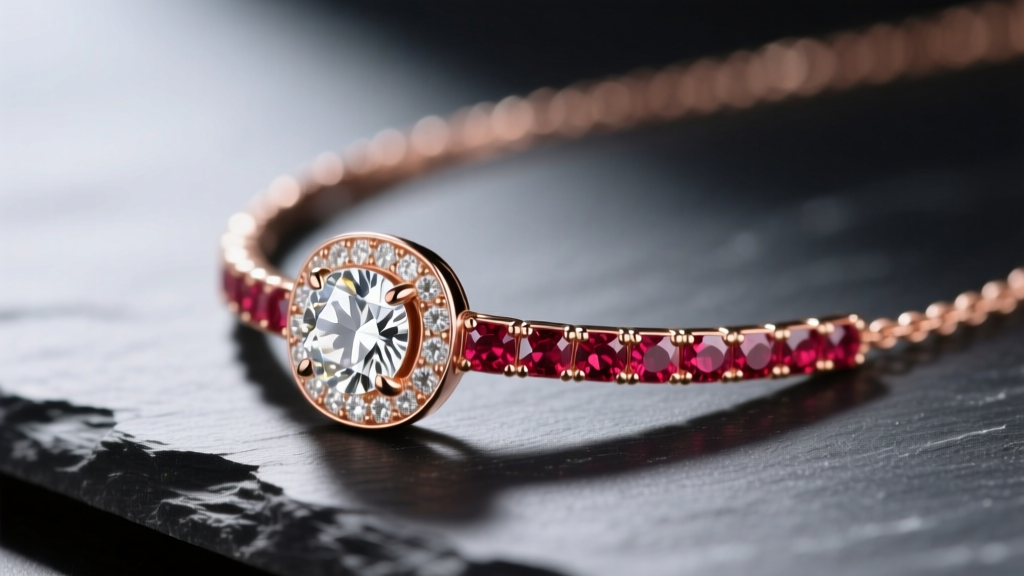
- 18K Gold (75% Pure Gold): Offers a richer, warmer color (especially in yellow and rose gold) and is hypoallergenic. However, it is softer than 14K. If your birthstone necklace features a heavy diamond halo, 18K gold prongs may require more frequent maintenance and re-tipping.
- Platinum (95% Pure Platinum): The premium choice. Platinum is denser and heavier than gold. When platinum scratches, the metal is merely displaced, not lost (unlike gold which wears away). For a bezel-set diamond birthstone pendant meant to be worn every day, platinum offers the highest security and requires no rhodium re-plating like white gold does.
Evaluating the Birthstone Accent: Genuine vs. Simulated
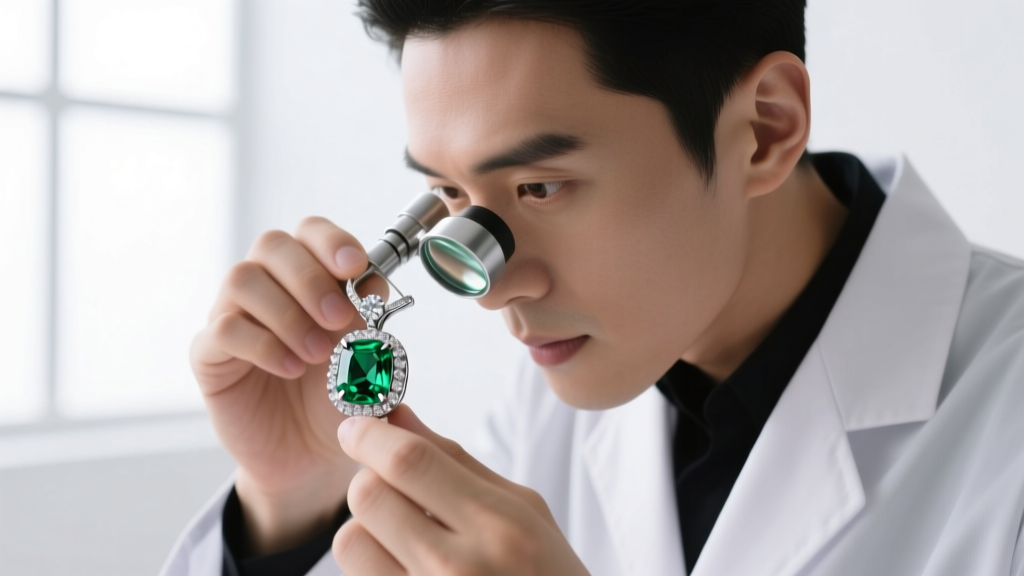
If your design pairs a diamond with a colored birthstone, you must scrutinize the colored gem's treatments. The Federal Trade Commission (FTC) Jewelry Guides mandate that sellers disclose any treatments that significantly affect the stone's value or require special care. For example, if your necklace features a May emerald, be aware that over 90% of emeralds are fracture-filled with oils or resins to improve clarity. An emerald treated with synthetic polymers is worth a fraction of one treated only with traditional cedar oil, and it cannot be cleaned in an ultrasonic machine. Similarly, July rubies and September sapphires are routinely heat-treated to enhance color. Unheated, natural sapphires with vivid saturation command massive premiums, while lattice-diffused sapphires (where color is artificially forced into the stone's surface) are essentially valueless from an investment standpoint. Always demand a gemological report for any colored birthstone accent over 0.50 carats.
2026 Pricing Matrix: What You Should Actually Pay
Use this baseline matrix to evaluate quotes from jewelers. These ranges assume a 16-inch solid cable chain, a secure bezel or 4-prong setting, and G/VS1 diamond quality. Prices reflect fair direct-to-consumer market rates in 2026.
| Necklace Configuration | Lab-Grown Diamond Price | Natural Diamond Price | Value Assessment |
|---|---|---|---|
| 0.25ct Diamond Solitaire (April Birthstone) in 14K Gold | $250 - $350 | $600 - $850 | Lab-grown is highly recommended; natural holds no resale advantage at this carat weight. |
| 0.50ct Diamond Halo around 0.40ct Natural Sapphire in 18K White Gold | $750 - $950 | $1,800 - $2,400 | Splurge on the natural sapphire color; use lab-grown diamonds for the halo to save 40%. |
| 1.00ct Bezel-Set Diamond Pendant in Platinum | $1,200 - $1,600 | $4,500 - $6,500 | Platinum adds ~$300 to the base metal cost but ensures lifetime security for a 1-carat stone. |
Red Flags and Value Traps to Avoid
When shopping for a diamond birthstone necklace, retailers often employ deceptive terminology to mask poor quality and inflate prices. Watch out for these specific traps:
1. "Diamond Chips" or "Promotional Grade": If a listing describes the accent diamonds as "chips," it means they are single-cut, poorly faceted stones that lack brilliance. They are essentially industrial-grade dust. Insist on "full-cut melee" diamonds, which have the standard 57 or 58 facets scaled down, ensuring they actually sparkle and reflect light back through the colored birthstone.
2. Clarity-Enhanced Diamonds: Some budget necklaces feature natural diamonds that have been fracture-filled with glass-like substances to hide heavy inclusions. These stones are highly unstable; exposure to a jeweler's torch or even harsh household chemicals can cloud the filling, permanently ruining the stone. Always verify that the diamond is "untreated" or "only laser-drilled" if you are buying natural.
3. Gold Vermeil Disguised as Solid Gold: A necklace priced at $150 claiming to be "18K Gold" is almost certainly gold vermeil (a thick layer of gold plated over sterling silver). While vermeil is fine for fashion jewelry, it is entirely inappropriate for a permanent birthstone heirloom. The silver core will eventually tarnish, and the gold layer will wear off at the friction points of the chain clasp and pendant bail. Always look for the "14K" or "18K" stamp without the word "vermeil" or "plated."
Final Thoughts on Maximizing Your Budget
To extract the maximum value from your diamond birthstone necklace purchase in 2026, prioritize cut quality over raw carat weight. An exceptionally cut 0.45-carat lab-grown diamond will face up larger and sparkle far more brilliantly than a poorly cut 0.60-carat stone. Pair this with a solid, un-hollowed precious metal chain and a secure bezel setting, and you will possess a generational piece that defies retail markups and stands the test of time.


