How to Choose and Style Your Perfect Diamond C Necklace
Learn how to choose, layer, and care for a diamond C necklace. Expert tips on carat weights, chain lengths, and metal grades for initial pendants.

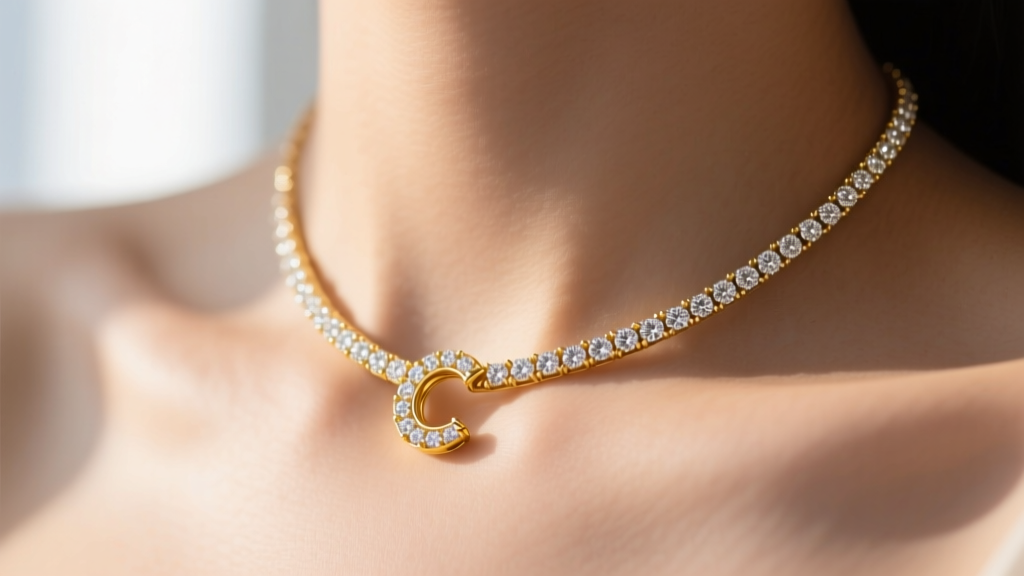
The initial jewelry trend has evolved far beyond simple stamped metals into intricate, diamond-encrusted statements of personal identity. Among the most sought-after pieces in 2026 is the diamond C necklace. Whether it represents your first name, a loved one, or a personal mantra, the letter 'C' offers a beautiful, continuous curve that lends itself perfectly to fine jewelry design. However, buying and styling an initial pendant requires more than just picking a letter. From understanding melee diamond grading to selecting the correct chain tensile strength, this step-by-step guide will ensure your investment is both structurally sound and visually stunning.
Understanding the Anatomy of a Diamond C Necklace
Unlike symmetrical letters like 'O' or 'A', the letter 'C' features a single, sweeping curve with two distinct terminals (the top and bottom tips). This structural asymmetry presents a unique challenge for jewelers. The primary decision you must make is the setting style used to secure the diamonds along this curve.
Shared Prong vs. Bezel Settings
For a diamond C necklace, the setting dramatically impacts the overall light return and perceived size of the pendant. A shared prong setting (where adjacent diamonds share a single metal prong) is the industry standard for high-end initial necklaces. It maximizes the exposed surface area of the melee diamonds, creating a continuous ribbon of light. Conversely, a bezel setting (where a thin rim of metal surrounds each stone) offers superior protection against snagging but can make a small 'C' pendant look chunky and reduce brilliance by up to 30%. For everyday wear where maximum sparkle is desired, micro-pave or shared prong settings in 14k or 18k gold remain the superior choice.
Step 1: Selecting the Right Diamond Quality and Carat Weight
When shopping for a diamond C necklace, you will rarely see the traditional 4Cs (Cut, Color, Clarity, Carat) applied to the pendant as a single stone. Instead, initial necklaces utilize melee diamonds—small diamonds typically ranging from 0.01 to 0.18 carats each. According to the Gemological Institute of America (GIA), melee diamonds are usually sold in parcels and graded collectively rather than individually. Therefore, you must evaluate the Total Carat Weight (TCW) and the overall visual quality.
For a standard 15mm tall 'C' pendant, the TCW will dictate the thickness of the letter and the price point. Below is a structural breakdown of what to expect in the current market:
| Total Carat Weight (TCW) | Pendant Height | Diamond Count (Approx.) | Average Price Range (14k Gold) |
|---|---|---|---|
| 0.20 - 0.35 ctw | 10mm - 12mm | 15 - 22 stones | $450 - $750 |
| 0.40 - 0.65 ctw | 13mm - 16mm | 25 - 35 stones | $800 - $1,400 |
| 0.75 - 1.25 ctw | 17mm - 22mm | 40 - 60 stones | $1,600 - $2,800 |
Expert Tip: Insist on a minimum color grade of G-H and clarity of SI1 for the melee diamonds. Because the stones are so small, inclusions (SI1) are invisible to the naked eye, saving you money. However, dropping below a G-H color grade will result in a noticeable yellowish tint against white gold or platinum, which ruins the icy aesthetic of the initial.
Step 2: Matching the Chain to the Pendant Weight
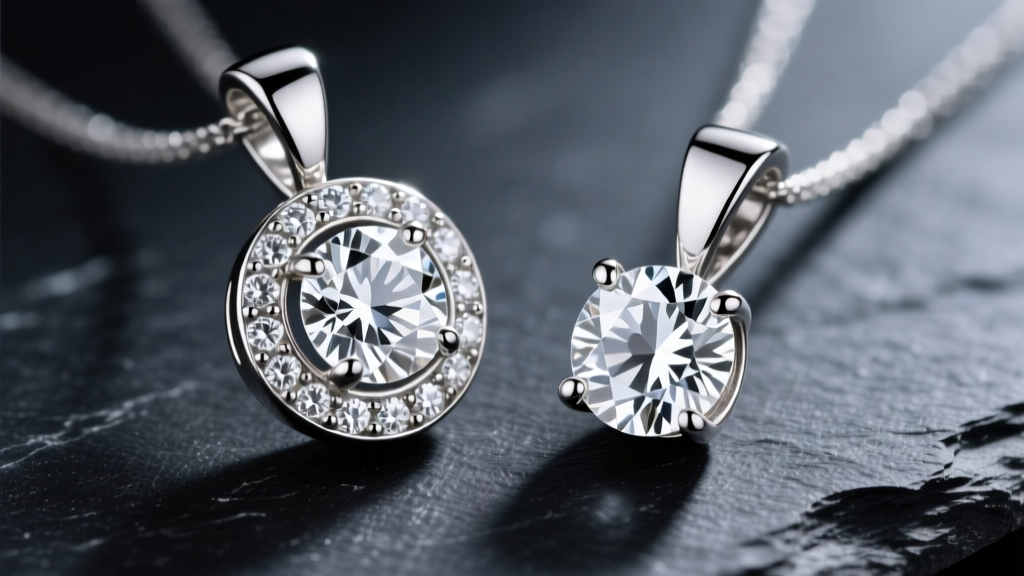
A common failure point in initial jewelry is chain breakage. A diamond C necklace with a 0.75 ctw or higher can easily weigh between 2.5 and 4 grams. Pairing a heavy pendant with a delicate 0.8mm cable chain is a recipe for disaster. The constant friction of the pendant bail rubbing against a thin chain link will eventually cause metal fatigue and snapping.
The Chain Selection Framework
- Box Chains (1.0mm - 1.5mm): The absolute best choice for initial pendants. The square, interlocking links distribute weight evenly and resist kinking. A 1.2mm 14k solid gold box chain can comfortably support up to 5 grams of pendant weight.
- Rope Chains (1.2mm - 1.8mm): Excellent for a vintage or textured look, offering high tensile strength. However, the twisted links can occasionally catch on the bail of the 'C' pendant if the bail is too narrow.
- Cable Chains (0.9mm and below): Avoid these for diamond initials. They are strictly meant for ultra-lightweight, non-diamond stamped metal charms.
Furthermore, ensure the bail (the loop that connects the pendant to the chain) is proportionate. A hidden bail (soldered directly to the back of the 'C') keeps the letter flush against the skin, while a standard loop bail allows the necklace to drape more freely but may cause the pendant to shift.
Step 3: Mastering the Layering Formula
In 2026, the single-pendant look has been largely replaced by curated, multi-textural stacks. Layering a diamond C necklace requires adherence to the Rule of Two Inches to prevent the chains from tangling and the pendants from overlapping awkwardly.
- The Base Layer (14 inches): Start with a non-diamond texture. A 14-inch freshwater pearl choker or a thick 14k gold herringbone chain sits perfectly at the base of the throat.
- The Focal Point (16 inches): This is where your diamond C necklace lives. At 16 inches, the pendant rests squarely on the collarbone, catching the most light and drawing the eye.
- The Elongator (18 to 20 inches): Finish the stack with a longer, heavier chain that lacks a pendant, or features a small, subtle geometric charm (like a simple gold disc or a tiny solitaire diamond). This frames the 'C' initial and creates a cascading visual effect.
If you are wearing a V-neck or scoop-neck top, you can safely push the focal diamond C necklace down to 18 inches to follow the neckline's geometry. For crew necks or high collars, stick strictly to the 14/16/18-inch formula to ensure the diamonds remain visible above the fabric.

Step 4: Cleaning and Maintenance Protocols
The continuous inner curve of the letter 'C' is a notorious trap for lotions, perfumes, and dead skin cells. When debris builds up behind the melee diamonds, it blocks light from entering the pavilion (the bottom of the stone), causing your diamond C necklace to look dull and cloudy within weeks.
The Weekly At-Home Cleaning Method
Do not rely on quick wipe-downs. Once a week, follow this protocol to maintain maximum brilliance:
- Fill a small ceramic bowl with warm water and three drops of mild, phosphate-free dish soap (like Dawn).
- Submerge the necklace for 15 minutes to soften oils.
- Using an extra-soft baby toothbrush, gently brush the back of the 'C' pendant. Pay special attention to the gallery (the metal undercarriage holding the stones), brushing in a circular motion to dislodge trapped debris.
- Rinse under lukewarm running water, ensuring the drain is securely plugged.
- Pat dry with a lint-free microfiber cloth. Avoid paper towels, as the wood fibers can micro-scratch the gold and catch on the prongs.
While ultrasonic cleaners are excellent for plain gold chains, the Federal Trade Commission's jewelry guidelines and gemologists warn that high-frequency vibrations can occasionally loosen the delicate micro-prongs holding melee diamonds. Stick to manual soaking and brushing for your diamond initial pendants to ensure the stones remain secure for a lifetime.
Expert Troubleshooting: Preventing the 'Flip'
The most common complaint among initial necklace wearers is the 'flip'—when the pendant rotates upside down or sideways, hiding the diamonds against the skin. Because the letter 'C' is top-heavy and asymmetrical, it is naturally prone to spinning on the chain.
The Solution: If your diamond C necklace refuses to lay flat, the issue is likely the bail size relative to the chain thickness. If the chain is too thin, the bail slides freely, allowing the pendant to spin. Upgrading to a slightly thicker chain (like a 1.5mm box chain) creates just enough friction inside the bail to keep the 'C' anchored in the correct upright position. Alternatively, you can purchase a silicone necklace stopper or spacer bead, placing it on the chain directly behind the pendant's bail to lock it in place without damaging the gold.


