Slip Chain Necklace Buying Guide: What To Look For
Discover what to look for in a slip chain necklace. Our buying guide covers slider hardware, chain gauges, metal grades, and care tips.

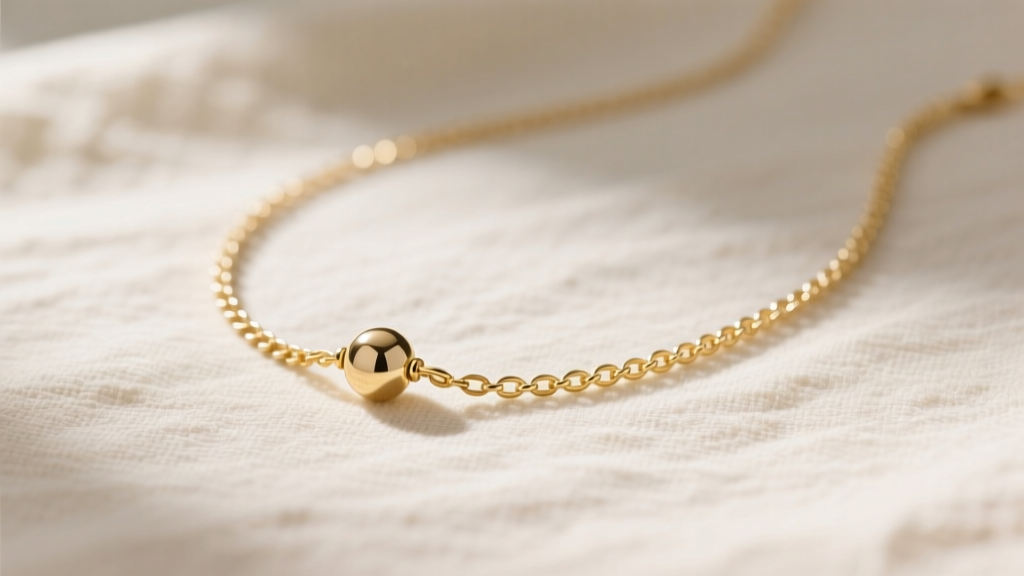
The Rise of the Adjustable Slip Chain Necklace
The slip chain necklace has fundamentally changed how we approach everyday jewelry styling. Unlike traditional necklaces that rely on a fixed jump ring and lobster clasp, a slip chain utilizes a friction-based sliding bead or clasp. This mechanism allows the wearer to seamlessly adjust the length from a tight 14-inch choker to a sweeping 22-inch lariat drop in seconds. While the aesthetic versatility is undeniable, the mechanical reality of the slip clasp introduces unique buying considerations that most standard jewelry guides overlook.
As a senior jewelry analyst, I frequently see consumers frustrated by slider beads that lose their grip, chains that jam inside the clasp, or plating that wears off prematurely. This comprehensive buying guide will dissect the anatomy of the slip chain necklace, providing you with the exact specifications, gauge limits, and material grades required to make a durable, long-lasting purchase in 2026 and beyond.
Anatomy of the Slip Clasp: Silicone vs. Metal Friction
The secret to a high-quality slip chain necklace lies entirely within the slider bead. If you look closely at a premium adjustable clasp, you will notice it is not just a hollow metal sphere. Inside, there is a micro-insert—typically a tiny O-ring or tube made of medical-grade silicone.
- The Silicone Insert (70A Durometer): High-end jewelers use a specific 70A durometer silicone. This provides enough 'bite' to grip the metal chain links securely against gravity, but remains pliable enough to allow smooth adjustment when pulled by hand.
- Metal-on-Metal Friction (The Cheap Alternative): Budget manufacturers often omit the silicone insert, relying on a slightly crimped metal bead to create tension. These fail rapidly. The metal bead stretches over time, eventually sliding down the chain under the weight of the pendant.
Always inspect the interior of the slider bead before purchasing. If you cannot see or feel a dark or translucent rubberized insert inside the metal housing, the necklace will likely lose its adjustability within three to six months of daily wear.
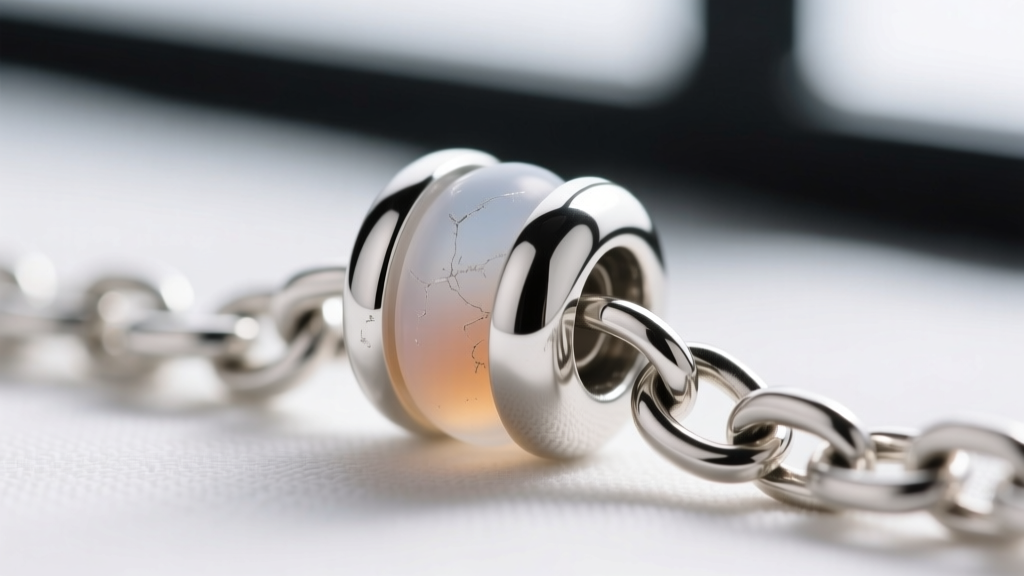
Chain Link Compatibility: Why Texture Matters
Not all chain styles are compatible with a slip clasp. The sliding mechanism requires a uniform, relatively smooth surface to glide through the silicone insert without causing micro-tears. Choosing the wrong chain link is the number one cause of premature clasp failure.
The Best Chain Styles for Slip Mechanisms
Box Chains and Cable Chains: These are the gold standard for slip necklaces. Their uniform, geometric links fold neatly into each other, creating a smooth, snake-like surface that glides through the silicone insert without catching or shredding the rubber.
Chain Styles to Avoid
Rope Chains and Figaro Chains: Rope chains feature twisted, spiraled links with sharp micro-edges. When pulled through a tight silicone slip bead, these edges act like a micro-saw, gradually slicing the insert to pieces. Figaro chains feature alternating link sizes, which will inevitably jam inside the uniform diameter of the slider bead, causing the chain to bend or snap under tension.
Chain Gauge & Durability Matrix
The thickness of the chain, measured in millimeters (mm), must perfectly match the internal diameter of the slip bead. A mismatch results in either a chain that slips too easily (failing to hold the pendant) or a chain that jams permanently.
| Chain Gauge (mm) | Compatibility | Best Use Case | Failure Mode Risk |
|---|---|---|---|
| 0.6mm - 0.8mm | Poor | Ultra-delicate, lightweight pendants only. | High. Thin chains bend inside the bead, causing severe internal jamming. |
| 0.9mm - 1.1mm | Excellent | The industry 'Goldilocks' zone for standard slip beads. | Low. Optimal balance of drape, strength, and silicone grip. |
| 1.2mm - 1.5mm | Good | Heavier statement pendants and lariats. | Medium. Requires oversized slip clasps; standard beads will not fit. |
| 1.6mm+ | Incompatible | Standard slip mechanisms cannot accommodate this thickness. | Guaranteed jamming or destruction of the silicone insert. |
When shopping, always check the product specifications for the exact millimeter gauge. According to manufacturing standards outlined by the Jewelers of America, a 1.0mm box chain paired with a 1.2mm internal diameter silicone-lined bead offers the most reliable friction hold for daily wear.

Metal Grades & The Plating Friction Problem
The area of the chain that passes through the slip bead experiences constant, repetitive friction. This mechanical reality dictates which metals you should buy and which you should avoid.
Solid 14k or 18k Gold
This is the ultimate choice for a slip chain necklace. Solid gold is highly resistant to tarnish and, more importantly, the friction from the slider bead will not 'rub off' the metal. The chain will maintain its structural integrity and color indefinitely.
Sterling Silver (925)
Sterling silver is an excellent, affordable option. However, silver oxidizes (tarnishes) when exposed to air and moisture. The friction of the slip bead will actually act as a continuous polishing agent, keeping the chain inside the bead shiny, while the exposed chain may tarnish. This can create a visible 'two-tone' effect over time if the necklace is not worn regularly.
Gold Vermeil and Gold Plated (The Warning)
Avoid gold-plated or vermeil slip chains if you plan to adjust them frequently. The repetitive pulling of the chain through the tight silicone grip acts like sandpaper on a microscopic level. Within a few months, the friction will strip the gold plating off the links that frequently pass through the bead, revealing the base metal (usually brass or copper) underneath. If you must buy plated, look for PVD (Physical Vapor Deposition) coated chains, which offer vastly superior abrasion resistance compared to traditional electroplating.
For more on how metal stamping and plating regulations protect consumers from misleading base metals, refer to the GIA Gem Encyclopedia resources on precious metal alloys.
Styling: Adjusting for Necklines and Layering
The true power of the slip chain necklace is its adaptability to modern layering techniques. Here is a practical framework for adjusting your slip chain based on your wardrobe:
- The Crew Neck Choker (14-16 inches): Slide the bead up to the nape of the neck. This creates a clean, minimalist choker effect that sits perfectly above the collar of a standard t-shirt or crewneck sweater.
- The Collarbone Princess (17-18 inches): The default resting position. Ideal for V-necks and open blouses, allowing a small pendant to rest exactly in the clavicle hollow.
- The Lariat Y-Drop (20-24 inches): Pull the chain down to create a deep Y-shape. This elongates the neck and torso, making it a powerful styling trick for high-necked garments, turtlenecks, or tailored blazers.
Maintenance: Protecting the Silicone Grip
The silicone insert is a polymer, and like all polymers, it is vulnerable to specific environmental and chemical factors. To maximize the lifespan of your slip chain necklace's adjustability, adhere to these strict care protocols:
- Ban Ultrasonic Cleaners: Never place a slip chain necklace in an ultrasonic jewelry cleaner. The high-frequency vibrations will shatter or dislodge the microscopic silicone O-ring inside the bead, instantly ruining the friction grip.
- Avoid Alcohol and Perfumes: Alcohol-based cosmetics, hand sanitizers, and perfumes dry out silicone, causing it to become brittle and crack. Always apply your fragrances and let them dry completely before putting on your necklace.
- The Mineral Oil Rescue Trick: If your chain becomes stuck or difficult to pull through the bead, do not yank it. Yanking will snap the chain links. Instead, apply a single drop of pure mineral oil (not synthetic oils or WD-40, which degrade rubber) to the entry point of the bead. Work the chain back and forth gently to distribute the lubricant, then wipe the chain clean with a microfiber cloth.
Final Verdict: What to Look For at Checkout
When investing in a slip chain necklace, prioritize the hardware over the pendant. Look for a 0.9mm to 1.1mm box or cable chain crafted from solid 14k gold or sterling silver. Verify that the product description explicitly mentions a 'silicone-lined' or 'rubber-insert' slider bead. By understanding the mechanical limitations and material sciences behind this popular jewelry style, you can curate a collection of adjustable necklaces that will remain functional, secure, and beautifully styled for years to come.


